
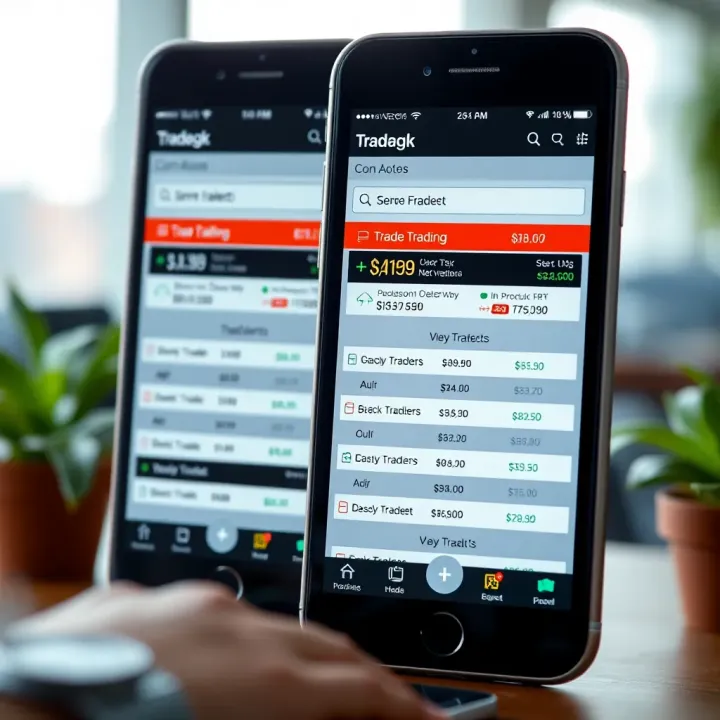
Best Trading Apps in India: Features & Top Choices
Explore top trading apps in India 📱, their features, benefits, and security. Find the right platform for smooth, safe, and supported trading today!
Edited By
Oliver Reed
Artificial intelligence (AI) is steadily changing how Indians approach stock market investing. AI trading apps use computer algorithms and machine learning to analyse market signals, predict price movements, and even place trades automatically on behalf of users. This blend of automation and data-driven insight means more traders and investors are exploring AI-powered platforms to improve returns and reduce guesswork.
In India, where trading volumes and retail participation have surged, AI trading apps offer a convenient edge. They cater to various experience levels—from freshers trying to grasp market basics to seasoned brokers managing complex portfolios. These apps don't just crunch numbers; many offer user-friendly interfaces, customised alerts, and integration with popular stock exchanges such as NSE and BSE.
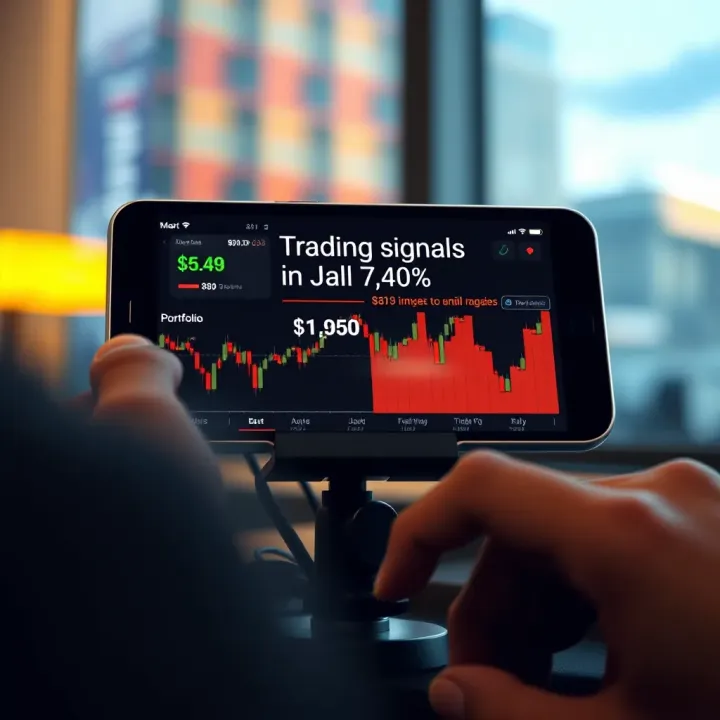
For instance, a trader using an AI app can get suggestions based on historical patterns, current news, and prevailing market momentum. This helps to spot opportunities or risks early, something hard to do manually given the sheer data scale. Likewise, automation features like stop-loss orders get triggered without manual intervention, protecting investments during volatile sessions.
The key benefit of AI trading apps lies not just in automation but in making data-driven decisions accessible to more people — bridging the gap between market information and actionable strategies.
However, selecting the right AI trading app requires understanding its features, benefits, and limitations. Some apps specialise in intra-day trading algorithms, while others focus on long-term investment models using machine learning. Security measures, ease of use, customer support, and costs also matter.
In this article, you will find a breakdown of some of the best AI trading apps available in India. We will detail what makes each stand out, the advantages they bring, and how you can pick one that fits your trading goals and comfort level. Whether you rely on technical analysis or fundamental data, AI tools can become a valuable partner in your trading journey.
AI trading apps have become an important tool for many investors in India, helping them navigate stock markets like the National Stock Exchange (NSE) and Bombay Stock Exchange (BSE). These apps use algorithms and machine learning to analyse huge amounts of data, aiming to provide faster, more accurate trading decisions than manual methods. Understanding how these apps function in the Indian context helps traders make better use of their features and avoid pitfalls.
At the core of AI trading apps are algorithms—sets of rules coded to identify patterns in market data such as price movements, volume changes, and historical trends. Instead of relying solely on gut feeling or basic chart reading, these algorithms process data points to spot trading opportunities quickly. For example, an algorithm might detect when a stock’s price deviates significantly from its typical behaviour, signalling a potential buy or sell moment.
This approach is especially useful in India's volatile markets where sudden information, like corporate announcements or RBI policy changes, can trigger rapid price shifts. Algorithms execute trades swiftly, often within seconds, to capture these opportunities before humans can react.
Many AI trading apps use machine learning (ML) models that refine their predictions over time by learning from past data. Unlike static algorithms, ML models adapt based on new information, improving the accuracy of their forecasts. For example, supervised learning models may use historical stock data alongside macroeconomic indicators like GDP growth and inflation to predict future price trends.
In practical terms, this means the app can adjust to India-specific market behaviours, like seasonal trends in the monsoon or festival periods when trading volumes fluctuate. This adaptive capacity helps investors make decisions grounded in changing realities rather than fixed assumptions.
AI trading apps connect directly with NSE and BSE through APIs (application programming interfaces), enabling seamless order placement and real-time data updates. This direct link ensures that the app receives fresh market data and can execute trades instantly.
For example, when an app spots a buying signal, it sends a request to the exchange’s trading system instantly, avoiding latency or delays common in manual order placement. This real-time integration is crucial given how quickly market conditions can shift within seconds.
All AI trading apps operating in India must follow guidelines set by the Securities and Exchange Board of India (SEBI), which regulates stock market activities. SEBI ensures these apps meet standards around transparency, data security, and fair trade practices.
This means users should choose AI trading platforms that disclose their algorithms’ working and maintain strong data protection, considering the personal and financial details involved. SEBI oversight also ensures apps do not engage in unfair trading, such as manipulative high-frequency trading without proper safeguards.
For Indian investors, understanding these compliance aspects is key to choosing trustworthy AI trading apps that protect their interests while leveraging advanced technology.
By grasping how AI trading apps analyse markets using algorithms and machine learning, as well as their connection to Indian stock exchanges and regulatory environment, investors can better assess which platforms fit their trading needs.
For Indian investors, choosing the right AI trading app can make a significant difference in how efficiently they trade and make investment decisions. These apps combine data analysis, automated trading, and user-friendly features to offer practical advantages. Understanding what the leading platforms offer helps traders pick one that fits their style, technical comfort, and budget.
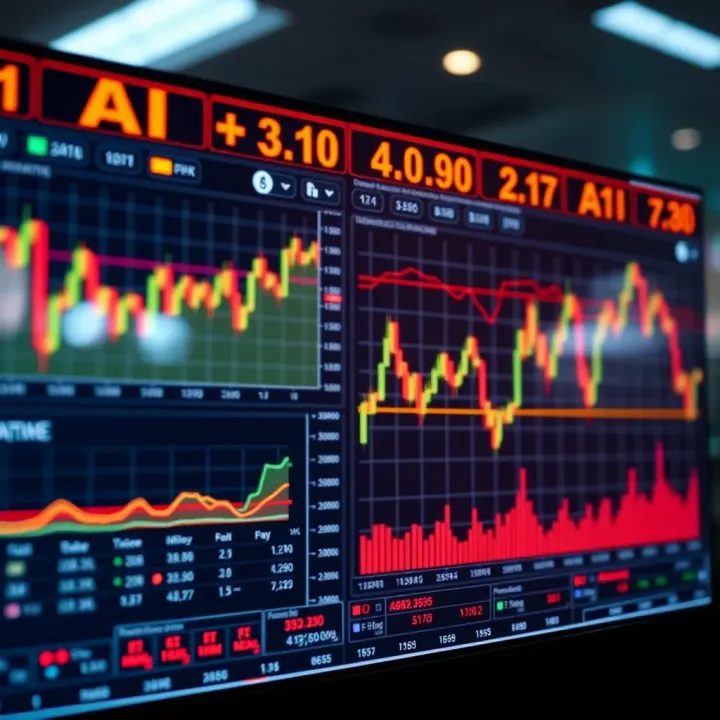
User interface and usability matter a lot, especially for retail investors new to AI-based tools. Platforms like Zerodha’s Kite present a clean dashboard that simplifies order placement, portfolio tracking, and strategy backtesting. Easy navigation with clear graphs, alerts, and customisable widgets cuts down on the learning curve. Good usability means investors spend less time figuring out the app and more time making informed choices.
Types of AI strategies offered differ widely and impact results considerably. Some apps focus on predictive analytics using machine learning models to forecast price movements. Others provide algorithmic trading options like momentum trading, mean reversion, or even deep learning-based strategies. For instance, Upstox offers customisable strategies where users can select risk levels and strategy parameters tuned to Indian market behaviour, enabling hands-on control with AI support.
Integration with brokerage accounts is critical for seamless trading. Top AI apps typically link directly with brokers registered with the National Stock Exchange (NSE) and Bombay Stock Exchange (BSE) to enable real-time order execution. This eliminates manual inputs and enables faster reactions to market signals. Apps like Groww and Angel One simplify this by requiring minimal setup, ensuring users can trade without jumping between platforms.
Most AI trading apps offer free versus paid versions, balancing access with advanced features. Free versions often include basic AI signals, standard charts, and limited trades daily. Paid subscriptions provide real-time AI-powered alerts, priority customer support, and deeper analytics. For example, Upstox’s advanced AI features come in a premium plan priced competitively to suit traders who want more than basic insights.
Commission and fees structure also vary and directly affect profitability. Some apps charge a fixed monthly fee for AI tools, while others take a percentage of trades executed via their platform. Brokerage commissions for trading through integrated accounts may differ too, especially when trading derivatives or high volumes. Traders need to weigh these costs against the expected benefit from AI’s speed and accuracy.
Leading names include Upstox, Zerodha’s Kite, Groww, and Angel One. Each has carved a niche by focusing on ease of use, AI innovation, or specific trading segments. Kite’s AI tools are highly regarded for technical analysis, while Upstox is known for offering versatile AI strategies suited to both beginners and experienced traders. Groww combines investment in stocks and mutual funds with AI-based recommendations, useful for portfolio diversification.
Specialised AI features set each platform apart. For example, Zerodha’s Kite uses Kite Connect API to create automated trading bots, and Upstox offers trend identification through AI-powered charts. Angel One focuses on sentiment analysis derived from news and social media, giving users a different perspective. These unique tools reflect how Indian market conditions and investor preferences shape AI trading’s evolution.
Choose an AI trading app that aligns with your trading goals, budget, and comfort with technology. Practical features, cost transparency, and trusted integration with Indian stock exchanges are key to a smooth, productive experience.
Artificial Intelligence (AI) trading apps have opened new doors for Indian retail investors by automating complex analysis and execution tasks. These apps bring speed, accuracy, and data-backed insights that were once only accessible to sophisticated institutional investors. However, while AI-powered solutions carry clear advantages, it’s equally crucial to understand their limitations to make informed decisions that suit your personal investing style and risk appetite.
AI trading apps can execute orders in milliseconds, far quicker than any human. This speed is vital during volatile market conditions where prices fluctuate rapidly. For instance, during the sudden market swings seen in Indian bourses during geopolitical events, automated trades can lock in profits or cut losses instantly, something tricky to achieve manually. Moreover, these algorithms minimise errors common in manual entry, reducing order mistakes that can be costly.
AI apps process vast amounts of data — from historical trends to real-time news and social media sentiment — helping investors spot potential opportunities or warning signals. Apps like Zerodha's Kite or Upstox offer AI-driven tools that crunch data continuously to offer actionable recommendations, such as when to buy or sell shares of Reliance Industries or HDFC Bank. This helps retail traders move beyond gut feeling and base their moves on quantifiable analysis.
One common pitfall for Indian investors is being swayed by fear or greed, leading to poor timing decisions. AI trading platforms remove much of this emotional interference. Automation ensures trades happen as per pre-set rules and market signals without panic or exuberance affecting judgement. For example, during the unpredictable COVID-19 market crash, an AI bot would have executed stop-loss orders promptly, while a human might hesitate or hold on hoping for recovery.
AI models learn from past data to predict future price movements. However, if the historical data is incomplete, biased, or skewed because of past anomalies, the predictions can go wrong. For Indian markets, events like demonetisation or sudden policy shifts can create data that doesn’t reflect current realities, causing AI recommendations to misfire.
No algorithm can perfectly foresee black swan events or market sentiment changes driven by unforeseen incidents. For example, unexpected global crises, abrupt regulatory announcements, or political upheaval in India can render AI-generated signals less useful. Investors relying solely on AI might face losses if they do not step in to manually assess such unusual conditions.
Like any digital system, AI trading apps are vulnerable to bugs or outages that could delay execution or expose sensitive information. In India, where network reliability varies especially in smaller towns, a sudden connectivity drop can cause order failures. Additionally, as these apps handle personal and financial data, robust cybersecurity measures are necessary to protect users against hacking or fraud.
Using AI trading apps offers clear advantages, but understanding their limitations helps you combine AI strength with human judgment, achieving balanced investment decisions suited to the dynamic Indian market.
In short, AI trading apps suit Indian retail investors looking for speed, accuracy, and data-backed guidance, but careful oversight and caution remain essential to managing risks effectively.
Selecting the right AI trading app is a key step for any investor wanting to make the most of algorithm-driven trading. Indian investors must look beyond features and examine regulatory compliance, security, customisation, and support, among other aspects. These factors directly affect safety, user experience, and the ability to tailor trading strategies to personal goals.
In India, the Securities and Exchange Board of India (SEBI) governs trading platforms to ensure fair and transparent market operations. Any AI trading app you consider should hold SEBI approval as a mark of credibility. This approval ensures the platform complies with rules designed to protect investors, including measures against market manipulation and data misuse. For example, an app integrated with NSE and BSE trading systems must have robust mechanisms to report and monitor trades as per SEBI’s guidelines.
Trading apps collect sensitive user data, such as bank details, PAN numbers, and trading history. Protection of this data is critical. A good AI trading app encrypts user information and follows India’s data privacy laws. Apps with clear privacy policies and multi-factor authentication reduce the risk of data breaches. In 2023, some Indian apps started using biometric authentication like fingerprint or face recognition alongside passwords, adding an extra layer of security.
Not all investors have the same appetite for risk or investment horizons. Leading AI trading apps let you define risk parameters, such as maximum loss limits or preferred asset classes. This customisation means the AI matches trades to your comfort zone instead of blindly following one-size-fits-all algorithms. For instance, you can set conservative risk levels if you prefer steady returns, or aggressive modes for higher-risk, potentially higher-return strategies.
Technology can falter, and markets can surprise AI models. Therefore, it’s important your app allows manual overrides. This feature lets you pause automated trading or adjust strategies in real time, preventing losses during volatile situations or system glitches. Manual control ensures you remain the final decision-maker, maintaining complete authority even in algorithm-driven setups.
AI trading might seem complex for many retail investors. Apps with built-in tutorials, webinars, and FAQs help bridge this gap. These resources clarify how the algorithms work, how to set parameters, and best practices for risk management. For example, an app like Zerodha Kite offers educational videos explaining AI features clearly to new users.
A responsive support team can be a lifesaver when technical issues arise. Opt for apps providing 24/7 support via multiple channels—phone, chat, or email. This quick problem-solving avoids missed trading opportunities or data issues. Around peak market hours, timely help ensures trades execute smoothly, which greatly affects investment outcomes.
Choosing the right AI trading app involves assessing compliance, security, control, and support. These factors together make your investing safer, smarter, and more aligned with your personal goals.
Using AI trading apps wisely can significantly boost your investment returns, but these tools work best when paired with smart strategies. Relying solely on AI without understanding the market basics or your own financial goals can lead to unexpected losses. Here, we cover how combining AI insights with your own research and effective risk management can help you get the most out of these trading platforms.
AI trading apps generate recommendations based on data patterns and algorithms, but validating these suggestions with personal research ensures smarter decisions. For example, if an AI suggests buying shares of a pharmaceutical company, looking into recent government health policies or company quarterly results can confirm the reliability of this advice. Blindly accepting AI signals can be risky, especially in markets with sudden news-driven swings.
Keeping track of market news and trends lets you understand the broader context behind AI-generated advice. Suppose the AI flags a surge in tech stocks; knowing about new government initiatives supporting digital infrastructure or increased IT exports from India gives more confidence to act. Staying updated with sources like business news on NDTV Profit or Economic Times helps you catch early signs that AI models might not immediately factor in.
Diversifying your investments across sectors and asset classes reduces risk exposure, even when using AI predictions. If the AI suggests concentrating on banking stocks alone, balancing this with investments in FMCG or IT stocks helps spread potential losses during tough market phases. This mix still allows AI to optimise your portfolio but keeps your money safer during uncertainty.
Setting stop-loss limits protects you from big setbacks by automatically selling stocks if their price falls beyond a certain point. For example, if you buy shares of Reliance Industries and set a stop-loss at 10% below your purchase price, the app closes your position before losses become too large. This simple practice limits damage during volatile days and acts as a safety net.
Limiting over-reliance on automation means you should keep a close watch on your trades and not let AI handle everything blindly. AI can misread unexpected events like RBI rate cuts or geopolitical tensions, so having the option to manually override or pause automated trades is critical. Periodically reviewing your strategy prevents costly surprises and ensures your investments align with your changing goals.
Every investor must remember that AI trading apps are powerful helpers, not crystal balls. Combining their speed and data analysis with sound personal judgement and disciplined risk controls leads to better, more secure investing in Indian markets.
Explore top trading apps in India 📱, their features, benefits, and security. Find the right platform for smooth, safe, and supported trading today!

Explore key features and security of official trading apps 📱. Learn how to pick the best platform for stock and commodity trading in India 🇮🇳.
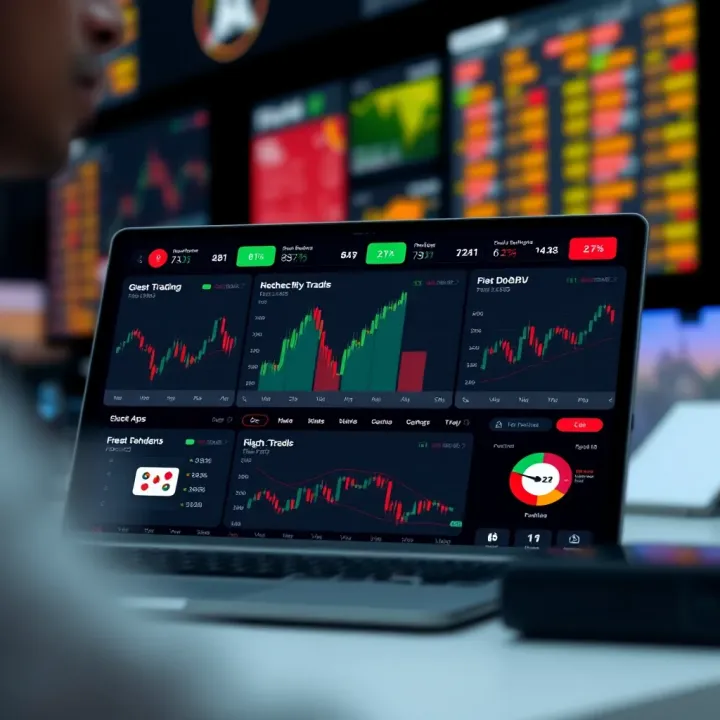
📱 Discover the top trading apps in India! Get detailed insights on features, fees, security & support to pick the best app for your trading style.
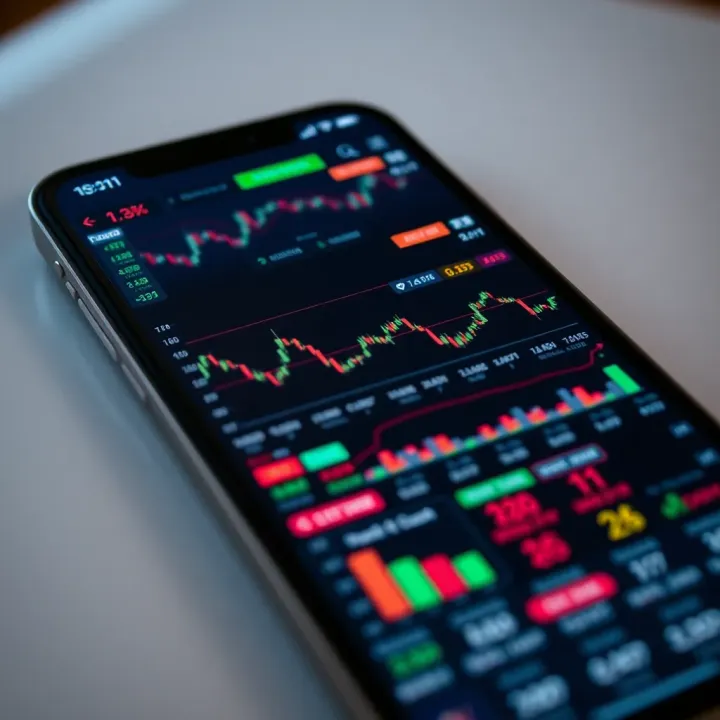
Discover how money trading apps 📱 in India make managing, investing, and trading finances easier. Learn key features, benefits, risks, and tips to choose wisely.
Based on 9 reviews