

Intraday Trading Guide for Indian Traders
📈 Master intraday trading in India with practical tips on strategies, risk management, and market tools. Build consistency in short-term trades today!
Edited By
Charlotte Davies
Forex trading has become increasingly popular among Indian investors looking to diversify their portfolios and tap into global currency markets. However, navigating this market without proper education can lead to costly mistakes. Choosing the right forex trading course is essential for developing practical skills that go beyond textbook theory.
Quality forex education should cover not just basic concepts like currency pairs, pips, and leverage, but also risk management, chart analysis, and real-time trade execution. Indian traders must prioritise courses that offer a clear breakdown of these topics with examples relevant to local conditions, such as RBI regulations, GST implications, and currency volatility influenced by domestic events.

Cost is another important factor. Some well-known platforms offer free introductory lessons, while comprehensive courses may range from ₹10,000 to ₹50,000 or more. Before investing, check if the programme provides hands-on practice through simulators or live market sessions, as this practical exposure is key to building trader confidence. Beware of courses promising guaranteed profits or overly aggressive marketing — these are red flags.
Credibility also matters. Look for courses backed by experienced forex professionals or regulated entities. Reviews from fellow Indian traders can help gauge effectiveness and trustworthiness. Additionally, consider how up-to-date the course material is, since forex markets evolve swiftly with new economic policies and global shifts.
Picking the right forex trading course equips you to make informed decisions, manage risks better, and approach the market with discipline rather than guesswork.
In summary, finding the best forex course involves balancing course content, credibility, cost, and practical learning. This ensures your time and money lead to valuable skills for trading success in India’s dynamic forex environment.
Understanding forex trading is essential before diving into any course. The forex market operates 24 hours across different global time zones, trading currency pairs like USD/INR or EUR/JPY. Knowing the market basics helps in grasping how external factors such as economic data or geopolitical events influence currency prices. This awareness guides traders in making better decisions rather than relying on guesswork.
The forex market isn't a centralized exchange but a decentralized network of banks, brokers, institutions, and retail traders. Currency pairs represent one currency traded against another, such as the US Dollar against the Indian Rupee (USD/INR). Understanding these pairs is vital because each has its own liquidity, volatility, and trading costs. For instance, USD/INR tends to be less volatile than exotic pairs like USD/ZAR, influencing risk and strategy choices.
Forex trading runs non-stop from Sunday evening to Friday evening in Indian Standard Time (IST), covering markets in Asia, Europe, and North America. This overlapping schedule means currency prices can fluctuate any time, as news from one region affects traders worldwide. For example, a policy announcement by the Reserve Bank of India (RBI) during Asian hours can shift the USD/INR rate, so traders need to adapt quickly.
Beginners must familiarize themselves with terms like "pip" (smallest price move), "leverage" (borrowing power), "spread" (difference between buy and sell prices), and "lot size" (units traded). These form the language of trading and impact profitability. For instance, using high leverage without understanding can quickly wipe out an account.
Learning forex alone often leads to inconsistent results. New traders may jump into live markets without a solid plan or fall for misleading advice on social media. Without a structured approach, gaps in knowledge about risk management or market psychology can cause costly mistakes. For instance, ignoring stop-loss orders often results in avoidable losses.
A well-designed course provides a clear roadmap from basics to advanced concepts, reducing trial-and-error time. Courses offer practical tools like demo accounts to practise and feedback from experienced mentors. This guidance builds confidence and discipline, essential traits for surviving in volatile forex markets.
Formal courses bridge critical gaps, like balancing technical and fundamental analysis or developing emotional control during trades. They also teach risk strategies such as position sizing and hedging, which self-taught traders may overlook. Ultimately, these skills improve decision-making and protect capital.
Structured learning not only provides knowledge but also the practical skills and mindset needed to trade forex effectively, especially in a complex, fast-moving environment.
By grasping these fundamentals, Indian traders can better evaluate forex trading courses and choose one that matches their needs, ensuring a strong foundation for profitable trading.
A good forex trading course should equip learners with more than just theory—it must cover practical, essential elements that traders can directly apply in the market. This section highlights key factors that make a course truly valuable for Indian traders aiming to sharpen their skills and increase their chances of success.

Technical and fundamental analysis form the backbone of any quality forex course. Technical analysis involves reading charts, spotting trends, and using indicators to time entries and exits. Fundamental analysis, on the other hand, looks at economic data, political events, and central bank policies. For instance, a trader in Mumbai following RBI announcements or inflation data needs to understand how these impact the rupee against the dollar. Courses that balance both analysis styles help traders form well-rounded strategies instead of relying purely on guesswork.
Risk management principles are indispensable for protecting trading capital. Many new traders lose money simply because they do not manage risk well. Practical lessons on setting stop-loss orders, calculating position sizes based on risk tolerance, and understanding leverage can save a trader from heavy losses. A course explaining how to limit risk to 1-2% per trade, for example, prepares traders to stay in the game longer and build consistent profits.
Trading psychology and discipline often get overlooked, yet they are just as critical as technical skills. Forex markets can be volatile, and emotions like fear or greed can lead to impulsive decisions. Quality courses teach how to develop patience, stick to trading plans, and avoid revenge trading. They might include exercises on journaling trades and identifying emotional triggers, which help learners build mental resilience.
Access to demo trading accounts and simulations allow learners to practise strategies without risking real money. This hands-on exposure solidifies concepts and builds confidence. For instance, platforms like MetaTrader or TradingView offer demo modes where one can try out technical indicators or test risk management techniques under live market conditions.
Mentorship and feedback opportunities offer personalised guidance, which accelerates learning. Having a mentor who reviews your trades, points out mistakes, and shares insights helps bridge the gap between theory and reality. It’s like having a seasoned broker from Mumbai or Delhi giving you timely advice—this can be invaluable.
Community support and peer interactions foster motivation and knowledge exchange. Forums or chat groups connected to the course enable traders to discuss market moves, share tips, and seek opinions. The camaraderie often keeps learners committed and helps resolve doubts quickly.
The choice between online vs classroom options matters based on your schedule and learning style. While classroom courses provide face-to-face interaction, online options offer flexibility—especially beneficial if you’re working or located in tier-2 cities without easy access to training centres.
Self-paced vs scheduled sessions also influence how effectively you learn. Self-paced courses allow you to study when convenient, crucial if your daily routine is unpredictable. Scheduled sessions offer discipline and live doubt clearing but demand fixed time commitments.
Mobile learning capabilities have become essential in India’s mobile-first environment. Courses offering app-based access or mobile-friendly content help traders learn on the move—whether during a commute or in between meetings. This flexibility increases engagement and consistent progress.
A high-quality forex trading course combines solid theory, practical tools, and flexible learning methods that suit individual needs, enabling traders to confidently navigate the volatile forex markets.
Choosing the right forex trading course matters a lot, especially for Indian traders who must navigate both global and local market nuances. Evaluating courses carefully helps you pick programmes that not only teach effective strategies but also fit your goals, budget, and language preferences. This avoids wasting time and money on training that doesn’t deliver practical knowledge or good returns.
Experienced trainers can make all the difference. Look for instructors with proven track records in forex trading, preferably active traders or analysts familiar with India’s market context. For example, a trainer who has worked with an Indian brokerage or written columns for Indian financial platforms usually offers insights that are relevant locally. They should provide clear examples of their own trading results and perhaps recorded sessions showing their approach.
Reputation matters just as much. Check reviews on independent websites, trader forums, and social media groups. Course feedback from past Indian participants offers a realistic idea about course quality, clarity, and support. Negative reviews warning about hidden fees or outdated content should raise red flags. Trusted platforms like trading communities or Indian Reddit threads dedicated to forex can be useful.
Certifications add credibility but should be considered carefully. Courses certified by recognised bodies such as the Securities and Exchange Board of India (SEBI) or international associations boost trust. Regulatory compliance shows the course provider follows ethical standards and legal norms, which protects you from scams. Always check if the course provider is transparent about these certifications.
Forex courses may have varied fee structures. Some charge a flat fee, while others add extras for mentorship or advanced modules. Watch out for hidden charges such as yearly renewals, subscription upgrades, or software fees. For instance, a course might list a fee of ₹30,000 but later ask for extra payments for live market access. Clarity on costs upfront prevents surprises.
Consider the return on investment carefully. A costly course can be worth it if it offers certificates recognised in the industry, direct mentor support, or access to premium trading tools. These benefits may boost your confidence and employability if you wish to become a professional trader. Certifications from credible organisations also add weight when approaching brokers or financial institutions.
Free resources can complement learning but rarely replace formal courses completely. Many Indian websites and YouTube channels offer useful beginner insights. However, paid courses typically provide structured content, live sessions, and practical exercises. Balance your budget and goals before deciding how much you should invest.
Forex courses come in different skill levels. Beginners should start with basic courses covering currency pairs, market mechanics, and simple strategies. Intermediate learners may focus on technical indicators, chart patterns, and risk controls. Advanced programmes often include algorithmic trading and portfolio management. Choosing a course aligned with your current level ensures you do not get overwhelmed or bored.
Your preferred trading style matters too. Courses dedicated to intraday trading detail fast decision-making and short-term charts. Swing trading focuses on holding trades for days or weeks, requiring different analysis techniques. Long-term trading courses cover fundamental analysis and economic trends. Pick courses that focus on your trading horizon.
Language and cultural fit are often overlooked but important. Some Indian traders find regional language courses more accessible, especially if English terminology feels daunting initially. Cultural examples used in lessons, such as references to Indian festivals affecting market volatility or local economic news, improve learning. Providers offering multilingual support help learners across diverse Indian states.
Proper evaluation of forex courses saves you the hassle of trial-and-error learning and equips you with skills tailored for both Indian and global markets.
By focusing on these factors when selecting your forex trading course, you can strengthen your trading skills with confidence and clarity.
Selecting the right forex trading course from popular options in India can make a big difference to your learning curve. Indian traders benefit from locally tailored courses that understand the unique challenges of our markets, regulations, and trading styles. These courses often balance theory with practical examples relevant to Indian forex conditions.
Indian institutes and brokerage firms have recognised the demand for forex education by offering a range of courses. Major providers include reputed brokerage firms like Zerodha and ICICI Direct, along with specialised education platforms such as FoxyTrades and Nifty Trading Academy. These providers often design courses targeting different skill levels, from absolute beginners to seasoned traders looking to upgrade their strategies.
Course delivery by Indian providers frequently blends online interactive sessions, recorded lectures, and live workshops. Many brokers integrate demo trading accounts directly into their courses, allowing learners to practise in real-time without risking capital. This hands-on approach helps Indian traders familiarise themselves with market volatility and platform interface nuances.
Pricing for these courses varies widely — some start as low as ₹5,000, while comprehensive modules with mentorship can cost upwards of ₹50,000. Enrolment is usually straightforward through the provider’s website or app, with EMI options often available to ease upfront payment. It pays to watch for hidden charges like platform fees or additional costs for advanced modules.
Global forex courses accessible online offer Indian traders advanced knowledge and international market perspectives. Providers like BabyPips, Forex School Online, and IG Academy offer well-structured syllabi that Indian students can access from anywhere. Some courses include modules that address issues relevant to Indian forex traders, such as currency pairs involving INR or regulatory compliance insights.
Language plays a significant role. Many international courses are in English but may lack region-specific context or Hindi and other Indian-language support. Some global platforms address this gap by providing localised content or tutor support via chat or video, which benefits traders who prefer learning in their regional language.
Certification from international courses varies in recognition within India. While these credentials don’t directly impact regulatory compliance here, they do add value by enhancing a trader’s credibility and confidence. Indian traders frequently use such certifications to bolster their profiles when seeking mentorship or freelance trading opportunities.
Choosing between Indian and international forex courses depends on your learning goals, language comfort, and budget. Indian courses offer local relevance and ease of access, while international courses bring global expertise and innovative techniques.
By carefully weighing these aspects, traders can pick courses that suit their style and help build practical trading skills tailored to Indian market dynamics.
A forex trading course alone doesn't guarantee success. You must actively engage with the material and practice consistently for the knowledge to stick and become useful in real market situations. Taking small but regular steps helps bridge the gap between theory and actual trading, which is especially important for Indian traders who face unique market timing and regulatory conditions.
Regular use of demo accounts is one of the best ways to put what you learn into action without risking real money. Demo trading platforms mimic live market conditions, allowing you to test strategies, understand order types, and manage risk in real time. For example, a trader based in Mumbai can experiment with currency pairs like USD/INR during active trading hours, observing how market volatility impacts trade outcomes without any financial pressure.
Applying theory to live market scenarios complements demo practice by encouraging you to connect classroom concepts with daily market movements. This hands-on approach improves decision-making skills. Imagine checking how news from the Reserve Bank of India (RBI) affects the rupee's value; you could then adjust your technical indicators accordingly. This practical link sharpens your ability to read charts and economic data with relevance to Indian forex markets.
Seeking continuous feedback is equally vital. Joining courses that offer mentorship or instructor reviews can highlight mistakes early in your learning process. Feedback helps correct trading habits and fine-tune strategies before losses pile up. For instance, receiving guidance on when to exit a trade or how to set stop-loss levels protects your capital and builds confidence.
Following market news and analysis keeps you updated on factors influencing forex prices, such as geopolitical events or monetary policy changes. Indian traders who follow platforms like Bloomberg Quint or Moneycontrol can understand how international markets impact the rupee and other currencies. This knowledge allows timely adjustments to your trading approach.
Joining trader forums and webinars fosters community learning and exposes you to varied perspectives. Active discussions about strategies, broker experiences, or market trends encourage problem-solving and innovation. Webinars hosted by reputed Indian financial educators or brokers add practical tips and real-time Q&A that deepen your insight.
Reading Indian and global trading literature rounds out your education. Books or articles written by experienced traders explain nuances and historical market behaviours you might miss otherwise. For example, reading about the 2008 financial crisis and its forex impact can prepare you mentally for future turbulence, making your trading mindset more resilient.
Regular practice and continuous learning go hand in hand. Combining course content with real-time application and external knowledge sources transforms you from a passive learner to an active trader ready to navigate forex markets confidently.
In sum, don’t just watch videos or read chapters—trade on demos, study current events, ask questions, and read widely. This multi-pronged approach ensures your forex education takes root and grows with experience, leading to better trading decisions tailored for Indian market realities.
📈 Master intraday trading in India with practical tips on strategies, risk management, and market tools. Build consistency in short-term trades today!
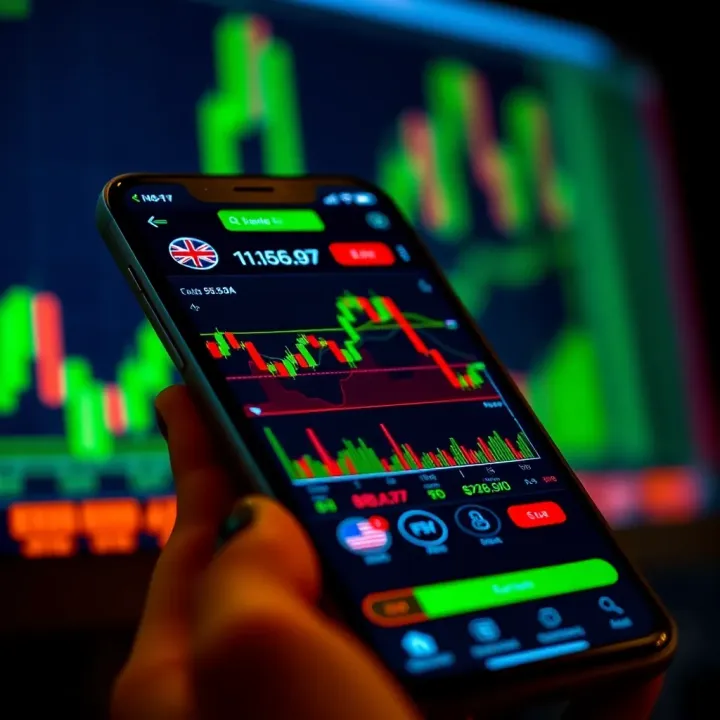
📱Discover how live trading apps in India help traders buy & sell stocks in real-time, explore top features, security tips, and trusted app choices.

Find the best forex trading brokers in India 🇮🇳. Compare top platforms, check regulatory safeguards & key features. Make smart trading decisions confidently!

Understand forex trading in clear Hindi 🇮🇳 Learn how currency markets work, key terms, risks, benefits & safe beginner tips for trading in India ₹
Based on 9 reviews