
Choosing the Best Online Trading App in India
📱 Find the best online trading app in India! Compare features, costs, security & support to pick the right fit for beginners & pros alike. 💹
Edited By
James Harper
Trading apps have taken the spotlight in India’s fast-growing financial scene. From weekend hobbyists betting on stocks to full-time traders analyzing every tick, these apps have made the stock market accessible like never before. But with dozens of options out there, choosing the right one isn’t as straightforward as just picking the most popular or flashy app.
The choice of a trading app can directly impact your trading experience and results. It's not just about buying and selling; it’s about having the right tools, security, and support to make smart decisions. Some might offer lightning-fast order execution but lack educational resources. Others may excel in research features but fall short in ease of use.
In this article, we'll cover what to look for—from essential features and security protocols to how different apps cater to various trading styles. If you’re new or a seasoned investor in India, this guide will help you spot the best fit for your needs. After all, an app should empower you, not frustrate or hold you back.
Remember, the best trading app is not always the one with the most features, but the one that aligns with your unique way of trading and investing.
Let’s break down the criteria step by step so you can make an informed decision without feeling overwhelmed.
When stepping into the world of stock and commodity trading in India, understanding market trading apps is the first step toward making informed decisions. These apps aren't just fancy tools; they are the gateway that connects you directly to the exchanges, offering real-time access to markets and your own portfolio. Grasping their functionalities helps you pick the right app tailored to your trading habits and goals.
A market trading app is a software application designed for smartphones or tablets that allows users to buy, sell, and manage financial assets directly from their devices. Think of it like your personal broker’s desk inside your pocket, where you can monitor market movements, execute trades instantly, and review your investments anywhere, anytime. For example, platforms like Zerodha Kite and Upstox Pro offer such apps, enabling traders to act swiftly on market opportunities without being tied to a desktop setup.
Trading apps have revolutionized how investments are made in India by removing traditional barriers like physical paperwork and delayed trade executions. The biggest perk is convenience—anything from checking live stock prices to placing an order or tracking your mutual fund SIP can be done in seconds. Apps often come with inbuilt educational resources and tutorials, giving beginners a chance to learn while they trade. For instance, using Angel Broking's app, traders get access to market analysis and personalized recommendations, which can be a huge confidence booster, especially for those fresh to stock markets.
Real-time market data: One must-have feature in any trading app is the ability to deliver up-to-date market information. This means quotes, charts, and news are refreshed continuously to reflect what's happening on exchanges such as NSE and BSE. Without fresh data, you can miss a chance to buy low or sell high. Take Zerodha Kite, which offers live updates from Bombay Stock Exchange enabling traders to spot trends and act fast.
Portfolio tracking: Keeping an eye on your investments shouldn’t feel like a chore. Good apps let you view your holdings, recent transactions, and profit or loss summaries all in one place. You can see how different stocks or funds perform over time and decide whether to hold onto them or exit. For example, Sharekhan’s app provides detailed portfolio insights and graphical representations that make all this info easy to digest.
Order placement: Seamless order placement functionality is at the core of any trading app. This includes buying or selling shares with options for market orders, limit orders, stop-loss, and more. It should be quick and intuitive because every second counts in fast-moving markets. Upstox Pro, for instance, offers straightforward order placement with minimal clicks and clear confirmation prompts.
Research tools: Access to tools such as stock screeners, technical charts, and expert recommendations can shape smarter trading strategies. These tools help traders analyze historical trends, compare stocks, and identify investment opportunities without jumping between multiple platforms. ICICI Direct's app, popular among active traders, includes robust research sections that provide detailed reports and market forecasts.
Alerts and notifications: Staying informed on the go is easier when an app sends timely alerts about price movements, order executions, or important news. Customized alerts help traders avoid missing critical moments, especially during volatile sessions when prices can swing rapidly. 5paisa’s app lets users set price thresholds or market event alerts that notify them via push messages, ensuring they’re always in the loop.
Remember: Choosing an app isn’t just about flashy features but how well those features work for your personal trading style. Whether you’re a casual investor or a day trader, understanding these components will help you pick a platform that feels right and keeps you a step ahead in the Indian markets.
When you're stepping into the world of market trading in India, knowing the types of apps at your disposal is like having the right map for your adventure. Different apps cater to different styles and instruments, so picking the one that aligns with your goals can make a real difference.
Stock trading apps are the bread and butter for many in the Indian market. They allow you to buy and sell shares of companies listed on exchanges like the NSE and BSE. What makes these apps stand out is their straightforward access to equity markets, usually with features like live quotes, charts, and news. For example, Zerodha Kite and Upstox Pro are popular among beginners for their easy-to-use interfaces and low brokerage.
Equity trading is simply buying and selling ownership in companies through stocks. These trades can be long-term investments or quick flips depending on your strategy. The practical edge of equity trading apps is the instant access they give to vast amounts of company data and order execution. Say you want to invest in Tata Consultancy Services for the long haul — stock trading apps provide the live price, historical charts, and the ability to place delivery orders right from your phone.
A key choice in stock trading is between delivery and intraday trading. Delivery means you actually buy shares and hold them in your demat account, like owning a piece of the company. Intraday means buying and selling on the same trading day. Apps usually let you pick your trade type before placing an order.
Intraday trading apps focus on speed, providing real-time data and quick order placement because timing is everything here. Delivery trades might be less frantic but require apps that offer detailed portfolio tracking and research tools for long-term investing.
Commodity trading apps let you trade in goods like gold, silver, crude oil, and agricultural products. The appeal here is diversification beyond stocks, which can hedge risks or tap into different market movements. Apps like Zerodha also support commodities, giving you access to MCX (Multi Commodity Exchange) data.
These apps often feature live commodity prices, contract details, and margin requirements. For example, a farmer might use commodity apps to hedge crop prices, or a trader might look for opportunities in gold futures when inflation looks shaky.
Forex apps open the door to foreign exchange markets. India's forex market is smaller compared to global hubs, but apps like IG or Forex.com provide platforms where traders can speculate on currency pairs like USD/INR.
Forex apps tend to offer leverage, meaning you can trade bigger positions than your capital allows, but it comes with heightened risk. These apps feature currency charts, economic calendars, and news impacting currencies. For someone wanting to benefit from exchange rate movements or hedging international transactions, forex apps can be indispensable.
Not everyone wants to pick stocks or trade commodities — mutual fund apps cater to those preferring a more hands-off approach. Apps like Groww and Coin by Zerodha allow you to invest in mutual funds and set up Systematic Investment Plans (SIPs).
These apps shine by providing simple comparison charts, ratings, and easy account linking, helping investors build wealth steadily without monitoring markets constantly. For instance, a young professional might start a monthly SIP in an index fund through a mutual fund app, benefiting from rupee cost averaging and compounding returns.
Choosing the right type of trading app depends largely on your investment style, risk appetite, and market knowledge. Whether you're looking for the thrill of intraday stock trades or the long-term growth of SIPs, India's diverse app ecosystem offers tools tailored to your needs.
With this understanding of the types of market trading apps available, you're better equipped to zoom in on what fits your trading ambitions and start trading smarter, not harder.
Choosing the right market trading app boils down to the features it offers. While flashy bells and whistles can catch the eye, what really matters are the tools that make trading smoother, safer, and more insightful. Whether you're a rookie trying to get a grip on equity markets or a seasoned trader juggling multiple investments, key features can be the difference between a frustrating experience and a winner’s edge.
Among the must-haves are a clean, easy-to-use interface, solid security protocols, helpful customer support, and a transparent fee structure. These aren’t just fancy checkboxes—you want an app that feels intuitive, protects your data like a vault, and doesn’t surprise you with hidden charges. Imagine trying to quickly sell stocks with a lagging app or getting locked out of your account because the authentication system is weak. It's clear why these features hold weight.
Nothing turns off a trader faster than a clunky app. User Interface (UI) and User Experience (UX) focus on how the app feels and moves. The layout should be simple enough to navigate without a manual but robust enough for in-depth analyses. Apps like Zerodha Kite illustrate this well by blending minimal design with quick access to order history, charts, and live prices.
Good UX means your buying and selling tasks aren’t buried under menus or confusing icons. Real-time updating charts should refresh without hiccups and buttons must respond instantly—especially when you’re placing intraday trades where seconds matter. Plus, the experience matters across devices; whether you’re on a smartphone in a busy metro or sitting at your laptop, the app needs to deliver smooth, reliable performance.
Security isn't just an add-on; it’s a non-negotiable for trading apps, given the sensitive financial info involved. Here’s a breakdown:
Look for apps that encrypt data end-to-end. This means your login details, transaction history, and personal info are turned into code so complex that even a determined hacker would struggle to crack it. For example, good apps use TLS (Transport Layer Security) protocols to safeguard your data during transfers. When your data's traveling through networks, encryption makes sure no prying eyes can intercept your details.
Adding a second layer of protection, two-factor authentication (2FA) is like locking your door twice. Even if someone guesses your password, they still can’t get in without access to your mobile device or email for the second step. Trading platforms like Angel Broking and Upstox implement 2FA using OTPs (one-time passwords) sent to your phone, tightening security further and reducing the risk of fraudulent access.
India's Securities and Exchange Board (SEBI) closely monitors trading platforms to keep things legit and transparent. A trusted app will comply with SEBI’s regulations, including regular audits and financial data safeguarding. This prevents shady practices like unauthorized trades or data leakage. Compliance signals that the app holds itself to legal standards, which should be comforting for your investments.
Having a trustworthy support system can save you in sticky situations, such as app glitches or transaction queries. Top trading apps offer multiple support channels: from chatbots and email to phone support featuring actual humans. Good support minimizes downtime and confusion.
Moreover, educational resources like tutorials, webinars, and articles help traders stay sharp. For example, ICICI Direct and Sharekhan provide learning hubs aimed at new investors to master basics like reading charts or understanding market orders. These tools turn an app from a mere trading platform to a guide and mentor.
Last but far from least, the fees. Brokerage charges can sneakily eat away your profits if you don’t keep an eye. Most Indian trading apps have a transparent fee model, such as Zerodha’s flat ₹20 per order for intraday trades, regardless of trade size, which helps traders know what they’re getting into upfront.
Check if the app charges for order placement, account maintenance, or data access, as these can add up. Look for no hidden fees or penalties for premature exits. Apps like 5paisa have tiered plans which can be appealing if you’re starting out with smaller investments but want room to grow.
Choosing the right trading app means balancing ease of use, security, reliable support, and fair pricing. Focus on features that genuinely support your trading goals rather than flashy extras. That way, you’re investing your time and money with confidence.
Evaluating the reliability and performance of a trading app is no small feat, especially in the fast-paced financial markets of India. A slow or unstable app can cost you dearly — missed trades, outdated data, or worse, security lapses. This section breaks down the practical aspects traders and investors must consider to ensure their chosen app keeps up with live market conditions without hiccups.
Nobody likes waiting, especially when every millisecond counts in trading. App speed isn't just about how fast it launches; it’s about responsiveness during live trading sessions. Imagine trying to place an order during a market rally, only to have the app freeze or crash. It happens more often than you think, particularly with apps that aren’t optimized for Indian networks or lower-end devices.

Look for apps that mention optimized server connectivity and minimal downtime. For instance, Zerodha Kite is popular partly because it handles high volatility periods with ease. In contrast, some lesser-known apps might lag during peak market hours. Testing the app during these times, or reading recent user experiences, can provide insights that specs on paper don't reveal.
What real users say can be a goldmine of information. Before committing, scan user reviews on the Google Play Store or Apple App Store, but keep a critical eye. Look for feedback concerning customer support responsiveness, consistency of app performance, and any red flags like frequent crashes or delays in executing trades.
Reputation matters, especially in the Indian context, where trust plays a major role. For example, apps like Angel Broking and ICICI Direct have maintained strong reputations thanks to their robust customer service and regular updates. Conversely, apps with a lot of 1-star reviews citing security or accuracy issues should be approached cautiously.
Accuracy is the backbone of any trading app. If your app shows outdated prices or delayed market news, you might make poor investment decisions. Investors need access to real-time or near real-time market data to react quickly, particularly for intraday trading.
Market updates should come from reliable sources, and the app should offer alerts for crucial events. If a commodity app shows laggy data or misses critical updates during trading hours, it's a signal to look elsewhere. Apps like Upstox Pro are known for delivering timely market info, which can be a lifesaver when the market swings violently.
Remember, the best trading app is not just one with flashy features but one that stays reliable and accurate when it matters the most. Ensuring your app performs without fail during live market conditions should top your checklist.
In short, invest your time testing app speed, reading genuine reviews, and confirming data accuracy before finalizing a trading app. This will save you from nasty surprises and help you trade smartly in the dynamic Indian markets.
When dealing with market trading apps in India, security isn't just a side note—it's the backbone. With increasing numbers of investors moving to digital platforms, understanding potential threats is essential to keep your money and data safe. Trading apps handle sensitive financial data and facilitate transactions that, if compromised, can cause heavy personal and financial loss.
Security concerns cover a wide range of risks, from phishing attempts to data breaches, and neglecting these can lead to devastating consequences. Staying informed and cautious can make all the difference.
Phishing is one of the sneakiest risks in the trading world. Imagine getting an email or SMS that looks like it's from your trading app, asking you to verify your password or OTP. It's often a trap—hackers use this to steal your credentials. Scammers sometimes mimic popular apps like Zerodha or Upstox with fake login pages. Once you enter your info, they have the keys to your account.
To avoid falling into this trap, always verify the sender's email or phone number. Never click links sent via text or email that seem suspicious. Instead, type the official app’s URL directly into your browser or open the app from your phone rather than via a link. Remember, legitimate apps will never ask for your password or OTP through a message.
Data breaches involve attackers accessing the app provider's servers to steal user information like PAN numbers, bank details, or trading histories. When this happens, your personal and financial info could end up in the wrong hands, risking identity theft or financial fraud.
Look for trading apps that follow strict encryption protocols and comply with regulators like SEBI. Keep an eye on news about data breaches and switch apps if you sense a disconnect between your data safety and the platform’s reputation. Always back up your transaction history in a secure place as additional protection.
A good password acts like a sturdy lock on your account. Avoid using common phrases, birthdays, or simple number sequences like "123456". Instead, a mix of uppercase, lowercase, numbers, and symbols makes guessing nearly impossible.
Consider using a passphrase that's easy for you but tough for others, such as "Sun!Set$Rivers24". Change your password periodically and never reuse passwords across multiple sites, especially financial ones.
App developers fix security loopholes with updates. Skipping these can leave your trading app vulnerable to hackers exploiting known bugs. Keep automatic updates on, or check regularly to make sure you’re running the latest version of your trading app.
For example, Angel Broking often rolls out patches addressing security and performance. Missing these updates could expose you to avoidable risks.
Your device is the first gateway for hackers. If your phone is compromised, your trading app account is at risk, no matter how strong your password is.
Use screen locks like PINs or biometrics, install updates for your phone’s operating system, and avoid public Wi-Fi when trading or accessing your app. Many traders overlook device security until it’s too late.
A secure trading experience starts with awareness and simple precautions. Regularly review your app’s security settings, beware of unsolicited messages, and treat your trading app credentials like you would your cash wallet. These steps go a long way in keeping your investments safe in India’s dynamic trading environment.
In today's fast-paced financial world, trading apps don't stand alone — they function best when integrated with other financial tools. This lets traders and investors streamline their operations, save time, and get a clearer picture of their overall financial health. For example, linking your trading app with bank accounts or payment services can speed up transactions, reducing the wait time for fund transfers. Similarly, using portfolio management software alongside trading apps allows you to manage diverse investments from one interface rather than juggling multiple platforms.
This integration is especially handy in India, where the digital financial ecosystem is rich and varied, catering to everything from stock trading to mutual funds and commodities. Understanding how these connections work makes your investment journey smoother, less error-prone, and more efficient.
Linking your bank accounts with trading apps is a game-changer in India's trading environment. It allows you to transfer funds directly from your linked bank savings or current account to your trading account without fuss. Most leading apps like Zerodha Kite, Upstox Pro, and Angel Broking support immediate fund transfers through the Unified Payments Interface (UPI), which has become a preferred payment method in India due to its convenience and 24/7 availability.
The advantage here is obvious: quicker transactions without having to log into multiple platforms or visit a bank. Instead of waiting hours or days for money to clear through traditional channels, UPI payments often settle almost instantly. For a trader, that can mean catching a killer intraday opportunity instead of watching it pass by.
When linking bank accounts, security should be a top priority. Always confirm that the trading app complies with Reserve Bank of India guidelines and offers strong encryption to protect your sensitive financial data.
While trading apps focus on executing trades and providing real-time market information, portfolio management software offers a holistic view of your investments. It tracks your assets, liabilities, dividends, capital gains, and overall financial goal progress. For instance, apps such as Moneycontrol or Value Research Online provide tools for portfolio tracking that can complement your trading app by adding deeper analytical insights and performance metrics.
Integrating these two types of software means you don’t just trade blindly—you see the bigger financial picture. This integration can help you spot if your portfolio gets skewed toward one sector or stock, or if your asset allocation drifts away from your risk tolerance over time. It changes how you manage your money from reactive to proactive.
Additionally, some portfolio management tools can connect with your trading app API to automatically update purchases and sales, trimming manual data entry and the associated errors. Traders who actively monitor their portfolios can make better-informed decisions with fewer barriers.
To master the game, it’s not just about buying and selling but understanding how your trades fit into a wider financial strategy. Connecting your trading apps with other financial tools puts you several steps ahead.
In sum, integrating your trading app with bank accounts, UPI payments, and portfolio management software provides speed, flexibility, and robust analysis, which are essential for anyone serious about the markets in India.
Choosing the right trading app can feel like finding a needle in a haystack—especially when markets move so fast and every second counts. That's why looking at some of the popular market trading apps in India gives a good starting point. These apps have proven track records and cater to different types of users from novice investors to active day traders and those who demand in-depth research. Knowing what's out there sharpens your choices and makes your trading journey smoother.
Beginners need apps that are intuitive without skimping on core features. These platforms help new traders avoid getting overwhelmed and build confidence step-by-step.
Zerodha Kite stands out as one of India’s most user-friendly and reliable trading apps. It’s especially well-suited for beginners because of its simple interface and clean design, making it easier to place orders without getting bogged down in confusing charts or features.
Beyond the basics, Kite offers real-time market data and order execution speed that serves growing traders well. Features like easy fund transfers and a comprehensive knowledge base help newbies avoid some common rookie mistakes.
If you're just starting out and want an app that's lightweight and straightforward but still powerful enough for more advanced trades later on, Zerodha Kite has you covered.
Upstox Pro is another popular choice that appeals to beginners with its smooth user experience and competitive pricing structure. The app offers an uncluttered trading dashboard and straightforward navigation which makes exploring different markets less intimidating.
It supports multiple order types, so beginners can experiment beyond just market orders without feeling lost. Plus, Upstox's quick account opening process is a bonus for users who want to jump into trading without endless paperwork.
Active traders demand apps that can keep up with rapid market changes and offer advanced tools to execute complex strategies. Here’s where trading apps step up with performance and flexibility.
Angel Broking has carved out a niche among active traders due to its fast execution and personalized advisory services. The app includes technical analysis tools, customizable charts, and instant news updates to help traders act decisively.
Its ARQ technology-based recommendation engine is handy for traders looking for data-driven insights without digging through heaps of information. This mix of automation and manual control offers both speed and precision—vital for day trading in volatile markets.
Angel Broking also has seamless integration with DP accounts, smoothing the process of managing your holdings.
5paisa is favored by those who want a cost-efficient platform without sacrificing essential active trading features. The app is lightweight, loads quickly even on average internet connections, and provides access to equities, commodities, and currency derivatives trading.
Something users often appreciate is 5paisa's nifty watchlists, real-time charts, and technical indicators that help spot trends and plan entry/exit points. Additionally, its flat brokerage charges make it attractive for day traders seeking to minimize costs.
For investors who base trades on detailed analysis, platforms equipped with enriched research capabilities add a critical edge.
ICICI Direct goes beyond simple trading by offering extensive research reports, market commentary, and recommendations from in-house experts. This can be a game changer for investors wanting context before pulling the trigger.
The app's portfolio tracker and risk management tools make it a solid option for those juggling multiple asset classes and aiming for informed decisions. Plus, its seamless integration with ICICI Bank accounts simplifies fund movements.
Sharekhan has a strong reputation in India for combining powerful analytics with user-friendly design. Its app includes advanced charting tools, expert calls, and access to IPOs, which is useful for the hands-on investor.
Moreover, Sharekhan's offline events and educational webinars complement the app experience—perfect for traders who want to stay sharp and connected to the market pulse.
Picking a trading app is not just about features—it’s about how well the app fits your style and needs. Whether you’re dipping your toes for the first time or sprinting through intraday moves, there’s a well-tested option out there in India’s growing trading app scene.
Each of these apps brings its own flavor to the table. It’s worth trying demos or taking advantage of free tools before committing, so you find the best fit instead of forcing an ill-suited platform.
Taking the time to understand the strengths of these popular choices lays a solid foundation. From here, you can dive into security, fees, or other factors that finalize your decision in this competitive market space.
Navigating the regulatory environment is one of the most important steps for anyone using market trading apps in India. With an ever-growing number of platforms offering trading opportunities, regulations ensure that these apps operate transparently and protect the interests of investors. Without a clear regulatory framework, users might be exposed to risks such as fraud, market manipulation, or misuse of personal and financial data.
The Indian market especially demands adherence to strict guidelines because it directly impacts investor confidence and the overall health of the financial ecosystem. For example, a trader might choose Zerodha or Upstox over lesser-known apps partly because these platforms comply with well-established regulations, adding a layer of trust.
Understanding the regulatory landscape also helps traders differentiate between apps that are legitimate and those operating on the fringes, making it easier to avoid scams or unreliable services.
The Securities and Exchange Board of India (SEBI) is the watchdog that oversees all trading activities in the country. Its primary job is to regulate and monitor stock markets to maintain fair practices and protect investors from malpractice.
SEBI’s role extends to approving and inspecting trading apps, ensuring they meet certain legal and operational standards. A trading app that is SEBI-registered is required to follow strict transparency norms, maintain investor fund safety, and provide accurate market data without manipulation.
An example would be how SEBI has mandated two-factor authentication (2FA) for trading platforms to reduce unauthorized access, a rule that has greatly improved account security. When choosing a trading app, confirming SEBI registration is a straightforward way to verify that the platform is legitimate.
To operate lawfully, trading apps must meet specific compliance benchmarks that focus on security, transparency, and operational integrity. These include:
KYC (Know Your Customer) Norms: Apps must conduct rigorous identity verification using official documents to prevent fraud and money laundering.
Data Protection: Platforms need to have strong encryption protocols to secure client information. For instance, apps like Angel Broking use end-to-end encryption to protect data flow.
Audit and Reporting: Regular audits and timely submission of financial statements are compulsory to detect irregularities early.
Brokerage Disclosure: Transparent fee structures must be clearly communicated, preventing hidden charges that can confuse traders.
Non-compliance can result in heavy fines or even suspension of operations. This is why a reliable trading app will have visible compliance certificates and often publicizes adherence to regulatory updates.
Platforms that ignore these requirements put users at significant risk, including data breaches or sudden freezing of funds.
In a nutshell, while there are many trading apps out there, those which align closely with SEBI regulations and compliance requirements tend to be safer, offering assurance that your investments and personal data are handled responsibly.
Entering the trading world can feel overwhelming, especially when you're new and the market apps are packed with numbers, charts, and jargon. That’s why having some practical tips for beginners is not just helpful, but necessary. These tips aim to reduce rookie mistakes, help you build confidence, and improve your chances of making informed decisions. Getting a handle on trading tools early on sets the stage for smarter investments and safer navigation of the markets.
A great way to dip your toes into trading without risking real money is by using the demo or virtual trading features that many apps provide. For instance, platforms like Zerodha Kite and Upstox Pro offer simulated environments where you can place buy and sell orders exactly as you would in a live market. This kind of practice lets you understand how orders go through, how market movements affect your portfolio, and the impact of brokerage fees — all without financial risk.
This trial-and-error phase is invaluable since it helps you get comfortable with the app’s interface and test various strategies. Consider it like a flight simulator before the actual flight — the more you practice, the better you handle real trades.
Successful trading depends on spotting trends early and understanding market sentiment. Most market trading apps come packed with tools like moving averages, RSI (Relative Strength Index), and candlestick charts to help you analyze price fluctuations. Beginners should spend time exploring these tools and learning what they mean.
For example, if you notice a stock consistently bouncing off a certain price level (support), it might be a signal worth considering for entry or exit. Apps like ICICI Direct and Sharekhan provide good educational resources and tutorials on how to read such indicators, which is a big leg up for novices.
Taking time to follow financial news directly through your app or via notifications can also keep you updated on events affecting stocks. This real-time information helps make your trades less of a shot in the dark and more of a calculated move.
Before diving in, it’s important to set clear and achievable goals. Don’t expect to double your money overnight — trading is more about steady progress than quick wins. Define what you want to achieve, whether it’s long-term wealth building, generating supplemental income, or learning the market ropes.
Equally vital is setting limits to manage risk. Most apps allow you to set stop-loss orders that automatically sell securities once their prices fall past a certain point. This feature protects your capital from large drawdowns. For instance, if you invest in stocks through Angel Broking or 5paisa, you can set stop-loss levels based on how much loss you’re okay with per trade.
Maintaining discipline by sticking to your limits and goals helps avoid emotional decisions that lead to bigger losses. It’s a common rookie trap to chase after big profits or try to quickly compensate for a bad trade, but steady, disciplined trading has the better track record.
Remember, trading is a marathon, not a sprint. Start slow, learn well, and grow your confidence step-by-step while letting your trading app be your dependable partner on this journey.
Market trading apps in India are changing fast. Keeping an eye on future trends isn't just good practice—it's necessary to stay ahead in the trading game. As technology evolves, so do the tools traders use, making it easier to react quicker and smarter to market shifts. This section spotlights some of the major trends shaping the next generation of trading apps, helping investors and traders understand where the industry is heading and how to adapt.
Artificial intelligence (AI) and automation are steadily becoming staples in market trading apps. By using AI-driven algorithms, apps can analyze vast amounts of data to spot patterns that humans might miss. For instance, AI can power chatbots on platforms like Zerodha Kite, answering user queries instantly or suggesting trades based on historical market trends.
Automation also lends a hand in placing orders at optimal prices without manual intervention. Say a trader wants to buy shares only if the price falls below a certain level—automation can handle that without needing you to stare at the screen all day. This reduces emotional trading and helps stick to strategies consistently.
Traders should look for apps integrating AI features that suit their activity level. Beginners might appreciate educational support and simplified decision-making, while seasoned investors may want predictive analytics that aid complex strategies.
With smartphones dominating, trading apps in India have shifted towards prioritizing mobile usability. This means smooth interfaces, one-touch access to key features, and lightning-fast loading times tailored for mobile networks that might not always be stable.
Apps like Upstox Pro have carved a niche by making their mobile apps more intuitive and responsive, letting users conduct quick transactions or check portfolios on the go. A mobile-first design isn’t just about convenience; it improves accessibility, letting traders engage anytime, anywhere without fuss.
For traders, this translates to never missing out on market moves or alerts. Look for apps where the mobile version feels as capable and sturdy as desktop counterparts—often a telltale sign of good design.
Blockchain, known for its role in cryptocurrencies, is increasingly making its way into market trading apps to boost transparency and security. It offers a decentralized ledger that records transactions permanently, making fraud or data tampering highly unlikely.
In Indian trading apps, blockchain can streamline the settlement process, cutting down the usual delay between buying and owning shares. For example, incorporating blockchain could reduce paperwork and settlement risk, making trades safer and faster.
Beyond security and speed, blockchain also opens doors for tokenized assets, allowing traders to own fractional shares or new asset classes that weren't easily accessible before.
Trading isn't just a solo sport anymore. Social trading features let users follow and copy the strategies of experienced traders within the app. This offers a great learning curve for novices and a sense of community for everyone.
Apps providing this feature, like 5paisa, let traders see the moves their peers make, check performance history, and even chat about market trends. It’s a practical way to get real-time insights without deep technical analysis skills.
Social trading enriches decision-making by blending intuition with crowd wisdom. However, it's important for users to exercise caution and do their homework before blindly copying trades, as markets can be unpredictable.
Staying on top of these future trends ensures that traders do not get left behind. Embracing AI, prioritizing mobile experience, and exploring emerging tech like blockchain and social trading can level up your investing game.
Keeping these developments in mind will help both new and experienced market players choose the trading app that not only fits their current needs but is ready for the future shifts in India's financial markets.
📱 Find the best online trading app in India! Compare features, costs, security & support to pick the right fit for beginners & pros alike. 💹
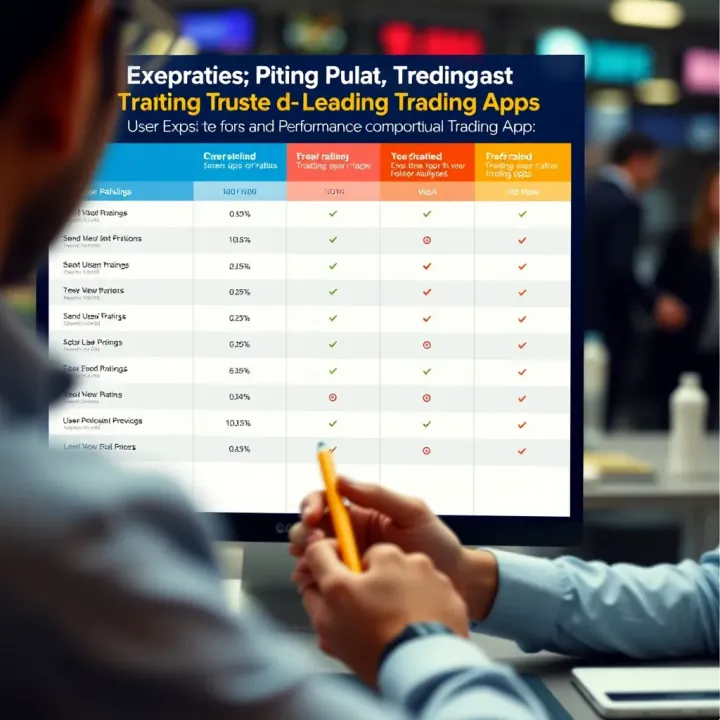
🔍 Looking for a trusted trading app in India? Discover key features, security tips, user experience insights, and compare top apps for smarter investing 📈
Explore top low investment trading apps in India 📱 Learn key features, benefits, risks, and get practical tips to start trading with minimal capital today!
Looking for the most reliable trading app in India? 📱 Discover key features, security tips, and user experience advice to pick the best platform confidently.
Based on 9 reviews