

Best Trading Apps in India with Low Deposit Needs
Discover top trading apps in India with the lowest deposit requirements 💰. Compare features, pros, and tips to start investing smartly and safely today 📈.
Edited By
Thomas Wright
When you're stepping into the world of trading, especially in India, starting small can be a wise choice. Minimum deposit trading apps are the perfect gateway for anyone looking to enter the market without throwing in a hefty sum upfront. These apps let you begin trading with a small initial amount, making the whole process less intimidating for beginners and manageable for those who want to test the waters.
Why does this matter? For many Indian traders, accessibility and affordability are crucial. Not everyone can or wants to invest large sums right away. Minimum deposit apps lower the barrier to entry, allowing more people—including students, new investors, or those with limited funds—to participate actively in financial markets.
In this article, we'll cover the essentials you need to know before choosing a minimum deposit trading app: from understanding what minimum deposits really mean, to key app features that make a difference, popular options available in India, and safe trading tips to protect your money. By the end, you'll be equipped to pick the right trading app that fits your budget, goals, and trading style.
Getting started with the right app can save you from costly mistakes and give you a smoother ride toward financial growth.
Let’s jump into the nuts and bolts of minimum deposit trading and figure out how you can make the best choice without getting overwhelmed or overspending.
Grasping the concept of minimum deposit trading apps is a must for anyone stepping into the Indian trading scene with limited capital. These platforms allow traders to begin investing or speculating with a relatively small initial amount, making the financial markets more accessible. By understanding these apps, traders not only save money upfront but also get a chance to test the waters before diving in deep.
The term "minimum deposit" refers to the least amount of money required to open and maintain an active trading account on a platform. For example, if an app requires a minimum deposit of ₹500, that’s the smallest sum you need to start trading. These deposits act like a threshold, ensuring that users are serious about trading while also covering the broker’s operational expenses.
Ultimately, minimum deposits vary widely across platforms. Some apps, like Zerodha, might ask for a higher deposit due to their advanced offerings, while others such as Upstox or Groww might allow you to start with as little as ₹100 or ₹200. It’s important to note that a smaller deposit doesn't mean limited trading opportunities; rather, it can be a stepping stone to learn and practice without risking too much money.
Your initial deposit can shape the scope and quality of trading experiences. A higher deposit might unlock access to a broader range of asset classes, leverage options, or advanced trading tools. Conversely, with a lower deposit, you may find certain features or markets restricted, which limits your choices but helps keep risk manageable.
Take, for instance, a trader who deposits ₹1000 into an app like Angel Broking. They can trade in equities, commodities, and currencies but might not qualify for higher leverage or margin benefits that larger deposits enable. Whereas platforms like 5Paisa offer very low minimum deposits but concentrate mostly on equity options and limit niche instrument access.
Remember, the minimum deposit sets the tone for your trading journey—start with the right amount that matches your financial comfort and trading goals to avoid hitting frustrating roadblocks later.
In the following sections, we’ll explore these aspects further, helping you make a well-informed choice when picking your minimum deposit trading app in India.
Using minimum deposit trading apps offers a practical way for many traders in India to step into the world of investing without burning a hole in their pockets. These apps break down barriers, making trading accessible to almost anyone willing to learn — from college students to working professionals. The benefits go beyond just saving money; they include opportunities to gain hands-on experience and to experiment with trading methods safely.
One of the biggest draws of minimum deposit trading apps is that they don’t require a big upfront investment. For example, apps like Zerodha and Upstox offer deposit amounts as low as ₹100, which means you don’t need to wait for a hefty sum to start trading. This smaller financial barrier encourages beginners to enter the market without the stress of risking large amounts.
By lowering the entry cost, these apps also open doors for people from diverse financial backgrounds. Imagine a young professional in Bangalore wanting to grow savings steadily; rather than sitting out of the market, they can start with just a few hundred rupees. This low threshold also makes it easier to diversify across different assets without going all-in on one trade.
Minimum deposit apps often come with features that support learning, such as demo accounts and educational resources tailored to Indian markets. Using demo accounts on platforms like Angel Broking or 5paisa allows new traders to practice without risking real money. This hands-on experience is invaluable—real-time market exposure helps users grasp concepts like market trends, order types, and risk management.
It’s like learning to drive on an empty road before hitting peak city traffic. When people make small trades in these simulated environments, they build confidence and minimize costly mistakes when moving to actual investments. Apps that also provide articles, videos, and webinars tailored to Indian regulations and market conditions add further value for those keen to sharpen their skills.
Another benefit is the ability to explore and test different trading methods without significant risk. Since the deposit is low, traders can try strategies like day trading, swing trading, or value investing on a smaller scale. For instance, someone interested in short-term trades might experiment with momentum strategies using ₹500 deposits until they find what fits their style.
This flexibility is important because no one strategy fits all markets or personalities. Being able to experiment on apps like Groww or ICICI Direct with low funds means traders aren’t bound to a single approach, lowering the chance of big financial losses early on. It’s a practical way to learn what works best before scaling up investments.
Starting small with minimum deposit trading apps not only shields your savings but also offers a playground to sharpen your trading instincts and avoid rookie blunders.
In summary, minimum deposit trading apps in India make financial markets approachable and less intimidating. They reduce entry costs, encourage learning through practice, and create safe spaces for testing diverse strategies. These perks combine to create a smoother and smarter introduction to an otherwise complex and risky financial world.
Picking the right trading app, especially when you're starting with a low deposit, means knowing which features truly matter. These features aren't just shiny extras—they directly influence your trading experience, your safety, and your potential to learn and earn.
A clean, intuitive interface is a lifesaver, particularly for beginners. Imagine opening an app cluttered with confusing menus and complicated charts—it’s like trying to read a map upside down. Apps like Zerodha's Kite and Groww are popular in India partly because they offer straightforward navigation. A good trading app should let you place trades, check your portfolio, and access charts without jumping through hoops. Look for apps where buttons are well-labelled, the layout adapts well to mobile screens, and loading speeds are quick enough so you don't miss market moves.
The variety of assets you can trade matters a lot. Some apps limit you to just stocks or commodities, but a versatile app opens doors to equities, derivatives, forex, mutual funds, and even cryptocurrencies. For example, Upstox offers a broad spectrum—giving traders more room to explore different markets with the same account. Having a wider selection helps you diversify your investments, which is a smart way to spread risk especially when starting small.

This is non-negotiable. When you move money online, you want to be sure your funds and personal information are safe. Look for apps that comply with guidelines from regulators like SEBI in India, and check if they use two-factor authentication (2FA), encryption, and secure servers. Just because an app has a low deposit doesn't mean it should cut corners on security. Popular names like ICICI Direct and 5Paisa are known for strong regulatory compliance, giving users peace of mind.
Always verify if the trading app is registered with SEBI and adheres to best practices in data protection.
Even the best apps can leave you scratching your head at times. Responsive customer support is invaluable, whether it’s live chat, phone support, or a robust help center. Apps like Zerodha provide extensive educational content—from articles to detailed webinars—that help you sharpen your trading skills. This support can make a big difference, especially if you’re starting with a minimum deposit and want to grow steadily without making avoidable mistakes.
Selecting an app with these key features tailored for low deposit trading can make your start smoother, safer, and more productive. Keep these points in mind to avoid getting stuck with an app that looks good on paper but leaves you hanging when it counts.
Choosing the right trading app often comes down to what’s popular and well-reviewed among Indian users, especially when you’re working with limited capital. Popular apps typically offer a good balance of usability, features, and support — which becomes even more important when your deposit is low. They usually stand out by providing easy entry points without compromising security or trading options.
Popularity can mean these apps have ironed out kinks and bugs over time, offering smoother user experiences and reliable customer service. For example, Zerodha’s Kite app has gained traction due to its minimal deposit requirements and a clean interface tailored for both beginners and seasoned traders. Similarly, Upstox appeals by allowing a modest initial deposit combined with access to a broad asset range.
In an environment where every rupee counts, the popularity of a minimum deposit trading app often signals trustworthiness and practical benefits, which can save you plenty of headaches down the line.
When diving into specific categories, Indian traders often look for apps with the lowest deposit barriers, demo accounts for risk-free practice, and flexible payment methods to fit their banking preferences.
For traders with a tight budget, apps that let you start with as low as ₹100 can be a lifesaver. Groww, for example, allows new investors to enter with minimal initial funding and offers access to stocks, ETFs, and mutual funds. Another clear choice is Angel One, which offers zero brokerage on delivery trades and requires a small deposit to kick things off.
These platforms show that starting small doesn’t mean you get shortchanged on services. They usually support a wide variety of investment options while keeping that entry point wallet-friendly. This approach is perfect if you're testing the waters or want exposure without committing big money right away.
Trying out trading strategies without risking real money is a smart strategy, and some apps cater perfectly to this. For instance, Upstox offers a demo trading feature where users can simulate real-market conditions. Similarly, 5paisa provides an excellent paper-trading environment to help novices build confidence.
Demo accounts let you stumble and learn without the sting of financial loss. This practice ground is invaluable before scaling up your investments. It also helps traders familiarize themselves with the app interface and features, critical when time-sensitive decisions are involved.
Flexibility in funding your account is a must-have for modern traders. Apps like Zerodha and Groww support a range of payment options, from UPI and net banking to wallets and even IMPS transfers. This variety means you can top up your trading account whichever way suits your daily banking routine best.
Multiple payment options also speed up the deposit process, reducing the waiting time before you can start trading. It’s especially helpful during market openings or fast-moving sessions when timing your moves becomes a game of seconds. Having multiple easy funding routes is a convenience that can make a noticeable difference.
In sum, popularity of minimum deposit trading apps in India often mirrors their ability to offer low entry points, risk-free learning through demos, and versatile payment methods. These factors combined can make trading more accessible and less stressful, especially for beginners or those trying to manage smaller amounts wisely.
Knowing how to open and fund an account efficiently is essential for anyone diving into trading with minimum deposit apps. It’s not just about knowing the steps but understanding the practical aspects like payment options and identity verification to ensure a smooth start. This section breaks down the process, highlighting what to expect and how to avoid common hurdles.
Opening an account on a minimum deposit trading app typically follows a straightforward path, but it does require careful attention to detail. First, you’ll download the app from a trusted source like the Google Play Store or Apple App Store. After installing, you initiate the registration by providing your email and creating a strong password.
Next, you’ll fill out your personal details — name, date of birth, contact number, and sometimes even your PAN or Aadhaar number — because Indian regulations require identity verification for trading accounts. Some platforms also ask for your experience level to tailor the app’s features to your needs. Finally, review and accept the terms and conditions before submitting your application. Most apps will then prompt you to fund your account before you can start trading.
Remember, missing a step or rushing could delay your ability to trade, so go through each part carefully.
When funding your account, the variety of payment methods can make or break your experience. Most minimum deposit trading apps in India support widely popular options such as UPI (Unified Payments Interface), net banking, credit and debit cards, and popular wallets like Paytm or PhonePe. For example, Zerodha allows quick UPI transfers that get credited almost instantly, which is super convenient when you want to act fast.
Sometimes, apps offer bank transfer options, but these can take longer than digital payments. It's worth noting that some apps might impose limits or fees on certain payment methods, so checking those details beforehand can save you from surprises.
Always choose a deposit method that you’re comfortable with and which offers fast processing times, especially if you want to capitalize on sudden market moves.
Identity verification may feel like a chore, but it's vital for protecting your money and complying with the Securities and Exchange Board of India (SEBI) regulations. Most apps will ask for documents like a PAN card, Aadhaar card, proof of address, and a selfie or video for facial recognition.
Always upload these documents directly through the app’s secure interface rather than emailing or uploading through third-party services to reduce the risk of data theft. For instance, Groww and Upstox use encrypted channels to submit your documents, keeping your data secure.
If you ever get requests for extra information, make sure they come from official channels. If unsure, it's safer to contact the customer service through the app’s verified number or chat support. Skipping or falsifying verification can not just put your account on hold but also expose you to scams.
Getting these basics right when opening and funding your account sets the foundation for a smoother trading experience, especially with low deposit platforms where every rupee counts. Step carefully, choose your payment methods wisely, and keep your data secure to make the most of your trading journey.
Trading with a minimum deposit can be a practical way to enter the market without putting in a lot of money upfront. However, just because your initial investment is small doesn't mean you should cut corners or dive in blind. Following smart strategies can help protect your capital and improve your chances of growing your investment, even when starting on a shoestring budget.
When you trade with a minimum deposit, it's tempting to go all in, hoping for a quick profit. But the safe route is to start small and keep a close eye on your risk exposure. For example, if you deposit ₹5000 on an app like Upstox or Groww, consider allocating only a fraction of that, say ₹500-₹1000, to any single trade. This way, a few bad trades won’t wipe out your account. Use stop-loss orders to cap potential losses. This kind of risk management helps you weather the ups and downs, especially when your cushion is thin.
Many trading apps, such as Zerodha's Kite or Angel Broking, offer demo accounts that let you practice trading without risking real money. This is a golden opportunity to get comfortable with the app interface, test out different strategies, and understand market behavior. For beginners, using a demo account helps reduce costly mistakes in a live market. You can treat it like a sandbox where you’re free to experiment and learn before committing your hard-earned cash.
Fees can quietly drain your profits if you're not careful. Each app has its own fee structure — brokerage charges, transaction fees, GST, and more. For example, Zerodha offers flat ₹20 or 0.03% per trade, whichever is lower, while 5paisa charges flat ₹20 per executed order. If you’re making frequent small trades with a minimum deposit, these fees add up quickly and can eat into your gains. Take time to compare the fee schedules of different apps and factor those costs into your trading plan. Knowing where and when you get charged will help you avoid surprises and optimize your profits.
Always remember, starting small doesn’t mean thinking small. Careful planning and using the right tools can turn a tiny investment into a meaningful trading experience.
Following these tips will help you trade more confidently with minimum deposit apps and keep your exposure in check. Armed with patience and smart money management, you can make even small investments count in India's growing trading market.
Navigating the world of low deposit trading apps in India can be tricky. While these platforms offer a tempting entry point for new traders with limited funds, they aren't always straightforward. Avoiding common pitfalls is crucial to protect your investment and make the most out of your trading experience. It’s not just about finding the cheapest app; it’s about finding a trustworthy and transparent one.
One of the biggest risks with low deposit apps is the possibility of landing on unregulated platforms. These are services that operate without proper approvals from financial authorities like the Securities and Exchange Board of India (SEBI). Using such apps can put your funds at serious risk because they lack oversight, making it easier for dishonest operators to take advantage.
For example, some apps might promise huge returns with little effort but have no backing or accountability. It’s like handing your money to a stranger without a safety net. Always check for SEBI registration or indications that the platform complies with Indian financial rules. Apps like Zerodha and Upstox are good benchmarks since they’re regulated and familiar to Indian traders.
Low deposit apps often advertise minimal costs upfront, but that doesn’t mean you won’t face unexpected fees later on. These might include withdrawal charges, inactivity fees, or even commissions that aren’t clearly stated in the beginning.
Imagine signing up thinking you’ll only put in ₹100 to test the waters, and then you find out withdrawing your earnings costs ₹200! Some platforms sneak in charges for things like data access or premium features too. Always read the fine print and check user reviews to spot potential hidden costs before committing your money.
Scams can be quite slick and hard to spot, especially if you’re new to trading. Common red flags include unrealistic profit guarantees, pressure to deposit more money quickly, unsolicited calls or messages, and lack of clear contact information.
For instance, if an app keeps pushing you to upgrade to a "premium plan" without explaining what benefits you really get, it’s a warning sign. Also, be wary if customer service is hard to reach or vague about procedures.
Remember: Legitimate trading apps will never promise guaranteed returns or push you into fast decisions. They’ll provide clear, accessible information and respect your choices.
Understanding these pitfalls can save you from potential losses and headaches. By sticking to regulated platforms, reading fine print carefully, and staying alert to scam signals, your path in low deposit trading apps becomes safer and more rewarding.
Regulation plays a huge role in shaping how trading apps operate, especially when it comes to minimum deposit requirements and overall user safety. For Indian traders, understanding these rules helps avoid costly mistakes and keeps investments secure. Without proper oversight, apps might push low deposit limits just to lure users, often cutting corners on security or transparency. Regulatory bodies set standards that trading platforms must follow, ensuring a fair playing field for everyone.
India's Securities and Exchange Board of India (SEBI) is the primary watchdog overseeing trading platforms, including apps that allow stock and commodities trading. SEBI establishes guidelines on everything from advertising standards to transaction security. Another important body is the Reserve Bank of India (RBI), which monitors banking and payment systems, crucial when depositing funds into these apps.
For example, SEBI requires brokers and trading platforms to register and maintain capital adequacy norms. These rules prevent fly-by-night operators who might suddenly vanish with users’ deposits. The presence of these regulators means your app is likely to follow strict disclosure and operation standards.
Keep in mind: Apps regulated by SEBI and RBI are generally safer and more trustworthy because they follow stringent rules designed to protect you.
When you choose a regulated trading app, you’re not just getting a place to trade; you're getting a platform that has to safeguard your money and personal data. For example, these apps must keep clients' funds separate from their corporate accounts, reducing the risk of misuse.
Data security is another area where regulations have teeth. SEBI mandates strong encryption and safe data handling practices. This means your personal details — like PAN and bank account info — are protected against leaks or hacking. In contrast, unregulated apps might lack these protections, putting you at a higher risk for identity theft or financial fraud.
Consider Zerodha and Upstox, two SEBI-regulated trading platforms popular in India. Both have detailed privacy policies and use secure payment gateways, giving users extra peace of mind. On the flip side, some offshore apps with low deposit requirements have faced criticism for weak security, which shows why regulation matters.
In sum, knowing the role of regulation can help you pick minimum deposit trading apps that don’t just fit your budget but also are reliable and secure. Don’t let a tempting low deposit limit overshadow the importance of safety and legitimacy.
Discover top trading apps in India with the lowest deposit requirements 💰. Compare features, pros, and tips to start investing smartly and safely today 📈.
Discover the best minimum investment trading apps for Indian investors 📱 Learn about their features, benefits, and smart tips to start investing with ease and low risk 💡
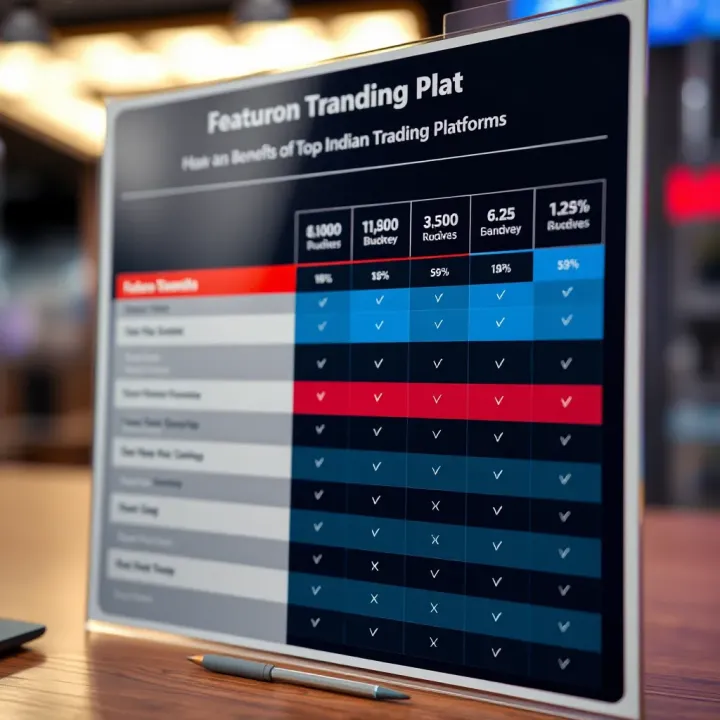
Discover top online trading apps in India 📈. Learn key features, security tips, and find the best platform to suit your trading goals with ease.

📈 Discover the most popular trading apps in India, their features, costs, and ease of use to find the perfect fit for your trading style and needs.
Based on 7 reviews