
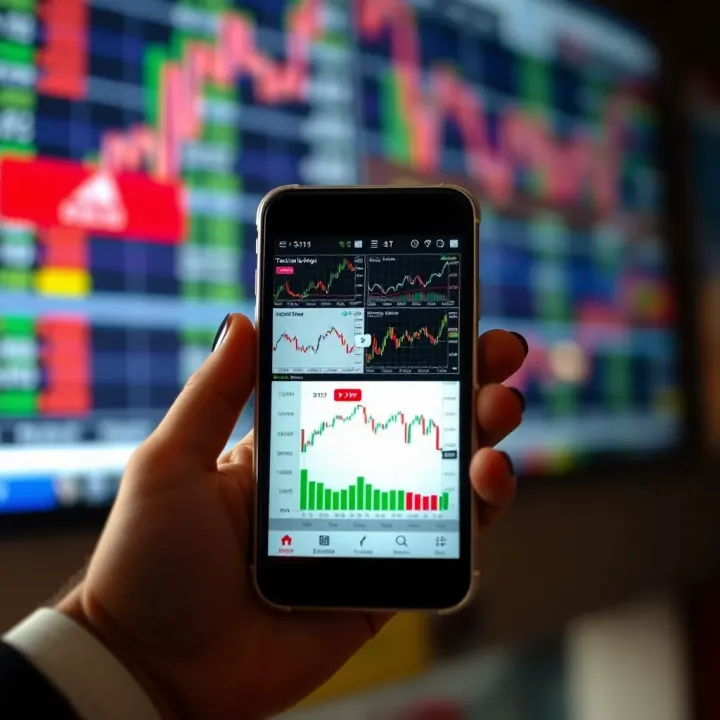
Popular Trading Apps in India: Features and Tips
Explore top trading apps in India 📱 Compare features, fees, and ease of use to pick the right one for your investment style. Start trading smarter today!
Edited By
Victoria Shaw
Mobile trading apps have become the go-to platform for many Indian investors and traders. With markets evolving fast, having the right app can make all the difference in executing timely trades and managing portfolios effectively.
When looking for a trading app, focus on user experience. An app should load quickly, have a clean interface, and make navigation intuitive — especially during volatile market hours when every second matters. For example, Zerodha's Kite app scores high for simplicity and speed, which appeals to both beginners and experienced traders.

Security is another major factor. Trading apps deal with sensitive data and money, so features like two-factor authentication (2FA), biometric login, and encryption are essential. Many Indian brokers, such as ICICI Direct and HDFC Securities, offer strong security protocols to protect customer accounts.
Brokerage costs also influence choices. Some apps charge flat fees per trade while others offer percentage-based charges. For instance, Upstox provides competitive brokerage plans that can help reduce overall expenses for active traders.
The range of instruments available within the app matters too. Beyond equities, check if the app supports trading in derivatives, mutual funds, bonds, or IPOs. The inclusion of multiple asset classes allows investors to diversify without switching platforms.
Finally, robust customer support can save you from headaches. Look for apps with quick resolution times and accessible help channels like chat, phone, or email. This ensures you can resolve issues—be it order placement or technical glitches—without delays.
Choosing a dependable trading app is not just about features but how well they align with your trading style and requirements.
In summary, consider usability, security, brokerage plans, product variety, and support while selecting a mobile trading app. By weighing these factors carefully, you position yourself to trade with confidence and convenience in India's dynamic markets.
When choosing a mobile trading app, certain features stand out because they directly impact your trading experience and outcomes. A well-designed app should help you trade efficiently without getting bogged down by complex menus or sluggish performance. Whether you are an experienced trader or a beginner, focusing on key aspects like user interface, market data availability, and order execution speeds will help you make more informed decisions quickly.
A straightforward interface is the backbone of any good trading app. Imagine rushing to place a trade when markets are volatile – cluttered screens and hidden buttons can cause delays and errors. Apps that present important features such as buy/sell buttons, portfolio overview, and market watch prominently reduce the time spent searching for them. For example, Zerodha’s Kite app is popular partly because its clean layout lets users jump straight into trading without hunting for tools.
Personalising your dashboard helps keep your focus where it matters most. Many traders follow specific stocks or sectors; a watchlist tailored to these interests saves precious minutes that one would otherwise spend scrolling. Also, customisable widgets allow you to arrange charts, news feeds, and order books in the order you prefer, creating an efficient workflow. For someone following the Nifty 50 closely, having the index and favourite stocks side-by-side is a practical advantage.
Access to up-to-the-second price movements is non-negotiable in trading. An app that offers live charts with multiple time frames, technical indicators, and drawing tools equips traders to spot trends and reversals promptly. Without accurate real-time data, decisions may lag and cause missed opportunities or losses. For instance, apps like Upstox provide live streaming data ensuring you stay ahead in fast-moving markets.
The bigger picture often comes from reliable news and expert opinions integrated within the app. Regular updates on global and domestic events, regulatory changes, and company announcements help you adjust strategies. Expert analysis and market commentary available within the app save time spent browsing multiple sources. This adds value especially during earnings season or RBI policy announcements when word-of-mouth or social media rumours run rife.
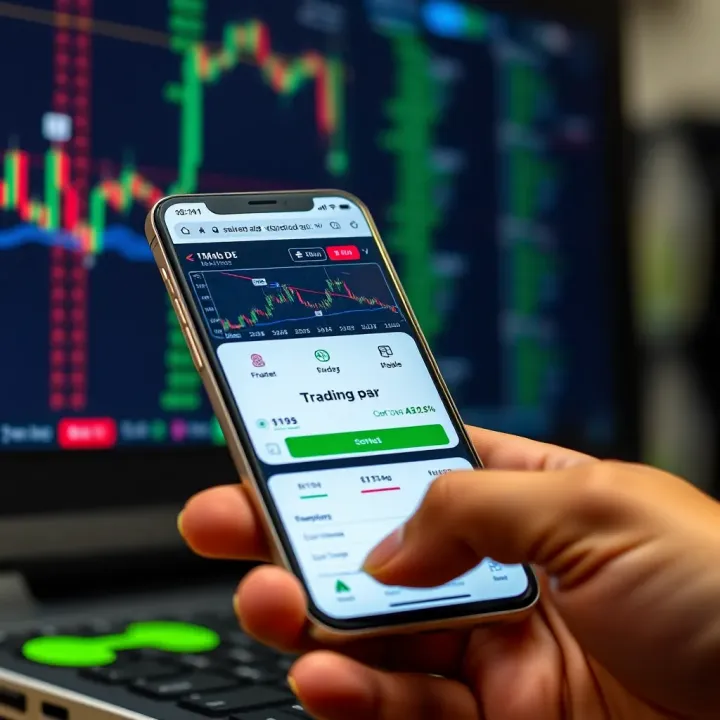
How fast your order reaches the exchange can affect profitability, especially in day trading or large volume transactions. Delays in order processing might mean getting a poorer price or failing to execute the trade altogether. Apps that directly connect to exchanges and have minimal server lag offer an edge. For example, experienced traders often prefer platforms that do not route orders through multiple layers as it reduces processing time.
Flexibility in order types enables better control over your trades. Market orders fill instantly but might suffer from price slippage during volatility. Limit orders help you set a desired price, useful while buying undervalued stocks or selling at resistance. Stop-loss orders limit your downside, crucial in protecting profits, especially in volatile Indian markets. A trading app supporting all these provides a more comprehensive approach to risk and trade management.
Choosing the right trading app isn’t just about flashy features; it’s about reliable tools that match your trading style and help you stay ahead effortlessly.
In short, look for an app that balances simplicity with powerful features, offers timely market information, and supports quick, diverse trade executions. These elements make a real difference when money is on the line and markets move fast.
Security should be a top priority when selecting a mobile trading app in India. With rising cyber threats and increasing financial fraud cases, a secure trading platform helps protect your personal data and investments. Regulatory compliance ensures that the app meets the standards set by Indian authorities, reducing the risk of misuse or malpractices. Ignoring this can lead to losses not only from market trades but also through data breaches or unauthorised access.
Use of two-factor authentication (2FA) adds an extra layer of security beyond just a password. When enabled, it requires users to verify their identity through a second method—often a one-time password (OTP) sent to their registered mobile number or email. This prevents hackers from accessing accounts with stolen credentials alone. For example, Zerodha and Upstox use 2FA to ensure that even if someone knows your password, they will need the OTP to log in or make transactions.
Secure login and transaction protocols are vital for preventing data leaks during app use. Trading apps rely on encryption methods such as HTTPS and end-to-end encryption to protect the data transferred between your device and their servers. Without these protocols, sensitive information like your PAN card details, bank account data, and trade orders could be intercepted by malicious actors. Popular apps like Angel Broking and ICICI Direct prioritise encryption and regularly update their systems to tackle newly discovered vulnerabilities.
SEBI registration and compliance ensure that the trading platform operates under the watchful eye of the Securities and Exchange Board of India (SEBI). SEBI registration is mandatory for brokers and trading apps to operate legally. It means the app complies with regulations designed to protect investors, including transparency and fair trade execution. Before choosing an app, verify its SEBI registration number; this can typically be found on the app's official website or SEBI's published list. Apps without this are not only risky but may be illegal.
Broker and app credibility in Indian markets is equally critical. A well-established broker with a good track record generally provides a safer trading environment and better customer service. For instance, platforms like Kotak Securities or Sharekhan have built trust over years by combining regulatory compliance with solid user experiences. Besides physical presence, check user reviews and media reports about any history of fraud, delayed withdrawals, or system downtimes. This practical diligence helps you pick a reliable partner rather than taking chances with new or unverified apps.
Remember, a trading app might offer attractive features, but without robust security and regulatory backing, your money and data could be at risk. Prioritise apps with strong protection measures and verified credentials.
Choosing the right app with solid security and proper regulatory approvals pays off in peace of mind and safer investments.
When choosing a mobile trading app in India, understanding brokerage fees and other charges is key to managing your investment costs effectively. These fees directly eat into your profits, so comparing them can save you thousands rupees over time.
Brokerage firms often follow two main charging models: flat fee or percentage-based fees. For instance, Zerodha charges a flat fee of ₹20 per trade regardless of volume, while ICICI Direct applies a percentage cut based on the transaction value. Frequent traders typically benefit more from the flat fee model as it caps costs, meaning you won't pay more for large trades. On the other hand, occasional traders might find percentage-based charges more flexible since smaller trades attract lower fees.
Besides basic brokerage fees, investors should watch out for hidden costs such as Depository Participant (DP) charges and transaction charges. DP charges cover the cost of holding securities electronically; for example, many brokers levy an annual DP fee of ₹300 to ₹600. Additionally, exchanges and clearing corporations impose transaction charges per trade, which brokers might pass on to clients. These extra costs add up silently, so check a broker’s complete fee breakdown, not just the headline brokerage rate.
Annual Maintenance Charges (AMC) apply to demat accounts and some trading accounts, covering administrative expenses. Brokers like HDFC Securities might ask for an AMC ranging from ₹300 to ₹750 yearly. While this fee seems minor, it affects investors holding accounts inactive for long periods or those trading on a smaller scale.
Penalties and inactivity fees are other important considerations. Some apps charge a penalty if your account remains inactive for several months. For example, if you don’t place trades or log in regularly, you could face ₹100 to ₹500 penalties every quarter. Such charges discourage account dormancy but surprise many investors unaware of these policies. Always check the app’s fine print to avoid unexpected costs.
Carefully assessing all fees—not just brokerage—helps you choose a trading app that fits your trading style and reduces unnecessary expenses. This approach ensures your gains are not eaten away by hidden or avoidable charges.
By weighing flat versus percentage fees, hidden transaction costs, AMC, and penalties, you can pick a mobile trading app that suits your needs without burning a hole in your pocket.
Choosing a mobile trading app with a broad range of investment options allows you to diversify your portfolio and respond to market shifts without switching platforms. This flexibility is particularly useful for Indian investors who might want to explore various asset classes from a single app, combining convenience with wider market access.
Trading in stocks, futures, and options is the core of many trading apps. Stocks give you ownership in a company, like holding shares in Tata Consultancy Services (TCS) or Reliance Industries. For those looking to speculate or hedge risks, futures and options provide tools to do so, especially in volatile markets.
Apps offering real-time trading in stocks and derivatives help you act swiftly. For instance, if Nifty futures are expected to dip due to global trends, you can place timely orders to maximise gains or limit losses. Support for multiple order types—market, limit, stop-loss—is essential to implement diverse trading strategies effectively.
Direct mutual fund investments have gained traction as a hassle-free way to invest systematically. Many Indian mobile apps now allow direct investments in mutual funds without involving distributors, lowering expense ratios and increasing returns.
This is suited for buy-and-hold investors seeking steady growth with less active management. For example, using an app to invest in large-cap or balanced mutual funds like HDFC Equity Fund or ICICI Prudential Bluechip Fund lets you build wealth gradually. The convenience of tracking and switching funds from your phone simplifies portfolio management.
Availability of gold, silver, and other commodities on mobile apps offers investors a chance to hedge against inflation and currency fluctuations. Gold trading is particularly popular in India due to cultural and financial reasons. Apps that support commodity trading enable you to buy and sell gold ETFs or futures directly, giving liquidity and price transparency.
Silver and crude oil futures also attract traders who track demand-supply cycles and geopolitical events. Having these options on a mobile platform saves the need to juggle multiple interfaces, especially during market volatility.
Forex and currency futures options represent a niche but growing market for Indian traders. Access to currency pairs like USD/INR, EUR/INR, and GBP/INR through your app allows hedging against exchange rate risks or speculating based on economic developments.
Currency futures help exporters, importers, and traders mitigate adverse movements in the rupee value. For example, an exporter expecting USD receipts three months ahead might enter into a futures contract via a trading app to lock in the current rate, avoiding currency losses. Apps that provide real-time rates and derivatives on these pairs offer practical value for such users.
Opting for a mobile trading app with diverse investment choices — stocks, derivatives, mutual funds, commodities, and currency futures — empowers you to balance risk and returns while adapting quickly to India's dynamic markets.
When choosing a mobile trading app, solid customer support and genuine user feedback are key. A trading app may look good on paper, but how quickly and effectively it handles your queries can make all the difference in real trading conditions. Beyond technical features, these factors give a real-world picture of reliability and service quality.
Access to multiple support channels like phone, email, live chat, and social media ensures you can get help however suits you best. For example, if your order isn't executing properly during market hours, an instant live chat might resolve it faster than email. Meanwhile, phone support can provide a more detailed explanation for complex issues. Response times across these channels vary by app, so prioritise apps known for quick and helpful replies.
Support availability in regional languages matters a lot in India. Many traders prefer communicating in Hindi, Tamil, Telugu, or other native tongues rather than English. Apps offering customer care in popular regional languages widen accessibility and make it easier for first-time or less tech-savvy investors to get assistance without confusion.
Customer reviews dive into day-to-day experiences that official app descriptions often omit. Common issues that users flag—like app crashes during volatile markets, sluggish order execution, or hidden fees—are warning signs. For instance, several users reporting downtime during peak hours is a red flag for a trading app.
Besides complaints, pay attention to recent updates and feature improvements reflected in user reviews. An app that regularly releases updates is likely working on fixing bugs and adding useful tools. Take Zerodha’s Kite app, for example, which frequently updates its charting tools and user interface based on user input. Such continual development adds confidence in long-term usability.
Always weigh both the quantity and quality of reviews. Hundreds of average ratings matter less than a few detailed critiques and praise highlighting real strengths and weaknesses.
In summary, customer support and user feedback provide insights beyond technical specs. They show how an app performs as a service platform and hint at its reliability during critical moments. Choosing an app with responsive support and positive user experiences will save time and frustration as you trade smarter.
Explore top trading apps in India 📱 Compare features, fees, and ease of use to pick the right one for your investment style. Start trading smarter today!
Explore top trading apps in India 📱, their features, benefits, and security. Find the right platform for smooth, safe, and supported trading today!
📱Explore top mobile trading apps in India! Learn about features, security, market access & expert tips to trade smarter and overcome common challenges.

Explore key features and security of official trading apps 📱. Learn how to pick the best platform for stock and commodity trading in India 🇮🇳.
Based on 10 reviews