
Complete Guide to Reading Candlestick Patterns
📈 Master candlestick patterns to spot market trends and boost your trading strategies. From basics to advanced, learn to read signals confidently! 🔍
Edited By
Jack Mason
Candlestick and chart patterns form the backbone of technical analysis in stock trading. They offer visual clues about market sentiment, helping traders and investors make informed decisions. Instead of relying on gut feelings alone, recognising these patterns provides a systematic approach to decode price movements on Indian stock exchanges like the NSE and BSE.
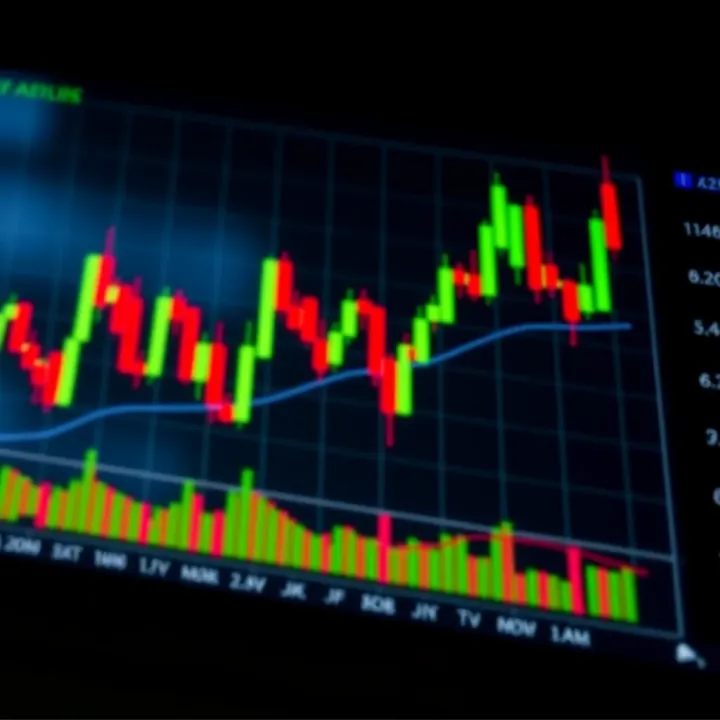
Candlestick charts, introduced by Japanese rice traders, display price action within a specific timeframe, such as one day or one hour. Each candle captures four price points — open, high, low, and close — offering a snapshot of market behaviour. For example, a long green (or white) candle signifies strong buying interest, whereas a long red (or black) candle suggests selling pressure.

On top of candlesticks, chart patterns emerge when prices organise into specific shapes or setups over days or weeks. Familiar examples include the "head and shoulders," signalling a potential trend reversal, or the "double bottom," hinting at a price bounce after a downtrend. Indian traders use these to anticipate price direction and plan entry or exit points accordingly.
Recognising patterns alone won't guarantee profits, but combining them with volume data and overall market context improves the odds significantly.
To make learning easier, practical PDF resources summarise common candlestick shapes and chart formations. These compact guides serve as quick reference tools during live market analysis.
Candlesticks show price fluctuations within chosen timeframes
Chart patterns form when candlesticks collectively create identifiable shapes
Volume should confirm patterns for reliable signals
Patterns differ in bullish or bearish context
By mastering these basics, Indian traders—from beginners to those seasoned in markets—can better navigate volatile sessions, spot opportunities early, and manage risks effectively. This section sets the stage for a deeper dive into patterns that shape daily market decisions.
Candlestick patterns hold a key place in understanding market behaviour, especially for traders and investors aiming to spot price movements early. These patterns reflect the battle between buyers and sellers during a trading session, offering visual cues to predict future trends. Focusing on candlestick basics helps build a solid foundation to interpret more complex signals later.
Candlestick charts originated in Japan around the 18th century, pioneered by rice traders. These traders developed the method to better visualise market psychology beyond simple line graphs, capturing the open, close, high, and low price points within a set period. This historical approach is still in wide use today, helping traders decode price action effectively.
A single candlestick represents price movement for a particular time frame—be it daily, hourly, or minute-wise. Each candlestick has three main parts:
Body: The difference between opening and closing prices. If the close is higher than the open, the body typically shows bullish sentiment; vice versa indicates a bearish move.
Wicks (or shadows): Thin lines extending above and below the body, showing the highest and lowest prices reached during the period.
For example, a long lower wick with a small body near the top can suggest buying pressure pushing prices up after a dip.
Candlesticks come in three basic types to interpret market mood:
Bullish patterns: Indicate rising price momentum, such as a hammer or bullish engulfing.
Bearish patterns: Signal potential declines, like shooting star or bearish engulfing.
Neutral patterns: Show indecision, often represented by doji candles where open and close prices are almost equal.
Understanding these basics allows traders to quickly assess whether buyers or sellers are dominating.
Candlestick patterns act like windows into market sentiment, revealing trader psychology at any moment. For instance, a long-bodied bullish candle after a downtrend could imply a reversal, as buyers have stepped in strongly. Recognising these sentiments helps traders decide when to enter or exit positions.
Patterns also aid in forecasting price reversals or trend continuation. A cluster of three white soldiers (three consecutive bullish candles) often indicates strong upward momentum, encouraging traders to hold or buy. Conversely, an evening star pattern might warn of an impending drop.
However, candlestick patterns aren’t foolproof. Their reliability depends on context, volume confirmation, and other technical indicators. Sometimes, a pattern fails due to sudden news or market manipulation. Traders must use them alongside risk management tools and not rely solely on patterns for decisions.
Tip: Always combine candlestick analysis with other tools like moving averages or volume data to improve accuracy.
In a nutshell, mastering candlestick patterns equips you to read price charts fluently, much like a local street vendor recognising customer moods in the bustling bazaars of India. This understanding dramatically improves trading decisions in Indian markets or anywhere else.
Recognising common candlestick patterns helps traders and investors quickly gauge market sentiment and potential price movements. These patterns act like signposts on charts, guiding decisions on whether to buy, sell, or hold. While no pattern guarantees outcomes, understanding them plus market context improves trading choices significantly.
Doji and its variations represent moments of indecision when the opening and closing prices are almost the same. This results in a small or non-existent body, signalling a potential pause or reversal in trend. For example, after a strong uptrend in Sensex stocks, a Doji often warns that bullish momentum might be waning, prompting cautious trading.
Doji variations including the Dragonfly and Gravestone Doji each hint at different market pressures: a Dragonfly Doji may suggest buyers are gaining control, while a Gravestone stresses sellers' dominance. These nuances help you decide on entry or exit points, especially when backed by volume data.
Hammer and Hanging Man look similar but serve opposite purposes. Both have small bodies near the top of the price range and long lower shadows, showing price rejection below. A Hammer appears after a downtrend and signals a possible bullish reversal. For instance, if an Nifty stock shows a Hammer pattern after a decline, traders might expect a bounce, especially near support zones.
In contrast, the Hanging Man occurs after an uptrend, raising caution as it may signal a bearish reversal. If you've been holding a stock with steady gains on Nifty, spotting a Hanging Man means it's time to tighten stop-losses or consider partial profits.

Shooting Star and Inverted Hammer mirror each other but appear in distinct market phases. A Shooting Star forms after an uptrend with a small body near the day's low and long upper shadow, indicating that buyers tried to push prices higher but sellers took control by closing lower. This suggests a potential downturn ahead.
Conversely, the Inverted Hammer emerges in downtrends, hinting at a possible reversal to the upside. It shows buyers beginning to challenge the sellers’ grip. In Indian markets, these patterns gain reliability when seen near key support or resistance levels and confirmed by other indicators.
Bullish and Bearish Engulfing patterns involve two candles where the second completely engulfs the first one’s body. A Bullish Engulfing happens after a downtrend when a green candle swallows a preceding red candle, signalling strong buying pressure and potential trend reversal. For example, if Reliance Industries forms this pattern on daily charts after a dip, it suggests buyers have returned.
The Bearish Engulfing is the opposite: after an uptrend, a red candle overtakes a green candle’s body, warning of possible selling pressure. Traders in Indian equities use this as a sign to exit or hedge positions.
Morning Star and Evening Star are three-candle patterns indicating trend changes. The Morning Star appears after a downtrend with a long red candle, followed by a small-bodied candle (star), and then a strong green candle. This pattern suggests buyers are gaining strength, and prices may rise.
On the flip side, the Evening Star forms after an uptrend and hints at a bearish reversal. It's a signal often used by traders on NSE or BSE-listed shares to time exits or short entries.
Three White Soldiers and Three Black Crows signal sustained momentum in either direction. Three White Soldiers consist of three consecutive long green candles with higher closes, confirming a strong bullish trend. This pattern might encourage entry or holding long positions.
Three Black Crows, with three strong red candles declining successively, warn of continuing bearish pressure. Indian traders rely on these to identify shifts in market mood and plan accordingly.
Recognising these common patterns is like learning the language of the market. When combined with volume and other indicators, they empower you to act with greater confidence, especially in a fluctuating market like India’s.
By mastering these patterns, you gain tools to spot early reversals or confirm trends, helping you stay ahead in trading or investing decisions.
Chart patterns play a key role in technical analysis by helping traders and investors spot potential market moves. Unlike individual candlestick formations, chart patterns focus on the broader price action over longer periods, giving a clearer sense of overall direction and trend shifts. Understanding these can improve your timing for entering and exiting trades.
Chart patterns are formations created by price movements that tend to repeat over time, signalling likely future behaviour. While candlestick patterns look at single or a few bars to grasp immediate sentiment, chart patterns analyse the shape prices form when viewed over days, weeks, or months. This makes chart patterns especially useful for grasping medium- to long-term market trends.
Because chart patterns aggregate multiple price points, they often provide more reliable signals compared to one-off candlestick formations. For instance, a 'head and shoulders' pattern may take several weeks to form, but it’s widely regarded as a strong reversal indicator.
Chart patterns help distinguish between continuation and reversal phases within a market trend. For example, an ascending triangle signals a bullish continuation, suggesting prices are likely to rise. On the other hand, a double top points to a bearish reversal after an uptrend.
Indian traders can apply these patterns in markets like Nifty 50 or Sensex by combining chart recognition with volume and other indicators. Observing pattern formation with volume confirmation adds weight to trend predictions, critical when timing trades in volatile sessions.
These patterns inform better entry and exit decisions by signalling where prices might stall, reverse or continue. For example, entering near the breakout of a symmetrical triangle can grab momentum early, while setting stop-loss just below the pattern’s support limits downside risk.
Exit strategy can also hinge on projected moves from pattern measurements. For instance, measuring the height of a flag pattern can estimate profit targets, helping manage expectations in fast-moving markets.
Recognising and using chart patterns can save you from chasing markets blindly; they offer a systematic way to spot likely turning points and ride trends with clarity.
The head and shoulders is a classic reversal pattern often signalling the end of an uptrend. It consists of three peaks: a higher middle peak (head) flanked by two lower peaks (shoulders). When the price breaks below the neckline connecting the shoulders, a downtrend usually follows. Traders use this to exit long positions or enter short ones.
In the Indian market, this pattern is visible in stocks like Reliance Industries during major trend shifts, guiding prudent trade exits.
A double top forms after an extended uptrend, with price hitting the same high twice before reversing down. Conversely, a double bottom marks a price floor formed after a downtrend, preceding a rise. These patterns signal strong resistance or support zones, helping traders identify reversal points early.
For example, a double bottom on Tata Motors’ chart might indicate a good entry after months of decline.
Triangles reflect consolidation phases where price ranges narrow, foreshadowing a breakout. Ascending triangles have a flat upper resistance line and rising support, favouring upward breakouts. Descending triangles have a flat support and falling resistance, hinting at downward moves. Symmetrical triangles show converging resistance and support lines, signalling uncertainty before a breakout either way.
Recognising these helps in planning trades around the expected breakout, especially in liquid Indian stocks where volume spikes often confirm moves.
Flags and pennants are short-term continuation patterns after sharp price moves, appearing as small rectangles (flags) or small symmetrical triangles (pennants) slanting against the trend. They usually indicate a brief pause before the trend resumes.
These patterns are useful for intraday traders on NSE when quick profit targets are needed, providing clear entry points after a consolidation phase.
Combining chart pattern knowledge with market context and Indian market nuances enables sound, data-backed trading decisions.
PDF guides offer traders a straightforward way to study candlestick and chart patterns at their own pace. Unlike web pages that might require constant internet access, PDFs can be saved on any device, allowing users to refer to them even when offline, such as during commutes or in areas with poor connectivity. This offline convenience is valuable for traders who want to keep honing their skills outside market hours without depending on an internet connection.
Having a PDF makes it simpler to revisit and revise concepts multiple times, boosting retention. This steady exposure helps in recognising patterns quickly when analysing live charts, especially for beginners still familiarising themselves with pattern nuances.
Visual aids in PDFs significantly improve pattern recognition. Traders benefit from coloured charts and annotated examples that highlight key features like trendlines or candlestick wick sizes. Clear illustrations of bullish versus bearish versions of patterns cut down on confusion that can occur when learning purely from text.
For instance, a PDF showing how a hammer forms during a downtrend, with red and green candlesticks distinctly marked, makes it easier to spot this reversal sign in fast-moving markets. Visual cues reinforce learning, reducing guesswork during trading.
Step-by-step explanations break down complex patterns into digestible parts. PDFs often guide readers through recognising entry points, stop-loss placements, and target levels using example trades. This approach works well for beginners who might struggle to connect abstract definitions with practical application.
Such structured guidance enables new traders to build confidence before risking real capital. For example, a section detailing how the "Morning Star" pattern plays out over three days, accompanied by clear action points, helps clarify trading decisions.
Reputable sources like national brokerages (HDFC Securities, ICICI Direct) and financial education platforms often provide free downloadable PDFs. These materials are generally curated by experts and updated to reflect current market conditions and Indian trading specifics, increasing their reliability.
Always check for the publication date and credibility to avoid outdated or oversimplified versions that might mislead traders.
Indian market-specific PDFs account for local trading hours, volatility patterns, and common stocks, making them more relevant than generic international resources. Platforms such as NSE India and BSE India sometimes offer educational materials designed with Indian investors in mind.
Utilising resources that mention market peculiarities like monsoon-driven sector volatility or festive season trends adds practical edge to pattern analysis.
Creating your own quick reference sheets is an effective way to personalise learning. By summarising key patterns and notes from PDFs into concise flashcards or mind maps, traders develop a handy tool tailored to their style.
For instance, jotting down pattern signals alongside favourite stocks or sectors makes spotting opportunities faster during market hours. This habit also encourages active learning rather than passive reading.
Regularly updating your reference sheets based on trading experience solidifies knowledge and sharpens decision-making under pressure.
In all, using well-crafted PDF guides combined with personal notes helps Indian traders gain thorough practical understanding of candlestick and chart patterns, supporting smarter, quicker trading choices.
Understanding candlestick and chart patterns gets you only halfway through trading in Indian markets. The real edge comes from applying these patterns alongside other analysis tools and managing risk wisely. Indian markets can be volatile with sudden swings due to global cues, GDP reports, or policy announcements, so integrating pattern knowledge with practical trading techniques is key.
Volume confirmation often acts as a reality check for patterns. For instance, if a bullish engulfing pattern forms on a stock but with low trading volume, the signal may lack strength. In Indian markets, volume spikes usually confirm genuine interest from traders or institutional investors. For example, Reliance Industries showing a volume surge alongside a breakout pattern can signal a credible upward move.
Moving averages and technical indicators like RSI (Relative Strength Index) or MACD (Moving Average Convergence Divergence) help filter false signals from candlestick patterns. A hammer pattern suggesting a reversal gains more trust if the stock is near a 50-day moving average, which often acts as support or resistance. These tools provide additional context, so you don't rely purely on patterns that could fail due to random price fluctuations.
Considering fundamental factors is still necessary even when trading purely on charts. Take ITC or HDFC Bank during a festival season or earnings announcement; the price action may reflect upcoming events not yet priced in. Patterns are effective, but ignoring macroeconomic news or company fundamentals can lead to mistimed trades. Combining fundamental awareness with technical patterns provides a balanced approach, especially for medium to long-term investors.
Setting stop-loss levels carefully helps contain losses when patterns do not materialise as expected. If a morning star pattern on a stock like Tata Steel triggers a buy, placing a stop-loss just below the pattern’s low can protect your capital if a reversal fails. Indian investors often overlook stop-loss discipline, but it’s a basic tool to survive in volatile markets.
Using position sizing effectively means adjusting how much capital you allocate per trade based on risk tolerance. Suppose you spot a double bottom pattern in Infosys with a promising signal. Instead of going all-in, invest a smaller portion of your portfolio so a failed trade doesn’t harm your overall investment. Position sizing helps maintain a consistent risk-reward balance and prevents emotional decision-making.
Avoiding over-reliance on patterns alone is crucial since no pattern guarantees success. Market dynamics, news, and trader behaviour can quickly override patterns. For example, a head and shoulders pattern might break down if sudden news about RBI policies impacts banking stocks. Patterns work best when you use them as part of a broader toolkit including volume, trends, and fundamentals. This mindset helps you stay cautious yet confident in your trading decisions.
Practical trading in India means combining reliable pattern knowledge with volume and indicator confirmation, respecting fundamentals, and managing risk through stop-loss and position sizing. This balanced approach improves your chance of consistent profits.
By blending these tips, you can navigate Indian markets more effectively and use candlestick and chart patterns not just as signals but as components of a smart trading strategy.
📈 Master candlestick patterns to spot market trends and boost your trading strategies. From basics to advanced, learn to read signals confidently! 🔍

📈 Learn how to read market candlestick patterns for smarter trading decisions in India. Explore basic & advanced signs to spot price trends and avoid mistakes.

Learn to spot key market chart patterns and predict price moves with our practical guide 📈. Includes handy PDF resources for traders in India 🇮🇳.

📊 Master candlestick patterns with this practical guide! Learn key charts, pattern meaning, and boost trading skills in India & globally, plus handy PDF tools 📈
Based on 14 reviews