

Understanding Market Candlestick Patterns for Traders
📈 Learn how to read market candlestick patterns for smarter trading decisions in India. Explore basic & advanced signs to spot price trends and avoid mistakes.
Edited By
James Cartwright
Candlestick patterns form the backbone of technical analysis in Indian stock markets. Traders and investors rely on these visual signals to gauge market sentiment and make informed decisions. Unlike line or bar charts, candlestick charts display open, high, low, and close prices within each trading period, providing a clearer picture of price action.
Each candlestick consists of a body and wicks (or shadows). The body shows the price range between the opening and closing levels, while the upper and lower wicks indicate the highest and lowest prices reached. For example, a long lower wick with a small body near the top suggests buyers pushed prices up after a dip, signalling potential bullishness.
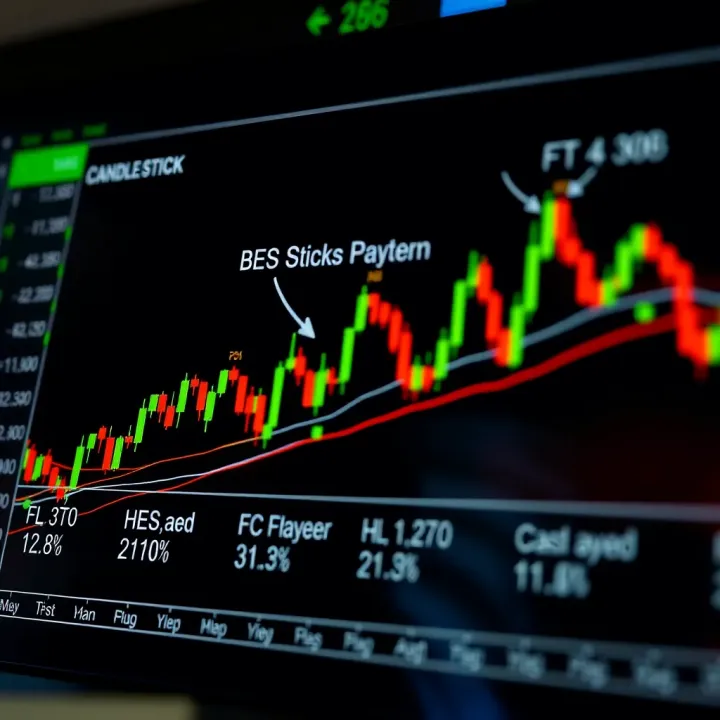
Understanding individual candlesticks is useful but analysing patterns formed by one or more candles reveals deeper insights. Some patterns indicate market reversals, while others suggest continuations of the trend. Recognising these patterns helps traders improve timing and manage risk effectively.
In practice, candlestick patterns should not be used alone but alongside other technical tools like volume indicators, moving averages, and support-resistance levels, especially in volatile environments like the Indian markets.
Some commonly studied single candlestick patterns include:
Hammer and Inverted Hammer: Indicate possible trend reversals after a downtrend.
Doji: Signals indecision when the opening and closing prices are nearly the same.
Spinning Top: Reflects market uncertainty with small bodies and long wicks.
Multi-candle patterns such as Engulfing, Morning Star, and Evening Star provide more reliable reversal signals by confirming shifts in market control.
Traders dealing in NSE or BSE stocks will benefit from recognising how these patterns appear across various timeframes—intraday, daily, or weekly—since the context often changes the pattern’s strength. For example, an Engulfing pattern confirmed on a daily chart carries more weight than the same pattern on a 5-minute chart.
In the next sections, we will explore these patterns systematically, explain how to spot them, and share practical tips for applying them when trading on Indian exchanges. Armed with this knowledge, you can better decode the market’s message behind the price moves and improve your trading outcomes.
Understanding candlestick charts is essential for traders and analysts trying to get a clear picture of price movements over specific periods. These charts help you quickly see how prices have moved within a day, week, or any timeframe, making them more practical than simple line charts. For instance, traders on the NSE often rely on candlestick charts to identify entry and exit points, especially when watching volatile stocks like Reliance Industries or Tata Motors.
The opening price marks the first traded price in a time period, while the closing price is the last. These two points matter because they reveal the initial market sentiment compared to the final sentiment during that span. For example, if a stock opens at ₹2,500 and closes at ₹2,700 in a day, it shows buyers dominated by day's end. Conversely, a close below the opening might indicate selling pressure.
These values capture the extremes reached during the session. Seeing these prices helps traders understand volatility and the trading range. The high is the maximum price at which the stock traded, while the low is the minimum. Imagine TCS shares swinging between ₹3,200 and ₹3,400 in a day – knowing this range helps set stop-loss or target prices.
Candlestick charts offer a compact way to gauge market mood through price action. When the close is higher than the open, buyers are in control. A close lower than the open indicates sellers dominating. This immediate visual cue helps traders quickly judge if bulls or bears are stronger during the period, which is especially handy when scalping or trading intraday.
The candlestick’s body represents the gap between the opening and closing prices. A long body suggests strong buying or selling momentum, while a small body points to indecision or a pause in the trend. For instance, a long greenish body for Infosys on a daily chart suggests firm buyer interest pushing the price up.
These thin lines show the highest and lowest prices reached during the period beyond the open and close. The length of these shadows can indicate market indecision or potential reversals. A long upper wick means buyers pushed prices up but sellers dragged it back, signaling resistance. Conversely, a long lower wick reveals that sellers pushed prices down but buyers regained control, hinting at support.
Colours make it easy to see price movement direction at a glance. Typically, a green or white candle means the close was higher than the open, signalling bullish momentum. A red or black candle means the opposite — a bearish close. In Indian trading platforms like Zerodha Kite or Upstox, these colours follow this convention, letting traders quickly pick out trends without analysing numbers.
Candlestick charts are more than just pretty visuals—they tell the story of market forces battling it out every minute, often helping traders spot potential changes ahead of time.
This understanding builds the foundation to use candlestick patterns effectively in your trading decisions, particularly in Indian markets where price volatility can be sharp near earnings announcements or budget days.
Single-candlestick patterns offer quick insights into trader sentiment and potential price action. Understanding these patterns helps you spot moments of indecision, possible trend reversals, or continuation with just one candle. Their simplicity makes them handy in fast-moving markets, including India’s bustling stock exchanges.
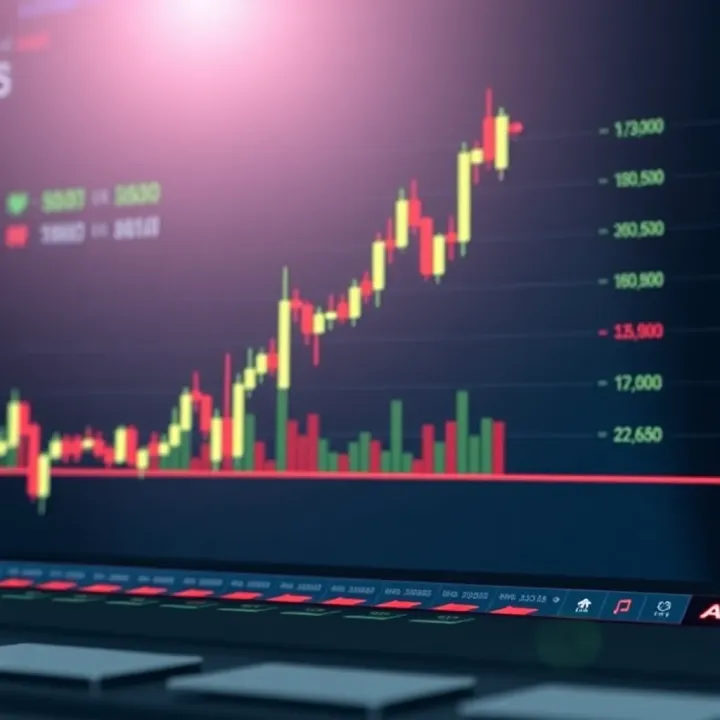
Doji candles form when opening and closing prices are almost equal, producing a small or non-existent body. This pattern indicates indecision as buyers and sellers reach a standstill. Varieties include the “neutral doji,” “long-legged doji” with long wicks on both sides, and “dragonfly” or “gravestone” doji shaped by price extremes. For example, a dragonfly doji shows selling pressure early but strong buying later, often signalling potential support.
In Indian equity markets, Doji can suggest hesitation at crucial levels. Traders often watch these patterns near support or resistance. A Doji after a sustained uptrend or downtrend can hint at a weakening momentum, signalling a possible pause or reversal. However, confirmation from following candles is advisable to avoid false signals.
A hammer appears when the candlestick has a small body near the top with a long lower wick, showing that prices fell significantly but buyers regained control. It usually forms after a downtrend, indicating a potential bullish reversal. For instance, in NSE stocks like Infosys or TCS, a hammer after a sharp fall might prompt traders to prepare for an upward bounce.
The hanging man looks similar but occurs after an uptrend. Although it has the same shape, its implication is bearish. Sellers tested the market, and while buyers managed to close higher, the lower wick warns of possible weakness. Identifying this pattern helps in cautioning traders about a likely trend reversal or consolidation.
In Indian markets, these patterns gain weight when supported by volume spikes or near historic price zones. Considering the role of institutional participation here, hammers and hanging men can reflect shifting sentiments ahead of quarterly results or policy announcements.
Spinning tops have small bodies with relatively equal upper and lower wicks, showing a tug-of-war between bulls and bears. This pattern suggests uncertainty about the next move, often appearing during sideways markets or after strong trends.
Traders interpret spinning tops as a sign to pause and reevaluate. In Indian stocks, seeing a spinning top near a key moving average or Fibonacci level might indicate the market is awaiting fresh triggers. Many traders watch the candles that follow to confirm direction before making a move.
A single candlestick, while insightful, should always be read considering surrounding market factors and volume to improve decision-making in dynamic conditions.
Recognising and interpreting these simple but powerful single-candlestick patterns can help you anticipate market moves more effectively, giving you an edge whether trading Sensex, Nifty, or sectoral stocks in India.
Multi-candlestick patterns offer deeper insights into market trends and potential reversals than single candlestick formations. Recognising these patterns helps traders confirm signals and avoid false alarms. For example, patterns like Bullish Engulfing or Morning Star are composed of multiple candles, reflecting more decisive shifts in market sentiment. This adds reliability to trading decisions, especially in volatile markets like India’s.
A Bullish Engulfing pattern forms when a small bearish candle is immediately followed by a larger bullish candle that ‘engulfs’ the previous one’s body completely. The opposite is true for a Bearish Engulfing, where a small bullish candle is overtaken by a larger bearish one. This setup signals a potential reversal: in the Bullish case, prices may start rising, while in the Bearish, a decline is likely.
The key practical point is that the engulfing candle should close beyond the open of the prior candle to be valid. This ensures a genuine shift in trader sentiment, not just minor fluctuations.
Engulfing patterns act as early warning signs for trend changes in days when volume supports the move. In Indian stock markets, pairing these patterns with volume spikes or support/resistance levels increases accuracy. However, their reliability drops in low-volume sessions like pre-holiday trading or during sector-specific slumps.
Traders often wait for confirmation — say, the next candle maintaining direction — before entering positions. This step helps reduce losses from premature entries based on false signals.
The Morning Star is a three-candle pattern signalling a bullish reversal. It starts with a long bearish candle, followed by a small real body candle which gaps lower, and ends with a strong bullish candle that closes near the mid-point or higher of the first candle’s body.
The Evening Star mirrors this in a bearish reversal: a long bullish candle, a small real body candle gapping higher, and a final bearish candle closing below the midpoint of the first.
These patterns reflect indecision followed by a clear shift in control between buyers and sellers.
Morning Star setup indicates buyers gaining strength after seller dominance, making it a solid buy signal if supported by volume or nearby support levels. Meanwhile, Evening Star warns of sellers taking over after a bullish run, useful for setting stop losses or exiting long positions.
In Indian markets where false breakouts are common, traders often use these setups to spot early trend exhaustion and react accordingly.
Three White Soldiers consists of three consecutive long bullish candles, each closing progressively higher on steady volume. They reflect strong buyer confidence. In contrast, Three Black Crows are three bearish candles following a rally, closing lower consecutively, signalling sustained selling pressure.
Spotting these requires noting the candle sizes and ensuring minimal wicks, suggesting decisive moves rather than uncertainty.
These patterns show the strength and sustainability of momentum. Three White Soldiers indicate a robust uptrend, encouraging traders to maintain or add to long positions. Conversely, Three Black Crows warn of potential downtrend continuation, signalling caution.
For Indian traders, these patterns help in understanding when trend shifts occur beyond daily noise, supporting better timing of entries and exits.
Recognising important multi-candlestick patterns like Bullish/Bearish Engulfing, Morning/Evening Star, and Three White Soldiers/Black Crows adds precision to trading strategies, especially when combined with volume and support/resistance analysis.
Using candlestick patterns in Indian markets can give traders a clearer picture of price moves, especially when combined with local trading habits and market behaviour. Indian stock markets, like the NSE and BSE, often show trends influenced by domestic economic changes, corporate results, and policy announcements. By applying these patterns thoughtfully, traders can time entries and exits more effectively, adapting strategies to conditions specific to India.
Support and resistance levels help traders spot price points where stocks tend to pause or reverse, making these levels crucial when reading candlestick patterns. For example, a bullish engulfing pattern forming near a strong support level like ₹1,500 for Reliance Industries can suggest a higher chance of a price bounce rather than a false signal.
In contrast, spotting a hammer candle around a resistance zone, say ₹350 for Tata Motors, warns traders to expect a possible rejection or short-term reversal. So, looking at these price barriers alongside candlestick patterns improves decision-making.
Volume analysis adds weight to candlestick signals by showing trader participation. If a morning star pattern shows up on the Nifty 50 chart with rising volumes, the pattern likely indicates a genuine trend reversal. Conversely, if the same pattern forms on low volume, it might not hold up once new trading sessions begin.
For individual stocks, volume spikes during pattern formation help confirm moves. Suppose a bearish engulfing pattern appears for Infosys with a significant volume increase; this suggests strong selling pressure backing the price fall.
Moving averages, like the 50-day or 200-day lines, act as dynamic support or resistance points. Combining them with candlestick readings offers a layered view. For instance, a spinning top candle near the 200-day moving average on HDFC Bank’s chart might indicate market indecision close to a major trend level.
If a bullish pattern forms above the 50-day moving average for a stock like Bajaj Finance, traders may interpret it as a signal that the uptrend is likely to continue. This interlinking of patterns and averages supports more confident trading calls.
Over-relying on single patterns can mislead traders. Candlestick formations alone don’t guarantee market direction. In Indian markets, where volatility can spike during earning seasons or government policy changes, it’s risky to jump solely on one pattern like a doji or hammer without other confirmations.
Traders should combine patterns with volume, market context, or other indicators before acting. Ignoring this balance increases chances of losses.
Ignoring market context is another common mistake. A bullish pattern appearing during a strong downtrend might not reverse momentum immediately. For instance, a morning star forming during a falling Nifty index amid global risk-off sentiment may need more time or confirming signals before a genuine recovery.
Understanding broader economic data, events such as RBI monetary policy announcements, or global cues alongside candlestick setups helps avoid blindly trusting patterns out of context.
Emotional trading risks crop up when traders let fear or greed overpower analysis. Seeing a pattern like a three white soldiers might spark impulse buying without proper risk assessment. Indian retail traders often fall prey to such mistakes during volatile market phases, especially near festive buying sprees or post-budget days.
Sticking to a well-defined trading plan with clear stop-loss points helps curb emotional decisions.
Backtesting strategies involve checking how your chosen candlestick signals would have worked historically on Indian stocks or indices. Software tools or demo platforms allow you to apply patterns to past data, seeing which ones worked best under different market conditions.
For example, backtesting engulfing patterns on Bank Nifty over the past two years reveals their success rate during quarterly results periods. This practice builds confidence and sharpens your approach.
Using demo accounts offered by brokers like Zerodha or Upstox lets newbies practise spotting and trading candlestick patterns without risking real money. Demo trading familiarises you with live market behaviour and pattern recognition at your own pace.
It’s a safe way to learn the nuances of timing entry and exit points and how patterns blend with Indian market dynamics.
Staying updated with Indian market news is essential. Events like RBI policy meetings, GST updates, or company quarterly earnings heavily influence trends and candlestick effectiveness.
For instance, a doji candle forming just before RBI’s repo rate announcement might signal hesitation, but prices often react sharply afterward. Daily reading of financial news portals ensures you don’t miss such critical market triggers that affect pattern interpretation.
Combining candlestick patterns with other tools and local market knowledge offers a practical edge. Balance technical signals with awareness of India-specific trends and risks to sharpen your trading strategy.
📈 Learn how to read market candlestick patterns for smarter trading decisions in India. Explore basic & advanced signs to spot price trends and avoid mistakes.
📈 Master candlestick patterns to spot market trends and boost your trading strategies. From basics to advanced, learn to read signals confidently! 🔍
Learn to spot key market chart patterns and predict price moves with our practical guide 📈. Includes handy PDF resources for traders in India 🇮🇳.

📊 Master candlestick patterns with this practical guide! Learn key charts, pattern meaning, and boost trading skills in India & globally, plus handy PDF tools 📈
Based on 10 reviews