
Best Forex Trading Guide for Indian Investors
Explore forex trading in India 🇮🇳 with insights on selecting top brokers, managing risks, using tools, and understanding market rules for confident investing.
Edited By
Isabella Brooks
Forex trading happens round-the-clock, but traders in India need to understand how global forex markets operate across different time zones. The market never really closes; it moves from one financial centre to another as the day progresses. Knowing when major forex markets open and close in Indian Standard Time (IST) helps you plan trades better and spot opportunities when liquidity and volatility peak.
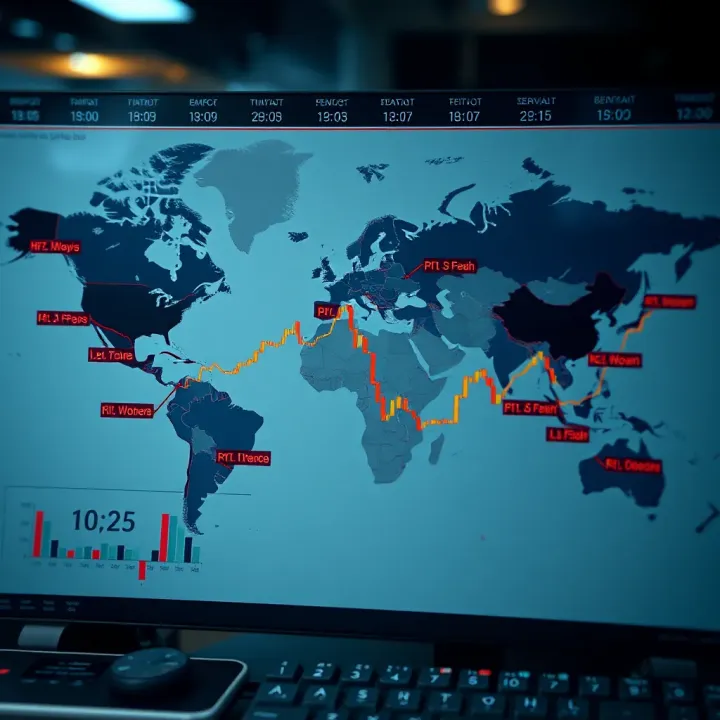
The four main forex trading sessions—Sydney, Tokyo, London, and New York—follow the business hours of their respective regions. Since India is 5 hours 30 minutes ahead of Greenwich Mean Time (GMT+5:30), the timing of these sessions overlaps with Indian working hours in interesting ways.
For example:
The Sydney market starts around 3:30 am IST and runs till about 12:30 pm IST
Tokyo follows from roughly 6:30 am to 3:30 pm IST
London kicks in from 1:30 pm to 10:30 pm IST
New York overlaps slightly with London, operating from 6:30 pm to 3:30 am IST
The London and New York overlap between 6:30 pm and 10:30 pm IST is when forex trading volume tends to spike, creating higher liquidity and tighter spreads. Meanwhile, the early hours when Tokyo and Sydney sessions operate may see lower volatility and thinner liquidity.
Understanding these trading hours in IST allows Indian traders to align their strategies with moments of higher market activity, which can improve trade execution and risk management.
Here are some practical points for Indian traders:
Trade during market overlaps for more currency pair options and better price movement
Avoid thin liquidity periods like late night IST hours when spreads widen
Use this timing knowledge to schedule stop-loss and take-profit orders effectively
Grasping forex time zones relative to IST empowers traders in India to make smarter decisions, balancing risk and reward by trading when the market moves most.
Understanding the global forex trading hours is key if you want to trade currencies successfully from India. Forex doesn’t operate like traditional stock markets with fixed opening times. Instead, it runs 24 hours during weekdays, as different exchanges across the world open and close in turns. This continuous cycle means trading opportunities appear round the clock, but the market’s liquidity and volatility vary depending on which session is active.
Knowing these hours helps Indian traders plan when to enter or exit positions, especially since some market overlaps offer more price movement and volume. For instance, the overlap between the London and New York sessions is typically the most liquid. Such timings can affect spreads, risk, and potential profits.
The London forex session starts at 8 am GMT and closes at 5 pm GMT. London accounts for nearly 30-40% of global forex turnover, making it the largest forex centre. Its opening overlaps with the tail end of the Asian session and the start of US trading hours, providing active market conditions. For Indian traders, this session corresponds roughly from 1:30 pm to 10:30 pm IST, which fits well after office hours for many.
The New York session runs from 1 pm to 10 pm GMT. It is second in size after London but very influential, given the US dollar’s role in most currency pairs. The New York session overlaps with London between 1 pm and 5 pm GMT, creating the busiest forex trading period. Indian traders can catch this from 6:30 pm to 3:30 am IST, so night owls or swing traders often prefer it.
Tokyo’s forex session opens at 12 am GMT and closes at 9 am GMT. This session marks the start of Asian trading and focuses mainly on Asian currencies like the yen and the Australian dollar. In IST, this corresponds to 5:30 am to 2:30 pm, meaning early risers can take advantage of this market.
Sydney starts the trading cycle from 10 pm to 7 am GMT, focusing on the Australian and New Zealand dollars. It overlaps briefly with Tokyo’s session in the early hours. For India, this session runs from 3:30 am to 12:30 pm IST, often considered quieter compared to London or New York but still relevant.
The forex market runs non-stop from Monday morning in Sydney to Friday evening in New York. This continuous trading cycle means there’s always a market somewhere actively trading currencies. It helps avoid gaps seen in stock markets after hours, letting traders react quickly to important news from any time zone.
Forex trading happens only Monday through Friday; weekends see markets closed globally. The cycle starts with the Sydney market opening on Monday morning and winds down with New York closing on Friday evening. Although the market is open almost all day during weekdays, liquidity fluctuates, peaking during overlapping sessions like London-New York, and dipping during isolated sessions like Sydney.
For Indian traders, aligning trades with these active windows can significantly improve execution quality and potential profit chances, so understanding global trading hours is the first step towards smart forex trading.
Understanding India's place in the global forex trading schedule helps traders plan their activities efficiently. Since the forex market operates across several time zones, knowing when Indian Standard Time (IST) aligns with major market sessions allows traders to catch peak liquidity and volatility periods. This leads to better decisions and can improve trading outcomes.
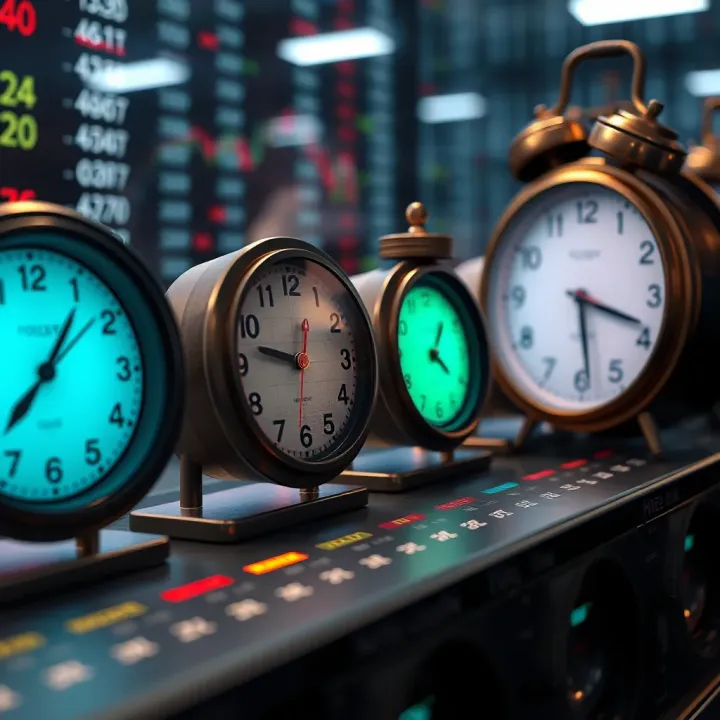
Indian Standard Time (IST) is 5 hours and 30 minutes ahead of Greenwich Mean Time (GMT) and Coordinated Universal Time (UTC+5:30). This unique offset means India sits right between several major forex market hours, making it convenient for Indian traders to participate during active market sessions without late-night trading.
For example, when it is 10 am IST, it is 4:30 am GMT, a time when Asian markets are already open, but European markets are yet to start. This positioning offers Indian traders opportunities during both morning and afternoon hours.
Compared to major forex hubs, IST falls ahead of European markets like London (GMT/UTC +0/1 in summer), behind Asian markets such as Tokyo (UTC+9), and significantly ahead of the US New York market (UTC-5/4 in daylight saving). These differences mean forex sessions open and close at times that overlap partially with IST.
For instance, the London trading session opens around 2:30 pm IST and closes by 11:30 pm IST, while the New York session starts at 7:30 pm IST and closes at 4:30 am IST. Meanwhile, the Tokyo session operates between 6:30 am and 3:30 pm IST. This staggered schedule provides Indian traders with several active sessions during their day.
The hours when multiple major forex markets are active bring higher liquidity and volatility. For Indian traders, two key overlaps matter:
Tokyo-London overlap: between 8:30 am and 9:30 am IST. This hour sees activity from Asian and European traders.
London-New York overlap: between 7:30 pm and 11:30 pm IST, when European and American markets trade simultaneously, resulting in heightened market movements.
These overlaps often present the best chances for profitable trades due to increased volume and sharper price changes.
Considering daily routines and coping with Indian work culture, the Tokyo-London overlap in the morning suits traders looking to trade during office hours. For those who prefer evening trades, the London-New York overlap offers peak market activity late in the day.
Traders should also monitor session closing times, as the hours just before market closes sometimes witness increased volatility, offering short-term opportunities. Understanding these time overlaps helps traders schedule trades based on their risk tolerance and convenience.
Know your local time's relation to global markets. Trading during overlaps can mean chasing good opportunities but also higher risk due to volatility. Plan carefully.
By knowing IST’s position relative to forex trading sessions worldwide, Indian traders can manage their schedules well, target high-liquidity periods, and balance trading with daily responsibilities.
Time zones directly influence forex trading strategies because they determine when markets open and close, affecting liquidity and price volatility. Indian traders need to understand these overlaps to time their trades when volatility peaks, boosting chances for better entries and exits. Different sessions favour different strategies; knowing this helps you to align your trading with market behaviour rather than fighting it.
The London-New York overlap, occurring roughly between 7:30 pm and 11:30 pm IST, is the most active forex trading window due to the combined liquidity of two major centres. This period typically sees the highest volatility, especially for currency pairs like EUR/USD, GBP/USD, and USD/INR, presenting significant trading opportunities for Indian traders.
During this overlap, spreads tend to be narrower, meaning lower transaction costs and tighter bid-ask differences. For example, if you're trading GBP/USD from Mumbai at 9 pm IST, you can expect better price movement and quicker order fills. The increased market activity reduces the chance of slippage, which is vital for both day traders and scalpers targeting short-term gains.
The Tokyo-London overlap happens early in Indian Standard Time, roughly between 12:30 pm and 3:30 pm IST. Although it is less intense than London-New York, this session still offers notable liquidity and volatility, especially for pairs involving the Japanese yen like USD/JPY and EUR/JPY.
This overlap can be particularly useful for swing traders operating in India who prefer afternoon trading sessions. Volatility during this time is less frenetic but reliable enough to spot trends developing between Asian and European markets. Traders looking to avoid the night-time London-New York volatility but still catch meaningful price moves often favour this session.
Day traders in India usually prefer sessions where liquidity and volatility peak during their active hours — mainly the London-New York overlap in the late evening IST. This suits those willing to stay up late or adjust their routine to catch short-term price swings. These traders rely on fast reactions and often use technical analysis, so timing the high-volume periods is key.
Swing traders, on the other hand, benefit from more extended trading windows, including the Tokyo-London overlap and even early London hours. They hold positions for days or weeks, so their emphasis is less on intraday volatility and more on sustained trends. This approach fits well with a typical Indian workday, allowing swing traders to monitor positions alongside their job or studies without needing constant attention.
Since the major overlaps involve night or early morning trading from an Indian perspective, many traders face a challenge balancing their forex activities with professional or personal commitments. One practical approach is to focus on the Tokyo-London session during the afternoon, which aligns better with Indian daytime.
Alternatively, traders can set alerts or automated orders to capitalise on specific price levels during the London-New York overlap without being glued to the screen all night. This balance prevents burnout and promotes disciplined risk management. Understanding the time zone impact helps Indian traders pick sessions that fit their lifestyle while still capturing market opportunities.
Matching your trading strategy with market activity driven by time zones can significantly improve your chances of success. Use the knowledge of session overlaps wisely to plan your trades and manage risks effectively.
Navigating forex trading across different time zones demands practical strategies, especially for Indian traders working with Indian Standard Time (IST). Understanding how to efficiently manage your trading hours can improve decision-making, reduce risks, and maximise opportunities. This section offers practical guidance to help you stay on top of global market hours with relevant tools and risk management approaches.
Specialised forex market clocks and apps provide instant visualisation of trading hours in major markets like London, New York, Tokyo, and Sydney. These tools display current market status, often adjusted automatically for Daylight Saving shifts. This helps Indian traders avoid confusion caused by time differences and precisely plan their trading activity around overlaps in market sessions.
For instance, apps like MetaTrader or ForexTime offer market hour indicators and countdown timers, making it easier to track when high liquidity windows open. Real-time updates ensure no surprises for traders balancing local work schedules with market volatility.
Setting up alerts for significant market events or opening and closing times helps traders stay informed without continuous monitoring. Notifications through mobile apps or desktop platforms can warn about:
Imminent market opens or closes
Economic releases impacting currency pairs
Sudden price movements or volatility spikes
These instant updates enable proactive trade management, especially during critical overlapping sessions between London and New York, when volatility tends to surge. Therefore, Indian traders gain an edge by reacting promptly rather than lagging behind.
Trading during periods of low liquidity, typically outside major market sessions, can lead to wider spreads and erratic price moves. For Indian traders, late-night hours between New York close and Tokyo open often see thin volume, increasing slippage risk.
Avoiding or being cautious during these quiet hours is essential. For example, holding large positions overnight during Indian early mornings when markets are largely closed may expose traders to unexpected price gaps at market open.
The choice of execution timing directly impacts trade outcomes. Indian traders benefit from initiating trades during market overlaps, such as London and New York from 7:30 pm to 12:30 am IST when liquidity and volatility peak.
Conversely, executing orders near the close of a trading session might see lower volumes and less reliable price fills. Being aware of these timing nuances allows better control over entry and exit points, improving risk-return profiles.
Combining technology with smart timing lets Indian forex traders navigate the complications of global time zones confidently and effectively.
By adopting these practical measures, traders can streamline operations and mitigate losses associated with time zone misalignment. These tips empower anyone looking to trade forex from India to do so more strategically and with greater peace of mind.
Forex trading in India demands specific attention beyond understanding global market hours. Indian traders must navigate not just time zone differences but also regulatory restrictions, platform legitimacy, and the impact of local holidays on market liquidity. These factors influence when and how traders participate, shaping their risk management and strategy.
India has clear rules about which currency pairs can be legally traded by residents. The Reserve Bank of India (RBI) restricts trading to currency pairs that involve the Indian rupee (INR). This means trading in pairs like USD/INR, EUR/INR, GBP/INR, and JPY/INR is allowed. However, trading in purely foreign currency pairs such as EUR/USD or USD/JPY is not permitted for Indian residents on Indian platforms. This limits exposure to international currency volatility but aligns legal trading with domestic currency regulations.
It’s essential for traders to verify the currency pairs offered by their brokers comply with RBI guidelines. Engaging in unauthorised forex trades on offshore platforms could lead to regulatory issues and financial risk. For example, an Indian trader attempting to trade the EUR/USD pair on an overseas broker without RBI permission faces both legal and fund repatriation challenges.
Legal trading platforms in India are approved and regulated by Indian authorities like the Securities and Exchange Board of India (SEBI). These platforms provide transparent pricing and abide by rules protecting traders from fraud and unfair practices. Examples include recognized brokers that offer currency derivatives on exchanges such as the National Stock Exchange (NSE) and the Bombay Stock Exchange (BSE).
Using legal platforms ensures traders have access to dispute resolution mechanisms and can execute trades without violating Indian laws. Platforms outside this framework might offer tempting features but come without regulatory safeguards, making them risky for Indian users.
Indian public holidays have a tangible impact on forex market activity and liquidity for Indian traders. On days such as Gandhi Jayanti or Diwali, many Indian brokers and financial institutions shut operations. While global forex markets remain open, liquidity for INR-based currency pairs can thin out, leading to wider spreads and increased price volatility.
Traders noticing these holiday periods can plan their positions accordingly. For example, a trader might avoid opening large positions involving INR ahead of a long holiday weekend when trading volumes drop sharply. Lower liquidity increases the risk of slippage and erratic price movements.
Understanding these local factors helps Indian forex traders choose better times to trade and mitigate risks associated with market inactivity during national holidays.
Being mindful of India’s unique regulatory environment and holiday calendar is key to successful forex trading within the country. Balancing global market hours with domestic rules creates a safer and more effective trading experience for Indian investors.
Explore forex trading in India 🇮🇳 with insights on selecting top brokers, managing risks, using tools, and understanding market rules for confident investing.

Find the best forex trading brokers in India 🇮🇳. Compare top platforms, check regulatory safeguards & key features. Make smart trading decisions confidently!

Explore how to choose the best forex trading platform in India 🇮🇳. Compare features, regulations, and tips for smooth, profitable trading with ease and protection 📈.
💹 Learn how to make money forex trading in India with practical tips on market analysis, broker selection, risk management, and controlling emotions for success.
Based on 14 reviews