

Momentum Candlestick Patterns Explained with PDF Guides
📈 Learn how to spot momentum candlestick patterns to boost your trading skills with easy guides and handy PDFs. Understand trends & manage risks effectively!
Edited By
James Thornton
Understanding candlestick patterns plays a vital role in making informed trading decisions, especially in stock and commodity markets. These charting techniques provide clear visual signals about market sentiment, helping traders anticipate price movements more effectively.
Candlestick charts represent price action through individual bars showing the open, high, low, and close prices for a given time frame. Traders use distinct patterns formed by one or more candlesticks to identify potential reversals, continuations, or indecision in markets.
Familiarity with major patterns like the Hammer, Doji, Engulfing, and Morning Star can improve your timing for entry and exit points. For example, spotting a Bullish Engulfing pattern after a downtrend often signals a possible upward reversal, offering an actionable trigger to consider buying.
The power of candlestick analysis lies in its simplicity and immediacy, allowing traders to read market psychology at a glance.
Given the vast variety of candlestick patterns, having easy access to well-organised, free PDF resources is immensely helpful. These PDFs categorise patterns by type (bullish, bearish, neutral) and complexity (single, double, triple candlestick patterns). Indian traders often find such ready references indispensable for quick revision before market hours or while analysing charts with platforms like Zerodha Kite or Upstox.
Here’s what you should look for when selecting free PDF downloads of candlestick patterns:
Clear categorisation with examples and explanations
Illustrations showcasing real market scenarios
Pocket-friendly size for easy sharing and offline study
Remember, combining candlestick patterns with other technical tools like volume indicators or moving averages enhances accuracy.
In short, mastering these patterns and using comprehensive PDF guides will strengthen your technical analysis skills, helping you navigate India’s markets confidently.
Candlestick patterns are vital tools in trading because they reveal market sentiment through visual price action. Grasping these patterns helps traders identify potential shifts in buying and selling pressure, which can signal upcoming market moves. This understanding is especially useful in Indian markets where price volatility and market psychology play significant roles.
A candlestick consists mainly of the body and shadows. The body shows the opening and closing prices for a specific period, whether a day, hour, or minute. Shadows, also called wicks, represent the highest and lowest prices reached. For instance, a long upper shadow indicates that buyers pushed prices high but sellers forced them down before close. This subtle detail aids traders in assessing enthusiasm or fear in the market.
Candlestick charts present price changes in a clear, concise way. Unlike line charts that only track closing prices, candlesticks give a fuller snapshot of market action during a session. For example, a bullish candle, where the close is higher than the open, appears distinctively from a bearish one with a lower close. This makes spotting trends or reversals more straightforward.
Certain candlestick patterns signal possible reversals or trend continuation. A classic case is the "Hammer" pattern, which, appearing after a downtrend, suggests buyers are entering the market and a reversal might follow. Conversely, the "Bearish Engulfing" pattern can indicate selling pressure taking control and continuation of a downtrend. Spotting these patterns early can help traders adjust positions before major price moves.
Candlestick patterns fine-tune the timing of entries and exits by highlighting shifts in market momentum. For example, during an uptrend, spotting a "Shooting Star" candle may warn traders of a possible short-term peak, signalling a good time to book profits. This targeted insight reduces guesswork and helps manage risk effectively, which is especially valuable in fast-moving markets such as equities or commodities.
Understanding candlestick patterns isn’t just about recognising shapes; it’s about reading market psychology and behaviour that can improve your trading decisions and timing substantially.
By mastering these basics, you build a strong foundation to use candlestick pattern PDFs confidently, enhancing your technical analysis skills in real trading scenarios.

Understanding the main categories of candlestick patterns helps traders and investors identify market trends more clearly. These patterns fall into two broad groups: single-candlestick and multiple-candlestick formations. Each type plays a distinct role in technical analysis, aiding users in spotting potential price reversals or continuations. Knowing how to differentiate and interpret them adds practical value for anyone keeping an eye on stock or commodity charts.
Single-candlestick patterns involve only one candle and indicate immediate market sentiment changes. For example, Doji variations are formed when the opening and closing prices are nearly the same, producing a cross-like shape. These patterns suggest indecision among buyers and sellers and often signal a possible trend reversal or pause. For instance, spotting a Doji after a strong bullish trend might warn you that buying momentum is fading.
Hammer and Hanging Man look similar but serve different interpretations based on the preceding trend. The Hammer appears during a downtrend, featuring a small body and a long lower shadow, hinting at buying pressure pushing prices up from lows. This pattern is often a bullish sign, indicating that sellers are losing grip. Conversely, the Hanging Man appears after an uptrend and can signal a potential bearish reversal as it suggests sellers make a strong move before closing near the opening price.
Shooting Star and Inverted Hammer are single-candle patterns with long upper shadows. The Shooting Star appears after an uptrend, reflecting that buyers pushed prices higher but could not sustain the gains, often marking upcoming declines. On the other hand, the Inverted Hammer appears at the bottom of downtrends and signals buyers stepping in, hinting that price might soon rise.
Multiple-candlestick patterns involve two or more candles and provide stronger confirmation of market signals by showing comparative price action.
The Bullish and Bearish Engulfing patterns are among the most reliable. A Bullish Engulfing pattern forms when a small bearish candle is followed by a larger bullish candle that completely covers the previous day's body. This indicates a shift in momentum from sellers to buyers, making it a good buy signal. Conversely, a Bearish Engulfing pattern appears after an uptrend, with a large bearish candle engulfing the preceding bullish one, warning investors of a possible downturn.
Morning Star and Evening Star are three-candle patterns that mark trend reversals more clearly. The Morning Star, appearing after a downtrend, features a bearish candle, a small-bodied candle (star), and then a bullish candle, signalling the start of upward momentum. The Evening Star repeats this in reverse, appearing after an uptrend to suggest an impending downturn.
Finally, Three White Soldiers and Three Black Crows provide strong momentum signals. Three White Soldiers consist of three consecutive bullish candles with progressively higher closes, highlighting sustained buying pressure. Traders often see this as a strong buy indicator. Conversely, Three Black Crows are three bearish candles closing lower each day, warning of strong selling pressure and a likely bearish trend ahead.
Mastering these categories and the specific patterns within helps traders make well-informed decisions. These patterns do not guarantee outcomes but serve as useful guides when combined with other analysis tools.
By recognising single and multiple candlestick patterns, Indian traders can better time their entries and exits, improving overall trading strategy effectiveness.
Accessing trustworthy PDFs covering all candlestick patterns can significantly enhance your understanding and application of technical analysis in trading. Having reliable resources saves time and helps avoid misinformation, which is common with random downloads from unofficial sites.
Indian educational and trading sites often provide comprehensive PDFs suited specifically for traders in India. For example, platforms like the National Stock Exchange’s (NSE) educational section or market research portals by leading brokerage houses like Zerodha or ICICI Direct sometimes offer downloadable materials on candlestick patterns. These resources consider local market nuances, like Indian exchange trading hours and popular stock behaviours. Such PDFs help learners grasp patterns relevant to NSE or BSE stocks, enhancing practical insight.
Global financial education portals such as Investopedia, BabyPips, or Forex Factory also offer free PDFs that explain candlestick patterns in detail. While these serve a broader audience, their content remains highly valuable for Indian traders as well. Their advantage is the depth of examples covering different markets and assets, including commodities and forex. Downloading PDFs from these portals ensures you get verified, well-structured information verified by global trading experts. However, you must adjust learning to fit Indian market timings and trading instruments.
Offline accessibility is a key benefit when you have PDF files saved locally. This allows you to review candlestick patterns even without internet access, say during travel or in areas with patchy connectivity. Especially for Indian traders in tier-2 or tier-3 cities, being able to access these resources offline supports continuous learning without interruption.
Easy reference during trading lets you quickly consult pattern details while making live market decisions. Many traders keep their PDF files open on a second device or print out pages for their trading desk. This immediate access prevents missing crucial trading signals. For example, while watching the Nifty 50 charts during market hours, a trader might glance at a PDF to confirm the formation of a 'Hammer' or 'Engulfing' pattern before placing trades.
Printable cheat sheets for quick study act as handy tools to strengthen memory. Many PDF downloads include summarised charts and pattern descriptions that fit neatly onto one or two pages. Printing these cheat sheets allows you to stick them near your workspace or keep in your trading journal. Revisiting these summaries regularly helps in faster recognition of candlesticks on live charts, reducing hesitation when fast decisions are needed.
Having reliable PDFs at your fingertips not only saves time but builds confidence in spotting market trends and taking well-timed actions. Select sources carefully and integrate these tools into your daily routine for better trading outcomes.
Using free PDFs of candlestick patterns can sharpen your trading skills, but only if you know how to apply the knowledge practically. These PDFs act as handy references during chart analysis, helping you spot key formations quickly. To get the best from them, you need to integrate the patterns into a broader technical framework instead of relying on them in isolation.
Candlestick patterns gain strength when seen around support or resistance zones. For example, spotting a hammer pattern near a well-established support like a previous swing low signals a possible bounce. Similarly, a shooting star near resistance hints at price rejection. Your PDFs can list these patterns alongside diagrams, making it easy to match them with price levels on your charts. This combination improves the reliability of your trade setups since these zones often act as battle lines for buyers and sellers.
Volume gives extra clarity on the significance of a candlestick pattern. A bullish engulfing candle with high volume suggests strong buying interest, whereas low volume might mean a false signal. Plus, indicators like the Relative Strength Index (RSI) or Moving Average Convergence Divergence (MACD) can confirm if the price action aligns with momentum trends. Your candlestick PDF guides may include notes on these confirmations to help you avoid traps. Always cross-check patterns with volume spikes and indicator trends before committing to trades.
Candlestick patterns are just one piece of the puzzle. Assuming a pattern guarantees a price move can lead to losses. For instance, a doji candlestick by itself does not promise reversal unless supported by other signals. Solely following PDFs without considering broader market context may mislead you. Use the patterns as signposts, not as absolute signals, combining them with trend analysis, fundamental factors, and risk management.
Context shapes the meaning of these patterns. A hammer during a strong uptrend might just be a pause, but during a downtrend, it could mark a bottom. Ignoring trend direction or nearby chart events can cause wrong calls. That’s why your pattern PDFs should be paired with guidance about market phases and volume behaviour. Always ask yourself: where does this pattern sit within the wider market picture? Without this context, even a textbook pattern can produce false hope.
Using candlestick PDFs effectively means weaving their insights into a larger analysis fabric. Patterns get much more reliable when combined with support/resistance levels, volume checks, and indicators. Avoid common traps by applying patterns thoughtfully, not mechanically.
This balanced approach enhances your trading decisions and helps you use free PDFs as practical tools, not just theory sheets.
Diving deeper into candlestick patterns improves your trading precision. Besides PDFs, additional resources like books, online courses, and active communities provide valuable insights and real-world perspectives. These resources help bridge the gap between theory and practice, which is vital for someone navigating India's dynamic markets.
Several authors have made a strong mark with clear, practical guides on candlestick trading. For instance, Steve Nison's work introduced the West and remains a staple for anyone serious about technical analysis. Indian traders can also gain from local authors like Raghu Palat, who adapts these concepts with examples from Indian stock and commodity markets. Such books offer step-by-step explanations and showcase pattern reliability, helping you connect theory with market realities.
Several platforms now offer online courses tailored for Indian traders interested in mastering candlestick patterns. Platforms like Elearnmarkets and Zerodha Varsity provide structured courses combining theory with interactive quizzes and live market examples. These courses allow you to learn at your own pace and often include community support for doubts. Practical training boosts your confidence to apply patterns in live trading, reducing costly mistakes.
Discussing patterns with peers sharpens your understanding and exposes you to different viewpoints. Communities on Telegram and WhatsApp groups popular among Indian traders offer spaces to ask questions, share observations, and learn from mistakes. Clear doubts in real-time rather than struggling alone, which is useful when patterns appear ambiguous or conflicting in volatile markets.
These forums excel in sharing live charts and trade ideas illustrating candlestick patterns in action. You see how traders interpret patterns under varied conditions, such as during monsoon-related supply disruptions affecting commodity prices. This practical exposure helps you recognise patterns beyond textbook examples and adjust strategies accordingly.
Accessing books, courses, and communities together creates a well-rounded learning experience, especially suited for the fast-moving Indian trading environment.
By exploring these additional resources, you equip yourself beyond PDFs, enhancing your trading edge and decision-making accuracy with candlestick patterns.
📈 Learn how to spot momentum candlestick patterns to boost your trading skills with easy guides and handy PDFs. Understand trends & manage risks effectively!
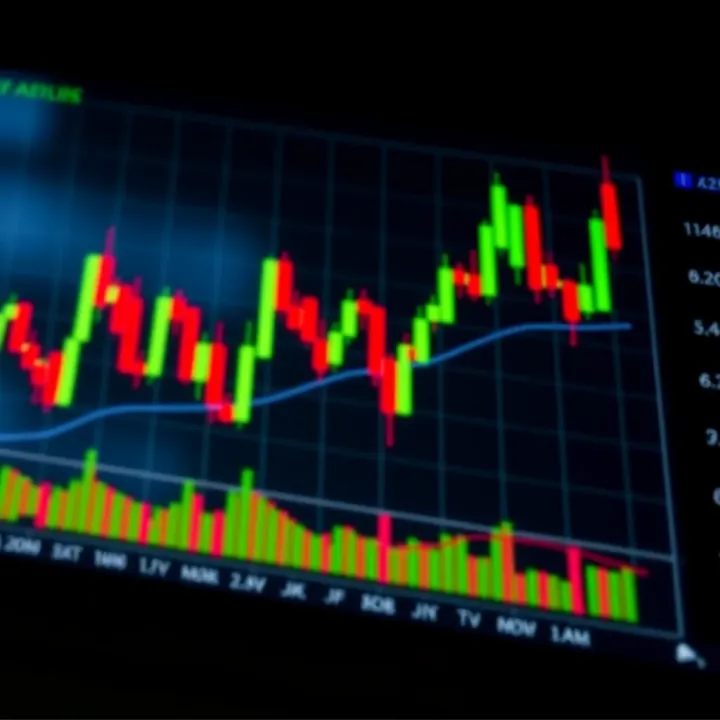
📈 Master candlestick patterns to spot market trends and boost your trading strategies. From basics to advanced, learn to read signals confidently! 🔍

📈 Learn how to read market candlestick patterns for smarter trading decisions in India. Explore basic & advanced signs to spot price trends and avoid mistakes.

📊 Master candlestick patterns with this practical guide! Learn key charts, pattern meaning, and boost trading skills in India & globally, plus handy PDF tools 📈
Based on 13 reviews