
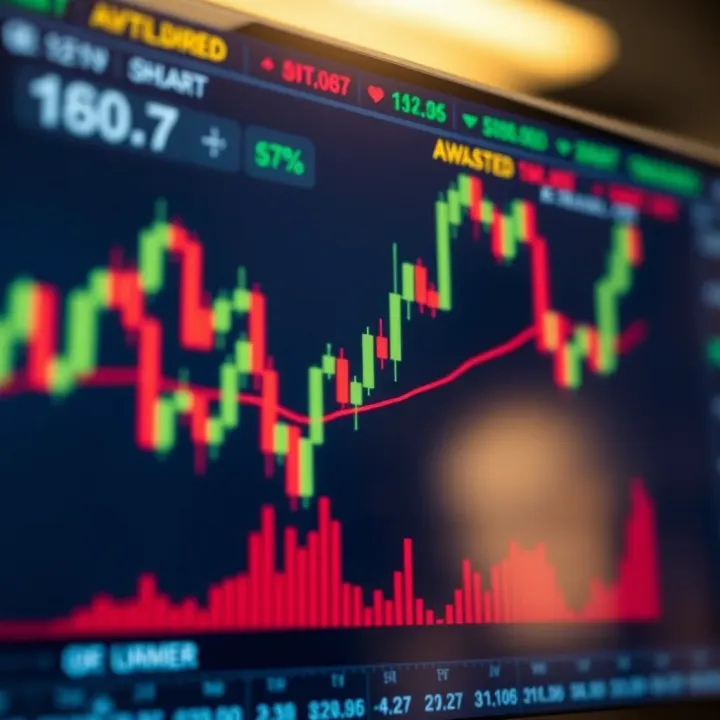
Most Accurate Candlestick Patterns for Trading Success
🔍 Discover the most reliable candlestick patterns to boost your trading success in India. Learn how to identify and use them for smarter market moves! 📈
Edited By
Sophie Reed
Candlestick patterns form the backbone of technical analysis in stock, forex, and commodity trading. These patterns visually represent price movements within a specific time frame, offering traders insight into market sentiment and potential trend shifts. Understanding them well can greatly improve your ability to time entries and exits.
Each candlestick reflects four key data points: open, high, low, and close prices of an asset for the chosen period. The rectangular “body” shows the price range between open and close, while thin lines called "wicks" or "shadows" extend to the period’s high and low. The colour of the body—commonly green (or white) for upwards movement and red (or black) for downwards—quickly indicates whether buyers or sellers dominated.

Candlestick patterns fall into three categories based on the number of candles they use:
Single candlestick patterns, such as the Hammer or Shooting Star, flag momentary sentiment shifts.
Double candlestick patterns like the Engulfing or Tweezer patterns identify stronger reversals or confirmations.
Triple candlestick patterns, including Morning Star and Evening Star, often point to significant trend changes.
Mastering these patterns helps traders spot early warning signs in volatile markets, reducing risks and enhancing profit potential.
For example, spotting a Bullish Engulfing pattern after a dip in Reliance Industries stock price might suggest a potential upward bounce, signalling to investors that buying momentum is returning. Similarly, in the Nifty 50 index, a Doji candlestick at resistance levels could warn of indecision before a reversal.
This guide uses clear images and practical explanations to help you learn how to identify these patterns reliably and apply them in real-time trading decisions. Whether you trade intraday or invest for the medium term, recognising candlestick patterns equips you with a sharper market edge.
Understanding these basics sets the stage for exploring the most effective candlestick formations and how to use them alongside other tools for better trade planning.
Candlestick charts are essential tools for traders and investors alike. They offer a clear visual summary of price movements within a specific timeframe, enabling better market analysis. Grasping the basics is crucial before moving to complex patterns because without understanding the candlestick’s structure and what each component signifies, interpreting trends or signals becomes guesswork.
Every candlestick represents four key prices: opening, closing, highest, and lowest for the chosen period. The open price is where trading begins, and the close price is where it ends. The high and low mark the extreme prices during that session. For example, if a day's trading on NSE opened at ₹1,500, rose to ₹1,550, dipped to ₹1,480, and closed at ₹1,530, these details help establish market sentiment for that day.
Understanding these values helps traders decide whether buyers or sellers dominated, and how volatile the market was. A large gap between high and low suggests significant price swings, while a small gap means minimal movement. This is useful when assessing whether to enter or exit trades.
The body of the candlestick is the rectangle between open and close prices—its size shows strength or weakness. A long body implies strong buying or selling pressure, whereas a short body suggests indecision. The wick (also called the shadow) extends above and below the body, representing the high and low prices. The upper wick shows the highest price reached, the lower wick the lowest.
For instance, a candlestick with a small body but long upper wick means buyers pushed prices high but sellers eventually dragged it back down before close. That often signals resistance. Knowing this distinction is essential to interpreting momentum and potential reversals.
Typically, bullish candles are shown in green or white, signalling that the close price was higher than the open. This means buyers had the upper hand. On the other hand, bearish candles appear red or black, showing the close was lower than open, meaning sellers controlled the session.
For example, a strong green candle after a downtrend may hint at a trend reversal, while consecutive red candles could warn of further decline. Traders must watch these colours carefully to gauge market mood and decide next moves.
Visual examples reinforce understanding faster than words alone. Imagine a series of green candles with longer bodies forming after a period of red candles. Such a pattern suggests increasing bullish sentiment, possibly a buying opportunity. Contrastingly, an image showing large red candles with short green ones in between might caution traders about lingering bearish pressure.
Tip: Regularly checking candlestick charts of popular stocks on Indian exchanges like NSE and BSE can help familiarise you with how candle colours and shapes relate to market actions in real time.
Understanding candlestick basics builds a strong foundation. It prepares you to recognise patterns and use them effectively, which you’ll learn about in the following sections.
Single candlestick patterns serve as the building blocks for understanding price movements in trading. They are simple yet powerful indicators of immediate market sentiment. By focusing on one candle’s shape, traders can often spot clues about potential reversals or continuations. Clear images of these patterns help traders get a real-time visual hit, enabling quick decisions without overcomplicating analysis.
A Doji represents indecision in the market where the opening and closing prices are almost the same. The three main types vary by the position of the wick, or shadow:
Dragonfly Doji has a long lower wick with little or no upper wick, suggesting buyers tried but sellers pushed the price down before recovery.
Gravestone Doji features a long upper wick and little lower wick, indicating sellers dominated after buyers drove price up.
Long-legged Doji shows long upper and lower shadows with a small real body in the centre, pointing to extreme indecision.

These variations provide insight into which side—buyers or sellers—had more influence before the market settled.
A Doji often signals a pause or a potential reversal, especially after a strong price move. For instance, spotting a Dragonfly Doji after a downtrend might hint at a bullish reversal. However, confirmation is essential; the next candle’s direction usually solidifies the signal. Traders often use Doji patterns alongside volume data or support and resistance levels to avoid getting misled by false alarms.
Both Hammer and Hanging Man look similar: a small real body near the top of the trading range and a long lower wick. The long lower wick shows that sellers pushed the price down during the period but buyers regained control by the close.
The key difference lies in the preceding trend and what the pattern implies:
Hammer appears during a downtrend and suggests a potential bullish reversal.
Hanging Man forms during an uptrend and warns of a possible bearish reversal.
Recognising the prior trend is crucial to interpreting these patterns correctly.
Both patterns highlight struggle between buyers and sellers, with a slight edge to buyers near the close. For example, after consecutive falling prices, a Hammer may indicate sellers exhausted momentum. Likewise, during a rising market, a Hanging Man could warn that buyers are losing strength. Confirmation from the next candle helps avoid false signals.
A Spinning Top features a small real body with long upper and lower shadows, reflecting uncertainty and a balance between buyers and sellers. The small body indicates little price change during the session despite volatility.
Traders often see Spinning Tops during periods of consolidation or indecision before a big move. For example, in a bullish rally, a Spinning Top could warn of possible hesitation. It prompts traders to wait for clearer signals before entering or exiting positions. Combining this pattern with volume or trendline analysis enhances its practical value.
Single candlestick patterns offer quick, actionable insights. While they don’t guarantee market moves, when used with confirmation tools, they help traders anticipate turning points and plan trades with greater confidence.
Double candlestick patterns offer traders clearer signals about market trend shifts compared to single candles. They help pinpoint moments when buyers or sellers gain the upper hand, giving a more reliable clue about potential price movement. Understanding these patterns can significantly improve timing for entry or exit in trades.
Bullish Engulfing appears during a downtrend when a smaller red (bearish) candle is followed by a larger green (bullish) candle that completely covers the previous candle’s body. This indicates sudden buying strength overcoming selling pressure. For example, if a stock in the Nifty 50 index shows this pattern after a few days of decline, traders might expect a near-term upward reversal.
Bearish Engulfing happens when a smaller green candle is engulfed by a larger red candle after an uptrend. It signals sellers are stepping in aggressively, potentially reversing the price direction downwards. Consider an instance where Reliance Industries shows this at resistance; it can warn traders to consider profit booking or tight stop-losses.
How to Identify and Use Them involves looking for these clear engulfing shapes where one candle’s body fully covers the previous one’s real body. This visual cue, combined with volume spikes, adds confirmation. Traders often wait for the next candle’s close to confirm before acting, reducing chances of false signals.
Bullish Harami forms when a large red candle is followed by a smaller green candle whose body fits inside the previous candle’s body. This suggests a slowdown of selling pressure and possibility of trend reversal upward. This pattern catches attention in volatile stocks like Tata Motors after steep falls.
Bearish Harami is the reverse—a large green candle followed by a smaller red candle inside its body during an uptrend, hinting that the bulls are losing control. For example, this pattern appearing in HDFC Bank charts near a resistance can warn traders of possible pullback.
Reading Market Signals from Harami patterns requires checking the context carefully. They do not guarantee reversal alone but act as early warning signs. Traders often combine them with support/resistance levels or RSI indicators for better decision-making.
Pattern Recognition in Piercing Line involves a downtrend followed by a red candle succeeded by a green candle that opens below the previous low but closes above its midpoint. This suggests bullish strength returning gradually. Dark Cloud Cover is the opposite—an uptrend with a green candle followed by a red candle opening above the previous high but closing below its midpoint, signalling bearish pressure.
Implications for Traders are that these patterns provide moderate reversal clues before a trend change is confirmed. They work best when combined with volume analysis or trendlines. For example, spotting a Piercing Line in Infosys may prompt traders to prepare for buying, while a Dark Cloud Cover in an FMCG stock could signal caution.
Successful trading with double candlestick patterns depends on spotting them correctly within the overall market context and using confirmation tools rather than relying on them in isolation.
These key double candlestick patterns help traders anticipate market turns with more confidence, improving the quality of their decisions and risk management.
Triple candlestick patterns offer valuable insights into market sentiment, especially when they indicate stronger trend shifts compared to single or double candlestick patterns. Traders rely on these formations to anticipate potential reversals or continuation signals, improving their timing for entry and exit points. Recognising these patterns with clear images helps traders spot them quickly on charts, reducing guesswork.
Formation and Interpretation
The Morning Star and Evening Star patterns consist of three candles and signal potential trend reversals. The Morning Star appears after a downtrend: it starts with a long bearish candle, followed by a small-bodied candle (which can be bullish or bearish), and ends with a long bullish candle closing well into the first candle's body. The Evening Star is its mirror image, appearing after an uptrend, starting with a long bullish candle, then a small-bodied candle, and ending with a strong bearish candle.
Significance for Trend Reversals
These patterns are important because they suggest a shift in momentum. The Morning Star hints that selling pressure is fading, often signalling a shift to bullishness. In contrast, the Evening Star warns that buying momentum may be weakening, pointing to bearish reversals. For example, when trading Nifty 50 stocks, spotting a Morning Star near strong support levels increases the chance of a successful long position.
Pattern Description
Three White Soldiers consist of three consecutive long bullish candles with small wicks, each opening within the previous candle’s body and closing progressively higher. Conversely, Three Black Crows show three consecutive bearish candles following an uptrend, with similar opening and closing behaviour, signalling selling strength.
How They Signal Market Strength or Weakness
These patterns reveal strong and sustained buying or selling pressure. Three White Soldiers suggest robust bullish momentum, often marking the end of a correction or start of an uptrend. In contrast, Three Black Crows indicate a potential bearish trend, marking strong seller control. For instance, traders in the Bombay Stock Exchange observe these patterns to confirm bullish or bearish sentiment after earnings announcements.
Pattern Details
The Three Inside Up pattern begins with a long bearish candle, followed by a smaller bullish candle that fits inside the first candle’s body, and finally, a third bullish candle that closes beyond the first candle’s open. The Three Inside Down is the opposite, signalling bearish reversals after an uptrend with the first candle bullish, second inside it, and third confirming downward.
Usage in Trading Decisions
These patterns provide early warnings for trend reversals, but they need confirmation from the third candle. Traders often wait for the third candle’s close before taking positions. When trading commodities like gold or crude oil, spotting Three Inside Up near support levels can help initiate long positions, whereas Three Inside Down near resistance may suggest shorting opportunities.
Triple candlestick patterns add depth to technical analysis, offering clearer insights into market shifts that single or double patterns might miss. Combining these with volume data or support/resistance levels strengthens trading decisions.
Candlestick patterns serve as a vital tool for traders to decode market sentiment and make informed decisions. However, their true effectiveness comes when combined with other technical analysis methods and grounded by practical trading experience. This section offers actionable guidance on using these patterns thoughtfully, improving trade accuracy and avoiding common traps.
Volume reflects the strength behind a price move, so verifying candlestick signals with volume spikes provides better confirmation. For instance, a bullish engulfing candle supported by increased volume suggests stronger buying interest. Similarly, incorporating moving averages helps identify trend direction and dynamic support or resistance. If a hammer pattern forms near the 50-day moving average, it gains credibility as a potential reversal, especially when aligned with volume data.
Candlestick patterns near established support or resistance levels tend to have higher predictive value. A doji candle at strong support indicates market indecision, prompting traders to watch for a breakout or reversal. Likewise, an evening star pattern close to resistance signals the likelihood of price rejection. Using these horizontal price zones along with candlestick patterns helps you filter out weaker signals and focus on trades with better odds.
Not all candlestick patterns lead to expected price moves; false signals can happen, especially in volatile or sideways markets. For example, a hammer may appear but fail to trigger a reversal if market momentum remains weak. Recognising false signals early helps avoid losses and unnecessary trades.
Confirmation means seeking additional evidence before acting on a candlestick pattern alone. This might be a follow-up candle moving decisively in the expected direction or confirmation from volume, moving averages, or oscillators like RSI. Entering a trade only after confirmation reduces risks and increases confidence in the pattern’s validity.
Pattern recognition tools speed up identifying candlestick formations across multiple stocks or timeframes. They reduce human error in spotting intricate patterns like haramis or morning stars and allow traders to react faster to market moves. While software eases monitoring, it’s crucial to validate results with your own analysis.
Visual patterns offer immediate clues about market psychology and are especially helpful during intraday trading where quick decisions matter. Traders should rely on visual cues when they coincide with volume surges, key price levels, or technical indicators. Otherwise, visual patterns alone might be misleading, so balanced use with other tools is advisable.
Combining candlestick patterns with volume, moving averages, and support-resistance levels helps traders separate strong signals from noise, avoid false alerts, and make disciplined trading decisions.
By following these practical tips, you can improve how you interpret and apply candlestick patterns for better trading outcomes.
🔍 Discover the most reliable candlestick patterns to boost your trading success in India. Learn how to identify and use them for smarter market moves! 📈

📈 Learn the most used candlestick patterns in trading! Get practical tips on spotting market reversals & continuations for smarter trades. 🔍💹
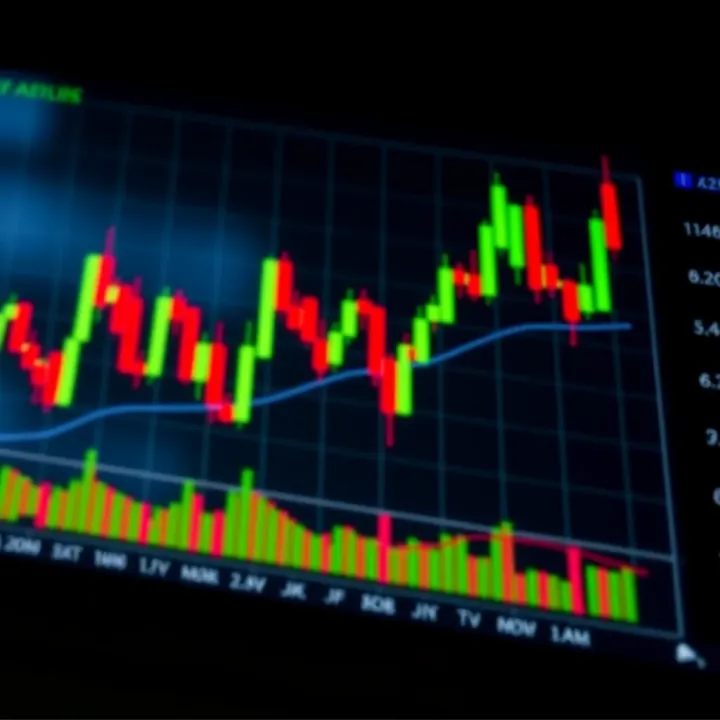
📈 Master candlestick patterns to spot market trends and boost your trading strategies. From basics to advanced, learn to read signals confidently! 🔍

📈 Learn how to read market candlestick patterns for smarter trading decisions in India. Explore basic & advanced signs to spot price trends and avoid mistakes.
Based on 9 reviews