

Momentum Candlestick Patterns Explained with PDF Guides
📈 Learn how to spot momentum candlestick patterns to boost your trading skills with easy guides and handy PDFs. Understand trends & manage risks effectively!
Edited By
Thomas Parker
Candlestick patterns have been a staple of technical analysis for traders and investors worldwide, including those active in Indian markets. Originating from Japanese rice traders centuries ago, these patterns offer a clear way to read market psychology through price action. Understanding them helps you anticipate price movements and make better trading decisions.
Unlike indicators that depend on complex formulas, candlestick patterns rely on visual cues from daily price charts. They use the open, high, low, and close prices to form shapes, each telling a different story about buyer-seller sentiment. For example, a "Hammer" pattern often suggests a potential reversal from a downtrend, signalling that buyers are stepping in.

Recognising these patterns is crucial. Some common ones you might have heard of include the "Doji", which indicates indecision, and the "Engulfing" pattern, signalling a strong shift in momentum. Each of these patterns carries practical implications—knowing them improves your timing for entry and exit.
Mastering candlestick patterns equips you not only to identify market trends but also to manage risk more effectively through informed stop-loss placement and target setting.
This guide covers all essential candlestick patterns you need, from single-candle formations to multi-candle setups that reflect changing market dynamics. It will break down how these patterns form, when they appear, and what they generally imply, using examples relevant to Indian equity and commodity markets.
Additionally, we provide a handy PDF summarising all key patterns for quick reference. Such a resource is invaluable whether you are analysing the Sensex, Nifty, or commodity futures on MCX.
By reading this and using the PDF, you’ll sharpen your chart-reading skills, helping you spot profitable setups and avoid common pitfalls. Whether you are a student of finance, a broker advising clients, or an experienced trader, solid knowledge of candlestick patterns adds a vital skill to your toolkit.
Candlestick patterns play a key role in technical analysis, helping traders and investors read market psychology and predict price movements. This section opens the door to understanding candlestick charts, which visually represent price action over a specific time frame. Knowing these basics allows you to spot potential buying or selling opportunities more confidently.
Candlestick charts originated in Japan over 300 years ago, primarily used by rice traders to gauge market trends. Unlike traditional line charts, candlesticks provide detailed information about price movement within a period, showing the opening, closing, high, and low prices. This rich data source helps you capture not just where price ended but how it moved during that timeframe.
Understanding the background also highlights why candlestick analysis focuses on human behaviour reflected in price fluctuations. The patterns formed indicate shifts in trader sentiment and momentum, making them practical tools in markets worldwide today, including India's NSE and BSE.
Each candlestick has two main parts: the body and the wicks (also called shadows). The body shows the range between the opening and closing price. If the close is higher than the open, the body is typically coloured green or white, signalling bullish sentiment; if lower, it’s red or black, indicating bearishness.
The wicks extend above and below the body, marking the highest and lowest prices during the period. For example, a long upper wick may suggest selling pressure near the top, while a long lower wick can indicate buying support. These components give immediate visual clues about market strength or hesitation.
Candlestick patterns reflect the ongoing battle between buyers and sellers. When you see a pattern like a Hammer with a long lower wick, it suggests buyers stepped in strongly after early selling. Conversely, a Shooting Star with a long upper wick shows sellers overpowering buyers near a price peak.
Recognising these signals helps you understand if the market mood is turning bullish or bearish. For instance, spotting a Bullish Engulfing pattern after a downtrend could hint at a potential reversal, signalling that demand is picking up.
Traders often combine candlestick patterns with other tools to decide entry and exit points. If the charts show a Morning Star pattern near a key support level, you might consider buying with a stop-loss just below.
Patterns are not standalone predictors but provide useful context. For example, if volume confirms the pattern’s signal, the chance of a successful trade increases. That said, ignoring overall market context or relying solely on patterns might lead to false signals, so always analyse carefully before acting.
Candlestick patterns give you a quick snapshot of market dynamics, helping you gauge when to buy, sell, or hold. This foundation makes it easier to learn more complex patterns effectively.
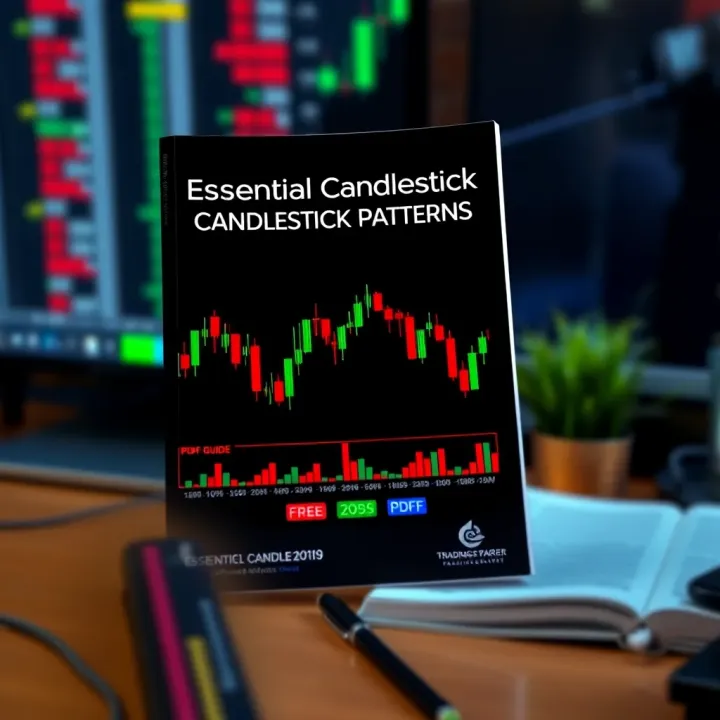
Understanding these basics sets the stage for deeper exploration of individual patterns covered in later sections. With clear grasp of what candlesticks represent and how they reflect trader behaviour, you’re better equipped to enhance your trading or investing strategy.
Understanding major candlestick patterns is essential for traders and investors since these patterns reveal shifts in market sentiment. Spotting them accurately helps you anticipate price movements, whether upward or downward, thus aiding better trading decisions. Each pattern not only indicates potential reversals or continuation of trends but also helps in setting entry or exit points.
Hammer and Inverted Hammer are single-candle patterns signalling potential bullish reversals after a downtrend. The Hammer features a small body near the top with a long lower shadow, showing that sellers pushed prices down but buyers regained control by close. For example, if Reliance Industries sees a Hammer pattern near its recent lows, it might suggest buyers stepping in and a bounce back. The Inverted Hammer looks similar but with its long upper shadow; it indicates buyer attempts to push prices up but with initial selling pressure, often a prelude to a trend reversal.
Bullish Engulfing involves two candles where a small red (bearish) candle is followed by a large green (bullish) candle that completely engulfs the prior candle’s body. This pattern suggests strong buyer momentum. In Indian markets, spotting this on stocks like Tata Motors could point to a fresh buying interest after a short sell-off, making it a useful signal for entry.
The Morning Star is a three-candle pattern signalling a bullish reversal at the end of a downtrend. It includes a long bearish candle, a small-bodied candle (signifying indecision), followed by a large bullish candle closing well into the first candle’s body. This pattern often appears after heavy selling, like in IT stocks during a correction, suggesting a possible trend change.
A Shooting Star signals a potential bearish reversal after a price rise. It’s a single candle with a small body near the low and a long upper wick, showing the price tried to climb but sellers forced a drop by closing. For instance, HDFC Bank forming a Shooting Star near resistance levels could hint sellers are gaining strength, warning traders to consider exits or tight stops.
The Bearish Engulfing pattern shows a smaller green candle followed by a bigger red candle engulfing it, indicating sellers overpower buyers. If seen on a stock like Infosys after a rally, it warns of a possible downtrend beginning, so traders may use it to book profits or short sell.
An Evening Star forms with three candles: a long bullish candle, a small indecision candle, and a large bearish candle closing into the first candle’s body. This pattern often points to a top or reversal, such as in commodity stocks during peak price levels, signalling traders to act cautiously.
Doji and its variations represent indecision where opening and closing prices are almost the same. Their significance depends on market context; for example, a Doji after a strong uptrend might hint that buyers are losing strength, inviting possible corrections. A Gravestone Doji, with a long upper wick and no lower shadow, usually signals bearish reversal.
The Harami Pattern features a large candle followed by a smaller candle completely inside the previous body, signalling weakening trends. A bullish Harami after a downtrend suggests buyers might be returning, while a bearish Harami after an uptrend hints at selling pressure rising.
Finally, Three White Soldiers and Three Black Crows are strong continuation or reversal patterns. Three White Soldiers consist of three consecutive long bullish candles, showing solid buying pressure, often confirming an uptrend. Conversely, Three Black Crows with three long bearish candles warn of a strong downtrend, helping traders identify solid shifts in trend direction.
Recognising these major candlestick patterns and their meanings gives you actionable insights to navigate the markets with greater confidence, helping you spot entry and exit points based on real-time price action rather than guesswork.
Using candlestick patterns by themselves rarely gives a reliable trading edge. They work best when combined with other technical indicators and market context. Understanding how to blend these tools helps improve decision-making and reduces risks.
Support and resistance levels are price zones where markets tend to pause or reverse. When a bullish candlestick pattern forms near a strong support level, it strengthens the case for a potential upward move. For example, spotting a Hammer pattern close to a support line on the Nifty 50 chart makes the signal more trustworthy. Similarly, a bearish pattern near resistance could hint at a reversal downward. Ignoring these levels may lead to false signals.
Moving averages smooth out price fluctuations and indicate trend direction. A candlestick pattern aligning with a crossover or bounce off a moving average adds confidence to the signal. Say the 20-day exponential moving average (EMA) acts as dynamic support. A Bullish Engulfing candle forming there becomes more significant for a buy entry. Conversely, bearish patterns near moving average resistance suggest selling opportunities. Incorporating moving averages helps filter noisy signals.
Volume confirmation checks the strength behind price moves. A candlestick pattern on low volume may lack conviction, increasing chances of failure. For instance, after a Morning Star pattern, higher than average volume supports the upward reversal. On the other hand, if volume is weak, the pattern might only be a short-term blip. Traders often combine volume spikes with patterns to confirm genuine interest from buyers or sellers.
Relying solely on patterns can lead to costly mistakes. No pattern guarantees price direction; markets can be unpredictable. Many beginners jump into trades based only on a pattern's appearance without any supporting confirmation. This approach often results in losses, as patterns alone don't reflect broader market conditions or news events impacting prices.
Ignoring market context is another trap. A Bullish Engulfing candle in a strong downtrend may not signal a lasting reversal but rather a brief pause. Understanding broader trends, overall sentiment, and economic factors helps avoid false optimism or unnecessary panic. For example, the RBI’s interest rate announcements can drastically affect market behaviour despite bullish-looking candlesticks.
Misinterpreting signals happens when traders mistake the pattern or ignore nuances like candle size, position, or surrounding bars. A Doji at the top of an uptrend carries different weight than one appearing amidst sideways movement. Not all patterns mean immediate reversal; some hint at consolidation or continuation. Learning these subtleties separates successful traders from those who jump to faulty conclusions.
Combining candlestick patterns with other tools and avoiding common pitfalls helps develop a practical edge. Patterns offer clues, but you need to read the whole picture to make smart trading choices.
Having a well-curated PDF on candlestick patterns can be a real asset for traders and investors. It acts as a handy guide to refresh your memory quickly and spot patterns without fumbling through charts. Since the stock market can be fast-moving, having essential information at your fingertips helps you make timely decisions. Moreover, a PDF format allows easy access across devices, ensuring you can consult it during market hours or while analysing past data.
Official financial education sites usually offer trustworthy and updated PDF resources. For example, websites run by the Securities and Exchange Board of India (SEBI) or the Reserve Bank of India (RBI) often provide educational material catering to all levels — from freshers to seasoned market players. These documents benefit from regulatory oversight, meaning the content is accurate and aligned with market standards. Downloading from such sources reduces the risk of outdated or incorrect information that can mislead traders.
Reputable trading platforms in India like Zerodha, Upstox, or ICICI Direct also publish comprehensive PDFs on candlestick patterns. These platforms understand their users require practical and concise guides that fit Indian market contexts. Their PDFs often include examples referencing Nifty, Sensex indices, or popular equities like Reliance Industries or TCS, which add relevance. Using these PDFs keeps you connected with real market scenarios and enhances effective learning.
Ensuring updated and accurate material matters because market patterns evolve with changing trading behaviours and regulations. A PDF published several years ago might miss recent developments or new interpretations. Always check the publication or last updated date before relying on any PDF. Also, cross-verify key concepts with multiple sources, including recent articles or webinars from credible Indian market analysts. This habit prevents basing trading decisions on obsolete information.
Using the PDF as a quick reference during trading helps you confirm pattern recognition without wasting time searching through bulky books or articles. For instance, if you spot a potential Bullish Engulfing pattern on your laptop during live market hours, you can instantly refer to the PDF to remind yourself of the pattern's confirmation requirements. This practice reduces hesitation and supports confident decision-making.
When it comes to printing and note-taking, having a physical copy of the PDF at your desk comes handy. Use a highlighter to mark patterns you tend to use more often or write brief notes on conditions that signal stronger confirmations in your experience. Physical notes impose discipline in learning and make it easier to track your progress over time.
Digital natives can benefit from tools for annotation on tablets or smartphones. Apps like Adobe Acrobat Reader or OneNote allow you to underline, add sticky notes, or bookmark pages within the PDF. These tools help personalise the material, letting you focus on patterns you find trickier or track observations during live trades. Plus, digital annotations are searchable, making review sessions efficient before market hours.
Keep your PDF well-organised and updated. Whether printed or digital, it serves best when tailored to your trading style and market watchlist.
Using the right PDF resource, paired with active engagement through note-taking or quick references, can sharpen your chart-reading skills practically and sustainably.
Stepping back from the technical details, this section wraps up why understanding and practising candlestick patterns can really make a difference in your trading journey. It's not just about recognising shapes on charts but applying that knowledge with confidence in real market situations. By focusing on practical next steps, you get a clear path forward rather than just theory.
Simulated trading with patterns allows you to test your skills without risking actual money. Many traders start with virtual trading platforms that mimic real market conditions, helping you spot candles in real-time and make decisions based on what you’ve learned. For instance, using a simulator for Nifty futures lets you practice recognising reversal patterns like the Morning Star and placing hypothetical trades accordingly. This builds your instinct for how these patterns play out before you take real financial exposure.
Besides, simulated environments offer instant feedback. If your trades based on candlestick patterns don’t go as expected, you can review what went wrong and adjust your strategy. It’s like doing a dress rehearsal — you become familiar with different market rhythms and sharpen your pattern reading without pressure.
Tracking pattern success rates is another valuable habit. By keeping a simple journal or spreadsheet of your trades, noting which candlestick pattern triggered your decision, and recording the outcome, you begin understanding which patterns work best in certain conditions. Maybe the Bullish Engulfing pattern gave good returns in the last volatile phase of the Sensex but faltered during a steady uptrend.
Over time, this tracking reveals your personal edge and helps avoid following every pattern blindly. Some traders analyse success rates to fine-tune entry and exit points or decide when to combine patterns with other indicators like moving averages for higher accuracy.
Suggested books and courses play an important role beyond just the basics. For example, "Japanese Candlestick Charting Techniques" by Steve Nison is one of the most respected books covering in-depth pattern analysis. Also, various online courses offered by Indian platforms like Zerodha Varsity or NSE Academy provide structured lessons tailored to the Indian market environment. Such resources deepen your understanding and introduce nuances like pattern reliability and volume confirmation.
Forums and trading communities provide ongoing support and a chance to exchange ideas. Indian trading forums such as Traderji or community groups on WhatsApp and Telegram bring traders of all levels together. Sharing chart screenshots, asking for opinions on pattern validity, or discussing recent market moves enhances learning. Plus, community feedback often challenges your assumptions, helping you avoid common pitfalls.
Trading candlestick patterns is a skill sharpened with practice and continuous learning. Use simulations to build comfort, track your trades to improve precision, and engage with learning resources and communities to stay updated.
By integrating these next steps, you not only understand candlestick patterns theoretically but apply them confidently in your trading decisions. This practical approach sets you on a path toward consistent, informed market moves.
📈 Learn how to spot momentum candlestick patterns to boost your trading skills with easy guides and handy PDFs. Understand trends & manage risks effectively!
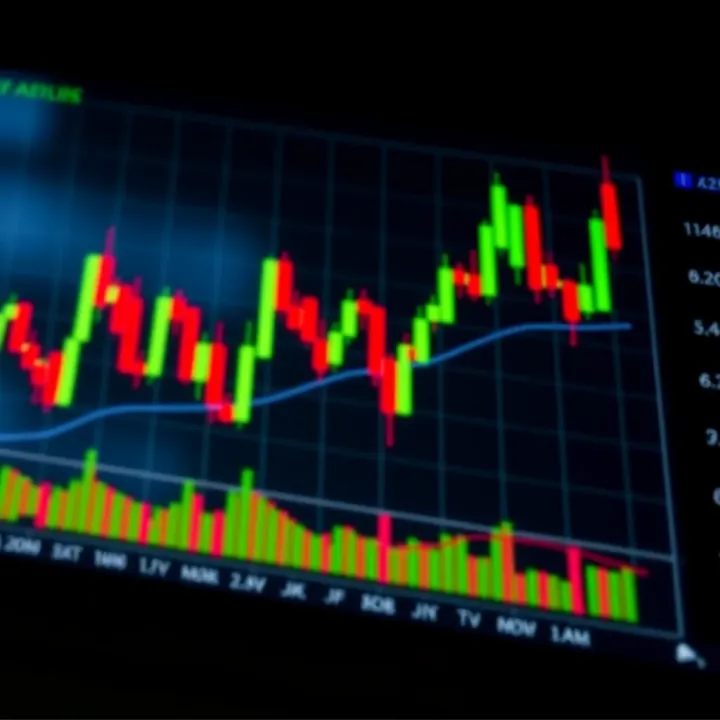
📈 Master candlestick patterns to spot market trends and boost your trading strategies. From basics to advanced, learn to read signals confidently! 🔍

📈 Learn how to read market candlestick patterns for smarter trading decisions in India. Explore basic & advanced signs to spot price trends and avoid mistakes.

📊 Master candlestick patterns with this practical guide! Learn key charts, pattern meaning, and boost trading skills in India & globally, plus handy PDF tools 📈
Based on 14 reviews