

Charges on Options Trading in India Explained
Explore detailed costs involved in options trading in India 📈 from brokerage to exchange and regulatory charges, helping you plan your investments smartly.
Edited By
Charlotte Davies
Options trading can seem complex at first, but breaking it down helps you get a solid grip on how it works. Essentially, options give you the right, but not the obligation, to buy or sell a stock at a set price within a certain time. This sets options apart from simply owning stocks because you're controlling the option to make a move rather than the stock itself.
There are two main types of options: calls and puts. A call option allows you to buy the underlying asset at a specific price, known as the strike price, before the option expires. Conversely, a put option lets you sell at the strike price within the same timeframe. For example, if you buy a call option for Apple stock at a $150 strike price, and the stock rises to $170, you have the right to buy the stock at $150, potentially profiting from the $20 difference.

Remember, options are contracts with expiration dates. If you don’t exercise your option before it expires, it becomes worthless, and you lose the premium paid to buy it.
Understanding the premium — the price you pay to purchase an option — is key. This premium depends on several factors including the stock’s current price, strike price, time until expiration, and market volatility. For those new to options, think of the premium as the upfront cost to reserve the right to make a trade later.
Options trading isn’t just about betting on stock prices going up or down. People use options for various strategies such as:
Hedging: Protecting your portfolio against significant losses.
Speculating: Taking calculated risks to profit from market movements.
Income generation: Writing options to collect premiums regularly.
Before starting, consider the risks, especially how fast option values can change. Not all strategies fit every trader, so it’s wise to understand how different market conditions impact your positions.
Bottom line, options can add flexibility and new possibilities to your investing toolkit, but they demand attention and understanding. Starting with the basics about calls, puts, premiums, and expiration helps you build confidence to explore more advanced tactics later on.
Understanding the basic concepts of options trading lays the groundwork for making informed decisions in this market. Options aren't just another stock—they represent contracts with potential but different risks and rewards. Grasping these fundamentals saves you from common pitfalls and helps you spot opportunities where options fit your investment goals.
Options give you the right, but not the obligation, to buy or sell an underlying asset at a set price on or before a specific date. Think of options as a way to hedge risks or speculate on price moves without owning the actual stocks. For example, if you expect a company’s stock price to jump, buying an option lets you lock in today’s price while betting on future gains.
Options serve multiple purposes: they allow portfolio protection, income generation, or even leverage to control bigger positions with less capital. A trader can use options to guard against unexpected market drops or to profit from sideways price moves.
Stocks represent ownership in a company, which means you own a part of its assets and earnings. Options, however, are contracts based on those assets—they don’t provide ownership but offer the choice to buy or sell stocks at predetermined terms.
Owning stocks entitles you to dividends and voting rights, but with options, your involvement ends with exercising the contract or selling it. This distinction affects risk exposure: stocks carry unlimited upside and downside risk, while options can limit losses to the premium paid, but they expire, often making timing crucial.
Call options give you the right to buy a stock at a specified strike price by the expiration date. If the stock’s market price climbs above your strike price, you can buy shares cheaper than the market or sell the option contract for a profit. For example, if you have a call option with a strike price of $50 and the stock rises to $60, the call is “in the money” and valuable.
Traders use calls to bet on price increases without shelling out for full shares upfront. It’s a way to control more stock for less capital, but if the stock doesn’t move above the strike price, your loss is limited to the option premium.
Put options give you the right to sell a stock at a specific price before the option expires. This comes in handy when you expect the stock price to fall. Owning a put can protect your portfolio against losses or allow you to profit by selling shares higher than market value if the stock drops.
For example, if you hold a put option with a strike price of $40 and the stock falls to $30, exercising or selling that put can offset losses you’d face holding the actual shares. Puts are often used as insurance or speculative bets on downward moves.
Options add flexibility to your trading arsenal but demand clear understanding and smart timing to avoid costly mistakes.
In short, knowing what options are, how they differ from stocks, and the key types—calls and puts—is essential before moving toward more complex strategies. This foundation helps you approach options trading with confidence and clarity.

Options trading boils down to two main factors that shape its outcome: the strike price and the expiration date. These define the boundaries of your potential gains and losses, making them more than just technical terms—they're essential tools for crafting your trading strategy.
The strike price is the preset price at which you can buy or sell the underlying asset if you choose to exercise the option. It's the benchmark that determines whether an option is "in the money" or "out of the money." For example, if you buy a call option on Apple stock with a strike price of $150, and Apple's stock price rises to $170, your option has intrinsic value because you can buy at $150 and potentially sell higher.
Expiration date acts like a ticking clock for your option. It’s the last day you can act on it before it becomes worthless. This date forces traders to consider timing carefully. For instance, imagine you’re buying a put option on a volatile tech stock that’s due to release earnings soon. Picking an expiration too far out wastes money as premiums rise; too soon, and you might miss the stock’s move.
Together, strike price and expiration set the context for the option’s value and risk. A strike price closer to the current stock price usually means a higher premium because it holds more promise. Conversely, deep out-of-the-money options are cheaper but riskier bets, sometimes used for speculation.
The premium is the cost to buy an option, paid upfront to the seller. This isn’t just a price tag; it reflects the option’s potential future payoff and risk. Factors influencing premium include the underlying asset’s price, strike price, time until expiration, and how volatile the asset is.
For example, when markets are jittery, premiums climb because the chance of big price swings increases. If you chose to buy a call option on Tesla just before a major product launch, expect a pricey premium reflecting the uncertainty.
Paying the premium is like buying a ticket to a possible profit. If the market doesn’t move as anticipated by expiration, you lose the entire premium. So managing how much you’re willing to invest upfront is a big part of smart trading.
Remember, the premium is not just cost—it’s your maximum risk as a buyer and potential immediate gain as a seller.
Understanding these practical elements—the strike price, expiration, and premium—gives you a solid framework to make measured bets rather than guesses. They shape how options play out in real-world trading and help you plan your moves strategically rather than blindly hoping for the best.
Understanding common options trading strategies helps you tailor your approach to the market. These strategies offer different balances between risk and reward and suit traders at various experience levels. Mastering them can improve your ability to protect investments, speculate wisely, or generate income.
Buying a call option means you expect the stock price to rise. You pay a premium for the right to buy the stock at a specific price, called the strike price, before the option expires. For example, if you buy a call on Stock XYZ with a strike price of $50 and the stock climbs to $60, you can buy it at $50 and potentially profit. This strategy offers unlimited upside but limits your loss to the cost of the option.
Buying a put option works the opposite way. It gives you the right to sell the stock at the strike price, useful if you expect the stock to drop. Imagine owning shares but worried about a dip—you can buy puts to hedge or purely speculate on a fall. Like calls, the maximum loss equals the premium paid.
Covered calls involve holding the underlying stock while selling call options against it. This strategy generates extra income from the premium received. Suppose you own 100 shares of ABC at $40 each. You sell a call option with a $45 strike price, collecting a premium. If ABC stays below $45, you keep the premium and the shares. If it rises above $45, your shares might be called away, but you still keep the premium plus the gains up to the strike price.
Covered calls suit investors seeking additional income on stocks they expect to hold long term but don't anticipate big price jumps soon. It’s a way to improve returns while having some downside protection thanks to the premium.
Spreads involve buying and selling options simultaneously to limit risk and cost. A popular example is the vertical spread where you buy a call at one strike and sell another call at a higher strike. For instance, you buy a $50 call and sell a $55 call on the same stock. This caps your maximum profit but lowers the upfront premium compared to just buying a call.
Spreads help balance your risk/reward and are creative tools to fit specific market views. They’re commonly used to reduce losses in volatile markets or when you want a cost-effective way to bet on moderate moves.
Both strategies bet on volatility without needing to predict direction. A straddle involves buying a call and a put at the same strike price and expiration date. If the stock swings sharply either way, you can profit.
Strangles are similar, but the call and put have different strike prices, typically chosen out-of-the-money to reduce the premium paid. For example, you buy a $50 put and a $55 call expecting the stock to move but unsure which direction.
These approaches can be powerful when earnings reports or other events might cause big price shifts. However, if the stock stays steady, both options lose value, so timing and event selection are key.
The bottom line is that selecting the right options strategy depends on your market outlook, risk acceptance, and goals. Starting simple and building up to complex trades safely is always the best approach.
Options trading comes with a unique balance of risk and reward that sets it apart from regular stock investments. Understanding this is critical because options can magnify both your gains and your losses. Unlike owning stock directly, where your maximum loss is usually the amount you paid, options contracts can expire worthless, wiping out your entire investment or even exposing you to greater losses if you're trading more complex strategies.
When you buy an option, your maximum loss is generally limited to the premium you paid. For example, if you buy a call option on a stock priced at $50 with a premium of $3, your maximum loss is $300 (since each option typically covers 100 shares) if the stock never rises above the strike price before expiration. On the flip side, your gains can be substantial if the stock price surges past the strike, offering leveraged returns. However, sellers of options face different risks. Selling an uncovered call exposes you to theoretically unlimited losses if the stock shoots up, so it demands careful consideration.
It's worth noting that some complex strategies, like spreads, aim to cap both gains and losses. For instance, a bull call spread limits your maximum profit but also reduces potential losses compared to simply buying a call. These strategies require careful monitoring because losses can accumulate if the trade doesn't move as expected.
Effective options trading is about managing risk without giving up the potential for profit.
Setting clear limits on how much you're willing to risk is a foundational method in options trading. This might mean deciding in advance the maximum premium you're prepared to pay or determining a dollar amount you won't exceed on total losses. For example, if you allocate $1,000 for options this month, once you hit that loss threshold, you stop trading to avoid chasing losses. This discipline protects your portfolio from bigger setbacks.
Traders can also use position sizing to control risk. Smaller positions mean your losses from any single trade won't seriously dent your overall portfolio. This approach also helps manage emotional responses, keeping decisions logical rather than impulsive.
Stop orders help limit your losses by automatically selling or buying when a stock or option price reaches a set level. For example, if you purchase a call option on Apple with a $5 premium, you might place a stop order to sell if the premium falls to $2. That way, you lock in some loss but avoid watching it drop to zero.
While stop orders offer protection, they aren’t foolproof—especially in volatile markets where prices can gap past your stop without executing at the exact price. Still, they provide a safety net that can prevent emotions from driving poor decisions. Combining stop orders with sound analysis keeps your risk in check and balances your chance for reward.
Both setting limits and using stop orders ensure you're not gambling blindly. They are concrete tools that help you stay in control and protect your capital, which is the lifeblood of any successful options trader.
Getting started with options trading involves important steps that set the foundation for your success. Diving into options without understanding the right brokerage or resources can lead to confusion and costly mistakes. This section highlights two key areas to help you enter options trading with confidence: choosing a brokerage that fits your needs and leveraging educational tools to build skills.
Selecting the right brokerage is crucial because it impacts your trading experience, costs, and access to tools. Look for a broker that offers a transparent fee structure, especially regarding commissions and contract fees on options trades. For example, some popular US brokers like Charles Schwab, Fidelity, and E*TRADE provide competitive options pricing with no base commissions and a fixed fee per contract. This transparency helps you avoid surprises that eat into profits.
Beyond costs, check the trading platform. User-friendly interfaces can save you time and reduce errors, especially if you're starting. Features like real-time data, options chain views, and customizable alerts are valuable. Some brokers also provide advanced tools such as probability calculators or risk graphs that help you understand the potential outcomes of your trades. For instance, thinkorswim by TD Ameritrade is well-known for robust options analytics geared toward active traders.
Your choice should also consider customer support quality and educational resources offered. Having prompt help when you face issues prevents frustration and costly mistakes during fast-moving markets.
Practicing options trading through simulation (paper trading) platforms allows you to learn without risking real money. These platforms mimic live market conditions, letting you place trades, test strategies, and observe outcomes. For example, the thinkorswim platform offers a paperMoney feature where you can try new plays and get comfortable with complex strategies in a risk-free environment.
Simulations help you understand how options behave under different market conditions and how factors like time decay or volatility affect prices. This practical trial-and-error process is essential before committing capital.
Alongside practice, education shapes your understanding of options. Many brokers provide educational resources such as videos, webinars, and articles. Sites like the Options Industry Council (OIC) offer free courses tailored to various skill levels, explaining concepts from basics to advanced strategies.
Books like "Options as a Strategic Investment" by Lawrence McMillan or "The Options Playbook" by Brian Overby provide in-depth insights and real examples. Combining reading materials with interactive tutorials can accelerate learning.
Bottom line: Starting options trading well-equipped means choosing a broker that suits your style and practicing your skills with reliable tools. Education and hands-on practice go hand-in-hand to build confidence and reduce costly mistakes.
Explore detailed costs involved in options trading in India 📈 from brokerage to exchange and regulatory charges, helping you plan your investments smartly.

Discover the best apps for options trading in India 📱 Compare features, charges, and security to find your perfect platform with easy payment options and RBI compliance.
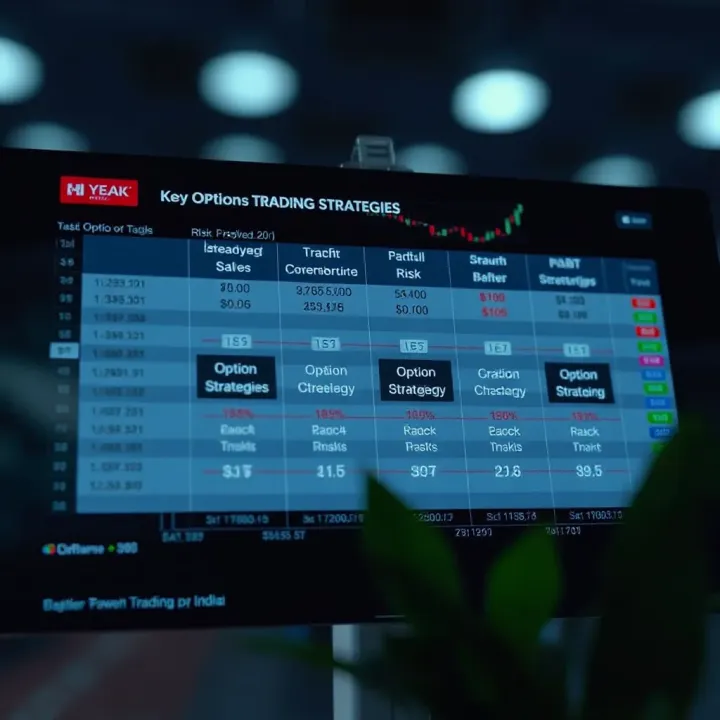
Learn options trading in India 📈: understand basics, strategies, risks & practical tips to manage your investments smartly in the stock market. Start wisely today!
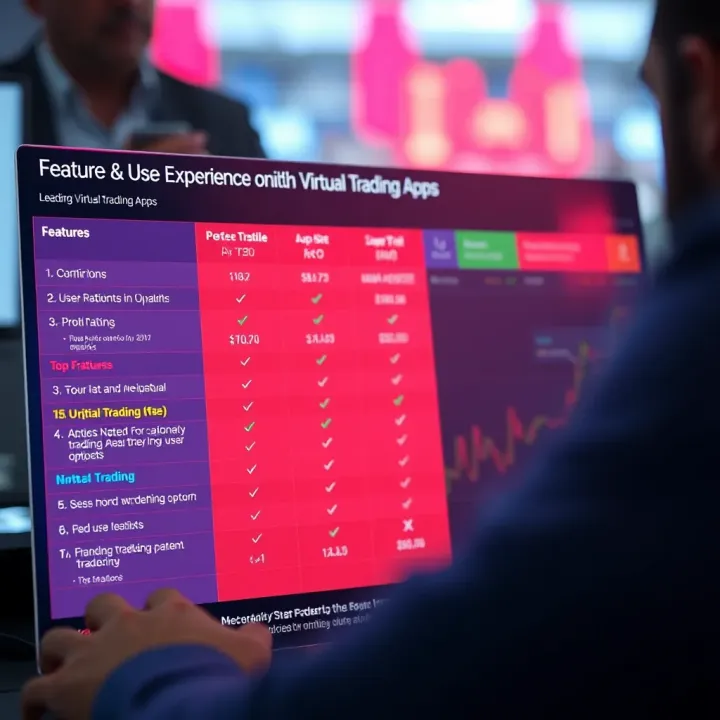
Explore the top virtual trading apps for options in India 📱 Compare features, ease of use, and reliability to pick the best platform for risk-free practice and strategy refinement.
Based on 13 reviews