

Key Candlestick Patterns for Trading Success
📈 Learn to spot key candlestick patterns that reveal bullish and bearish signals, helping you predict market moves & improve your trading success wisely.
Edited By
Sophie Reed
Candlestick patterns serve as vital tools in trading, offering insights into market sentiment and potential price movements. These visual formations, created through the display of open, high, low, and close prices over specific periods, help traders decode the push and pull between buyers and sellers.
Understanding these patterns can improve your ability to predict short-term trends and time your trades better. For instance, a bullish engulfing pattern often signals a possible uptrend, while a shooting star may warn of a near-term price reversal downward.

Recognising candlestick patterns quickly can make the difference between entering a profitable position and missing the opportunity altogether.
Unlike simple line charts, candlesticks give a detailed snapshot of price action within a given period. They showcase the battle between bulls and bears more vividly, allowing traders to:
Spot trend reversals early
Identify continuation patterns to confirm the market direction
Manage risks by setting informed stop-loss and target levels
Candlestick patterns fall mainly into two categories:
Single-candle patterns: These include dojis, hammers, and spinning tops, revealing indecision or potential reversals.
Multiple-candle patterns: Such as engulfing patterns, morning star, and evening star, which provide clearer indications when combined price actions confirm a trend shift.
Imagine trading Nifty 50 index futures. Spotting a morning star pattern near a recent low might encourage you to take a long position, while placing a stop-loss just below the pattern's lowest point. This tactical approach, grounded in candlestick reading, helps manage risk while capitalising on probable bullish moves.
In summary, mastering candlestick patterns equips you with a straightforward, visual method to read market psychology, boosting your trading decisions with better timing and confidence.
Candlestick patterns serve as a vital tool for traders and analysts aiming to anticipate price movements in financial markets. Understanding these patterns helps you spot potential buy or sell signals, making trading decisions more informed and timely. For example, recognising a 'hammer' candlestick at the bottom of a downtrend might indicate a possible market reversal, allowing timely entry or exit.
Origin and basic structure of a candlestick
Candlestick charts originated in Japan in the 18th century, used initially by rice traders to visualise price actions. Each candlestick represents price movements for a specific period and includes four key data points: the open, high, low, and close prices. The filled or hollow body shows the price range between open and close, while the thin lines called wicks or shadows represent the highs and lows.
This simple graphical representation makes it easier to grasp the market's overall sentiment at a glance compared to traditional line charts.
Role in technical analysis
Candlestick patterns are integral to technical analysis, where traders assess past price data to predict future trends. They help summarise market dynamics within a specified timeframe and identify shifts in momentum or investor psychology. For instance, a 'shooting star' after a bullish run often signals weakening buying interest and possible price decline.
Because these patterns merge price action details into single shapes, traders can use them alongside other technical tools like moving averages for better decision-making.
How patterns indicate price direction
Certain candlestick patterns suggest probable price direction shifts. Patterns like 'engulfing' or 'morning star' signal reversals, while 'three white soldiers' imply strong bullish continuation. These visual clues arise because they reflect changing balances between buyers and sellers.
For example, a bullish engulfing pattern happens when a smaller bearish candle is followed by a larger bullish candle, indicating buyers overpower sellers and a potential trend change upwards.
Advantages over other chart types
Candlestick charts combine the detail of bar charts with an easy-to-interpret graphic design. Unlike simple line charts, they reveal both price direction and volatility within each period, which helps detect market sentiment shifts faster.
This clarity suits fast-paced markets where making quick calls based on visual cues can prevent losses or secure profits.
Reading market sentiment with patterns
Candlestick patterns encapsulate the psychology of market participants. Shapes such as Doji candles show indecision, while long-bodied candles indicate strong momentum from buyers or sellers. Thus, traders can assess whether bulls or bears currently dominate.
Such sentiment reading helps in timing entries or exits more effectively by aligning trades with prevailing market moods.
Reliability and limitations
While useful, candlestick patterns are not foolproof signals. Their reliability increases when confirmed by volume or other indicators, but false signals still occur, especially in low liquidity or choppy markets.
Traders should therefore use candlestick analysis as part of a broader strategy and maintain disciplined risk management to protect against unexpected moves.
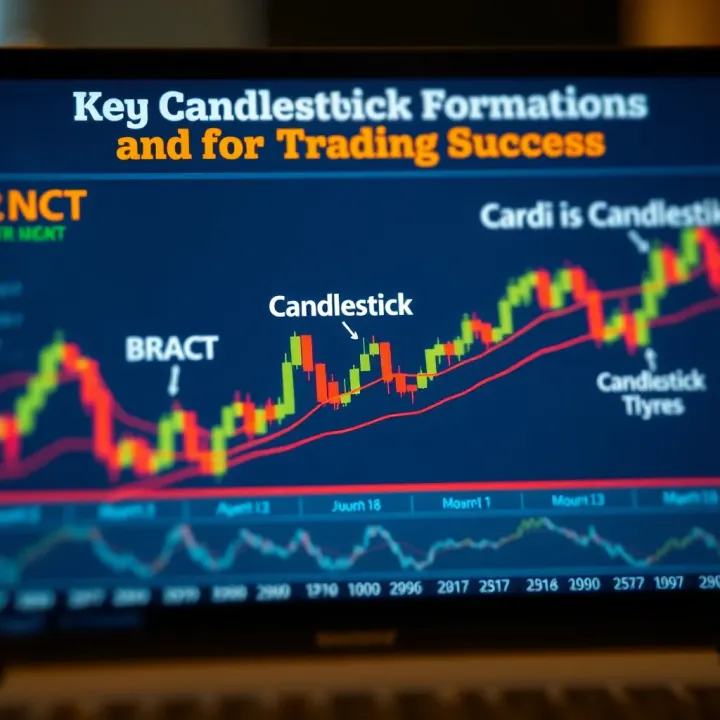
Successful trading depends not just on identifying patterns but understanding their implications within the wider market context.
Single candlestick patterns offer quick insights into price action during a particular trading session. Unlike multiple-candle formations, these patterns focus on one candlestick, making them useful for spotting immediate market sentiment shifts. Traders often rely on these to gauge potential reversals or continuations without waiting for several days to unfold, especially during volatile market conditions.
Doji and its variations: A Doji forms when the opening and closing prices are almost the same, resulting in a candlestick with a tiny or no real body. This pattern signals indecision among traders—bulls and bears are evenly matched. For example, in an uptrend, a Doji could hint that buyers are losing momentum, possibly foreshadowing a reversal. However, context matters. A Doji alone is not a strong signal; it is better confirmed with surrounding candles or additional indicators.
Hammer and Hanging Man: These patterns look similar but have different implications based on the trend. The Hammer appears after a downtrend and shows a small body with a long lower wick, suggesting buyers pushed prices back up after initial selling pressure. It often signals a potential bullish reversal. Conversely, the Hanging Man forms at the end of an uptrend with the same shape but indicates a possible bearish reversal. For example, spotting a Hammer at a support level on a daily chart might encourage traders to consider a buy.
Shooting Star and Inverted Hammer: Both have small bodies with long upper wicks. The Shooting Star appears at the top of an uptrend, showing that buyers tried to push prices higher but sellers regained control, indicating a likely downward move. The Inverted Hammer forms after a downtrend and suggests a potential bullish reversal as buyers test higher prices despite selling pressure. For instance, a Shooting Star near resistance paired with volume spikes may prompt traders to tighten stop losses or exit long positions.
Identifying potential reversals: Single candlestick patterns can indicate that a trend might lose steam and reverse. The key is recognising these signals at the right place — at the end of a trend or near support or resistance zones. For example, a Doji or Hammer near support can be a sign of buyer strength coming in. While they don't guarantee reversals, such patterns raise a flag to watch the market closely for confirmation.
Quick glance at a pattern should not prompt immediate action; always look for additional signs like subsequent price movement or confirming indicators.
Using volume to confirm patterns: Volume adds weight to single candlestick signals. A Hammer forming with high volume indicates genuine buying interest, making the reversal signal stronger. On the other hand, a Shooting Star with low volume might be less reliable. Volume confirmation helps traders avoid false signals typical in low participation phases. For example, during India's festive season trading, volume surges can make such patterns more meaningful.
In summary, single candlestick patterns act as handy snapshots of market sentiment. Yet, relying solely on them without context or volume can lead to false hopes. Combine them with other tools for better trading decisions.
Multiple candlestick patterns show how short-term price movements relate to each other, offering a clearer picture of market sentiment than single candlesticks alone. By analysing two or three candlesticks in combination, traders gain insights into momentum shifts, potential trend reversals, or continuations. For example, spotting a bullish engulfing pattern signals buying strength following a downtrend, which is not always obvious from one bar. This layered approach helps traders confirm patterns, reduce false signals, and make better entry or exit decisions.
Bullish and Bearish Engulfing: The bullish engulfing pattern appears when a small red (bearish) candlestick is followed by a larger green (bullish) one that 'engulfs' it entirely. This indicates buyers have taken control, often signalling a reversal from a downtrend to an uptrend. For instance, if a stock has been sliding for days, a bullish engulfing near support can suggest a strong bounce is likely, prompting buyers to enter.
On the other hand, the bearish engulfing pattern shows the opposite. A smaller green candlestick is swallowed by a larger red one, suggesting sellers have stepped up and may push the price lower. This is especially relevant after a rally. Monitoring volume alongside these patterns improves reliability; a rising volume confirms genuine buying or selling pressure.
Piercing Pattern and Dark Cloud Cover: These patterns also appear in pairs over two candlesticks and indicate shifts in sentiment. The piercing pattern happens when a down-day's red candlestick is followed by a green candlestick that closes above the midpoint of the previous body, suggesting buyers are regaining control after selling pressure. This can mark the start of an upward correction.
Conversely, the dark cloud cover forms when a green candlestick is followed by a red one that closes below the midpoint of the prior green body. It warns of potential bearish reversal as sellers counter prior gains. Both patterns require confirmation through volume and subsequent price action, but they provide early warning signs traders can act on.
Morning Star and Evening Star: The morning star marks a potential bullish reversal. It starts with a long red candle showing strong selling, followed by a small-bodied candle (could be red or green) indicating indecision, and ends with a long green candle that closes well into the red candle’s territory. This suggests sellers are tiring, and buyers are ready to push prices up.
The evening star is its bearish counterpart. After a long green candle, a small indecisive candle appears, followed by a long red candle closing into the previous green’s body. Seeing this near resistance or after an uptrend tells traders bears are taking over. Both stars work better combined with support or resistance levels.
Three White Soldiers and Three Black Crows: The three white soldiers pattern consists of three consecutive strong green candles with progressively higher closes, often signalling sustained buying momentum. For example, after a downtrend, spotting this pattern near a support level can give traders confidence of a trend reversal.
In contrast, three black crows show three consecutive red candles with lower closes, indicating persistent selling pressure and likely continuation of a downtrend. This pattern warns traders to tighten stops or prepare for short opportunities.
Recognising these multiple candlestick patterns adds depth to technical analysis. They help identify subtle shifts in market psychology that single candles may miss, aiding better timed trading decisions.
By combining these patterns with volume and other indicators, traders can find setups with higher probability and manage risks more effectively.
Using candlestick patterns effectively means not relying solely on them as isolated signals. These patterns gain real power when combined with additional indicators and sound risk management. This helps you spot better trade setups, avoid false alarms, and protect your capital.
Moving averages (MA) help smooth out price action and identify the market trend, which makes them a useful companion to candlestick patterns. For example, a bullish engulfing pattern appearing near a key support level and above the 50-day MA could signal a strong buy opportunity. This suggests the market might be reversing within a broader upward trend. Traders often watch how candlestick patterns behave around support or resistance zones: if a hammer forms near resistance but fails to break it, the pattern alone might not be enough for an entry.
Another practical use is spotting crossovers in conjunction with candle signals. A bearish shooting star close to a 200-day MA resistance can reinforce a sell decision. By combining patterns with MAs and known support/resistance, you add context which is vital in Indian markets where whipsaws are common.
Volume provides clues about the strength behind price moves. A bullish pattern accompanied by rising volume suggests genuine buying interest, making the signal more reliable. For instance, a morning star pattern during a volume spike tends to confirm buyers stepping in. Conversely, if volume is low, the pattern’s impact could be weak or short-lived.
Momentum tools like the Relative Strength Index (RSI) also help filter candlestick signals. If a bullish pattern occurs while RSI is rising from oversold levels (below 30), there is higher chance of a price bounce. But a similar pattern in overbought territory (RSI above 70) demands caution. Combining momentum and volume with candlestick setups often improves timing and trade quality.
Using candlestick patterns to place stop-loss orders can limit losses and lock in profits. For example, after identifying a hammer as a reversal signal, traders might place a stop just below the candle’s low. This means if price drops past this point, the pattern has failed and it’s time to exit. Stop-loss placement should respect the pattern’s structure to avoid getting stopped out on normal price fluctuations.
Similarly, for a bearish engulfing pattern, stops can be set above the candle’s high. This approach helps protect capital while giving the trade enough room to breathe. In Indian markets, where sudden swings occur, keeping stops a bit wider during volatile conditions is prudent.
Not every candlestick pattern leads to a profitable move. False signals can cost money if traders enter too hastily. To reduce mistakes, it’s important to consider patterns within the larger market context. For example, if a bullish pattern emerges during a strong downtrend without confirmation from volume or other indicators, it’s safer to wait.
Another tip is to look for confirmation on subsequent candles or through other technical tools. Ignoring this increases chances of falling for traps. Traders should also avoid jumping in during choppy sideways markets where patterns often produce mixed signals.
Effective trading depends on treating candlestick patterns as part of a bigger picture, blending them with other indicators and managing risk carefully.
By following these practices, you can enhance the usefulness of candlestick patterns and take trading decisions with greater confidence.
Understanding common mistakes and best practices surrounding candlestick patterns can save traders from costly errors. While these patterns offer valuable insights into market psychology, relying solely on them without proper context or validation often leads to wrong calls. This section highlights pitfalls and practical tips to improve trading decisions and build a solid foundation.
Candlestick patterns reflect historical price behavior but don’t predict the future with certainty. For example, a Hammer pattern often signals a potential bullish reversal, yet markets may ignore this and continue declining due to broader economic factors or news events. Treating any single pattern as a magic formula risks ignoring market complexities and leads to overconfidence. Successful traders combine patterns with other tools like volume analysis, trend study, and macro factors to confirm signals.
The same pattern can have different implications depending on market context. A Bearish Engulfing pattern at an all-time high warns of weakening momentum, but the same pattern in a sideways range might be less reliable or just noise. Similarly, during major policy announcements or volatile sessions, patterns may produce false signals. Evaluating patterns within the ongoing trend, volume, support/resistance levels, and market news improves their real-world applicability and helps avoid costly misreads.
Reviewing historical charts helps traders recognise candlestick patterns in various market scenarios. For instance, analysing past Sensex or Nifty charts during key events like the 2016 demonetisation or 2020 pandemic crash shows how patterns played out under stress. This hands-on practice builds pattern recognition skills and awareness of how context affects outcomes. It also highlights which patterns worked best for Indian markets, preparing traders for live trades.
Simulated trading using platforms that offer virtual money lets traders test candlestick strategies without financial risk. This practice enables understanding of order placements, stop-loss levels, and managing emotions when patterns fail or succeed. By paper trading over weeks or months, one refines pattern use and develops discipline. This step is crucial before risking real capital, especially in volatile Indian markets where even experienced traders can face unexpected moves.
Combining candlestick patterns with a clear understanding of their limitations and proper practice greatly improves trading success. Avoid relying blindly on any single signal and always put patterns to test before going live.
📈 Learn to spot key candlestick patterns that reveal bullish and bearish signals, helping you predict market moves & improve your trading success wisely.
🔍 Discover the most reliable candlestick patterns to boost your trading success in India. Learn how to identify and use them for smarter market moves! 📈

📈 Learn the most used candlestick patterns in trading! Get practical tips on spotting market reversals & continuations for smarter trades. 🔍💹
📈 Master candlestick patterns to spot market trends and boost your trading strategies. From basics to advanced, learn to read signals confidently! 🔍
Based on 8 reviews