

Key Candlestick Patterns for Trading Success
📈 Learn to spot key candlestick patterns that reveal bullish and bearish signals, helping you predict market moves & improve your trading success wisely.
Edited By
Jack Mason
Candlestick patterns have become a cornerstone for traders in the Indian stock and commodity markets, offering a snapshot of market psychology and potential price direction. Unlike plain charts, candlesticks provide visuals that capture trading momentum by showing opening, closing, high, and low prices for a specific period.
These patterns aren't just shapes; they are clues about whether the bulls or bears are in control. For example, a long green candlestick often signals strong buying interest, whereas a long red one may warn of selling pressure. Recognising these patterns early can help you spot when a trend might continue, reverse, or stall.

Understanding these patterns allows traders to enter or exit positions with clearer confidence rather than relying purely on gut feeling.
In India’s markets, where volatility can spike due to earnings announcements, geopolitical shifts, or policy changes from the Reserve Bank of India (RBI), candlestick analysis can offer timely insights. Patterns like the Hammer or Engulfing are not just textbook examples—they reflect real-time sentiment shifts you can act upon.
Here are key reasons why mastering these six candlestick patterns matters:
Trend identification: They help confirm if upward or downward momentum will persist.
Risk management: Early signals from patterns can limit losses by prompting timely exits.
Entry points: Spotting reversal patterns allows for better-timed trades.
Adaptability: Useful across various timeframes—day trading, swing trading, or long-term investing.
By focusing on six essential patterns, this article will guide you through recognising them clearly and applying the lessons directly to your trading in Indian equities or commodities like gold, crude oil, and agriculture futures. These patterns carry significance beyond mere shapes—they echo the tug-of-war between buyers and sellers in the market.
Ready to enhance your trading strategy with practical candlestick knowledge? Let's move forward.
Understanding candlestick patterns is a fundamental step for anyone serious about trading in Indian markets. These patterns reveal how prices moved during a specific time frame, providing clues about market sentiment. For example, a bullish candlestick might suggest buyers are gaining control, while a bearish one indicates sellers are pushing prices down. Recognising these signals helps traders anticipate price movements rather than react blindly.
Candlestick patterns are specific formations created by one or more candlesticks on a price chart. Each pattern reflects the battle between buyers and sellers. Their importance lies in the fact that they capture market psychology—fear, greed, hesitation, or confidence—in visual form. For instance, a "hammer" pattern often appears after a downtrend and hints that sellers may have exhausted their strength. Traders can use such signals to time their entry or exit points more effectively.
These patterns have been used for centuries, originating in Japan during the 18th century, but they remain relevant in today's high-speed markets. By studying candlestick patterns, you get an added edge in reading price action beyond numbers alone.
A candlestick consists of a body and wicks (also called shadows) that extend above and below. The body represents the price range between the opening and closing levels during the chosen time period. The wicks show the highest and lowest traded prices.
Body colour: Usually green (or white) signals a close higher than open, i.e., buying pressure. Red (or black) means the close was lower than the open, indicating selling pressure.
Upper wick: The highest price traded during that period.
Lower wick: The lowest price traded.
For example, consider a 1-hour candlestick drawn for an NSE stock. If the price opened at ₹1,000 and closed at ₹1,050 with a high of ₹1,060 and low of ₹995, the body would span ₹1,000 to ₹1,050, with wicks stretching from ₹995 to ₹1,060. This snapshot tells us buyers were strong since the close exceeded the open.
Understanding these basics lets you identify patterns more confidently and interpret their implications for price direction.
In the next sections, we will explore six key candlestick patterns that can offer clear signals to improve trading decisions in the Indian stock and commodity markets.
Bullish candlestick patterns are essential tools for traders looking to identify potential upward trends or reversals in the market. Recognising these patterns can give you an edge, especially in volatile Indian markets where timely decisions matter. These signals indicate when buying pressure is gaining strength and sellers are losing grip, setting the stage for price rises.
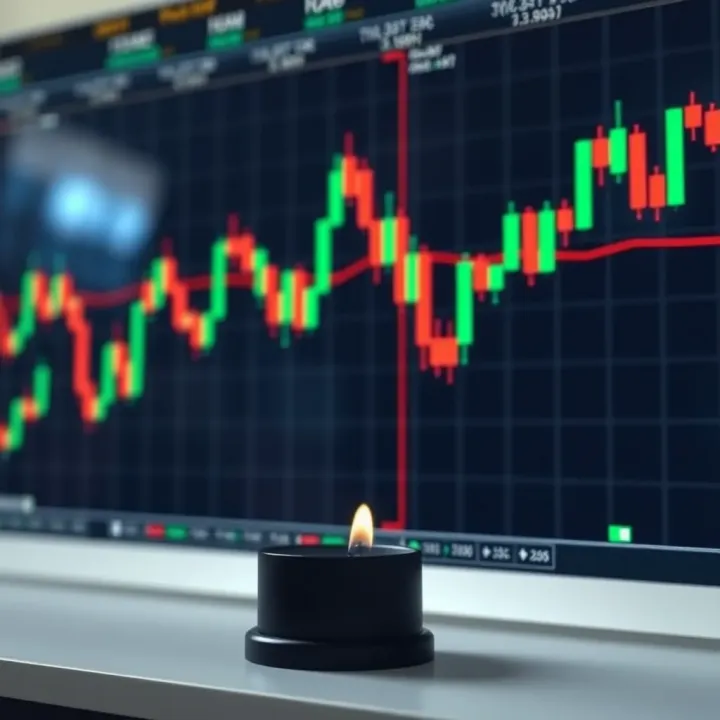
The hammer pattern often appears after a downtrend and serves as an early signal of a possible trend reversal. Characterised by a small body near the top and a long lower wick, it shows that even though sellers pushed prices lower during the session, buyers regained control by the close. For example, if a stock on the NSE, say Tata Steel, forms a hammer after a series of falling prices, it suggests buyers might be stepping in, preparing for a rally.
Key points to watch with the hammer:
The long lower shadow should be at least twice the size of the body.
The colour of the body (green or red) matters less but a green or white body adds strength to the reversal signal.
Volume rising on the hammer day can confirm genuine buying interest.
The bullish engulfing pattern is a strong confirmation of a trend shift from bearish to bullish. It occurs when a small red candlestick is fully followed by a larger green candlestick that 'engulfs' it. In practical terms, this means buyers overwhelmed sellers decisively in the second session. Consider an example where Reliance Industries forms a bullish engulfing pattern on the BSE after downward pressure; this hints at the start of an uptrend.
Why bullish engulfing matters:
It shows a clear change in control from sellers to buyers.
It often precedes sustained upward moves, making it a useful trade entry signal.
Combining this pattern with support levels or other indicators like RSI can boost reliability.
Pro Tip: Even the best bullish patterns demand context. Check volumes, overall trend direction, and recent news to avoid false signals.
By keeping a close eye on these patterns, traders and investors can identify entry points with better confidence. Bullish candlestick patterns like the hammer and bullish engulfing help you spot moments when the market mood is turning positive, making them valuable additions to your trading toolkit.
Recognising bearish candlestick patterns helps traders identify when sellers are gaining control and prices might start falling. These patterns are especially relevant in volatile Indian markets where timely exits can protect profits or limit losses. Such signals often appear near resistance levels or after sustained uptrends, hinting at a possible market slowdown or reversal.
The Shooting Star is a single-candle pattern with a small real body near the bottom of the price range and a long upper shadow. This shape shows price pushed higher during the session but selling pressure brought it down by close, indicating buyers couldn't sustain the highs. For example, if Reliance Industries’ daily chart shows a Shooting Star after a strong rally, it signals that bulls might be tiring, and prices could fall soon.
Key points to note:
Usually forms at or near resistance zones.
The longer the upper shadow, the stronger the rejection of higher prices.
Volume on the shooting star day adds weight; high volume means more conviction from sellers.
This pattern alone doesn’t guarantee a reversal; confirmation from the next candle closing below the Shooting Star’s body strengthens the bearish signal.
Bearish Engulfing is a two-candle pattern where a large bearish candle completely covers the smaller bullish candle before it. This signals a sudden shift from buying to selling dominance. For example, Tata Motors might trade higher for a few days, then a Bearish Engulfing pattern on heavy volume can warn that sellers have overwhelmed buyers, often leading to further declines.
Some practical aspects to consider:
It is more reliable when seen after an uptrend.
Larger engulfing candles imply stronger selling pressure.
Watch for confirmation in following candles, such as continued lower closes.
Both Shooting Star and Bearish Engulfing patterns act as early warnings. They help traders decide when to book profits or tighten stop losses, especially during uncertain market sentiment.
Traders in Indian equity or commodity markets should combine these patterns with volume analysis and other indicators like RSI or moving averages to avoid false signals. Understanding the context helps in making smarter decisions rather than relying purely on pattern shapes.
In trading, recognising moments when the market hesitates can save you from costly mistakes. Patterns that reflect uncertainty and indecision, like the Doji and Spinning Top, tell us that buyers and sellers are roughly in balance. This doesn’t mean the market is frozen forever, but it suggests a pause or doubt over the current trend. These patterns can help traders decide whether to wait for clearer signals or prepare for a possible reversal.
A Doji forms when a stock’s opening and closing prices are practically the same, resulting in a very thin or absent body and noticeable shadows. This indicates neither buyers nor sellers dominated the session, pointing to indecision. In India’s volatile markets, spotting a Doji especially after a strong uptrend or downtrend is useful. It signals traders may rethink their positions since momentum could be fading.
For example, if Reliance Industries shows a Doji after a long bullish run, it might hint the uptrend is losing strength. Traders should watch the next few candles before deciding to enter or exit. The Doji alone doesn’t call for action but acts like a yellow traffic light — caution is needed.
The Spinning Top looks like a candle with a small body and long upper and lower shadows, showing prices moved quite a bit but eventually closed close to where they opened. This pattern signals more uncertainty compared to strong directional candles.
In the Indian context, say Tata Motors exhibits several Spinning Tops during a sideways phase, this indicates the market is indecisive about future direction. Traders often interpret this as a sign to hold back or tighten stops until a clearer breakout appears.
Both Doji and Spinning Top highlight times when the market isn’t ready to commit to a trend and signal traders to pause or look for confirmation. Using these patterns alongside volume or RSI can improve their reliability.
Recognising these indecision patterns helps avoid premature trades in choppy markets, especially important in India’s stock and commodity scenes where volatility is common.
To sum up, Doji and Spinning Top patterns warn of a delicate balance between demand and supply. They aren’t signals to buy or sell outright but clues to tread carefully, reassess your strategy, and prepare for either continuation or reversal.
Candlestick patterns offer timely clues about market sentiment, but their real value comes when you use them wisely alongside other methods. Understanding these signals can help traders spot likely price moves early, yet relying on patterns alone risks false signals. The key is to interpret them within broader technical or fundamental contexts.
Pairing candlestick patterns with tools like moving averages, Relative Strength Index (RSI), or volume analysis sharpens your trading decisions. For example, spotting a Bullish Engulfing pattern near a long-term moving average support level increases confidence that an upward move might sustain. Conversely, an isolated Doji without confirming volume or momentum signals may indicate mere market hesitation rather than a turning point.
Consider the RSI: if it shows oversold conditions along with a Hammer candle, that strengthens the possibility of a reversal. Volume spikes accompanying a Bearish Engulfing pattern can confirm selling pressure. These combinations help filter out noise and add weight to candlestick interpretations.
Indian markets exhibit unique features, such as high retail participation, occasional bouts of volatility during political announcements, or corporate results. Traders should keep specific points in mind:
Look for confirmation: After spotting a pattern, wait for the next candle or supporting indicator before placing trades. For instance, confirming a shooting star with a lower close next session helps avoid premature exits.
Combine with Indian-specific events: Earnings announcements of major companies like Reliance or Tata Consultancy Services often cause sharp moves. Use candlestick patterns alongside news to better time entry and exits.
Mind intraday volatility: In markets like NSE or BSE, patterns that form intraday might differ from daily charts. Recognise that certain patterns gain more reliability over longer time frames.
Be aware of sector trends: Different sectors behave differently; IT versus pharma stocks might show contrasting patterns under similar market conditions.
Using candlestick patterns thoughtfully and in tandem with other signals will help you avoid traps and take trades with better odds in Indian stock and commodity markets.
Reliable trading arises from combining these visual cues with solid analysis. By practising this approach, traders improve timing and reduce risks even when markets turn choppy. Apply these principles for more confident market reading and better-managed investments.
📈 Learn to spot key candlestick patterns that reveal bullish and bearish signals, helping you predict market moves & improve your trading success wisely.
📊 Learn to read candlestick patterns for sharper stock, forex & commodity trades. Spot trend shifts and reversals to boost your trading game!
📈 Discover key chart patterns used in trading to predict market moves, learn how to spot them, and find tips with PDF resources for deeper insights.

📊 Master key candlestick and chart patterns to spot market moves and reversals. Gain practical skills for smarter trading decisions and technical analysis!
Based on 15 reviews