

Understanding Candlestick Patterns with PDF Guides
📊 Master candlestick patterns with this practical guide! Learn key charts, pattern meaning, and boost trading skills in India & globally, plus handy PDF tools 📈
Edited By
Isabella Wright
Candlestick patterns are essential tools in technical analysis, helping traders spot market movements and make better decisions. Originating from Japanese rice traders centuries ago, these patterns visually represent price action for a given period, showing the open, high, low, and close. For Indian traders, understanding candlestick patterns can improve timing for trades in markets like NSE or BSE.
Each candlestick has a body and wicks (or shadows). The body indicates the difference between opening and closing prices, while the wicks reveal the extremes within that time frame. For instance, a long upper wick suggests sellers pushed prices down after a strong rally.
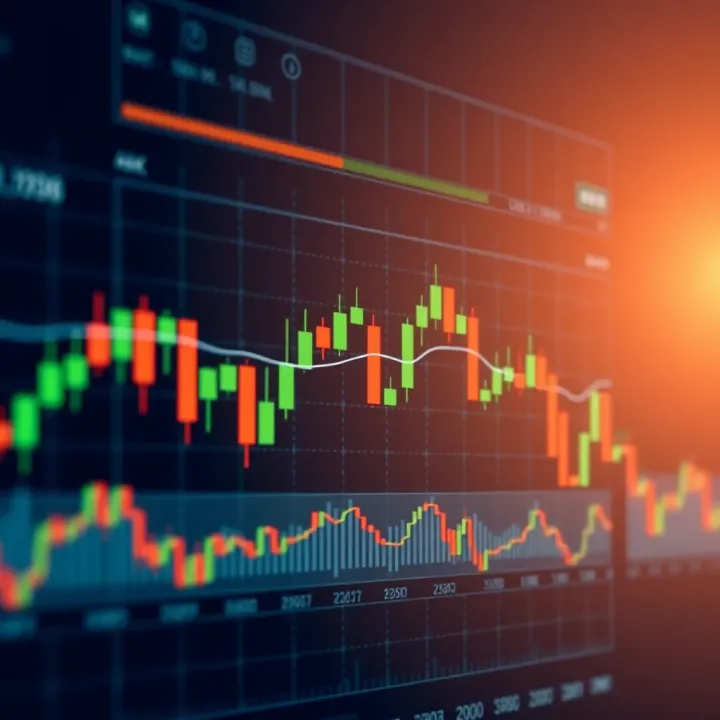
Some key patterns signal potential trend reversals or continuations:
Hammer and Hanging Man indicate possible price reversal at lows (bullish) or highs (bearish).
Engulfing Patterns show a strong shift in market sentiment, as one candle’s body fully covers the previous one.
Doji reflects market indecision, often preceding major moves.
Using these patterns, traders can identify entry and exit points. For example, spotting a bullish engulfing near support levels on the Nifty 50 chart may prompt a buy decision.
Remember, relying solely on candlestick patterns without considering volume or other indicators can be misleading. Integrating patterns with RSI, moving averages, or support-resistance levels improves reliability.
Practical trading strategies often combine candlestick analysis with risk management tools. Stop-loss orders should be placed just below key patterns to minimise losses if the market moves unexpectedly.
Indian traders also benefit from studying forex or commodity charts, where candlestick patterns apply similarly. Platforms like Zerodha and Upstox provide interactive charting tools to practice recognising these patterns in real-time.
In the following sections, we will explore specific patterns, strategies for various markets, common mistakes to avoid, and resources—such as eBooks and video tutorials—ideal for deepening your understanding.
Candlestick patterns offer a straightforward yet powerful way to read market sentiment at a glance. Unlike plain line charts, which show only closing prices, candlestick charts detail the open, high, low, and close within a specific timeframe. This makes them invaluable for traders looking to understand price action and make informed decisions.
Candlestick patterns are specific formations created by one or more candlesticks on a chart. They indicate potential market direction and momentum shifts. For example, a "hammer" candlestick, with a small body and long lower wick, may signal a price reversal after a downtrend. Traders use these patterns to predict whether buyers or sellers are likely to take control next.
Candlestick charting dates back to 18th-century Japan, where rice traders developed it as a way to visualise price movements and market psychology. This technique remained largely a Japanese secret until it was popularised in the West by Steve Nison in the late 20th century. Today, it is widely used globally, including by many Indian traders, as a reliable tool for technical analysis.
In Indian markets, where volatility can spike around earnings announcements, policy changes, or global events, candlestick patterns help traders quickly assess changes. They work well with popular Indian trading platforms like Zerodha and Upstox, which offer detailed charts with candlestick views. Plus, since many Indian stocks have active volume and liquidity, patterns tend to be more reliable here than in thinly traded markets.
Candlestick patterns give you a snapshot of market sentiment that simple line charts miss, helping you spot potential buying or selling opportunities in real-time.
Understanding these basics creates a foundation for trading strategies that blend pattern recognition with risk management – particularly essential in dynamic markets like India’s equity and commodities sectors.
Understanding the basic elements of candlestick charts is essential before diving into complex trading strategies. Each candlestick visually summarises price movements within a specific timeframe, providing key hints about market sentiment.
A candlestick consists of a body and two wicks, also called shadows. The body shows the difference between the opening and closing prices. If the closing price is higher than the opening, the body is often hollow or marked green; if lower, it’s filled or red. The wicks extend above and below the body, representing the highest and lowest prices during that period.
For example, imagine Reliance Industries’ stock on a given day opened at ₹2,400 and closed at ₹2,450. The body reflects this ₹50 rise. If intra-day price soared to ₹2,475 but dipped to ₹2,390, then the upper wick reaches ₹2,475 and the lower wick drops to ₹2,390. Traders use these parts to spot volatility and market strength within that timeframe.
Candles signal market direction clearly. A bullish candle indicates buyers controlled the session, pushing prices up. A bearish candle shows sellers dominated, dragging prices down. For instance, in the Nifty 50 index, multiple bullish candles across a week could suggest steady buying interest, signalling potential continuation upward.
Recognising this helps you read short-term market mood. For example, a long bearish candle on Tata Steel after heavy selling could warn traders of further downward pressure. Conversely, a bullish hammer candle on a stock like Infosys during a dip could hint reversal, signalling a good buy opportunity.

The timeframe you choose affects how you interpret candlesticks. A daily chart summarises one day’s price action; a 15-minute chart shows one quarter-hour. Patterns on longer timeframes like daily or weekly charts carry more weight for strategic decisions compared to very short intraday charts, which may reflect noise or minor fluctuations.
Consider the Nifty index: a morning star pattern on a daily chart might suggest a strong reversal, influencing swing traders. However, the same pattern on a 5-minute chart might carry less significance and could be false signals amid high volatility.
Always match your trading style to appropriate chart timeframes. Intraday traders might rely on 5-minute or 15-minute candles, while long-term investors commonly use daily or weekly charts.
Mastering these basic elements equips you to decode market moves better, setting a foundation for spotting meaningful candlestick patterns and making sound trading choices.
Candlestick patterns offer visual cues about market sentiment and potential price movement. Understanding these patterns helps traders identify entry and exit points, especially in the Indian markets where volatility is common. By recognising key patterns, you can anticipate shifts in trend momentum rather than react after the fact. This section explains both single and multiple candle formations, focusing on patterns that frequently appear and hold relevance in equity and commodity trading.
A Doji candle forms when the opening and closing prices are almost equal, indicating market indecision. This pattern looks like a cross or plus sign, reflecting a tug-of-war between buyers and sellers. Traders watch for Doji at key support or resistance levels as it could signal an upcoming reversal or consolidation phase. For instance, in the Nifty 50 index, a Doji near a resistance level may suggest hesitation among buyers and a possible pullback.
Both Hammer and Hanging Man have small bodies and long lower wicks but appear in different contexts. A Hammer appears after a downtrend and hints at a bullish reversal, showing sellers pushed price down but buyers regained control by closing near the open. Conversely, a Hanging Man shows up after an uptrend and warns of potential bearish reversal. For example, if Reliance Industries Ltd. shows a Hammer at a major support level, traders could consider a buying opportunity with a tight stop-loss.
Spinning Tops have small real bodies with long upper and lower shadows, signalling indecision among market players. This pattern often appears during trend pauses, suggesting neither bulls nor bears dominate. In volatile stocks like those in the FMCG sector, Spinning Tops might warn traders to hold off on new positions until clearer direction emerges. It’s a sign to watch for subsequent confirmation rather than act solely on the pattern.
An Engulfing pattern occurs when a larger candle completely covers the previous candle’s body, signifying a strong shift in momentum. A Bullish Engulfing happens after a downtrend and can hint at a price rise; a Bearish Engulfing appears after an uptrend, indicating a possible downturn. Indian traders might spot these on daily charts of stocks like Tata Motors to gauge near-term trend changes.
The Morning Star is a three-candle bullish reversal pattern with a small-bodied candle sandwiched between a large bearish and bullish candle. This formation signals selling exhaustion followed by buying interest. The Evening Star is its bearish counterpart, indicating a potential trend drop after an uptrend. These patterns carry more weight when confirmed by volume surge, and Indian commodity traders monitor them for price turning points during seasonal demand shifts.
Three White Soldiers consist of three consecutive bullish candles with higher closes, signalling sustained buying pressure and trend strength. Conversely, the Three Black Crows are three down days with lower closes, warning of prolonged selling. These patterns can be found in sectoral indices or liquid stocks, providing evidence for trading continuation or trend reversal. For example, during a market rally, the Three White Soldiers pattern in the Bank Nifty may reinforce bullish sentiment.
Recognising these candlestick patterns helps you make informed decisions rather than relying only on gut feel. Combining them with volume and other indicators will strengthen your market calls and risk management in the Indian trading arena.
Candlestick patterns offer traders a visual approach to understanding market psychology and price action. However, their practical value lies in how traders combine these patterns with other tools, apply them across various market segments, and manage risks effectively. To succeed, especially in dynamic Indian markets, one must go beyond recognising patterns to integrating them into an overall trading strategy.
Candlestick signals work best when paired with other technical indicators. For example, a bullish engulfing pattern near a support level gains strength if the Relative Strength Index (RSI) is oversold, indicating potential price reversal. Similarly, moving averages help confirm trends that candlestick patterns hint at; a hammer candle forming above the 50-day moving average is more significant than one appearing below it. Traders often use volume data alongside patterns; an increase in volume during a morning star formation in Nifty can add weight to the bullish case.
Indian markets present unique conditions like volatility spikes during monsoon or festival seasons, influencing candlestick interpretations. In equities, patterns often reflect reactions to quarterly results or RBI policy announcements. For instance, a doji candle in Reliance Industries after a earnings update could suggest indecision among traders. Commodity markets such as gold and crude oil, traded heavily on MCX, also see pattern-driven moves. A series of three white soldiers in soyabean futures can hint at sustained buying interest, valuable for commodity traders planning short-term entries.
Effective risk management is a must when trading on candlestick patterns alone. Patterns like shooting stars signal possible reversals but don’t guarantee price turns. Placing stop-loss orders just beyond the wick of a pattern can limit losses. For example, if a trader enters on a bullish hammer in Tata Motors, setting a stop-loss slightly below the hammer’s low protects capital if the trade goes wrong. Also, sizing positions according to volatility improves outcomes; heavily volatile stocks like Yes Bank need wider stops than blue-chip names. Risk management ensures that one bad trade won’t wipe out gains from several successful ones.
Candlestick patterns are tools, not oracles. Their real strength lies in how well you combine them, adapt to market conditions, and respect risk.
Incorporating these practical steps into trading strategies will help Indian traders make clearer decisions, balance risk, and exploit opportunities more effectively.
Understanding where traders often stumble helps you avoid costly mistakes while using candlestick patterns. Though they offer valuable insights, relying on these patterns alone or misinterpreting them can lead to wrong decisions. This section highlights common pitfalls and practical ways to steer clear of them.
Relying only on candlestick patterns without considering other information can blur the bigger trading picture. Candlestick signals need confirmation from volume, trend analysis, and technical indicators like RSI or moving averages. For example, an engulfing bullish pattern appearing during an overbought rally on the Nifty 50 index might be misleading unless supported by a volume surge or momentum shift. Traders have lost money by entering based solely on a candlestick without checking these extra factors.
Small patterns alone cannot capture market psychology or external factors like economic data affecting Indian markets.
To avoid this, treat candlestick patterns as one piece of your trading puzzle, not the entire picture.
Illiquid stocks in smaller exchanges or penny stocks often produce unreliable candle shapes. Thin volumes cause erratic price swings and false signals. For instance, a hammer in a thinly traded small-cap stock might simply reflect erratic buying rather than a genuine reversal.
Always check the stock’s average daily traded volume before trusting its candlestick signals. In Indian markets, large-cap stocks on NSE or BSE generally show better reliability. Avoid heavy trades in stocks where low liquidity distorts patterns.
Candlestick patterns rarely work in isolation. Ignoring the broader market context—be it overall trend strength, sector performance, or economic news—can lead to costly misinterpretations. Volume is a key confirmation tool too. A morning star pattern backed by rising volume on Reliance Industries shares indicates stronger conviction than the same pattern with weak volume.
Ignoring these factors can trap traders in false moves or early exits. Keeping an eye on the wider market and volume helps filter genuine signals from noise.
Combine candlestick patterns with volume and trend info
Avoid trading low-volume stocks solely on candle signals
Always consider broader market context for confirmation
By watching out for these pitfalls, you can use candlestick patterns more effectively while managing risk in your trades.
Accessing quality resources and further reading materials strengthens your grasp of candlestick patterns and trading strategies. These tools help deepen your understanding beyond basic knowledge, offering real-world examples and sophisticated analysis tailored to Indian markets. Whether you are a beginner or an experienced trader, reliable resources can sharpen your decision-making and fine-tune your approach.
Starting with well-regarded eBooks helps both freshers and seasoned investors. For beginners, books like Japanese Candlestick Charting Techniques by Steve Nison provide clear explanations with illustrations, making complex patterns easier to grasp. Advanced traders may benefit from Encyclopedia of Candlestick Charts by Thomas Bulkowski, which offers statistical insights and performance histories for various patterns. Indian readers should look for editions that include case studies focusing on NSE and BSE stocks or commodities like gold and crude oil to align theory with local market behaviour.
Practising chart reading and pattern recognition becomes more effective with interactive platforms. Tools like Zerodha's Kite or Upstox Pro offer real-time candlestick charts coupled with technical indicators, ideal for Indian equity and commodity traders. Meanwhile, websites such as TradingView provide advanced charting features and community-shared analyses. Experimenting with these platforms allows you to test strategies without financial risk, particularly useful during volatile phases common in Indian markets.
Structured courses add discipline to learning and expose you to strategies tailored to Indian regulations and market nuances. Platforms like NSE Academy and EduPristine offer certified courses covering technical analysis, including candlestick patterns with modules on risk management and trade execution. Joining communities on Telegram or WhatsApp groups centred on Indian trading can also provide mentorship and timely discussions about market movements and pattern validity.
Consistent learning and practice through relevant resources serve as the backbone of successful trading using candlestick patterns, especially in the dynamic Indian context.
Developing expertise takes time, and having access to quality eBooks, hands-on tools, and community support will ensure your trading journey remains well-informed and practical.
📊 Master candlestick patterns with this practical guide! Learn key charts, pattern meaning, and boost trading skills in India & globally, plus handy PDF tools 📈
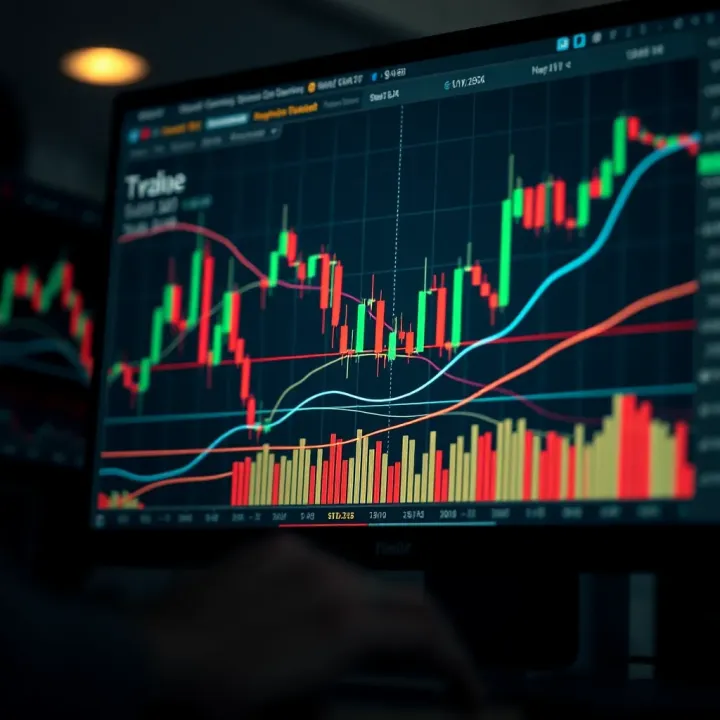
📊 Master key candlestick and chart patterns to spot market moves and reversals. Gain practical skills for smarter trading decisions and technical analysis!
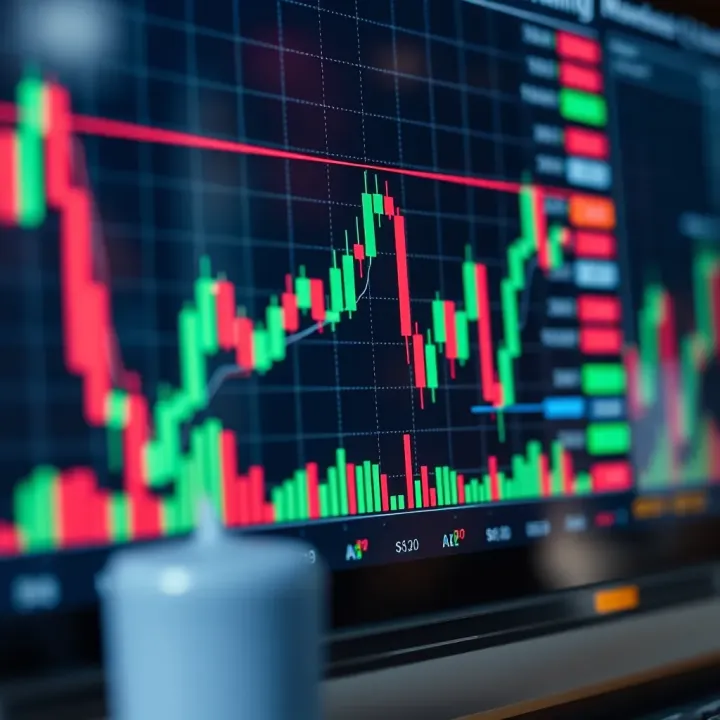
📈 Explore how multiple candlestick patterns enhance trading accuracy. Learn key combos, identification tips, & strategies to boost market decisions effectively.
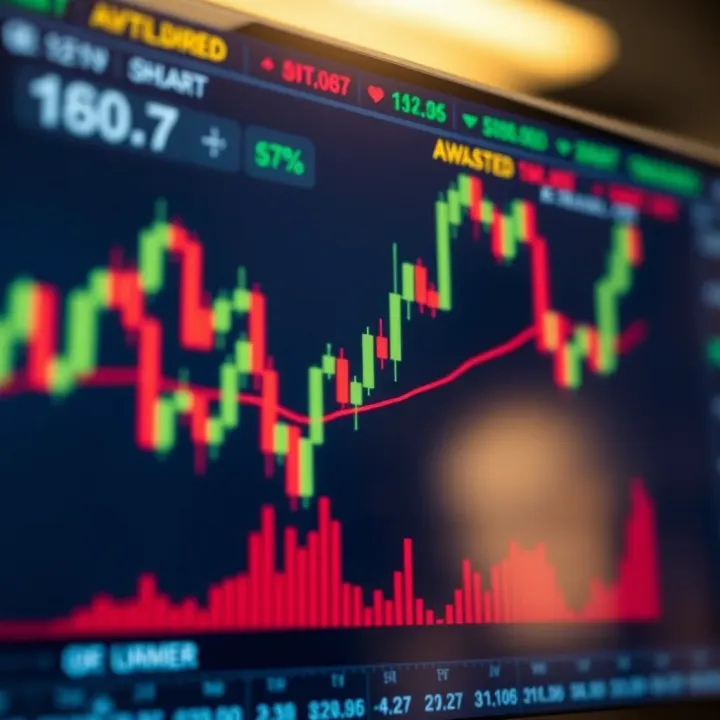
🔍 Discover the most reliable candlestick patterns to boost your trading success in India. Learn how to identify and use them for smarter market moves! 📈
Based on 14 reviews