

No Brokerage Trading Apps in India Explained
Explore no brokerage trading apps in India 📱 Understand how they work, pros & cons, tips for choosing, and future trends in commission-free trading 📈
Edited By
Jack Mason
Intraday trading in India has gained popularity, especially among young investors and active traders looking to profit from daily market movements. A key consideration in this space is the brokerage fee, which directly affects profitability. Zero brokerage intraday trading apps have emerged as a preferred choice for many, offering seamless trading without extra charges on each trade.
These apps typically generate revenue through other means like annual maintenance fees (AMCs), premium features, or interest on funds parked in client accounts, allowing traders to save significantly on direct transaction costs. However, zero brokerage doesn't always mean zero cost — understanding the fine print is critical before fully relying on such platforms.

Choosing the right zero brokerage app requires paying attention to factors like interface usability, order execution speed, security protocols, and additional fees such as those on delivery trades or fund withdrawals.
This section will help you grasp what these apps offer, how they differ from traditional brokers, and what features matter most to Indian intraday traders. Familiarity with regulatory compliance and risk management tools integrated within these apps also plays a vital role in ensuring smooth trading experiences.
By focusing on details relevant to the Indian trading ecosystem, you can select a zero brokerage intraday app that balances cost savings with reliable service, empowering you to trade smarter and more efficiently in volatile market conditions.
Getting familiar with zero brokerage intraday trading apps is crucial if you want to save on costs while trading actively in the Indian stock markets. These apps promise to cut out the usual brokerage fees on day trades, making trading more affordable especially for those who execute multiple trades daily. However, understanding how they work, their benefits, and their limitations will help you pick the right app suited to your trading style.
Zero brokerage means the trading platform does not charge you any commission on the trades you make, primarily intraday trades which open and close on the same day. For example, if you buy shares in the morning and sell them before market close, you won’t pay brokerage fees on that. This significantly cuts down the cost for frequent traders, letting you keep more of your profits. Do note that zero brokerage usually applies only to intraday equity trading or equity delivery in some cases; it often excludes derivatives or other segments.
Intraday trading involves buying and selling shares on the same trading day, benefiting from price fluctuations within hours. Zero brokerage apps facilitate these trades via easy-to-use mobile interfaces or web platforms. You place orders through the app, which connects you to exchanges like NSE or BSE. The app updates prices live, and you can track your position in real time. For instance, apps like Zerodha Kite or Upstox provide real-time charts and alerts, helping traders time their decisions. Because of zero brokerage, you pay only minimal other charges like Securities Transaction Tax (STT), GST, or exchange fees.
Most zero brokerage trading apps share a few key features:
User-friendly interface: Designed for quick order placement and easy navigation.
Advanced charting tools: Help in analysing market trends and planning trades.
Real-time market data: Essential for intraday trading decisions.
Margin or leverage options: Allow trading with borrowed funds to amplify gains but with increased risks.
Instant order execution: Minimises slippage which is critical in fast trading.
Secure login and KYC compliance: Keeps your account safe and adheres to SEBI regulations.
For example, 5Paisa offers competitive margin trading along with a simple app interface, while Groww attracts users with seamless account opening and easy funds transfer. Choosing an app that balances features and cost is key, depending on your trading goals.
Always remember that zero brokerage doesn’t mean zero other expenses. Look at the overall cost structure before committing.
Understanding these aspects lets you make a well-rounded choice for intraday trading without burning a hole in your pocket on brokerage fees. This foundation prepares you for comparing apps effectively in the next steps.
Choosing the right zero brokerage intraday trading app means understanding how different platforms stack up. Each app offers a mix of features, usability, and support that can affect your trading experience and outcomes. Comparing these platforms helps you pick one that fits your style, whether you rely on technical indicators, need quick order execution, or want access to detailed market data.
Upstox has gained popularity thanks to its competitive zero brokerage model for intraday trades and good technology backbone. It offers the Upstox Pro app, which is fast and feature-packed, supporting multi-asset trading including equities, commodities, and currency derivatives. What stands out is its low latency order placement and an intuitive interface that even novice traders can navigate easily. Moreover, Upstox provides advanced charting tools that help identify intraday opportunities without overwhelming users.

Zerodha is one of the pioneers in bringing brokerage disruption in India. Its zero brokerage intraday trading option on equity and currency segments attracts many active traders. The Kite platform supports web and mobile with a clean interface and powerful charting features. Zerodha’s strength lies in its robust ecosystem including educational content under Zerodha Varsity and integration with external tools via APIs. Traders who value transparency and solid community support often favour Zerodha.
5Paisa offers zero brokerage on equity delivery trades but charges minimal fees on intraday and F&O trades. Its platform is quite popular among price-sensitive investors who want to experiment with intraday trading without burning a hole in their pockets. The app provides basic charting and research but focuses more on ease of use and attractive pricing plans. 5Paisa’s integration with mutual funds and insurance products adds value for traders looking to diversify their portfolios within a single app.
Groww, originally known for mutual fund investment, has moved into stock and intraday trading without brokerage charges. Its app is sleek and user-friendly, ideal for beginners. While it currently offers fewer technical tools compared to Upstox or Zerodha, Groww emphasises simplicity with clean design and straightforward order placement. This makes it a good choice for new traders who want to test intraday trading without getting bogged down by complex interfaces.
Good platform design can make all the difference when seconds count in intraday trading. Traders should look for apps that launch quickly, display real-time data smoothly, and allow quick order modifications. Many of these apps provide customisable watchlists and alerts to keep users updated on market moves. For example, Upstox and Zerodha’s Kite app both offer responsive interfaces that support complex chart patterns even on mobile devices. In contrast, apps with cluttered screens or slow data refresh can hinder decision-making.
Access to robust trading tools and reliable market research separates casual traders from successful intraday traders. Features like advanced charting with indicators (RSI, Moving Averages), heat maps, and option chain analysis help identify entry and exit points. Zerodha scores well here with extensive educational resources and third-party integrations like Streak and Sensibull. Upstox provides built-in screeners and backtesting tools useful for rapid strategy validation. Meanwhile, 5Paisa and Groww are catching up but currently offer simpler research features that suit beginners more than seasoned traders.
Evaluating these factors helps you choose an app that doesn’t just save on brokerage but also supports your trading style and goals effectively.
By carefully comparing offerings, you can find the zero brokerage intraday trading app in India that feels just right for your needs.
While zero brokerage intraday trading apps seem attractive at first, it’s crucial to look beyond brokerage fees. Many charges sneak in through other channels, eating into your profits if you don’t keep an eye out. Understanding these extra costs helps you pick an app that truly suits your trading style and keeps expenses in check.
Most trading platforms require you to maintain a Demat account for holding securities electronically. Even if brokerage is zero, Demat accounts often come with an Annual Maintenance Charge (AMC), which can range from ₹300 to ₹900 per year depending on the provider. For instance, Zerodha charges around ₹300 as AMC, while some newer platforms may offer it free for the first year but levy charges thereafter.
This AMC is a fixed expense you must factor in since it recurs annually regardless of your trading frequency. Choosing a zero brokerage app with a low or waived AMC during the initial years can save you money. However, don’t be swayed just by AMC discounts if other hidden fees exist.
Though apps may advertise zero brokerage, transaction-related fees still apply. These generally include a Securities Transaction Tax (STT), stamp duty, and Goods and Services Tax (GST) on the transaction amount. STT typically runs at 0.01% on intraday equity trades, while GST of 18% applies on the brokerage and transaction fees charged by brokers. If brokerage is zero, GST on brokerage is zero, but other service charges may attract GST.
For example, 5Paisa levies a small flat fee per order alongside taxes, which adds up if you trade frequently. Knowing these extra transaction charges helps you estimate actual cost per trade rather than relying on zero brokerage claims alone.
Watch out for hidden charges that may not be obvious upfront. Some apps compensate for zero brokerage by charging for order cancellations, insufficient funds, or even delayed payments. Other platforms limit the free trades to a certain number each month, after which they charge standard brokerage.
Always check the fine print of the pricing model before committing. Hidden charges can quickly turn a seemingly free service into an expensive one.
Additionally, some platforms charge for advanced trading tools or access to premium research even while waiving brokerage. If you rely heavily on such features, factor these into your overall cost.
In short, zero brokerage doesn’t mean zero cost. Evaluate Demat AMC, transaction taxes, and any hidden fees carefully. This broader view ensures you select an intraday trading app that truly fits your budget and trading habits without surprises later.
Intraday trading carries both opportunities and risks. Understanding these risks and following sound practices helps prevent costly mistakes and improves your chances of consistent profits. Given that zero brokerage apps remove a major cost barrier, many traders get tempted to trade more aggressively, which can multiply risks. Keeping a level head and a clear plan is key to success.
Stock markets can swing wildly during the day, especially in volatile sectors or ahead of major news. While volatility offers chances to profit, it also can wipe out gains quickly. For example, a sudden fall in a stock you hold could result in a loss exceeding your expectations if you do not act promptly. Many zero brokerage apps also offer leverage—borrowing money to increase your buying power. Although this magnifies potential returns, it can equally magnify losses. If you buy shares worth ₹1 lakh using ₹20,000 of your own money and the rest as leverage, a 5% drop means a 25% loss on your capital. Hence, intraday traders must be cautious with leverage and avoid overexposure to single stocks.
Managing risk is not only about limiting losses but also protecting profits. Practical strategies include:
Setting Stop-loss Orders: Decide in advance the maximum loss you can tolerate. If a stock price falls to this point, the stop-loss order triggers an automatic exit.
Diversifying Trades: Avoid putting all funds into one or two stocks. Spread trades across sectors or stocks to balance risk.
Trading with Small Positions Initially: Especially for beginners, it’s better to start small until you understand the market rhythm and app features.
Consider using trailing stop-losses that adjust automatically with market movement, locking gains without needing constant monitoring.
Many traders, excited by zero brokerage offers, trade impulsively or without proper preparation. Common mistakes include:
Chasing Losses: Trying to immediately recover losses by taking bigger risks often leads to deeper losses.
Ignoring Market News or Events: Without awareness of economic data releases or company announcements, sudden market moves can catch you off guard.
Overtrading: Excessive trades swell transaction costs and taxes, eroding potential profits.
Poor Record-Keeping: Without tracking trades and outcomes, you cannot learn from mistakes or improve strategies.
Successful intraday traders combine discipline, research, and risk controls, using zero brokerage apps as a tool, not a crutch. Always plan your trades with exit points, stay informed about market conditions, and avoid emotional decision-making.
By recognising these risks and adopting best practices, you can use zero brokerage intraday trading apps in India to their fullest potential without falling into common traps.
Choosing the right zero brokerage intraday trading app matters because it can directly affect your trading efficiency, costs, and experience. While zero brokerage means no commission fees, other factors like app security, ease of use, and customer support play a vital role in your overall trading success.
Security should be your top priority. Look for apps that follow strict encryption standards and two-factor authentication to keep your account safe. For example, Zerodha and Upstox use advanced encryption to protect user data. Additionally, ensure the app is registered with the Securities and Exchange Board of India (SEBI). This regulatory compliance means the app operates within legal frameworks, reducing risks related to fraud or misuse.
A responsive customer support system can save you a lot of trouble, especially when dealing with urgent trading issues or technical glitches. Platforms like 5Paisa offer 24/7 customer care via phone and chat. Also, consider apps that provide educational materials such as webinars, video tutorials, and FAQs. Groww, for instance, has a good repository of learning resources that help beginners understand intraday trading dynamics better.
Before committing your money, it’s wise to test the app. Many platforms offer trial periods or demo accounts where you can practice trading with virtual money. This approach helps you get comfortable with the user interface and test the trading tools without any financial risk. For example, Upstox lets you try its trading platform with a demo mode so you can simulate intraday trades and learn order placements.
Always remember, the best zero brokerage intraday trading app is not just about saving on costs but providing a secure, supportive, and user-friendly environment for your trades. Take time to evaluate these factors for smarter investment decisions.
Selecting an app with strong security, reliable customer assistance, and opportunities to practise before real trading will set you up for a smoother experience. These elements matter just as much as zero brokerage fees when it comes to successful intraday trading in India.
Explore no brokerage trading apps in India 📱 Understand how they work, pros & cons, tips for choosing, and future trends in commission-free trading 📈

📉 Discover the best low brokerage trading apps in India! Compare features, fees, security, and user experience to trade smart and save money efficiently.
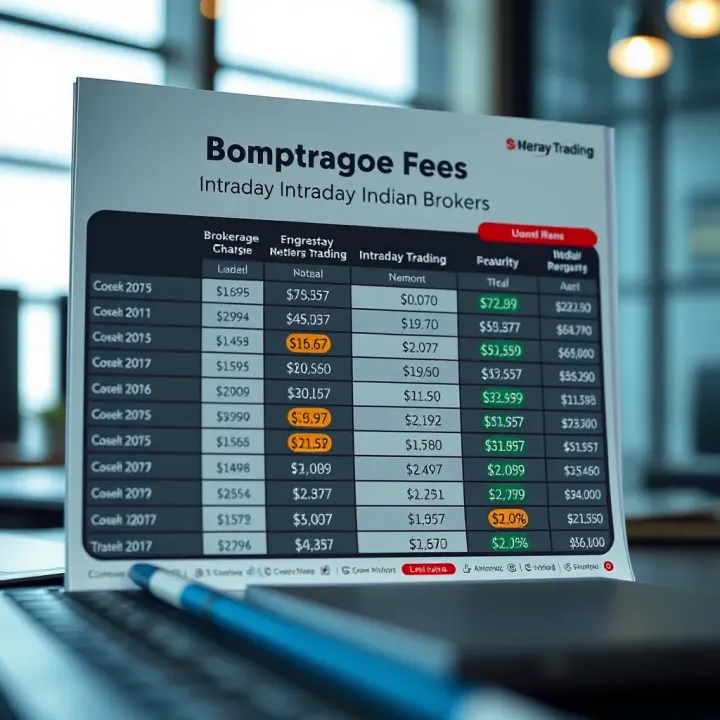
🔍 Discover how to find the lowest brokerage charges for intraday trading in India. Compare brokers, learn cost factors & get tips to save on fees and boost returns!
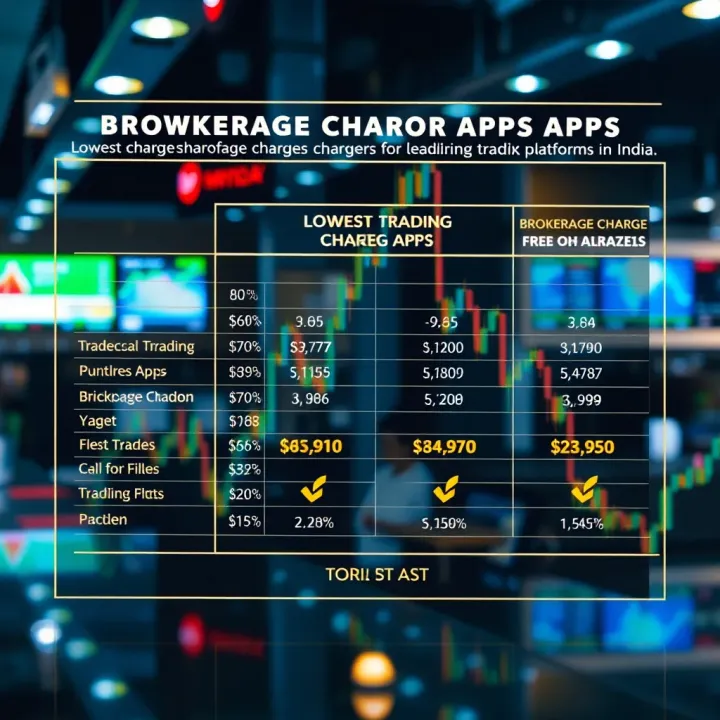
Discover how trading apps in India charge brokerage 📈 Compare the lowest fees, learn how costs affect returns, and pick apps that fit your investing style.
Based on 9 reviews