

Best Online Trading Apps in India: Features & Benefits
Discover top online trading apps in India 📈. Learn key features, security tips, and find the best platform to suit your trading goals with ease.
Edited By
Charlotte Hayes
In India, even a small amount like ₹10 can open the door to stock market trading, thanks to the rise of low-cost trading apps. These platforms allow investors from various backgrounds — students, traders, analysts, or first-time investors — to enter the market without heavy financial commitments. But not all ₹10 trading apps are created equal. Choosing the right one can influence your trading experience, costs, and security.
The ₹10 trading apps generally offer minimal transaction fees or zero brokerage per trade, which benefits small investors looking to test waters with small sums. However, beyond the fee structure, there are other vital aspects to consider before committing to any app.
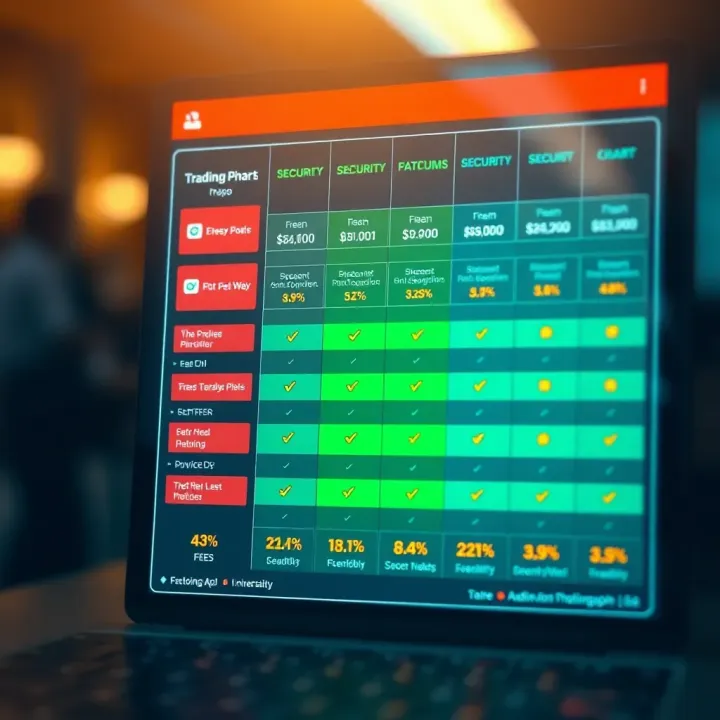
Remember, picking the right app means balancing cost, ease of use, and safety to best suit your investment goals and style.
Brokerage and hidden charges: Confirm if the app truly charges ₹10 flat per trade and check for additional fees such as account maintenance or withdrawal charges. For instance, Zerodha and Upstox offer discount brokerages but may differ in minimum fees and charges on specific segments.
User interface and experience: A simple, intuitive app reduces errors and saves time. Apps like Groww and Angel One provide clean interfaces conducive to both beginners and active traders.
Security and regulatory compliances: Verify if the app is registered with SEBI (Securities and Exchange Board of India) and ensures your data privacy through encryption and secure login options.
Trading options and features: Check available market segments (equity, derivatives, commodities) and tools like real-time charts, research reports, and instant order execution.
Customer support: Swift and helpful service can make a difference, especially for new traders who might need assistance during account setup or trading glitches.
Start by using trading simulators or paper trading features some apps provide. This helps you get familiar with market orders and app navigation without risking actual money. Once comfortable, begin with small trades of ₹10 or more, observe the charges deducted, and gradually expand your trading activities.
This article will guide you through the most popular ₹10 trading apps in India, weighing their strengths and drawbacks to help you find a platform suited to your trading needs and budget.
Investors today, especially beginners, look for cost-effective ways to enter the stock market. Understanding ₹10 trading apps in India helps you grasp how these platforms enable trading with minimal capital, making equity markets accessible to a wider section of society. These apps bring practical benefits by lowering financial barriers, letting even students or small savers participate without heavy upfront costs.
Definition and purpose: ₹10 trading apps are digital platforms allowing investors to buy and sell shares for as low as ₹10 per transaction. Their main aim is to democratise stock trading by reducing fees and minimum investment limits. Unlike traditional brokerage houses demanding large sums, these apps encourage micro-investing, helping users familiarise with trading without risking big money.
How ₹10 equity or trades are possible: Several of these apps achieve low-cost trades through flat brokerage fees, often around ₹10 or even zero for select trade types like equity delivery. They leverage technology and automation to keep operational costs down. For example, Zerodha and Upstox offer plans where you pay a fixed ₹20 per trade regardless of trade size, making small trades affordable and cost-efficient.
Target audience: These apps mainly cater to retail investors, young traders, and first-timers who prefer to test the waters with small amounts. Students or working professionals with limited disposable income find it easy to start trading using such platforms because they can invest in stocks worth ₹10 or small multiples, gradually building their portfolios.
User-friendly interface: A smooth, intuitive app design is critical for ₹10 trading platforms to retain users. Investors prefer simple layouts that make placing orders, tracking shares, and managing portfolios hassle-free. Apps like Angel Broking and Groww excel in providing clean dashboards that even novices can operate without much guidance.
Low brokerage and fees: The core appeal lies in minimal charges. Except for some additional statutory levies, users often pay only a ₹10 flat fee or zero brokerage for equity delivery trades. These predictable, low-cost structures encourage frequent small trades without worrying about hidden fees eating into profits.
Access to major Indian stock exchanges: Reliable ₹10 trading apps connect users directly to the National Stock Exchange (NSE) and Bombay Stock Exchange (BSE), India's two leading exchanges. This ensures seamless execution of trades in thousands of listed stocks, ETFs, and mutual funds, offering wide market exposure right from the mobile screen.
Mobile compatibility: Since most Indian users rely on mobiles, these apps are optimised for Android and iOS platforms with fast loading times and lightweight versions. Features like push notifications for market alerts and real-time quotes keep investors updated while on the go, enhancing user engagement.
Low-cost trading apps are not just about saving money but also about building confidence. Choosing the right platform depends on how well it balances simplicity, cost, and market access for its users.
Choosing a ₹10 trading app should involve checking these aspects carefully, as they directly affect your trading experience and returns.
Low-cost trading apps have reshaped how Indian investors approach the stock market. They not only make trading accessible but also reduce the expenses that often discourage new investors. Understanding these advantages helps you choose the app that fits your needs best.

Small trade amounts encourage participation by removing the fear of big losses. When you can start trading with just ₹10, you get a straightforward way to learn by doing, without worrying about large commitments. For example, a student or a working professional with modest savings can try investing without feeling the pinch.
Keeping the investment size low also minimises risk. A low-cost trading app lets you experiment with different stocks or strategies, so even if a trade doesn't do well, the financial impact stays small. This safe environment fosters confidence and encourages disciplined investing over time.
Typical brokerage charges, like percentage-based fees, can quickly add up on higher-value trades. Low-cost trading apps usually offer fixed charges or flat fees for ₹10 trades, ensuring your costs don’t eat into profits. Comparing brokers shows that those charging ₹20 or more per trade may not suit frequent small trades.
Fixed fees bring clarity and help avoid unpleasant surprises. Knowing you’ll pay a consistent amount per trade makes it easier to plan your investments. Some platforms cap monthly fees, which benefits active traders in particular, allowing you to budget better and focus on growing your portfolio.
Choosing an app with transparent, low fees means more of your money works for you rather than going into brokerage.
With these points in mind, seeking a low-cost trading app becomes not just a choice for saving money but an opportunity to engage in Indian markets more confidently and conveniently.
Choosing the right ₹10 trading app can make a significant difference in your investing experience. These platforms not only let you start with small trades but also offer various features that matter to Indian investors, such as brokerage costs, user experience, and customer support. We’ll look at some popular apps and their standout qualities to help you decide.
App A stands out for its simple interface and smooth navigation, making it ideal for new traders. Opening an account takes just a few minutes with Aadhaar and PAN integration, removing unnecessary delays common in older platforms. The app provides live market updates, easy fund transfers via UPI, and instant order execution with minimal lag. Real-time charts and customised watchlists help users track stocks effectively. This responsiveness is practical for those wanting to make quick decisions without fuss.
App B is known for its transparent pricing with zero brokerage on equity delivery trades, which works well for investors planning to hold stocks long-term. For intraday and F&O trades, flat fees around ₹10 per trade keep costs predictable. Its reliability is notable—server downtimes are rare, and order execution runs smoothly even during heavy market hours. This makes App B a solid choice for serious investors balancing cost and stability.
App C goes beyond just trading by offering in-app learning modules, portfolio analysis tools, and dedicated customer support through chat and phone. Its educational resources cover basics to advanced strategies, helping beginners gain confidence. Plus, it offers integration with mutual fund investments and digital gold purchases, enabling users to diversify within one ecosystem. This makes App C appealing for those seeking an all-in-one investment platform supported by prompt assistance.
Security is crucial when dealing with money and personal information. Leading ₹10 trading apps employ encryption protocols like SSL to secure data during transmission. They also store sensitive information in encrypted form within their servers to prevent breaches. For example, apps might follow ISO 27001 standards for information security management, common among trusted Indian fintech services.
Strong data protection reassures users that their financial details and transaction history remain confidential and safe from cyber threats.
Two-factor authentication (2FA) adds an extra layer of security by requiring a second verification step besides the password — usually an OTP sent via SMS or generated by an authenticator app. Most top trading apps implement 2FA to stop unauthorised access, especially if login credentials are compromised. This is vital since markets can move fast; an intruder gaining quick access can cause severe financial losses.
All legitimate trading apps in India must comply with regulations set by the Securities and Exchange Board of India (SEBI). This ensures transparency in operations, fair trade practices, and protection for investors. Compliance covers proper client onboarding (KYC norms), safeguarding investor funds, and submitting regular disclosures to SEBI. Choosing apps regulated by SEBI gives Indian investors confidence that they operate within legal frameworks and accountability standards.
Selecting the right ₹10 trading app requires weighing these features against your trading style and priorities. Prioritising a user-friendly interface, clear fees, solid security, and dependable support sets you up for a smoother, safer trading journey.
When picking a ₹10 trading app, usability, fees, customer support, and educational resources should guide your choice. Each of these elements affects not only how easily you can trade but also your overall investment experience. For example, an app might offer low brokerage, but if navigating it feels like a maze, it won’t serve beginners well. On the other hand, a user-friendly interface with clear tutorials can make even the most complex stock market feel less intimidating.
Ease of account opening matters a lot, especially for new traders. The process should be straightforward and quick, ideally allowing you to complete KYC (Know Your Customer) verification digitally without needing to visit a branch. Apps like Zerodha and Upstox use Aadhaar and PAN-based e-KYC, cutting down the usual paperwork drastically. Waiting for days to start trading because of slow verification can be frustrating and discourage beginners.
Navigation and trade execution are other key usability points. The app should offer simple menus, quick access to key features, and a clean layout. Trade execution speed is critical as market prices fluctuate fast. Imagine spotting a good buy at ₹10 per share but losing out because the app delays order placement. A good app like 5paisa allows one-click trade execution while showing live market data clearly, helping you act fast without confusion.
Brokerage vs other costs are often misunderstood. Some apps advertise ₹10 per trade brokerage, but you should also check for additional costs like transaction charges, GST, stamp duty, and platform fees. An app charging ₹10 per trade might add ₹50 as other fees, pushing your total cost higher. Comparing these fees across apps like Angel Broking and Groww can save you extra spending.
Hidden charges to watch for include inactivity fees, AMC (annual maintenance charges), and delayed payment penalties. For example, some apps levy charges if you don’t trade within a month or for premium tools you might not need. Reading the fine print before signing up helps avoid unpleasant surprises that eat into your profits.
Availability of support channels is crucial when you hit snags. Look for apps offering multiple support options like chat, call, or email, operating during market hours and beyond. Some apps like Kite (Zerodha) have strong community forums and prompt assistance, which matter when timing is everything in trading.
Learning materials for beginners can make a big difference. Trading with just ₹10 might be new for you; thus, apps providing tutorials, webinars, and blogs help improve your market understanding. For instance, Groww offers easy-to-follow investing guides tailored for newbies, making your first steps less overwhelming.
Choosing the right ₹10 trading app isn’t just about the lowest fees. Prioritise usability, transparency in charges, and reliable support to build confidence and trade effectively.
Following these pointers helps Indian investors select apps that match their needs, helping them venture into stock markets with both small investments and big hopes.
Starting with ₹10 trading apps can feel like stepping into a new world, especially for fresh investors. These tips help you navigate trading confidently and avoid common pitfalls.
Understanding market risks is crucial before you dive into trading, even with small amounts like ₹10. The stock market moves unpredictably, influenced by factors like economic changes, company performance, and global events. For example, a sudden policy change by the Reserve Bank of India (RBI) might swing market sentiment sharply. So, understand that losses are part of the game, and no app can guarantee profits.
Managing investment size goes hand in hand with risk awareness. Starting with small investments limits potential losses while you learn. Consider investing ₹10 to ₹100 initially rather than larger sums. This approach keeps your financial exposure low but still lets you experience real market dynamics. As your confidence grows, you can gradually increase your investment size.
Practising trading without real money is a great way to get familiar with app interfaces and market operations. Many ₹10 trading apps come with demo accounts where you can simulate buying and selling stocks. For instance, you could try making trades in companies listed on the NSE using virtual funds. This helps you understand order placements, stop loss settings, and overall mechanics before risking actual money.
Leveraging app tutorials and guides further strengthens your trading skills. Apps like Zerodha Kite or Upstox often include step-by-step tutorials, videos, and FAQs tailored for beginners. Using these resources regularly can clarify tricky concepts like limit orders or margin trading. This ongoing learning makes you better prepared to make informed decisions.
Importance of regular review cannot be overstated. Markets can rapidly change, impacting your holdings. Set aside time weekly or fortnightly to assess how your investments are performing. Suppose you invested in a pharmaceutical stock anticipating growth, but new regulations affect sales negatively; reviewing helps you decide whether to hold or exit.
Using app alerts and reports makes monitoring easier. Most trading apps offer notifications for price movements, market news, or order execution. Setting alerts for stocks in your portfolio ensures you stay updated without constant checking. Plus, detailed reports generated by the app give insights into profit/loss trends and transaction history, helping you adjust your strategy.
Starting small with realistic expectations, practising safely, and keeping a close eye on trades build a strong foundation for any beginner trading on ₹10 platforms.
Adopting these habits early on improves your chances of success and reduces costly mistakes in the volatile stock market.
Discover top online trading apps in India 📈. Learn key features, security tips, and find the best platform to suit your trading goals with ease.

📈 Discover the most popular trading apps in India, their features, costs, and ease of use to find the perfect fit for your trading style and needs.

📈 Explore oil trading apps in India with this practical guide! Learn key features, popular choices, risks, and smart ways to manage your investments securely.
Explore top trading apps in India 📱, their features, benefits, and security. Find the right platform for smooth, safe, and supported trading today!
Based on 8 reviews