

Choosing the Most Trusted Trading App in India
🔍 Looking for a trusted trading app in India? Discover key features, security tips, user experience insights, and compare top apps for smarter investing 📈
Edited By
Daniel Foster
The world of currency trading has gained much attention in India, especially with mobile technology making trading accessible anytime and anywhere. But the choice of a currency trading app can make or break your experience, impacting your ability to react quickly and trade smartly.
There are quite a few apps available for Indian users, yet not all meet the specific needs of local traders. Factors like ease of doing KYC (Know Your Customer), regulatory compliance with the Securities and Exchange Board of India (SEBI), and integration with popular Indian payment gateways matter a lot.
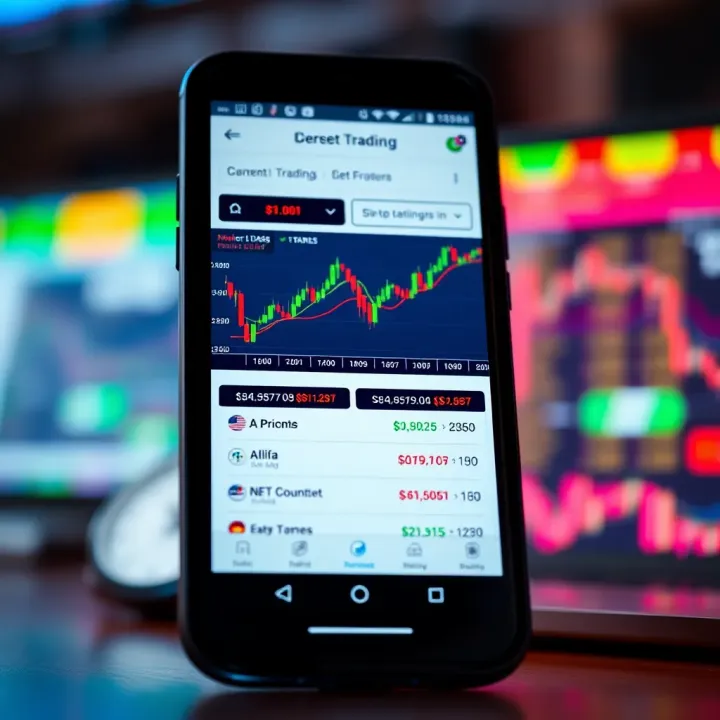
Before jumping into the options, here are some points to keep top of mind:
User Interface (UI) and Experience (UX): A clutter-free, responsive design helps avoid costly mistakes during rapid market moves. For example, many traders trust apps like Zerodha Kite for its clean UI and quick order execution.
Security: Given the frequency of cyber frauds, a strong two-factor authentication (2FA) and end-to-end encryption are must-haves.
Market Data and Analysis Tools: Real-time exchange rates, charts, and technical indicators help make better decisions. Apps such as Upstox and Angel Broking are well-liked for providing such features.
Transaction Costs: Currency trading can eat into profits if the app charges high fees or spreads. Checking brokerage charges, forex spreads, and withdrawal fees upfront avoids surprises.
Customer Support: Responsive support becomes critical if you face issues during trading hours, especially in volatile markets.
Choosing the right currency trading app involves balancing features, cost, and reliability. Skipping on key checks can lead to losses or frustration.
In the sections ahead, we will take a practical look at popular apps, security practices, and regulatory safeguards to help you pick the one that fits your trading style and risk appetite.
Picking the right currency trading app starts with understanding which key features really matter. A good app should make trading straightforward, keep you updated in real time, and offer tools that suit your trading strategy. For Indian traders juggling volatile markets and local regulations, these features make all the difference.
Simple Layout for Quick Access: A clean, clutter-free layout helps you execute trades without unnecessary delays. Imagine scrolling through a messy screen just when the rupee-dollar rate suddenly shifts—that can cost you. Apps like Zerodha Kite or Upstox Pro use straightforward menus and clear buttons, making it easier to place orders quickly and avoid missing good trading opportunities.
Customisable Dashboard Options: Custom dashboards let you pick what matters most, whether currency pairs, news feeds, or technical charts. For instance, if you often monitor USD/INR and EUR/INR pairs, setting these front and centre keeps you ahead. This personalisation saves time and keeps your focus sharp during market swings.
Major and Minor Currency Pairs: Most traders start with major pairs like USD/INR or EUR/USD, but having access to minor and exotic pairs opens more possibilities. Some apps offer Nepalese rupee or other emerging market currencies too, which can suit niche traders looking for less crowded trades or specific hedging strategies.
Access to Global Forex Markets: Indian traders benefit greatly from platforms that connect them to international forex markets across Asia, Europe, and the US. This means you can trade during overlapping market hours, capture global trends, or react swiftly to events like US non-farm payrolls without relying solely on the local trading session.
Live Price Updates: Instant, precise price feeds are a must. Waiting even a few seconds for updates can result in missed entry or exit points. Apps that show tick-by-tick data or streaming charts give you a real edge, especially during volatile periods when the rupee may swing sharply against the dollar.
Push Notifications for Trading Signals: Trading on the go demands timely alerts. Push notifications about breakouts, trend changes, or even RBI announcements let you respond fast. Imagine getting notified the RBI unexpectedly adjusts interest rates; you can immediately reassess your trades instead of learning about it hours later.
Technical Analysis Charts: Built-in charting tools with indicators like RSI, MACD, and Bollinger Bands allow you to analyse market momentum and price patterns directly within the app. For example, identifying a double bottom formation on USD/INR can hint at a buy signal. This saves the trouble of switching between multiple platforms.
Risk Management Options: Effective apps offer features such as stop-loss orders, margin calculators, and position size adjusters. These help control losses during unexpected moves. Using stop-loss properly in a volatile market like forex ensures you won't wipe out your capital from a sudden sharp dip.
A currency trading app that balances ease of use with powerful real-time data and solid risk tools can transform your trading, especially in India's fast-evolving forex market.
By focusing on these features, Indian traders can choose apps that fit their experience level and trading style, ultimately improving decision-making and protecting their funds.
Understanding the offerings of popular currency trading apps helps Indian traders pick platforms suited to their specific needs. This section compares apps from Indian brokerages and international forex platforms supporting Indian users, focusing on features, usability, and payment integration. Such a review is vital since the trading environment, regulations, and user preferences in India differ from global markets. Knowing which app aligns well with these aspects can save time and reduce risks.
Apps developed by Indian brokerages typically adapt to local trading habits and regulations. For instance, some apps offer access to currency derivatives traded on NSE and BSE, which are not available on every international platform. They may also include educational content tailored to Indian market scenarios or support for trading during Indian market hours. These features make them quite useful if you primarily trade in INR pairs or want compliance assurance with domestic rules.
Moreover, certain apps provide tools specific to Indian tax filing, such as summaries of capital gains or automatic calculations aligned with Section 80C investments. This practical approach helps traders keep better control over compliance aspects alongside active trading.
One big advantage of apps from Indian brokerages is seamless integration with domestic payment channels like UPI (Unified Payments Interface), net banking, and mobile wallets. Instant fund transfers through UPI eliminate delays that occur on cross-border platforms, allowing quicker trade executions. This feature also reduces dependency on currency conversions and forex charges.
For example, HDFC Securities and Zerodha’s apps enable direct linking of your bank accounts, facilitating fast and secure deposits and withdrawals in rupees. Since Indian banks adopt stricter KYC norms, these apps also support easy verification using Aadhaar or PAN details to simplify the onboarding process.

International platforms such as MetaTrader 4/5 or Saxo Bank offer sophisticated tools and global currency exposure. However, not all cater well to Indian traders in terms of language support or customised mobile interfaces. Platforms focusing on Indian users improve usability by localising content, supporting INR displays, and providing user guides specific to India’s trading environment.
This localisation helps traders ease into global forex markets without getting overwhelmed by unfamiliar jargon or navigation layouts. It also allows Indian users to trade common INR currency crosses alongside major pairs.
Supporting deposits and withdrawals directly in INR is crucial for Indian traders using foreign forex platforms. It avoids multiple currency conversions and minimizes forex charges. Many international apps now partner with Indian payment gateways or banks to enable this feature.
For example, platforms like Interactive Brokers allow funding through INR bank transfers or UPI, ensuring smooth cash flow and easier repatriation of profits. This capability is essential, especially when large sums are involved, as it reduces the hassle of foreign exchange procedures and compliance paperwork with RBI.
Choosing between domestic and international apps hinges largely on your trading goals. Indian brokerage apps suit traders prioritising regulatory compliance and hassle-free payments, while international platforms offer broader market access and advanced tools. Assess your needs carefully before committing to one.
Security and regulatory compliance are fundamental when choosing a currency trading app, especially in the Indian market where regulatory oversight ensures trader protection. With increasing cyber threats and financial frauds, a trading app must prioritise safeguarding user data and funds to build trust. Moreover, compliance with regulations set by Indian authorities like the Securities and Exchange Board of India (SEBI) and the Reserve Bank of India (RBI) is essential to ensure legal and smooth trading operations.
Encryption is the backbone of secure digital trading platforms. It scrambles sensitive information such as login credentials, transaction details, and personal data so that even if intercepted, they remain unreadable to attackers. For Indian traders, apps using end-to-end encryption provide an added layer of confidence, particularly when trading on public or unsecured Wi-Fi networks.
Two-factor authentication (2FA) further strengthens security by requiring a second form of verification, typically a one-time password (OTP) sent to your mobile or email. This reduces risks related to stolen passwords. For example, popular Indian apps like Zerodha Kite and Groww incorporate 2FA, offering traders peace of mind that their accounts are safeguarded against unauthorised access.
When funding your trading account or withdrawing profits, secure payment gateways prevent fraud by encrypting payment details and verifying transactions promptly. Indian apps often integrate with trusted payment systems such as UPI, IMPS, and net banking, which are regulated and come with consumer protection mechanisms.
Using well-established gateways also helps avoid delays or failures during money transfers, which can be costly during volatile market conditions. Always choose apps that transparently display their payment processing partners and use HTTPS protocols to protect data during transactions.
To legally offer currency trading services to Indian users, brokers must be registered with SEBI and possess the necessary licences. This regulatory oversight ensures that brokers follow fair trade practices and maintain financial stability.
For instance, trading apps linked to SEBI-registered brokers like ICICI Direct or HDFC Securities guarantee compliance with Indian regulations, reducing the risk of scams or malpractices. Traders should verify the broker's registration status before starting to trade.
Forex trading rules in India restrict certain currency pairs and control leverage limits to protect investors from excessive risk. The RBI's Foreign Exchange Management Act (FEMA) governs these regulations strictly.
Trading platforms must adhere to these norms, allowing trading only in permitted currency pairs and under prescribed leverage settings. This helps Indian traders avoid legal complications and manage risks better. Non-compliant apps may offer tempting features but can expose users to regulatory penalties or fund losses.
Always confirm that your currency trading app complies with both SEBI and RBI guidelines to safeguard your investments and maintain legal standing.
In summary, paying close attention to security features and regulatory compliance helps Indian traders trade confidently without fearing fraud or legal troubles. Prioritise apps that encrypt data, support two-factor authentication, use secure payment gateways, and connect with regulated brokers to create a safe trading environment.
Using a currency trading app successfully in India requires more than just installing the app. You need to understand how to set up your account correctly, fund it, track your trades, manage risks, and stay updated with economic developments that directly influence currency movement. For Indian traders, this practical approach helps in navigating the complexities of forex trading while complying with local regulations and making timely decisions.
Most currency trading apps support linking your bank accounts directly for smooth fund transfer. Popular Indian banks like SBI, HDFC Bank, and ICICI Bank are commonly integrated. Besides traditional bank accounts, many apps now allow wallets such as Paytm or PhonePe for quicker funding. This direct linkage reduces transfer delays, enabling you to capitalise on sudden market moves.
For example, if the USD/INR pair shows a sudden dip due to economic news, having instant funding ready helps seize the opportunity. Remember, always ensure your linked bank and wallet accounts are verified and secure.
Trading apps may apply various fees, including deposit charges, withdrawal fees, and commission on trades. Indian traders should carefully review these costs, as they impact net profitability. Some platforms charge a flat fee per trade, while others take a percentage of the transaction value.
For instance, if you trade frequently, even a small commission on each trade can add up to a significant expense. Besides trading fees, check for hidden costs like currency conversion fees if depositing in foreign currency. Knowledge of these charges helps you plan and avoid unnecessary losses.
Stop-loss and take-profit orders act like safety nets, automatically closing your trades at predefined prices to limit losses or lock profits. For Indian traders, especially beginners, these tools prevent emotional decision-making in volatile forex markets.
Say you buy EUR/USD at 1.0800 and set a stop-loss at 1.0750. If the price falls, your trade closes at 1.0750 to cap loss. Similarly, a take-profit at 1.0900 sells automatically to secure gains. Using these orders helps maintain discipline and controls risk exposure effectively.
Recording every trade's details, reasons, outcome, and lessons in a journal enhances your trading skills. Many apps offer note sections or integration with notes tools. This habit aids reflection on strategies, identifying what works in the Indian market context.
For example, noting how a certain technical indicator performed during RBI announcements can guide future trades. Over time, the journal becomes a valuable resource for improving decisions and avoiding repeating mistakes.
Live access to relevant market news within the app saves time and keeps you informed on events that move currency prices. Leading apps integrate news feeds from sources like Reuters or Bloomberg tailored for forex traders.
For example, during the US Nonfarm Payroll release, rapid updates on job data can hint at USD strength or weakness. Timely news access equips you to act swiftly rather than chasing information from multiple platforms.
Economic calendars highlight upcoming events like RBI policy decisions, GDP releases, or inflation numbers. Currency rates often react sharply to these data points, so monitoring the calendar helps prepare and plan trades.
Apps allow setting reminders or notifications for important dates. For instance, if the inflation figure is due for publication on 10 March, you can avoid opening risky positions before the release or adjust stop-loss accordingly.
Keeping up with market news and economic calendars within your trading app helps you stay one step ahead, controlling risk and spotting opportunities more confidently.
Using these strategies helps Indian traders to leverage currency trading apps effectively, navigating local market nuances and global forex dynamics with more confidence and lower risk.
Trading currencies in the Indian market comes with its own set of challenges. Understanding these hurdles and learning how to tackle them is essential for long-term success. This section explains common pitfalls traders face, such as market volatility, emotional decision-making, and scams, along with ways to avoid them.
Leverage lets you control a larger position with a smaller capital outlay, but it magnifies both gains and losses. For instance, using 1:100 leverage means a 1% adverse price movement can wipe out your entire investment. Indian traders often get attracted to high leverage available through some offshore platforms without realising the risks involved. It’s vital to choose a leverage level that matches your risk appetite and trading experience.
Consider starting with lower leverage, say 1:10 or 1:20, especially when trying a new trading strategy. Proper risk management tools like stop-loss orders help contain losses when the market swings sharply. The unexpected rupee depreciation in past years has shown that forex markets are prone to sudden shifts — being cautious with leverage helps you survive such phases.
Emotions can cloud judgment, leading to impulsive decisions like chasing losses or holding losing positions hoping for a turnaround. This behaviour often results in bigger losses. Maintaining discipline by sticking to your trading plan is key.
Keep a trading journal to record the reason for entering and exiting trades, your emotions at those moments, and outcomes. This habit helps identify emotional patterns affecting your decisions. For example, if you notice repeated rash decisions after a series of losses, you can take breaks to cool off instead of trading while stressed.
Staying calm and following a systematic approach is as important as technical skills in currency trading.
Before using any currency trading app, confirm that the broker is authorised by the Securities and Exchange Board of India (SEBI) or other recognised bodies if it’s an international platform. Many scam apps attract traders by promising unrealistic returns or zero fees but fail to provide proper regulation or customer support.
A genuine broker will openly display its licence details and comply with Indian forex trading regulations. You can verify these credentials on SEBI’s website or the respective regulator’s portals. For instance, relying on brokers regulated by SEBI or the Reserve Bank of India (RBI) ensures adherence to local laws, making fund safety more reliable.
Be cautious if an app shows unexpected behaviour such as frequent freezes, unexplained delays in withdrawals, aggressive upselling of services, or pressure tactics to add more funds. These signs can indicate a dubious platform.
Also, watch out for apps that lack transparent fee structures or fail to provide clear contact information. A trustworthy trading app will be regularly updated, have responsive customer service, and clearly state its trading policies. Test with small investments initially to evaluate the app’s reliability before increasing your exposure.
By being alert to these challenges and practising due diligence, Indian traders can safely navigate currency trading and make more informed decisions. This preparation saves both time and money while building confidence to trade effectively.
🔍 Looking for a trusted trading app in India? Discover key features, security tips, user experience insights, and compare top apps for smarter investing 📈
📱 Find the best online trading app in India! Compare features, costs, security & support to pick the right fit for beginners & pros alike. 💹

📱 Discover how to choose the right market trading app in India with tips on features, security, and matching your trading style for smart investing.
Looking for the most reliable trading app in India? 📱 Discover key features, security tips, and user experience advice to pick the best platform confidently.
Based on 8 reviews