

How to Make Money Forex Trading: A Practical Guide
💹 Learn how to make money forex trading in India with practical tips on market analysis, broker selection, risk management, and controlling emotions for success.
Edited By
Isabella Foster
Finding the right forex broker in India makes a big difference to your trading success. A broker serves as the middleman connecting you to the global currency markets. Without the right partner, even a skilled trader may struggle due to hidden costs or unreliable platforms.
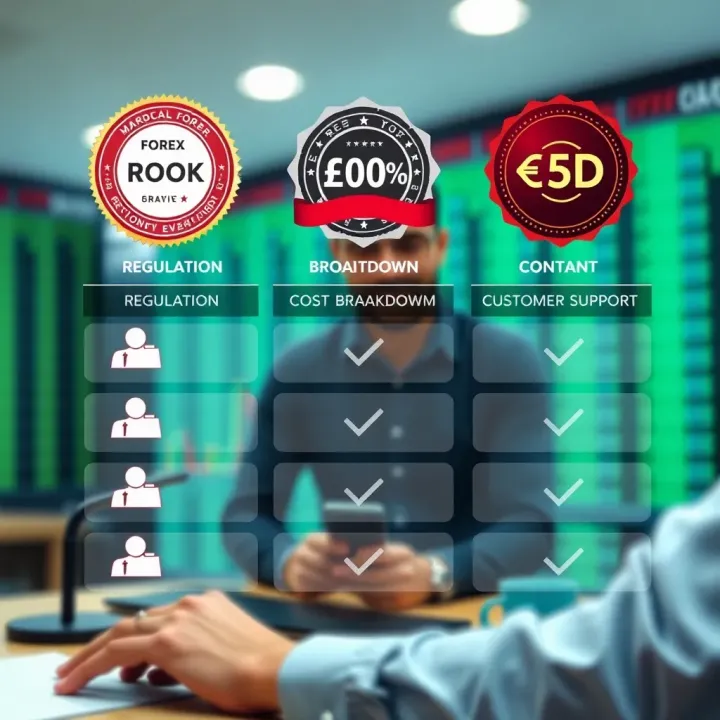
Before placing your first trade, focus on these key factors:

Regulation: Brokers authorised by recognised bodies like the Securities and Exchange Board of India (SEBI) or international regulators such as the Financial Conduct Authority (FCA) offer better safety. They must follow strict rules that protect your funds and ensure fair dealings.
Trading Platforms: The software you use should be easy to navigate while providing powerful tools for analysis. MetaTrader 4 and 5 are popular choices among Indian traders for their reliability and wide features.
Costs and Fees: Check the spread (difference between buy and sell prices), commissions, and any hidden charges like withdrawal fees. Low costs help keep your profits intact.
Account Types: Different brokers offer accounts suited for beginners and advanced traders. Look for options with suitable leverage, minimum deposits, and flexible trade sizes.
Customer Support: Efficient customer service is vital when you face issues or need guidance. Availability in Indian time zones and regional languages can be a bonus.
Selecting a broker is not just about fees or platform look. It's about trust, transparency, and comfort to execute trades confidently. Choose carefully to avoid surprises later.
Some well-known brokers catering to Indian clients include IC Markets, Forex.com, and ZuluTrade. These brokers comply with international standards and provide services tailored for Indian traders.
Keep these factors in mind as you read on, and you'll be better placed to choose a broker fit for your trading style and goals.
Choosing the right forex broker is the foundation for successful trading, especially in India where the market environment and regulations have their nuances. The criteria you consider impact your safety, trading cost, execution speed, and overall convenience. Each factor—from regulation to customer support—plays a practical role. For example, a broker regulated by a trusted authority adds a layer of protection you can't ignore.
Regulatory bodies globally, such as the Financial Conduct Authority (FCA) in the UK or the US Commodity Futures Trading Commission (CFTC), set strict rules brokers must follow. Indian traders often deal with brokers regulated abroad since domestic regulations on forex trading are evolving. The Reserve Bank of India (RBI) provides guidelines, but many brokers fall under offshore regulators’ purview. Understanding which body governs your broker aids in assessing safety.
Regulation protects traders by ensuring brokers segregate client funds from operational accounts. This safeguards your money if the broker’s business faces trouble. Regulators also require brokers to operate transparently, which means timely reporting and compliance audits. For instance, if a broker is regulated by the Securities and Exchange Board of India (SEBI) or the FCA, you can reasonably expect proper fund management and dispute resolution pathways.
Reputable regulators include the FCA, Cyprus Securities and Exchange Commission (CySEC), Australian Securities and Investments Commission (ASIC), and SEBI. Indian traders should prefer brokers licensed by these authorities or similar ones with strong oversight. Such credentials reduce the risk of fraud and provide recourse if issues arise.
Popular forex trading platforms in India include MetaTrader 4 (MT4), MetaTrader 5 (MT5), and cTrader. These platforms offer user-friendly interfaces and advanced charting capabilities crucial for decision-making. While MT4 is widely used by beginners and pros alike, MT5 provides more instruments and improved order management.
Essential tools include real-time charts, economic calendars, customizable indicators, and risk management features like stop-loss. These help traders plan and execute strategies effectively. Plus, access to research and analysis through the platform enhances your insight on market trends.
Mobile trading has become key for Indian users who want to manage trades on the go. A broker’s app must be fast, reliable, and intuitive. Apps like MetaTrader's mobile versions provide full trading features, letting you open, modify, and close positions without desktop access. Good app usability saves precious time in volatile markets.
Understanding spreads, commissions, and other fees is essential because these directly affect your profits. The spread is the difference between the buying (ask) and selling (bid) prices of currency pairs. Brokers may charge commissions on top of spreads or offer zero-commission trading with wider spreads.
Fixed spreads remain constant regardless of market conditions, providing predictability. Variable spreads fluctuate based on liquidity and volatility, often narrowing in normal conditions but widening during volatility. For example, during Indian market holidays, spreads might widen due to lower liquidity.
Even seemingly small differences in costs can erode gains over time, especially for frequent traders. For example, a spread difference of just 0.5 pips on a ₹10 lakh trade can translate into significant cost difference annually. Therefore, understanding and comparing these costs helps optimise your trade’s bottom line.
Brokers typically offer several account types, such as standard, mini, and micro accounts. Indian traders should pick one fitting their budget and trading style. For instance, a micro account might be better for a beginner testing strategies with smaller sums, while experienced traders might prefer standard accounts for higher leverage.
Minimum deposits vary widely, from ₹1,000 to ₹50,000 or more, depending on the broker. Flexible deposit requirements help Indian traders with modest capital start quickly. Also, look for brokers that support INR deposits to avoid currency conversion charges.
Demo accounts provide risk-free practice environments where you can hone skills and test platforms. These virtual accounts mimic live market conditions without risking real money. Indians new to forex must use demos before moving to live trading.
Responsive and knowledgeable customer support can save you from costly mistakes. A broker that quickly answers queries and resolves issues helps maintain smooth trading, especially when markets move fast.
Support available in Indian time zones and languages like Hindi or regional tongues improves communication. This is important for traders in smaller cities who might not be fluent in English.
Common support channels include live chat, email, and phone. Live chat offers instant help, phone calls assist with complicated issues, and email suits non-urgent queries. Indian traders should choose brokers with multiple, accessible support options.
When selecting a forex broker, these criteria serve as practical filters, helping you choose a broker that not only matches your trading needs but keeps your investments secure and supported, especially in the Indian context where careful navigation is key.
Choosing the right type of forex broker is vital for Indian traders as it directly impacts trading costs, execution speed, and overall experience. Brokers mainly fall into two categories: Dealing Desk (Market Makers) and No Dealing Desk brokers, including Straight Through Processing (STP) and Electronic Communication Network (ECN) models. Understanding how they operate helps traders pick a broker that suits their strategy and risk appetite.
Market makers create their own bid and ask prices, essentially acting as the counterparty to your trades. They do not pass your orders directly to the broader market; instead, they manage the orders within their own system. For example, if you buy a currency pair, the broker sells it directly, and vice versa.
This model offers advantages like guaranteed liquidity and quick trade execution. It’s well-suited for beginners who prefer predictable trading conditions. However, market makers may face a conflict of interest since they earn when clients lose, which can lead to wider spreads or restricted price movements during volatile markets.
On the flip side, because the broker controls order execution, slippage or price re-quotes may happen during high volatility. Indian traders should be cautious with market makers that don’t provide clear transparency on pricing or execution policies.
No Dealing Desk brokers send your orders directly to liquidity providers—such as banks and other financial institutions—without intervention. Within this category, STP brokers process orders straight through without manual handling, while ECN brokers aggregate multiple liquidity providers, showing real market prices.
The key difference is that ECN platforms allow direct access to the interbank market with visible order books and tighter spreads, whereas STP brokers route orders automatically but might add a markup. For example, through an ECN broker, you may see prices from several banks simultaneously, enhancing price transparency.
These brokers generally offer faster execution and lower transaction costs, making them popular among experienced traders seeking tighter spreads and genuine market prices. However, they usually charge a commission on trades, so Indian traders should balance spreads against commissions when picking an STP or ECN broker.
Selecting between Market Makers and No Dealing Desk brokers depends on your trading style, cost preferences, and need for transparency. For Indian traders, understanding these types ensures better control over trading outcomes.
By recognising the distinctions and benefits of each broker type, Indian forex traders can make more informed choices that suit their trading goals and risk tolerance. Whether prioritising quick execution or market transparency, knowing how these brokers operate forms the foundation of successful forex trading.
Choosing popular forex brokers matters because these players typically offer services tailored to Indian traders’ needs. Familiarity with brokers that accept Indian rupees (INR), local payment methods, and offer support suited to Indian market timings can simplify trading and reduce costs. Popular brokers also tend to have proven track records, giving traders more confidence in their reliability.
Brokers accepting INR deposits and local payment methods play a key role in lowering barriers for Indian traders. Depositing directly in INR means you avoid forex conversion charges at banks and foreign exchange firms, which can add up. Many popular brokers support UPI, net banking, and wallets like Paytm or PhonePe, making funding your trading account convenient and quick. For example, brokers such as ICICI Direct and Zerodha integrate local payment systems easily, easing transfers.
Platforms with strong Indian customer presence often provide region-specific features like local language support or trading hours that align with Indian markets. This focus means quicker help desks, targeted educational resources, and community forums where you can share ideas with peers. A platform like Zerodha’s Kite enjoys wide usage in India, offering a familiar environment backed by responsive service in major Indian languages.
Examples of brokers with good reputations and reviews help in narrowing down trustworthy choices. IB (Interactive Brokers), FXTM, and OctaFX have consistently positive feedback from Indian users about transparent fees and smooth execution. Reading verified customer reviews can reveal how brokers handle deposits, withdrawals, and technical issues. Reputed brokers generally comply with global regulations and maintain strong capital to safeguard client funds.
Cost comparison of popular brokers in India shows differences mainly in spreads, commissions, and deposit/withdrawal fees. For instance, ICICI Direct charges 0.01% per trade with zero conversion fees for INR deposits, whereas international brokers may have lower spreads but add currency conversion charges. Understanding these cost structures helps traders estimate real expenses and make profitably informed choices.
Value-added services such as research and education distinguish brokers beyond prices. Many provide daily market analysis, webinars, and tutorials customised for Indian forex trends. Tools like in-depth charts, indicators, and automated trading setups can improve decision-making. Platforms like Zerodha and Fyers offer educational content and demo accounts specifically designed for Indian traders, helping freshers build confidence without risking real money.
Selecting a forex broker popular with Indian users not only cuts costs but also enhances your trading experience through better support, features, and trustworthiness.
Opening and managing a forex account involves a few clear steps that every Indian trader should know. These steps ensure your account complies with Indian rules and that you can trade effectively without hurdles. From completing your KYC (Know Your Customer) to managing deposits and risks, understanding each phase helps you avoid delays and costly mistakes.
When opening a forex trading account, brokers require several documents to verify your identity and address. Usually, you will need a PAN card, Aadhaar card, passport-size photograph, and proof of residence such as a utility bill or bank statement. These documents confirm your identity as per Indian regulations and help prevent fraud.
Compliance with Indian regulations matters because forex trading in India faces strict scrutiny from authorities like the Reserve Bank of India (RBI) and Securities and Exchange Board of India (SEBI). Brokers conduct KYC checks to ensure that only legitimate traders access the market and that funds aren’t misused. Ignoring these checks can lead to account suspension or even legal trouble, so completing KYC properly is essential.
Indian traders usually fund their forex accounts in Indian Rupees (INR) through bank transfers, online wallets, or UPI payments. Some brokers accept direct INR deposits, which is convenient and avoids unnecessary currency conversion at the start. This can save you some charges up front.
Withdrawal procedures can vary but typically require your linked Indian bank account for smooth transfers. Withdrawal times may range from the same day to a few working days, depending on the broker and payment method. Always check these timelines before starting so you don’t face cash flow problems.
Currency conversion can be an unseen cost when trading forex. Each time you deposit INR and it converts to a foreign currency or when profits are withdrawn back to INR, charges apply. These can add up, especially for frequent traders. Monitoring conversion rates and choosing brokers who offer wallet options in INR helps manage this cost effectively.
Setting stop loss and take profit levels is a must for every trader to manage losses and lock in profits automatically. For example, if you buy USD/INR at 82.50, setting a stop loss at 82.00 limits your downside if the price falls, while a take profit at 83.00 locks gains when the price rises.
Leverage allows trading larger positions with less capital but can also magnify losses quickly. Indian regulators usually cap leverage to protect traders. Using leverage cautiously, such as starting with low multiples and avoiding overexposure during volatile periods, keeps your risk under control.
Staying informed about market conditions is equally important. Forex rates react to global news, RBI policies, and economic data like GDP and inflation. Missing out on key updates can lead to wrong trading decisions. Using news apps, market analysis, and RBI announcements helps you keep an edge.
Managing your forex account carefully through compliant steps and smart risk control gives you the best chance to trade successfully in India.
💹 Learn how to make money forex trading in India with practical tips on market analysis, broker selection, risk management, and controlling emotions for success.

📈 Learn how to trade forex online in India with practical tips on platform choice, smart strategies, risk control, and avoiding common mistakes. 💡

Explore online forex trading in India 🇮🇳 with key tips on brokers, laws, strategies, and risk management to trade smartly and confidently in currency markets 💹.

Looking for the most reliable trading app in India? 📱 Discover key features, security tips, and user experience advice to pick the best platform confidently.
Based on 10 reviews