

Legal Forex Trading Apps in India: What to Know
Explore legal forex trading apps in India 🇮🇳, learn how to pick trusted platforms, understand rules & taxes, and trade safely with expert tips 📉📈
Edited By
Matthew Cooper
When it comes to forex trading in India, picking the right trading app can make a significant difference. With numerous platforms available, each claiming to offer the best experience, it’s easy to get overwhelmed. The key is to focus on factors that matter most for Indian traders, such as regulatory compliance, ease of use, trading tools, and cost.
The Reserve Bank of India (RBI) and Securities and Exchange Board of India (SEBI) regulate forex trading within the country, so choosing an app that follows these rules is crucial to avoid legal complications. For example, trading in currency pairs involving the Indian rupee (INR) must happen through authorised brokers on recognised exchanges like NSE and BSE. Apps offering forex trading in INR pairs tend to provide safer and more transparent options.
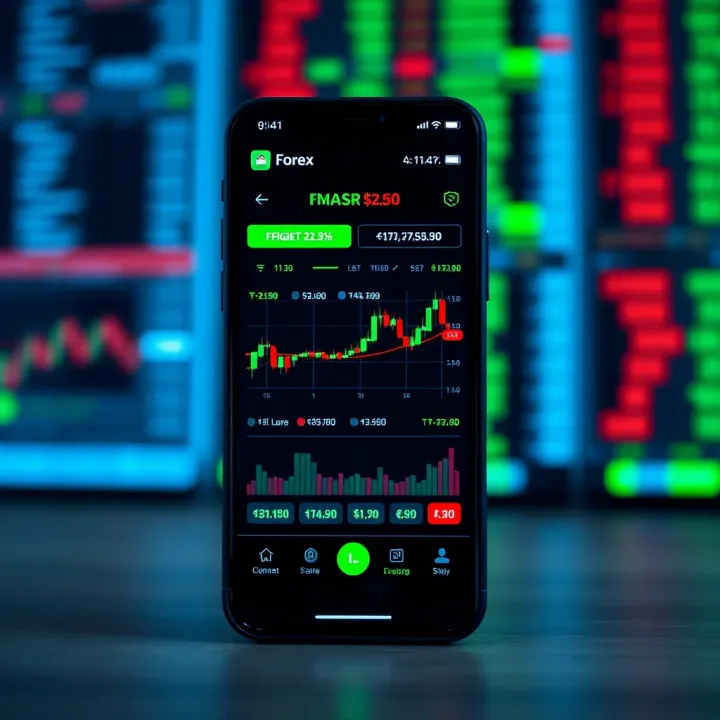
Another important aspect is the app’s user interface and features. Look for apps that offer real-time charts, technical indicators, secure fund transfers via UPI or net banking, and quick trade execution. Platforms such as Zerodha Coin, Upstox Pro, and ICICI Direct have become popular among Indian traders thanks to their intuitive layouts and reliable service.
Cost matters too. Most apps charge brokerage fees, which can affect your overall profit, especially if you trade frequently. Some apps offer free or flat-rate brokerage, while others charge per trade. Check if there are hidden costs like inactivity fees or withdrawal charges.
Always remember, a cheap app is not necessarily the best one if it lacks security or important features. Prioritise apps that provide a balance between cost, usability, and regulatory compliance.
In summary, Indian traders should evaluate forex trading apps based on:
Regulatory compliance with RBI and SEBI guidelines
Support for INR currency pairs on recognised exchanges
User-friendly interface and advanced trading tools
Reasonable brokerage and transaction charges
Secure payment and withdrawal options
By keeping these points in mind, you can better navigate the options and settle on a forex trading app that fits your trading strategy and meets India’s legal framework.
Forex trading involves buying and selling currencies on a global market. For Indian traders, understanding how this market operates is essential before choosing any trading app. The forex market is the largest financial market in the world, with a daily trading volume exceeding $6 trillion globally. It functions 24 hours a day, five days a week, offering continuous opportunities across time zones.
Currency pairs are traded in this market, where one currency is exchanged for another. For example, if you trade the USD/INR pair, you are essentially buying US dollars while selling Indian rupees or vice versa. This understanding helps you know what drives price movements and how to strategise when using forex trading apps.
Forex markets operate as over-the-counter (OTC) platforms, meaning there is no central exchange. Instead, trading happens through banks, brokers, and electronic platforms globally. This decentralised setup ensures high liquidity and near-instant execution of trades. For everyday traders in India, this means you can enter or exit positions quickly during market hours, but also face risks due to volatility.
Apart from speculation, forex trading also supports international trade and investment by enabling currency conversion. For example, an Indian company importing machinery from Germany will enter the forex market to convert INR to EUR at prevailing rates, influencing demand and supply dynamics.
Globally, the major currency pairs include the US dollar (USD) paired with the euro (EUR), Japanese yen (JPY), British pound (GBP), and Swiss franc (CHF). These pairs are popular due to their liquidity and tight spreads. Indian traders often focus on USD/INR because the rupee is among the actively traded emerging market currencies.
Besides USD/INR, traders might engage with other crosses like EUR/INR or GBP/INR, depending on factors like geopolitical events or economic releases. Knowing which pairs move actively during Indian market hours can influence trading success and app choice, especially where apps provide good live rates and charts for these pairs.
RBI controls forex trading in India to maintain economic stability and exchange rate integrity. It allows Indian residents to trade only in specific currency pairs involving the rupee, primarily USD/INR, EUR/INR, GBP/INR, and JPY/INR on recognised exchanges like the NSE and BSE. This is why many forex trading apps available in India focus on RBI-approved pairs only.
RBI also sets guidelines on limits for individuals and businesses trading forex, such as restrictions on offshore trading and limits under the Liberalised Remittance Scheme (LRS). These rules protect users from excessive risk and keep currency markets orderly.
The Securities and Exchange Board of India (SEBI) regulates intermediaries and brokers offering forex trading services in India. SEBI monitors compliance to prevent frauds or unfair practices in forex trading. For traders, using SEBI-registered brokers or platforms means better protection, transparency, and access to grievance redressal mechanisms.
Apps that meet SEBI’s rules on disclosures and customer protection are generally more reliable, reducing chances of scams or unauthorized trading.
Indian forex laws restrict residents from trading currency pairs that don’t involve the rupee on domestic platforms. Trading in major international pairs like EUR/USD or GBP/USD is not allowed for Indian residents unless conducted on authorised offshore platforms, which has its own complexities and compliance requirements.

This legal boundary affects which apps Indians can safely use; choosing platforms that enable only permitted pairs and are licensed in India avoids legal issues and loss of funds.
Understanding these market basics and regulations helps Indian traders pick forex apps that comply with local laws, offer relevant currency pairs, and equip them to manage risks effectively.
This knowledge saves you from falling into the trap of apps promising unrestricted global forex trading, which may be illegal and unsafe in the Indian context. Only by aligning app choice with the Indian forex environment can you trade confidently and within the law.
When selecting a forex trading app, the right features can make or break your trading experience. Especially in the Indian context, where market dynamics and regulatory frameworks influence trading options, eyeing specific app qualities ensures you trade efficiently and safely.
Ease of navigation and user experience matters most since a cluttered or confusing app can lead to missed opportunities or costly mistakes. A clean, intuitive design helps traders quickly find currency pairs, place orders, and check their portfolio without unnecessary clicks or delays. For instance, an app like Zerodha’s Kite offers a straightforward layout that appeals even to beginners, allowing them to toggle between market charts and order windows seamlessly.
Mobile compatibility is practically non-negotiable today. Most Indian traders rely heavily on smartphones for all their investment activities. An app that runs smoothly on popular Android devices and iPhones without frequent crashes or slowdowns ensures you stay connected anytime, anywhere. Plus, given varying internet speeds in many regions, apps optimised for low bandwidth, like Upstox, prove valuable. Push notifications and quick trade executions on mobile can make a real difference when currency rates shift rapidly.
Charts and technical indicators provide the analytical edge crucial for informed decisions. Good forex apps feature multiple chart types—line, bar, candlestick—with tools for drawing trend lines or support/resistance zones. Indicators like Moving Averages, RSI, and MACD help traders spot patterns or potential reversals. For example, the MetaTrader 4 app widely used in India offers a rich set of such tools, making it easier to analyse market moves without switching platforms.
Real-time data and news feed integration combine market updates with breaking financial news, enabling timely trades. Apps that pull live exchange rates and relevant news—whether macroeconomic announcements from the RBI or global events affecting forex markets—help traders adjust positions swiftly. Think of it as having a live ticker and news desk in your pocket, which is particularly useful in volatile markets.
Data protection and encryption are fundamental since trading involves sensitive financial info. Reputed apps encrypt user data and transactions to prevent hacking or leakage. For Indian users, apps should also safeguard identity documents needed for Know Your Customer (KYC) procedures, ensuring compliance with data privacy laws.
Regulatory compliance checks ensure the app follows guidelines from the Reserve Bank of India (RBI) and Securities and Exchange Board of India (SEBI). Choosing platforms vetted for legality avoids falling into blacklisted services or scams. For example, apps partnering with authorised brokers verified by SEBI provide an additional layer of trust.
Security lapses or regulatory non-compliance could lead to loss of funds or legal complications, making these features critical evaluation criteria.
Brokerage fees affect profitability directly. Some apps charge a fixed fee per trade, while others levy a percentage of the transaction value. Traders active in the Indian market often prefer apps with transparent and competitive brokerage like Angel Broking or Sharekhan.
Spreads and commissions are also key. The spread—the difference between buying and selling prices—varies by app and currency pair. Narrow spreads reduce trading costs, especially for frequent traders. Not all platforms clearly mention commissions, so it's vital to compare before committing.
Hidden charges can catch traders off guard. Some apps impose fees for account inactivity, withdrawing funds, or converting Indian rupees to foreign currencies. A thorough read of the terms and user reviews helps spot these extra costs early, preventing unpleasant surprises.
By carefully weighing these key features, Indian traders can pick forex trading apps that fit their style and protect their interests while delivering a good user experience.
India's forex trading scene has grown steadily, making the choice of the right trading app more important than ever. Selecting a popular and reliable forex trading app ensures access to Indian-regulated markets and helps avoid legal complications. This section highlights apps specifically approved for Indian users and compares their features and costs, offering practical insights for traders looking to engage safely and effectively.
Forex trading apps compliant with Indian regulations operate under guidelines set by the Reserve Bank of India (RBI) and the Securities and Exchange Board of India (SEBI). These apps primarily allow trading in currency pairs permitted by Indian laws, focusing on INR crosses like USD/INR, EUR/INR, and GBP/INR. Popular apps like Zerodha’s Kite and ICICI Direct adhere strictly to these rules, ensuring traders do not engage in prohibited offshore forex contracts.
Trading within this framework protects users from falling into legal grey areas and facilitates transparent, regulated trading. That said, apps operating internationally without Indian regulatory oversight, while offering more currency pairs, are not recommended for residents due to possible compliance risks.
When it comes to strengths, Zerodha’s Kite offers a clean interface and robust charting tools tailored to Indian traders. ICICI Direct provides seamless integration with banking services, making fund transfers smoother. However, their limitation lies in the restricted range of currency pairs available due to regulatory constraints. HDFC Securities and Upstox also feature prominently, blending user-friendly experiences with secure transaction environments, but they too face similar limitations on tradable pairs.
User ratings offer valuable insights into app reliability. For instance, Zerodha Kite enjoys high ratings for its simple user experience, while Upstox attracts traders praising its speed and charting options. However, some users note that customer support can occasionally lag, underlining the necessity to factor in service responsiveness.
Mobile app performance is key for forex traders who need real-time access. Apps like ICICI Direct have shown consistent stability even during high market volatility, which is critical for placing timely trades. On the other hand, lesser-known apps may struggle with fast data updates, potentially leading to slippage or missed opportunities.
Customer support quality remains a decisive factor. Effective support assists in resolving transactional issues and clarifies regulatory queries specific to Indian trading laws. Zerodha and HDFC Securities provide dedicated helplines and chat support, helping traders tackle problems swiftly, whereas other apps might rely solely on email, which delays resolutions.
Choosing a forex trading app approved for India, offering reliable mobile performance and prompt customer assistance, can save you from costly mistakes and legal hassles.
In summary, focusing on apps regulated in India with good reviews, solid mobile functionality, and accessible customer care will help you trade forex confidently within the legal framework. This approach ensures smoother trading experiences and aligns with RBI and SEBI mandates.
Starting forex trading through an app in India requires a systematic approach — this not only ensures compliance with regulatory rules but also provides a clear path towards managing trades safely and effectively. Knowing the exact steps helps newcomers avoid common pitfalls such as incomplete KYC (Know Your Customer) procedures or improper account funding which can delay trading or lead to security issues.
Required documents for opening a forex trading account typically include proof of identity (like Aadhaar or PAN card), proof of residence (such as a utility bill or passport), and your PAN card itself. These help brokers verify your identity and confirm your eligibility to trade. For example, a trader from Chennai would upload these documents digitally through the app, making the initial process quick and paperless.
The KYC process is a mandatory step where brokers authenticate your identity against regulatory standards set by SEBI (Securities and Exchange Board of India). Usually, this involves a quick video call or photo verification alongside document submission. Completing KYC early helps avoid delays when you’re ready to place trades, and it prevents account freezes triggered by suspicious activity.
Most forex apps accept payments via net banking, UPI, debit cards, or IMPS. Using UPI apps like PhonePe or Google Pay is convenient and instant for Indian users. Funding options are essential because smooth transfers let you take advantage of market movements without waiting for payment clearances.
Currency conversion matters since your base account might be in Indian Rupees (₹), but forex trades happen in foreign currencies. Apps generally convert funds at market rates, plus a small margin. Understanding this conversion helps you plan your investment better. For instance, if you fund ₹1 lakh, the app converts it into US dollars or euros depending on your choice — the exchange rate applied may slightly vary among platforms.
Selecting currency pairs involves choosing which two currencies to trade, such as USD/INR or EUR/USD. Beginners should pick pairs they know or are familiar with global economic trends affecting those currencies. It helps in predicting price movements more effectively.
When you proceed to trade, understanding types of orders available is key. Market orders buy or sell immediately at current prices, whereas limit orders let you set a preferred price to enter or exit a trade. For example, if the USD/INR rate hits your set value, the app executes your trade automatically. Such options give flexibility and control, reducing the risk of losses due to sudden market swings.
Getting these steps right not only keeps you compliant with Indian regulations but also means you're set up to trade confidently and securely. Always take your time with account setup and funding to avoid surprises later on.
Forex trading apps offer great convenience, but using them without care can lead to losses or worse, scams. Practising good risk management, staying alert to possible fraud, and maintaining your app’s security are essential habits. These best practices help safeguard your funds and make your trading experience smoother and more reliable.
Setting stop-loss limits is one of the simplest yet most effective ways to control losses. By pre-defining a point at which your trade will automatically close if the market moves against you, you keep your losses within a manageable range. For example, if you buy USD/INR at ₹75 and set a stop-loss at ₹74, the app will exit the trade once the rate hits ₹74, preventing bigger damage. This method helps avoid emotional decisions during market swings.
Understanding leverage is critical before stepping into forex trading. Leverage lets you control a bigger position with a smaller amount of capital, but it amplifies both gains and loses equally. If your leverage is 50:1, just a 2% adverse move can wipe out your entire investment. Indian brokers approved by the Reserve Bank of India (RBI) usually impose conservative leverage limits, and it’s wise to stick to those instead of chasing higher multipliers. Over-leveraging can cause sudden account blow-ups, especially for new traders.
Identifying fraudulent apps is a must in India’s growing forex market. Some apps claim huge returns but use risky unregulated practices or outright cheat by blocking withdrawals. Red flags include apps without proper KYC procedures, unavailable customer support, or unclear fee structures. Always choose apps registered with SEBI (Securities and Exchange Board of India) and cross-check reviews from verified users.
Reporting suspicious activity helps protect the trading community as a whole. If you notice your app behaving strangely, like delayed withdrawals, unusual charges, or calls from unknown sources promising easy profits, report them to SEBI or law enforcement. Quick reporting can trigger warnings to others and sometimes prevent further fraud.
Keeping app software updated ensures you have the latest security patches and feature improvements. Forex apps often update encryption methods and fix bugs to stop hackers. Ignoring updates can leave you vulnerable to data theft or connectivity issues. Indian users should regularly check Play Store or App Store for updates, avoiding sideloading apps from unofficial sources.
Staying informed on market changes is vital for trading success. Forex markets react to global news, RBI policy shifts, and economic reports like GDP numbers. Many apps provide integrated live newsfeeds or alerts. Following these helps you adjust your strategies timely, reducing unnecessary risks and spotting good trading opportunities.
Practise smart trading habits: manage risk, choose trustworthy apps, and keep your tools updated to trade forex confidently in India.
By following these approaches, you reduce risks and have a safer trading experience while making the most of your chosen forex trading app.
Explore legal forex trading apps in India 🇮🇳, learn how to pick trusted platforms, understand rules & taxes, and trade safely with expert tips 📉📈

📈 Learn how to trade forex online in India with practical tips on platform choice, smart strategies, risk control, and avoiding common mistakes. 💡

Explore online forex trading in India 🇮🇳 with key tips on brokers, laws, strategies, and risk management to trade smartly and confidently in currency markets 💹.

📈 Explore oil trading apps in India with this practical guide! Learn key features, popular choices, risks, and smart ways to manage your investments securely.
Based on 13 reviews