

Best Online Trading Apps in India: Features & Benefits
Discover top online trading apps in India 📈. Learn key features, security tips, and find the best platform to suit your trading goals with ease.
Edited By
Sophie Reed
Choosing the right trading app is a key step for anyone entering the Indian stock market. With so many options available, beginners often find it hard to pick an app that combines ease of use with reliability and the right features.
A good trading app should offer a simple interface, fast execution, and essential tools like real-time market data and research insights. Popular apps in India like Zerodha's Kite, Groww, Upstox, and Angel Broking often come up in discussions due to their beginner-friendly design and transparent pricing.

Apart from features, safety is a top priority. Ensure the app is registered with the Securities and Exchange Board of India (SEBI) and follows standard security protocols such as two-factor authentication and data encryption. This protects your investment and personal data.
Costs can vary significantly. Look for apps with low brokerage charges, minimal account opening fees, and reasonable annual maintenance charges. For instance, some platforms offer zero brokerage on equity delivery trades but charge fees on intraday or F&O trades.
A smart choice balances cost, security, and usability. It’s better to try apps with demo or trial options before committing.
Beginner traders should also evaluate customer support quality and educational resources within the app. Many platforms today provide access to webinars, tutorials, and market news, which help new investors understand trading basics.
In this article, we'll break down these factors and compare key players to help you pick the best trading app tailored for beginners in India. Whether you want to invest in stocks, mutual funds, or start with systematic investment plans (SIPs), choosing a dependable app sets the foundation for confident trading.
Choosing the right trading app means focusing on features that make investing straightforward, especially for beginners. If an app has all the right tools in place, it simplifies learning and managing investments in India’s dynamic stock market. These features help reduce errors, speed up decision-making, and build confidence.
Simple design tailored for beginners makes trading less intimidating. When an app uses clean layouts without clutter, it helps new users quickly grasp how to check stocks or mutual funds. For example, an app offering clear menus and easily visible buttons means even a fresher in trading won’t feel lost trying to place their first order.
Ease of placing orders and tracking portfolios is vital too. A beginner should be able to buy or sell shares in a couple of taps without stumbling through complicated steps. At the same time, apps that allow users to monitor their portfolio's value, recent gains, or losses in real time offer better control and pacing over trading strategies. This smooth navigation saves time and reduces the risk of mistakes when markets change rapidly.
Educational content and tutorials empower new traders with knowledge about market basics, investment types, and strategies. Apps with well-organised videos, articles, and step-by-step guides equip users to make smart decisions rather than guesswork. For instance, an app might provide simple breakdowns of terms like "Nifty" or "dividends," helping beginners understand what influences stock prices.
Real-time market data and analysis are also a must. Access to live updates with charts or news alerts lets a user react quickly to market movements. Many apps offer market trends or expert commentary tailored for novices, demystifying complex data into digestible insights. This feature reduces the tendency to overreact or miss good opportunities due to outdated information.
Two-factor authentication (2FA) adds a layer of security, ensuring that even if someone knows your password, they cannot access your account without a second confirmation — usually a code sent to your mobile or email. This reduces the risk of unauthorised access, which is crucial for financial safety.
Encryption and regulatory compliance guarantee that your personal and financial data remain private and secure. Trading apps regulated by authorities like the Securities and Exchange Board of India (SEBI) must follow strict guidelines on data protection. Encryption scrambles data during transmission, making it tough for hackers to intercept or misuse sensitive information.
Picking an app that balances simplicity, learning support, and security sets the right foundation for beginners to trade confidently without constantly worrying about technical glitches or safety issues.
By focusing on these key features, new traders in India can navigate markets more smoothly and protect their investments from common pitfalls common in early trading experiences.
Choosing a trading app is a key step for beginners who want to enter the Indian stock market confidently. Popular trading apps come with tested features and reliable performance, saving you the trouble of guesswork. These platforms often provide seamless account opening, ease of use, and robust customer support — all crucial elements for someone just starting.
Low brokerage and easy account opening
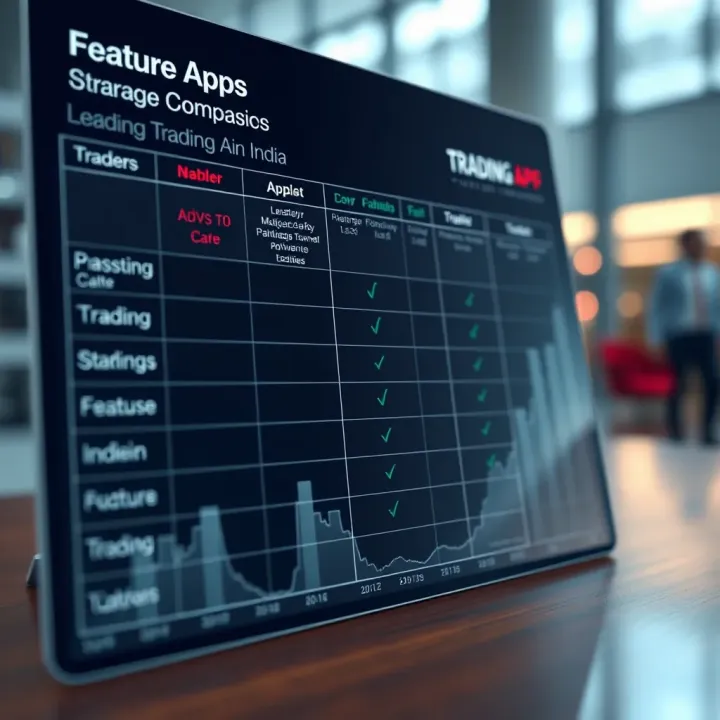
Zerodha Kite stands out with its low brokerage fees, especially beneficial for beginners with limited capital. Its flat fee structure helps you avoid unexpected costs that can eat into your profits. Opening an account with Zerodha is straightforward and fast, often completed online within a day or two, which suits new traders who prefer quick access without complex paperwork.
Usability and app features
The app offers an intuitive interface with clean charts and smooth navigation. Tools like detailed stock analysis, watchlists, and real-time market data let beginners track investments easily. Plus, Zerodha Kite supports multiple order types and quick order placement, easing the learning curve for fresh traders handling their first buy or sell.
Competitive pricing
Upstox Pro appeals with its competitive brokerage charges, which include zero brokerage for equity delivery trades. This pricing works well for new traders focusing on long-term investing without frequent trading costs. It keeps starting capital intact, helping beginners manage risk while experimenting with the markets.
Platform tools for new traders
The app offers a range of trading tools like advanced charts with over 100 indicators, market scanners, and algorithmic trading support. These features equip beginners with insights to make informed decisions rather than relying purely on guesswork. Upstox’s user-friendly notifications and customised watchlists also help keep track of market movements effortlessly.
Strong customer support
Angel One Mobile is known for its prompt customer service. Beginners often have questions about account setup, order execution, or fund transfers, and Angel One’s chat and phone support help clarify doubts quickly. This reliable user assistance builds trust, especially when handling financial transactions for the first time.
Simplified investing options
The app provides straightforward investing choices, including mutual funds and direct equity, with easy buy-sell processes suited for novices. Its clean layout reduces clutter, ensuring beginners don’t feel overwhelmed. Additionally, Angel One offers educational resources integrated within the app to guide users through investment basics as they trade.
When starting, pick a trading app that matches your budget, learning style, and support needs. Zerodha, Upstox, and Angel One Mobile each cover different strengths, so align your choice with what helps you trade comfortably and safely.
Grasping the costs involved in trading apps is essential for beginners to manage investments wisely. Every rupee spent on fees and charges reduces your potential earnings, so knowing what to expect can prevent unwelcome surprises. Different apps have varying fee structures, which makes comparison crucial before picking one.
Brokerage fees are the charges paid to brokers for executing buy or sell orders on behalf of investors. These fees typically come in two forms: fixed and percentage-based. Fixed fees mean you pay a set amount per trade regardless of the transaction value—for example, ₹20 per order. Percentage-based fees charge a cut relative to the trade size, say 0.05% of the transaction value.
For beginners placing small trades, fixed fees might work better since they know the exact cost upfront. But for high-value trades, percentage fees could be more economical. For instance, a ₹10,000 trade with a 0.05% fee costs ₹5, which is cheaper than a flat ₹20 brokerage.
The impact on small investors needs special attention. Heavy brokerage can eat into modest capital gains, making frequent trading less viable. Suppose a trader with ₹10,000 capital pays ₹20 per trade; even a small profit might vanish under these fees. That’s why many trading apps offer zero brokerage on equity delivery trades or have discounted charges for new investors.
Annual maintenance charges (AMC) are yearly fees for keeping your Demat account active. Almost all brokers levy AMC, often around ₹300–₹700 per year, though some waive it for the first year. Since beginners might start with small portfolios, AMC can be a significant cost relative to their investment size. Choosing an app charging reasonable AMC or offering first-year waivers helps reduce overheads.
Besides AMC, hidden costs can catch new users off guard. These include transaction fees, stamp duty, GST on brokerage, and penalties for inactive accounts. For example, stamp duty varies across states and can affect your overall cost depending on the trading volume. Some apps might also impose charges for SMS alerts or physical statement delivery.
It pays off to carefully read the fee schedules of trading platforms and ask customer support about lesser-known charges before committing. Transparent apps detailing all costs upfront suit beginners better.
Review brokerage plans and choose one aligning with your trading size
Check annual maintenance and transactional fees
Be alert to additional charges like GST, stamp duty, or penalties
This understanding helps beginners select trading apps that suit both their budget and trading habits, ensuring better investment returns.
Trading apps must provide a secure environment for new traders, protecting their investments and personal data. Safety and regulatory compliance not only build trust but also ensure traders are shielded from fraud and malpractice. For a beginner, understanding these factors is as important as knowing how to use the app itself.
The Securities and Exchange Board of India (SEBI) plays a key role in supervising trading platforms. It ensures that brokers and trading apps follow stringent guidelines, such as transparency in fees, timely settlement, and fair trading practices. SEBI’s oversight means that when you choose an app registered with it, you get some assurance your money and trades are handled legitimately. For example, apps like Zerodha and Upstox maintain SEBI registration and comply with its norms, providing a safer trading environment.
Investor grievance redressal mechanisms set by SEBI give traders a channel to lodge complaints if they face issues like transaction errors or unauthorised trades. SEBI requires brokers to have an internal grievance system and also provides a framework to escalate complaints externally. This accountability is vital for beginners who may face initial hiccups or misunderstandings while using trading apps.
Regularly updating your trading app password significantly reduces the risk of unauthorised access. Simple steps like changing passwords every few months, using a mix of letters, numbers, and special characters, and avoiding reuse of passwords from other sites can make your account much safer. Many apps also offer two-factor authentication, which adds a second layer of security beyond just the password.
New traders should watch out for phishing and scams, which remain common dangers. Phishing often comes disguised as emails or messages asking for sensitive information or fake app updates. Always verify the sender and avoid clicking on suspicious links. If you receive any messages asking for your trading app login details or OTP (one-time password), do not share them under any circumstances. Remember, genuine platforms like Angel One or Upstox never ask for your password over calls or messages.
Protecting your trading account is not just about avoiding big losses; it also keeps your personal and financial information safe, maintaining your confidence as you build your investment portfolio.
By staying alert to SEBI regulations, using secure passwords, and recognising scams, new traders can trade with greater peace of mind and focus on learning the market.
Starting your journey with trading apps can feel daunting, but following a clear set of tips simplifies the process and boosts your confidence as a new investor. This section highlights practical steps to open accounts, begin investing with manageable amounts, and monitor your progress smartly.
To open a trading and demat account in India, you'll need some basic documents handy. These typically include your Aadhaar card or passport for identity proof, a PAN card, recent passport-size photographs, and proof of address like a utility bill or bank statement. The process also requires your cancelled cheque to link your bank account. Having these documents ready speeds up the KYC (Know Your Customer) verification that every broker must complete.
Once you choose your trading app, setting up your account is straightforward. Most platforms offer an online process—just upload your documents and follow the prompts. After KYC approval, your trading and demat accounts get activated, and you receive credentials to log in. This quick setup enables you to start exploring the platform and make your first trades without hassle.
Systematic Investment Plans (SIPs) are perfect for beginners who want to invest steadily without risking large sums upfront. Through SIPs, you invest a fixed amount regularly into mutual funds or other schemes via the app. This approach spreads out your risk, avoids timing the market, and helps build a disciplined saving habit. For example, investing ₹5,000 monthly through a SIP on Groww or Zerodha’s Coin can steadily grow your portfolio over years.
Starting small reduces anxiety and lets you learn market behaviour patiently. As you witness small returns or losses, you gain hands-on experience and develop a better sense of trading patterns. Over time, you can increase your investment size or diversify your portfolio confidently, having built a solid foundation.
Most trading apps provide analytics like profit/loss summaries, sector-wise exposure, and real-time updates. Using these helps you keep an eye on how your investments perform, track trends, and spot areas needing attention. For instance, if you notice your portfolio overconcentrated in banking stocks, you can rebalance by investing in other sectors via your app.
Making decisions on buying or selling can be tricky, but apps offer tools like price alerts, market news, and expert recommendations that guide timing. Paying attention to these indicators helps prevent emotional decisions driven by rumours or hype. For example, if the Sensex falls sharply but your portfolio’s fundamentals remain strong, instead of panic selling, you might choose to hold or buy more at lower prices.
Starting smartly with trading apps is less about rushing and more about steady learning, responsible money management, and using available tools wisely.
Keep these tips in mind to set a strong base and move ahead in your trading journey confidently.
Discover top online trading apps in India 📈. Learn key features, security tips, and find the best platform to suit your trading goals with ease.

📈 Discover the most popular trading apps in India, their features, costs, and ease of use to find the perfect fit for your trading style and needs.

📈 Explore oil trading apps in India with this practical guide! Learn key features, popular choices, risks, and smart ways to manage your investments securely.
Explore top trading apps in India 📱, their features, benefits, and security. Find the right platform for smooth, safe, and supported trading today!
Based on 9 reviews