

Guide to Oil Trading Apps in India
📈 Explore oil trading apps in India with this practical guide! Learn key features, popular choices, risks, and smart ways to manage your investments securely.
Edited By
Isabella Wright
India's trading landscape has evolved rapidly, with mobile apps making stock market access easier than ever. From freshers to seasoned traders, many now prefer using trading apps on their smartphones to keep tabs on the markets, execute trades instantly, and manage portfolios.
Selecting the best trading app is no small feat. With countless options like Zerodha Kite, Upstox Pro, Groww, and Angel Broking in the market, deciding which suits your needs depends on several factors. These include usability, security, brokerage charges, research tools, and customer support.
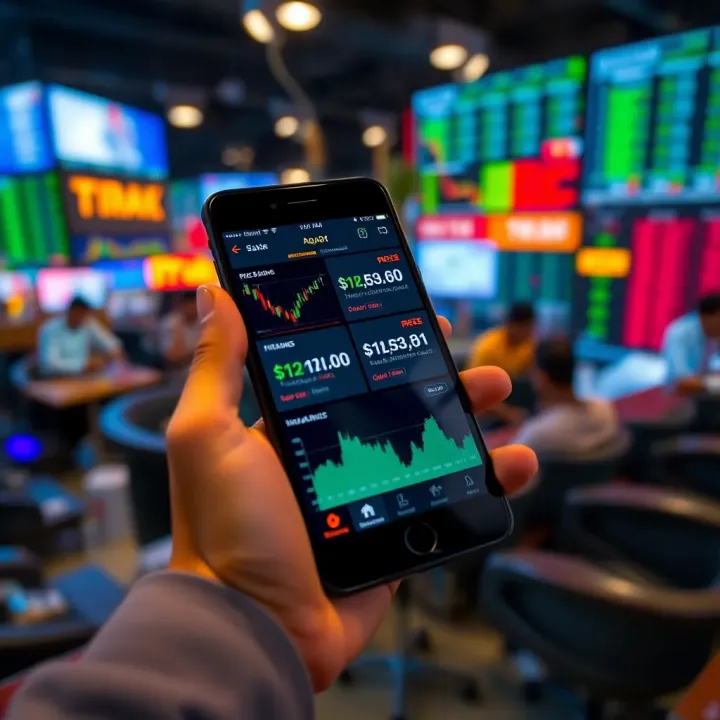
Trading apps have transformed how Indians invest, but knowing each one's strengths and weaknesses ensures you don't bite off more than you can chew.
Key features to consider:
User Interface: An intuitive layout helps in quick decision-making, especially in volatile markets. Zerodha Kite, for instance, balances simplicity and depth well.
Security Measures: Apps should use two-factor authentication and encrypt sensitive data to secure your money and personal details.
Brokerage and Fees: Low-cost brokerage matters for frequent traders. Apps like Upstox offer competitive pricing, but check for hidden charges.
Research and Analysis: Robust charting tools, live market news, and expert insights can be game-changers for informed trading.
Customer Support: Quick and effective support avoids hassles during technical glitches or transaction problems.
Ultimately, the best trading app aligns with your trading style and comfort with technology. For instance, if you prefer detailed analytics, Angel Broking might work better, while newbies might find Groww more beginner-friendly.
This guide will walk you through the top trading apps popular among Indian investors, highlighting their key features, pros, cons, and best use cases. By the end, you will have a clearer idea which app matches your trading ambitions and risk appetite.
In recent years, trading apps have become a staple for investors and traders in India. They bring the power of financial markets right to your mobile screen, simplifying access and providing various tools to trade or invest in stocks, mutual funds, commodities, and more. This section sets the stage by explaining what trading apps are and tracing the rapid growth of mobile trading within India.
Trading apps are software platforms that allow users to buy, sell, and manage financial instruments through their smartphones or tablets. Beyond basic trading, these apps often offer real-time market data, portfolio tracking, order placement, and research tools. For example, apps like Zerodha Kite and Upstox enable users to place orders instantly, check live price movements, and access technical charts to make informed decisions. Such apps aim to make trading accessible to everyone, not just institutional players or those with expensive setups. They usually require users to link a Demat and trading account, enabling seamless transactions online without visiting a broker's office.
Mobile trading in India has grown because of increasing smartphone penetration, affordable mobile internet plans, and rising financial literacy. Back in 2010, only a few thousand traders used mobile platforms, mainly in metro cities. Today, millions are actively trading through apps from Tier 2 and Tier 3 cities as well. Platforms such as Groww and Angel Broking leveraged intuitive designs and educational content to expand their user base among freshers and small investors. The introduction of UPI and instant bank transfers accelerated fund transfers, which is essential for quick trade execution.
Additionally, the Securities and Exchange Board of India (SEBI) and Reserve Bank of India (RBI) have issued regulations ensuring app security and transparency, boosting user confidence. For instance, two-factor authentication (2FA) and biometric login have become standard features to protect accounts. Overall, mobile trading apps are bridging the gap between traditional trading floors and everyday users, opening doors to market participation beyond the urban elite.
Trading apps don't just save time; they also empower users to respond quickly to market movements, giving a competitive edge in volatile markets.
Understanding this background helps you appreciate why choosing the right app matters. Next, we'll look into the criteria that differentiate these platforms, focusing on usability, fees, security, and customer support.
Choosing the right trading app plays a major role in a trader's success and convenience. The market offers many options, but not all apps meet the demands of Indian traders and investors. Knowing what to prioritise can save both time and money. Here, key factors like user interface, charges, and security are essential to check before committing to any platform.
A trading app should be easy to navigate, especially for beginners or casual investors. Complex layouts and clutter can confuse users and lead to mistakes during order placement. For example, Zerodha Kite’s clean dashboard and intuitive menus help users find options quickly without hunting around. Responsive apps that load charts and quotes fast ensure you don’t miss trading opportunities. Features such as customizable watchlists and smart search improve overall experience. Ultimately, smooth navigation and clear processes lower the learning curve and increase confidence.
Costs impact profitability directly, so it matters to understand brokerage fees, GST, Securities Transaction Tax (STT), and any hidden levy before choosing an app. Some platforms like Upstox offer flat brokerage fees on equity delivery trades, which benefits high-volume investors. Others use percentage-based charges which may be costly for small trades. Besides brokerage, watch out for fees on fund transfers or account maintenance, since they add up. Transparent fee structures let you compare and pick an app that matches your trading style and budget.
With increasing cyber threats, robust security is non-negotiable. Apps should support multi-factor authentication (MFA) to prevent unauthorised access. Encryption of sensitive data and timely software updates help keep your investments safe. For instance, Angel Broking uses biometric login and 256-bit encryption to secure user accounts. Privacy policies must be clear on data usage—no one wants their personal details shared unknowingly. Check if the app complies with SEBI regulations and Indian data protection norms.

Powerful research tools help traders make informed decisions. Apps offering live market news, expert calls, and technical indicators can give you an edge. Groww, for example, provides detailed fundamental data and market trends alongside stock comparisons. Interactive charts, real-time alerts, and backtesting strategies enable better planning and quicker responses to market moves. Integration with financial news adds context. Apps without these extras may keep you guessing or reacting late.
Trading apps must be reliable, especially during volatile market hours. Downtime or glitches can cause losses. Platforms like 5paisa have dedicated helplines and chat support to fix issues promptly. Good customer service builds trust—quick resolution of account problems, transaction failures or app bugs is vital. Regular app updates and positive user reviews signal stability and a commitment to quality. Before selecting an app, test their support channels and user feedback to avoid future hassles.
Selecting a trading app requires balancing ease of use, cost, security, insights, and dependable support. Focus on these criteria suited to your trading habits and financial goals to find your best fit.
Choosing the right trading app plays a big role in managing your investments effectively. These apps offer convenience, real-time access to markets, and a variety of tools that help you make informed decisions. In India, leading apps like Zerodha Kite, Upstox Pro Mobile, and Angel Broking have gained popularity thanks to their user-centric features and competitive pricing. Understanding what differentiates each app makes it easier for traders and investors to pick one aligned with their trading style and needs.
Features and Benefits: Zerodha Kite is known for its clean and simple user interface, which appeals to beginners and experienced traders alike. It supports diverse asset classes like equities, derivatives, commodities, and mutual funds. Practical features include advanced charting with over 100 indicators, direct market access, and seamless fund transfers within the app. These help users track market movements and execute trades swiftly.
Fees and Charges: Zerodha follows a flat fee model, charging ₹20 or 0.03% per executed order in intraday and F&O trading, whichever is lower. Delivery trades carry zero brokerage, which is beneficial for long-term investors. The transparent and low-cost structure has made Zerodha popular among cost-conscious traders.
User Feedback: Many users appreciate Zerodha Kite for its reliability and quick order execution. However, occasional server downtime during high volatility days has been reported. Still, its responsive customer support and regular app upgrades keep users engaged positively.
Key Features: Upstox Pro Mobile offers advanced charting tools, a user-friendly dashboard, and integration with multiple exchanges including NSE and BSE. It enables multi-asset trading and provides AI-based trading insights. The app also supports voice commands, which add a layer of convenience for active traders.
Pricing Structure: This app charges a brokerage of ₹20 per executed order on intraday and F&O trades, with zero charges for delivery investments. There are no hidden fees, and users can choose from free or premium plans depending on their trading volume and needs.
Pros and Cons: While Upstox is praised for its smooth interface and cost efficiency, some users find the research tools a bit basic compared to peers. The app performs well on Android and iOS devices but may lag on older or budget smartphones.
Trading Platforms Offered: Angel Broking provides multiple platforms: a mobile app, web platform, and desktop client, catering to different user preferences. The mobile app is especially handy for placing quick trades and checking market updates on the go.
Cost Structure: Angel Broking follows a flat rate of ₹20 per order for intraday and F&O trades, with free equity delivery. They also offer subscription plans with additional benefits like research reports and priority support.
Unique Selling Points: The app’s AI-powered recommendation engine stands out by offering personalised stock ideas. Clients also benefit from integrated wealth management services, making it a good choice for those seeking beyond just trading.
User Experience: Groww offers a neat and intuitive interface, mostly appealing to beginners and mutual fund investors. It has made investing simple by providing a hassle-free account setup and easy navigation between different asset classes.
Investment Options: Initially a mutual fund platform, Groww now supports stocks, ETFs, and US stocks through its app. This expands investment choices without juggling multiple apps.
Charges and Reviews: Groww charges zero commissions on equity delivery and nominal fees on other trading services. Users often praise the app for its smooth experience but wish for more advanced charting tools.
App Overview: 5paisa’s app is lightweight and straightforward, focusing on cost-effective trading solutions. It suits traders looking for basic yet robust functionality without extra frills.
Fees: The brokerage fee is as low as ₹10 per executed order, making it one of the most affordable apps on the market. Delivery trades are free, helping investors reduce costs significantly.
Customer Service: Users report mixed experiences with customer support—some praise prompt resolution while others highlight delays during market rush hours. The company is working to improve its responsiveness to enhance user satisfaction.
Picking a trading app isn’t just about picking the cheapest option or the flashiest interface. It’s about finding a platform that fits your style, the kinds of assets you trade, and the support you need to trade confidently.
Comparing top trading apps in India helps investors find the right fit for their needs, budget, and trading style. While many platforms offer similar features, subtle differences in usability, charges, and added tools can impact your overall experience and returns. For instance, an app with low fees but a clunky interface might frustrate a frequent trader, while a quick, reliable app with higher charges could justify the cost. Understanding these trade-offs guides better decision-making, saving time and money.
Ease of use is about how simply you can operate the app from registration to trading execution. New traders often prefer platforms with clean interfaces and straightforward navigation. Zerodha Kite, for example, offers a simple layout focused on essentials, making it beginner-friendly. On the other hand, apps like Angel Broking provide more features but may require some familiarisation. Features like quick login via biometrics, minimal steps to place orders, and lucid charts enhance the trading speed and reduce chances of errors.
When the markets move fast, delays can cause missed opportunities or losses. A trading app’s reliability refers to stable uptime without crashes, while speed relates to quick order processing and real-time data updates. Upstox Pro Mobile is known for fast execution, helpful for intraday traders. Conversely, some apps may slow down during peak hours or market volatility. Choosing an app with robust backend servers and responsive customer service can help maintain confidence during hectic market sessions.
Transaction costs directly affect profitability, especially for frequent traders. Brokerage fees vary — 5paisa offers flat-rate plans for cost-conscious users, while Groww includes zero brokerage for equity delivery trades. However, some platforms might have hidden charges like Annual Maintenance Charges (AMC) for Demat accounts or fees on fund transfers. Always review the fee structure carefully to avoid surprises. For example, Zerodha charges zero brokerage on delivery but levies small fees on intraday and F&O trades.
Some trading apps provide more than just buying and selling stocks. Features like integrated mutual fund investments, personalised alerts, in-depth research reports, and tax-saving calculators add extra value. Angel Broking offers AI-based recommendations, while Groww integrates SIPs along with stocks, making portfolio diversification easier. Such features save traders time by consolidating financial decisions within one app, enhancing the overall investment journey.
Selecting a trading app based on comparative analysis ensures you pick a platform tailored to your needs — balancing user-friendliness, costs, reliability, and useful extras. The right choice can simplify trading and contribute to better financial outcomes.
Trading apps have made market participation accessible, but using them wisely matters a lot. This section guides you on how to maximise your experience and minimise pitfalls when engaging with these platforms.
Keeping your trading account safe is the first step. Always activate two-factor authentication (2FA) offered by apps like Zerodha Kite or Upstox Pro Mobile. Use a strong, unique password and change it periodically. Avoid logging in from public Wi-Fi or shared devices. For example, many traders have lost funds due to phishing attacks that mimicked legitimate app interfaces. So, double-check app URLs and beware of suspicious email links claiming to be from your broker.
New traders often jump into the market without a clear plan, risking unnecessary losses. Avoid impulsive trades driven by market rumours or emotions. Stick to your investment strategy, whether it is swing trading or long-term investing. Use limit orders instead of market orders to avoid slippage during volatile sessions. Also, don’t overtrade; frequent buying and selling can drain your capital through fees. For instance, retail traders who react to every Sensex dip often pay heavy brokerage without meaningful gains.
Most trading apps like Angel Broking and Groww provide built-in tools for technical analysis, market news, and fundamental data. Regularly use chart patterns, volume indicators, and real-time news updates to spot good trading opportunities. Instead of blindly following tips, evaluate companies based on quarterly reports and sector trends. This practice helps in making informed decisions. For instance, an investor checking NSE India data before investing in banking stocks can time their purchase better.
Developers constantly improve trading apps to fix bugs, strengthen security, and add features. Skipping updates might expose you to app crashes or security vulnerabilities. Enable automatic updates on your mobile to stay current. For example, many users faced transaction failures during peak market hours because their app version was outdated. Staying updated also ensures you have access to the latest research tools and customer support features.
Keeping your trading app experience smooth and safe needs conscious effort. Applying these tips helps protect your investments and take advantage of the technology effectively.
By following these suggestions, you can trade more confidently and responsibly on your chosen trading platform.
📈 Explore oil trading apps in India with this practical guide! Learn key features, popular choices, risks, and smart ways to manage your investments securely.

Explore top opinion trading apps in India 📱! Learn features, benefits, legal tips & risks to trade wisely with confidence in this growing market 📊.
🚀 Discover top legal trading apps in India! Learn about features, regulations, and safe trading tips to make informed investment decisions. 📱💹

📈 Discover how mock trading apps help you practice stocks and forex without risk. Learn to choose the best tools and sharpen your skills before investing real money.
Based on 5 reviews