

Best Options Trading Apps in India: Practical Guide
Discover the best apps for options trading in India 📱 Compare features, charges, and security to find your perfect platform with easy payment options and RBI compliance.
Edited By
Emily Clarke
For options traders in India, mastering the market without risking real money is crucial—especially when starting out or testing new strategies. Virtual trading apps offer a practical solution by simulating market conditions and allowing users to trade options in a risk-free environment.
These platforms replicate real option contracts, strike prices, and expiry dates, so you can experience the ups and downs of the market without any financial consequences. You get to practice buying and selling call and put options, manage your portfolio, and observe how different factors influence option pricing.
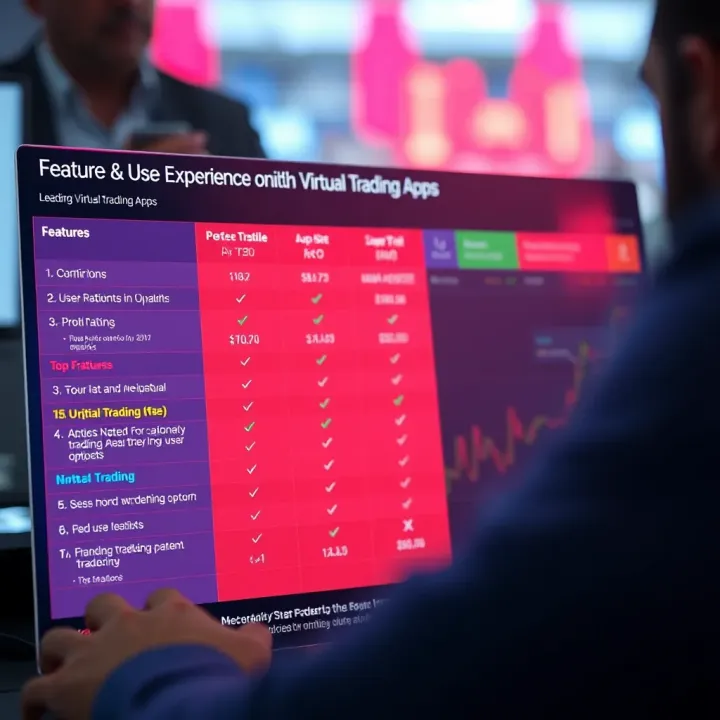
Virtual trading helps build confidence and fine-tune strategies before investing real capital, making it an essential tool for beginners and seasoned traders alike.
Choosing the right virtual trading app is important because features and usability differ widely. Some apps provide advanced charting tools, real-time data, or even custom option strategy templates, while others focus on simplicity and ease of use.
When comparing apps, look for:
User interface: Is it easy to navigate? Does it display option Greeks and volatility clearly?
Data accuracy and update speed: How close is the simulation to live market data?
Educational resources: Are tutorials or detailed guides included to deepen your understanding of options trading?
Reliability: Does the app run smoothly without crashes, especially during market hours?
In India, app options range from those backed by well-known brokers—which offer integrated trading and demo accounts—to independent apps focused solely on virtual trading. Many cater to mobile users as smartphone penetration grows rapidly, making practice on the go possible.
This article will help you evaluate the top virtual trading apps for options in India, assessing their practical features and user experience. Armed with this knowledge, you can pick the platform that suits your learning style and trading goals best.
Virtual trading is a valuable tool in India's growing options market, especially for new traders exploring complex instruments without risking money. Grasping its workings helps traders gauge market dynamics, test strategies, and gain confidence before entering live markets. This section breaks down what virtual trading means and why it matters.
Virtual trading refers to simulated trading where participants buy and sell financial instruments using virtual money rather than real funds. It replicates real market conditions, including price movements and order executions, offering a safe environment to practise. For example, a trader practising options buying or selling on a virtual platform can observe potential outcomes without facing actual losses.
The key purpose of virtual trading is to educate and prepare traders by mimicking real trading scenarios. This simulation makes it easier to understand option pricing, premiums, expiry mechanisms, and Greeks without putting capital at stake.
The main difference lies in financial exposure. Virtual trading uses dummy money, so any gains or losses do not affect the trader’s actual capital. In contrast, real trading involves real money, making the emotional stakes much higher. For instance, a wrong move in virtual trading costs no real money but in live markets, it can result in substantial losses.
Moreover, virtual trading often offers additional learning aids like tutorials or detailed trade analytics, which may not be available during live sessions. However, virtual trading cannot fully replicate the emotional pressure and liquidity challenges present in real markets.
Options trading can be tricky due to its complexities like strike price selection, time decay, and volatility impact. Virtual trading lets learners experiment freely without risking capital. A beginner can try buying call or put options and observe how factors like expiry or underlying stock movements affect option value.
This risk-free learning platform broadens understanding while saving traders from costly mistakes early on. It also allows investors to understand the impact of factors like implied volatility and time decay on option premiums practically.
Virtual trading acts like a rehearsal space where traders refine strategies before deploying them in real markets. For example, using a virtual app, a trader might test strategies like covered calls, spreads, or iron condors to see their effectiveness in different market scenarios.
This practise helps build confidence in executing complex option strategies with precision and timing. On top of that, virtual tools often support backtesting and trade analytics, helping traders learn what works and what doesn’t in a controlled environment without financial consequences.
Virtual trading offers a perfect balance between education and practise, making it a vital step for anyone serious about options trading in India.
By getting the basics right through virtual trading, traders mitigate risks and enter live markets with a better grasp of nuances specific to the Indian options ecosystem.
When selecting a virtual trading app for options, certain features become non-negotiable. These elements not only shape your learning experience but also directly affect how well you can replicate real market scenarios. A user-friendly interface, up-to-date market data, comprehensive trading tools, and helpful educational resources form the backbone of any robust virtual trading platform.
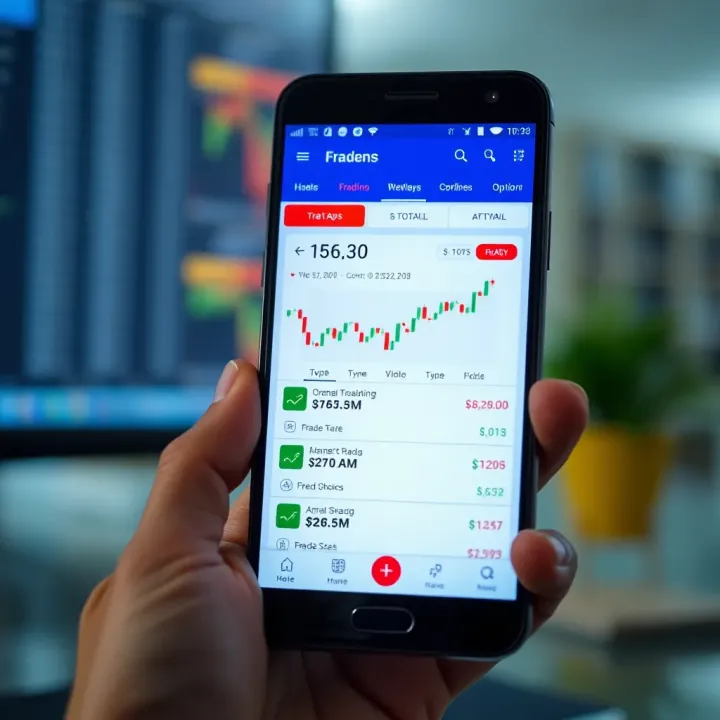
A clean, uncluttered design goes a long way in making trading less intimidating. If the app has an intuitive layout, you spend less time hunting for options or understanding what’s where. For example, a well-placed menu and visible real-time watchlists help you navigate efficiently. This is especially crucial for beginners who might get confused by complex app flows.
The ability to tailor your dashboard to suit your trading preferences can boost productivity. Customisation might include rearranging widgets, choosing dark mode for eye comfort, or setting alerts for specific option strikes. Such flexibility lets traders create a workspace that matches their strategies and helps keep track of important indicators with ease.
Price feeds that closely mimic real market timings are vital for options trading practice. Some apps offer live feeds, while others have a short lag. For instance, practising with delayed data may affect how you time entry and exit points, potentially limiting strategy effectiveness. Live or near-real-time updates ensure traders experience a market feel closer to actual trading.
Options have variables like strike price, expiry, implied volatility and premium. If an app’s pricing models don’t reflect these accurately, learners may develop wrong assumptions about profitability. For example, an inaccurate premium calculation can mislead when testing spreads or hedging strategies.
A good app should cover different contract types like calls, puts, and strategies such as spreads and straddles. Exposure to diverse contracts allows traders to experiment with the kind of options they want to trade in the actual market.
The app should simulate multiple order types—market, limit, stop-loss etc.—with realistic execution based on market conditions. This builds familiarity in placing trades and managing risk. Some platforms even include options for order modifications or partial fills, which closely resemble real trading dynamics.
Built-in learning resources make a big difference, especially for newcomers. Step-by-step tutorials on option Greeks, expiry cycles, or advanced strategies help deepen understanding without flipping through external books or websites.
Responsive support ensures any app glitches don’t derail practice sessions. Meanwhile, community forums foster peer learning and discussion of real-world scenarios. For instance, seeing how others approach option strategies can provide fresh ideas and enhance knowledge.
Choosing an app with these features helps ensure your virtual trading experience closely mimics the real options market, building confidence and competence before you put real money on the line.
Reviewing popular virtual trading apps helps you identify which platform fits your trading style and learning goals. In India, options trading involves rapid price movements and complex strategies, so a virtual trading app should offer realistic market scenarios and reliable data. For example, Zerodha’s Kite Simulator and Sensibull focus on user-friendly interfaces and strategic tools, making them favourites among traders practising without risking real money.
Beyond features, the review highlights app usability, accuracy of option pricing, support for various order types, and educational resources. This enables beginners and experienced traders alike to choose platforms that mirror actual market conditions while enhancing strategy testing and execution skills.
App features and usability: Zerodha Varsity combines educational modules with the Kite Simulator's virtual trading environment, providing a seamless learning-to-practice experience. The Kite app mimics live market conditions closely, offering real-time data and an intuitive interface that helps users place option trades easily. Its integration with Zerodha’s trading infrastructure means practising on the simulator closely reflects real execution.
Pros and cons: A key advantage is the strong educational backing through Varsity content, which builds foundational knowledge alongside hands-on practice. However, the simulator is limited to Zerodha users, restricting access. Moreover, some advanced options features may be basic for seasoned traders, but it’s ideal for beginners and intermediate users.
Options trading capabilities: Upstox offers a dedicated virtual trading feature supporting various option contracts like calls and puts, along with different strike prices and expiry dates. The platform allows practising complex strategies such as spreads and straddles, which helps users test diverse approaches without capital risk.
User feedback and reliability: Users commend Upstox for its fast execution speed and reliable market data, although occasional latency issues surface during high volatility. Most reviews highlight its easy navigation and consistency, making it a dependable choice for those focusing on Indian options markets.
Focus on options strategies: Sensibull caters specifically to options traders by offering advanced strategy builders, strategy scanners, and options greeks analytics. This helps traders design, test, and adjust strategies such as iron condors or butterflies in a risk-free setting with detailed insights.
Integration with brokers: Sensibull integrates smoothly with major Indian brokers like Zerodha and Upstox, allowing virtual trades to be translated easily once moving to live markets. This brokerage linkage is crucial for seamless transition from practising to real trading.
Angel Broking Virtual Trading: Angel Broking’s demo app features a user-friendly interface and real-time market simulation. It supports options trading with multiple types of orders and offers in-app tutorials to help new traders understand options basics alongside practice.
ICICI Direct Demo Trading: ICICI Direct provides a comprehensive demo trading experience covering equities and options. It replicates live market movements accurately, allowing users to execute trades with confidence. Its strength lies in backed research reports and market analysis tools integrated within the app.
Selecting the right virtual trading app requires balancing usability, authentic market data, educational support, and options-specific features. Testing each app helps find the one that best suits your needs before risking capital in actual options markets.
Virtual trading gives options traders a unique chance to sharpen their skills without putting actual money at stake. This practical learning platform makes it simpler to try out all sorts of strategies, even complicated ones, and learn how they behave under different market conditions.
Experimenting with different strategies is one of the biggest advantages of virtual trading. Imagine you're curious about how a bull call spread or an iron condor might perform when the market trends up or down. Instead of risking real funds, you can simulate these trades in a virtual environment, observing possible outcomes in real time. This hands-on approach allows you to test, improve, or discard strategies without facing financial loss.
Understanding market movements also becomes much clearer with virtual trading. Options are sensitive to changes in the underlying stock, volatility, and time decay. Through virtual trading apps, you watch how these factors impact your positions day to day. For example, if a stock drops unexpectedly, you get to see how that affects your put or call options, helping you understand the dynamics better before investing real money.
Order placement and execution experience gained through virtual trading cannot be overstated. The Indian options market often requires swift decisions and precise order types like limit or stop-loss orders. Practising this flow in a simulator familiarises you with the trading interface, reducing errors when you switch to live trading. You get the feel of how swiftly orders are executed on platforms like Zerodha Kite or Upstox, which helps build confidence.
Risk management techniques become second nature through repeated practice in virtual trading. When using real money, emotional pressure might prompt rash decisions. However, a simulated environment lets you methodically apply stop losses, position sizing, or hedging strategies to limit potential damage. For instance, practising how to protect profits or cut losses on options spreads can save serious capital once you enter the market for real.
Virtual trading acts like a rehearsal for the real options market, teaching you to navigate its ups and downs safely before you commit actual capital.
In summary, virtual trading apps are essential tools for Indian options traders to build and sharpen skills effectively. They provide a no-risk playground to explore strategies, understand market reactions, gain practical order experience, and master risk management for smoother, smarter live trading.
Choosing the right virtual trading app is essential for effective options trading practice in India. With many options out there, focusing on practical aspects can save you time and help you develop skills faster. These tips cover how to match an app to your unique trading needs, ensuring the tool supports real learning instead of just simulation.
Beginners vs Experienced Traders
Your trading experience shapes what you should look for in a virtual trading app. Beginners benefit from apps with simple interfaces, clear guidance, and ample educational content. For example, an app with step-by-step tutorials on option Greeks or basic order placement can build confidence without overwhelming new users. Experienced traders, on the other hand, need apps offering advanced features like complex order types (e.g., stop-loss, bracket orders), real-time market data, and strategy testing environments. This helps them refine tactics under conditions close to real trading.
Focus on Options vs Other Instruments
If your main interest lies in options trading, pick an app that specialises in options rather than offering a broad mix of instruments. Dedicated options trading apps typically provide detailed analytics, strategies (like iron condors or straddles), and scenario simulators specific to options. For instance, Sensibull’s integration with Indian brokers suits those focused on options plays. Conversely, if you want to experiment beyond options—like futures or equities—look for platforms supporting a wider asset range, but ensure their options module is still robust.
User Feedback on Performance
User reviews reveal how well an app handles real-time data, trade execution, and bug fixes. An app might look great on paper, but users often report lag issues or data mismatches. Pay attention to feedback about app crashes during volatile market hours or incorrect option pricing. These insights ensure you avoid apps that might disrupt learning or create confusion.
Frequency of App Upgrades
Regular updates show the developer's commitment to improving features and fixing problems. The options market evolves rapidly, so apps that keep pace with changes in regulation, market patterns, or technology deliver a better practice experience. For example, an app that recently added support for new option expiry formats or improved charting tools adds real value for users.
Mobile vs Desktop Platforms
Depending on your daily routine, you might prefer practising on a mobile or desktop. Mobile apps provide convenience for trading on the move, suitable for quick strategy testing during breaks. Desktop platforms usually offer more space for complex charts, multiple watchlists, and detailed order templates, fitting thorough practice sessions. Check if the app supports cross-platform syncing, so you can switch devices without losing data.
Internet Connectivity Requirements
Virtual trading apps differ in their data demands. Some offer seamless performance even on slow or unstable internet, vital if you live in tier-2 or tier-3 cities where connectivity can lag. Others require high-speed broadband to deliver real-time options prices and execute orders swiftly. A lightweight app allowing offline chart access or delayed data feeds still helps learning without frustrating delays.
In-built Tutorials
Apps with integrated tutorials save you from hunting on YouTube or paid courses. Good tutorials explain option basics, risk management, and complex strategies through videos, quizzes, or interactive guides. For instance, Zerodha Varsity combines virtual trading with extensive modules tailored for Indian markets, enhancing the learning curve for beginners and intermediates.
Community and Expert Support
Some platforms offer chat forums or expert Q&A sessions within the app. Being part of a knowledgeable community lets you discuss trades, clarify doubts, and get feedback from seasoned traders. Sensibull’s option strategy marketplace, where experts share insights, is a practical example. Access to real-time expert advice can sharpen your skills quicker than isolated practice.
Choosing the right virtual trading app is not just about features but matching the tool to your learning style, goals, and real-life constraints. Focus on apps that deliver reliable data, user-friendly interfaces, and meaningful support to build your options trading confidently without risking a rupee.
Discover the best apps for options trading in India 📱 Compare features, charges, and security to find your perfect platform with easy payment options and RBI compliance.

Explore how to choose the best mobile trading app in India with features like user interface, security, brokerage fees, product range & customer support 📱₹📊

Learn options trading in India 📈: understand basics, strategies, risks & practical tips to manage your investments smartly in the stock market. Start wisely today!

Learn how to choose the best trading app for beginners in India 📱 Compare features, costs, safety tips, and start trading with confidence today! ✅
Based on 10 reviews