

Understanding Market Chart Patterns for Trading
📈 Learn to spot key market chart patterns that reveal stock price trends and boost your trading strategy for smarter, well-informed decisions in the Indian market.
Edited By
Sophie Reed
Bullish chart patterns are essential tools in stock trading, helping investors identify when a stock price is likely to rise. These patterns form on stock charts as prices move over time, signalling potential upward trends. Recognising them allows traders and investors to time their purchases better, aiming to benefit from future gains.
Unlike random price movements, bullish patterns reflect underlying investor optimism and buying pressure. They develop as traders react to market events, company news, or broader economic changes. Examples include shapes like the Cup and Handle, Ascending Triangle, and Inverse Head and Shoulders.

It's important to understand both the visual characteristics and the typical behaviour of these patterns. For instance, the Cup and Handle pattern resembles a rounded bottom followed by a slight pullback, suggesting the stock may break higher after completing this formation.
Identifying a bullish chart pattern isn't about prediction alone but about recognising price behaviour that has historically signalled upward momentum.
Knowing these patterns helps you make informed decisions, especially in volatile markets like India’s where retail participation is growing. This knowledge works best when combined with volume analysis—seeing if more shares trade during the breakout confirms a stronger move.
Traders often use these patterns alongside other technical indicators to get a clearer picture. For example, a Rising Triangle pattern paired with strong Relative Strength Index (RSI) levels may increase confidence in a buying opportunity.
In short, understanding bullish chart patterns offers a framework to spot promising stocks early. This helps in planning entries with defined risk and reward rather than relying on guesswork. Later sections will explain key patterns step-by-step and how to trade them effectively.
Bullish chart patterns help traders identify moments when stock prices are likely to move upwards. Recognising these patterns gives you a practical edge in timing your buy decisions, possibly improving returns. For example, spotting an "ascending triangle" early can signal that a stock is gearing up for a breakout.
Bullish chart patterns are specific shapes formed by a stock's price movement on a chart, suggesting upward momentum. They are visual clues that reflect market sentiment and supply-demand changes. Take the "cup and handle" pattern: the price dips, forms a rounded bottom (the cup), then a smaller consolidation (the handle) — hinting at a strong rise ahead.
Trading using bullish patterns can help you enter a stock before a significant price jump, increasing profit potential. They are especially useful in volatile markets where random price swings can mislead. For instance, during the festivals season, when market activity surges, identifying these patterns could avoid buying at a peak caused by hype.
Recognising bullish patterns allows you to act on probable trends rather than guesswork, reducing risks and improving decision-making.
Price action is the movement of stock prices over time, without relying on indicators or external factors. Bullish patterns emerge from consistent price behaviour reflecting buyers gaining control. Key ideas include:
Higher lows and breakouts often show rising demand
Volume increases during moves add strength to patterns
Support and resistance levels guide price boundaries
For example, if a stock shows steadily rising lows with volume picking up on ascents, it's a sign buyers are stepping in, setting the stage for a bullish breakout.
Understanding these basics makes interpreting chart patterns easier and trading more effective.
Bullish chart patterns provide visual clues about probable upward price movements in stocks, giving traders an edge to time their buy decisions more effectively. Each pattern has distinct features reflecting market psychology, supply-demand balance, and price momentum. By recognising these patterns, traders can anticipate trend continuations or reversals with greater confidence, rather than relying solely on guesswork.
The cup and handle pattern resembles a tea cup with a rounded bottom and a slight downward drift on the right side, forming the handle. It starts with a gradual price decline shaping a bowl, followed by a recovery to the previous peak. The handle forms as a short consolidation or sideways movement. Take, for example, a stock that dips steadily from ₹1,000 to ₹800, then rises back to ₹1,000 before moving sideways between ₹980 and ₹1,000. This pattern signals a pause before an upward breakout.

A breakout happens when the stock price closes above the handle's resistance, often with increased volume. This surge indicates buyers are in control, making it a favourable entry point. For instance, if the stock breaks ₹1,000 with solid volume, it suggests the uptrend could continue. Traders use this breakout to enter long positions, aiming for gains as momentum picks up.
Risk control involves placing stop-loss orders slightly below the handle's low or the cup's bottom, depending on your risk appetite. This limits losses if the breakout fails. Suppose the handle bottoms at ₹980; setting a stop-loss at ₹970 helps contain downside while allowing the trade room to move upwards.
An ascending triangle has a flat resistance line across multiple highs and a rising support trendline connecting higher lows. This pattern shows that buyers gradually gain strength. A breakout occurs when price closes above the resistance with conviction. For example, if a stock struggles around ₹1,200 but keeps forming higher lows from ₹1,100 to ₹1,180, a decisive move above ₹1,200 signals bullish momentum.
Volume typically contracts during the pattern formation and expands at the breakout. Increased volume confirms genuine buying interest rather than a false move. So, if the breakout above ₹1,200 happens with double the average volume, it strengthens the signal to enter.
Flags appear as small rectangles slanting against the prevailing trend, while pennants look like small symmetrical triangles converging. Both follow rapid price moves and represent brief pauses in momentum. Consider a stock surging from ₹500 to ₹550, then moving sideways in a narrow rectangle (flag) or tightening wedge (pennant) before the next leg up.
These patterns hint at trend continuation when price breaks out in the direction of the prior move. Traders watch for breakouts above the top boundary with volume increase for entry. Flags and pennants allow quick entries on continuation after a sharp rise, useful in fast markets.
A rounded bottom emerges over weeks or months with a gradual shift from declining to rising prices, forming a 'U' shape. This indicates a slow change in sentiment from bearish to bullish. For instance, a stock falling from ₹1,500 to ₹1,200 over two months, then slowly climbing back past ₹1,500 over the next two months, forms this pattern.
Entry typically happens near the pattern's right side as price starts climbing above resistance with rising volume. Getting in too early during the flat base can be risky. Waiting for confirmation helps avoid false signals and captures sustained upward moves.
Understanding these common bullish patterns and their features sharpens your ability to spot profitable opportunities. Each offers unique signals and risk controls, empowering you to approach stock trading with clarity and precision.
Trading based on bullish chart patterns isn't just about recognising shapes on a chart; it's about knowing when to enter and exit a trade, confirming signals with volume, and protecting your capital through stop loss and target prices. These aspects come together to help you navigate the markets smartly rather than blindly following patterns.
A clear entry strategy is essential to capitalise on bullish patterns. For instance, in an ascending triangle, traders usually enter when the price breaks above the resistance line with conviction. But beware—waiting for a daily close above the breakout level reduces the risk of a fake move. Similarly, with a cup and handle formation, entry typically happens following the handle breakout.
Exiting trades requires planning too. Many traders set target prices based on the pattern's height—for example, measuring the depth of the cup in a cup and handle and projecting that upwards from the breakout. But exit points also depend on market conditions and your risk appetite. Partial profit booking near targets and trailing stops help lock in gains while riding further upside.
Volume plays a key role in validating bullish chart patterns. A breakout on low volume often leads to failure, while a surge in volume confirms genuine buying interest. Consider a flag pattern—after a strong upward move, the price consolidates in a narrow range. The breakout from this pattern with higher-than-average volume signals continuation of the uptrend and a good entry point.
For example, if a stock listed on the NSE breaks an ascending triangle with volume spiking 30-40% above average, it suggests strong conviction among traders. Volume drying up during the pattern formation followed by a volume burst at breakout is an ideal scenario.
Risk management is crucial in trading bullish patterns. Placing your stop loss just below the pattern support line helps limit losses if the breakout turns out false. Taking the example of a rounded bottom pattern, the stop can be set below the lowest point of the formation.
For targets, many traders use the height of the pattern to project upside. For instance, in a cup and handle, measure from the cup's bottom to the breakout point and add this to the breakout price. However, markets can be unpredictable, so combining this with trailing stops can protect profits as price moves upward.
Successful trading of bullish chart patterns lies in combining clear entry and exit plans, relying on volume for confirmation, and managing risk with stop loss and realistic targets.
Mastering these techniques lets you make better trade decisions rather than guessing based on chart shapes alone.
Bullish chart patterns offer valuable clues about potential upward price movements, but relying solely on them without caution can lead to costly mistakes. Avoiding common pitfalls ensures your trading decisions stay grounded in solid analysis rather than wishful thinking. Understanding these drawbacks helps you trade smarter and safeguard your investments.
A false breakout occurs when the price moves beyond a resistance level or trendline, signaling a possible rally, but quickly reverses. Beginners often fall into this trap, mistaking the initial move for a genuine breakout. To spot false breakouts, watch the volume closely — a genuine breakout usually sees significantly higher trading volume. For example, if a stock breaks out of an ascending triangle on low volume, the move might fail soon after. Setting confirmatory criteria like waiting for a daily close above resistance or monitoring follow-through helps avoid premature entries.
Chart patterns are just one part of the puzzle. Depending on them alone without considering fundamentals, broader market trends, or news events can be reckless. For instance, a cup and handle might appear primed, but if the company announces poor quarterly results, the expected rally may not happen. Combining technical patterns with fundamental and sentiment analysis provides a more balanced view. Successful traders often check earnings, sector performance, and macro conditions alongside pattern signals before placing trades.
Context matters a lot in stock trading. Patterns can behave differently during bull markets, bear markets, or sideways phases. Ignoring this can cause misreading of charts. Also, volume offers insight into the strength behind price moves — rising volume during a bullish pattern increase its reliability. For example, a rounded bottom pattern with declining volume lacks conviction. Keep an eye on how volume changes within the pattern’s formation; it helps confirm if buyer interest genuinely supports the anticipated surge.
Caution combined with thorough analysis improves your odds beyond simply knowing bullish patterns. Spotting false breakouts, verifying with volume, and factoring in market context are practical steps to trade smarter and reduce risk.
By recognising these pitfalls and addressing them, you can use bullish chart patterns effectively rather than blindly. This balanced, disciplined approach helps protect your capital and improve your chances of gains in India's vibrant stock markets.
Understanding bullish chart patterns is only half the battle; successfully weaving them into your trading strategy is what truly impacts your results. These patterns can offer clear signals for market entry, potential profit targets, and risk management. However, relying solely on patterns without considering the broader market context often leads to unexpected losses.
Bullish chart patterns like the cup and handle, ascending triangle, and flags provide a visual indication of possible price uptrends. Recognising their shapes and volume behaviour helps you anticipate breakouts or trend continuations. It's essential to combine entry strategies with volume confirmation and to set stop losses that protect your capital from false breakouts. Avoid jumping in just because a pattern forms; ensure you examine the overall market trend and trading volumes for validation.
Successful trading isn't just about spotting patterns; it's about understanding the signals within a wider market framework and managing risk effectively.
Incorporating bullish chart patterns into your plan requires balancing technical signals with other analysis tools. For instance, combining pattern recognition with fundamental insights—such as company earnings reports or sector outlook—adds confidence before taking a position. Equally, always monitor broader indices like the Nifty 50 or Sensex to understand momentum shifts that might influence individual stocks.
Risk management also plays a key role. Use stop losses near pattern support levels to limit losses if the trade doesn't work out. Position sizing based on your risk tolerance ensures you don’t overexpose yourself. Finally, keep a trading journal to review each trade involving bullish patterns, noting what worked and what didn’t. Over time, this reflection improves your understanding and discipline.
By merging bullish chart patterns with thoughtful risk control and market awareness, your trading plan becomes more robust and adaptable. This approach helps you navigate the ups and downs of the stock market more confidently, aiming for steady gains rather than chasing quick wins. Remember, chart patterns are tools—not guarantees—and your success depends on how well you integrate them into a broader, realistic trading strategy.
📈 Learn to spot key market chart patterns that reveal stock price trends and boost your trading strategy for smarter, well-informed decisions in the Indian market.

📈 Discover key chart patterns used in trading to predict market moves, learn how to spot them, and find tips with PDF resources for deeper insights.
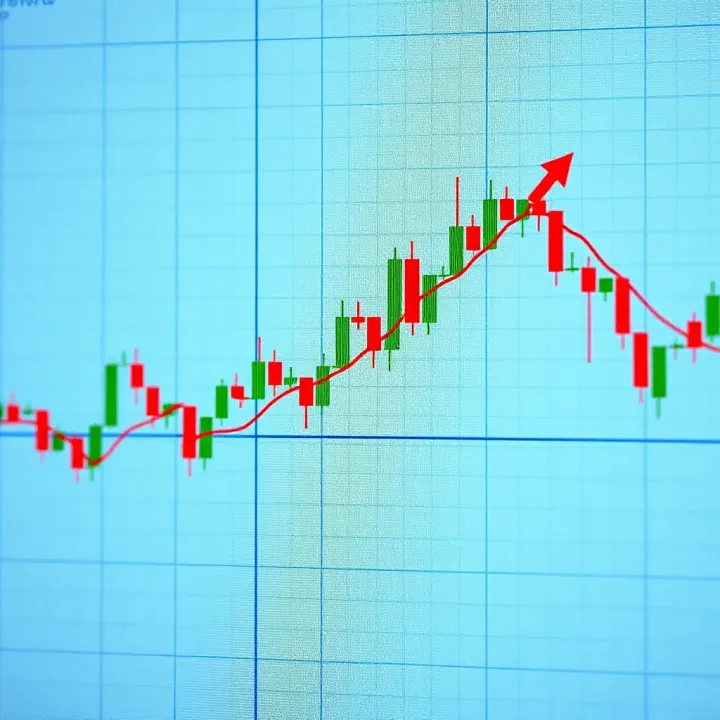
Explore key chart patterns 📈 that help traders spot profitable moves in stocks & markets. Learn how these form, why they matter, & trading tips for smarter entries and exits.

📊 Master key candlestick and chart patterns to spot market moves and reversals. Gain practical skills for smarter trading decisions and technical analysis!
Based on 10 reviews