
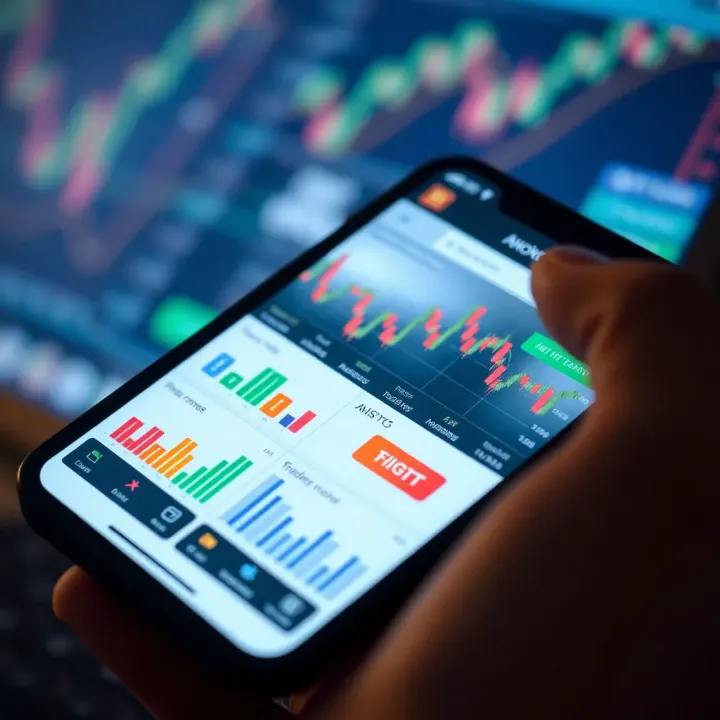
Choosing the Right Mobile Trading App in India
Explore top mobile trading apps in India 📱 Learn about key features, security 🔒, costs 💰, and make smart investment choices with our detailed guide.
Edited By
Isabella Hughes
When it comes to intraday trading in India, picking the right broker isn’t just a minor detail; it can make or break your trading day. Intraday traders depend on split-second decisions and lightning-fast order execution. Thus, you need a broker who offers not just low brokerage but also a reliable trading platform and strong regulatory backing.
Choosing a broker involves more than just glancing at fees. For example, some brokers offer flat-rate brokerage that suits high-frequency traders, while others charge a percentage of the trade value, which might hit hard if your volumes are large.
The platform’s stability is equally important. Imagine placing an order during market swings only to face lag or downtime—this loses money and can dent confidence. Popular Indian brokers such as Zerodha, Upstox, and Angel One compete on platform performance and ease of use, helpful to both beginners and experienced traders.
Always verify that the broker is registered with the Securities and Exchange Board of India (SEBI). Regulatory compliance adds a layer of security to your investments and trading activities.
Here’s a quick checklist before you zero in on a broker:
Brokerage and fees: Compare per trade cost, minimum charges, and hidden fees.
Trading platform: Look for usability, speed, real-time data, and mobile apps.
Margin and leverage: Check margin requirements, as intraday traders often use leverage.
Customer support: Quick assistance can save you during critical moments.
Additional services: Access to research reports, educational resources, and analyst advice.
With these points clear, you’ll find it easier to pick a broker that fits your style, budget, and trading needs without surprises appearing down the line.
Intraday trading means buying and selling shares within the same trading day. This style of trading requires quick decisions and fast execution since all positions close before the market shuts. For example, if you buy 1,000 shares of Reliance Industries in the morning, you need to sell them before 3:30 pm on that day to avoid overnight risk. The focus is on short-term price movements rather than long-term trends.
This type of trading comes with high risk because prices can swing sharply within minutes or even seconds. Time sensitivity is critical; a delay of a few seconds can turn a profitable trade into a loss. Traders don’t hold positions overnight, which cuts exposure to after-hours news but demands constant attention during market hours. Missing a trade opportunity even briefly can significantly impact profits.
Buying and selling securities within the same trading day means the trader aims to benefit from small price changes rather than long-term growth. For example, on the NSE (National Stock Exchange), a trader may buy shares at 10:15 am and sell the same batch by 2:45 pm, locking in quick gains. The goal is to capitalise on volatility and liquidity rather than pay dividends or wait for fundamental shifts.
Risk and time sensitivity in intraday trades are intertwined. Intraday traders deal with tight margins, and price volatility can be both an opportunity and a threat. For instance, if a stock drops sharply, you need to react immediately to limit losses. This means your broker must provide reliable, real-time market updates and smooth trading to keep pace.
High-speed order execution plays a vital role. When a trade depends on milliseconds, brokers with slow execution can cause slippage, where orders fill at prices worse than expected. For example, a delay in buying Tata Steel shares could mean paying a higher price, reducing profits. Brokers with direct market access (DMA) and low-latency systems ensure orders get matched quickly.
Real-time market data and charting tools are essential for quick decisions. Intraday traders rely on live price feeds, volume data, and technical analysis indicators like moving averages or RSI (Relative Strength Index). Without such tools, traders miss entry and exit signals. A broker’s platform that updates prices instantly, without lag, helps traders track momentum and react swiftly.
Low latency and uptime reliability mean your trading platform should stay online without glitches or downtime, especially during high volatility. Imagine trying to execute a trade while the system freezes; this can lead to missed opportunities or bigger losses. Brokers that invest in strong servers and efficient connectivity reduce latency and keep the system running smoothly through the trading day.
Brokers who guarantee swift execution, live data, and platform reliability give intraday traders an edge. Choosing wisely here could mean the difference between profit and loss in a fast-paced market.
In summary, knowing what intraday trading demands helps you select a broker who matches those needs—fast execution, accurate real-time information, and dependable service. This groundwork ensures you’re set up for better trading outcomes before tackling other factors like charges or compliance.
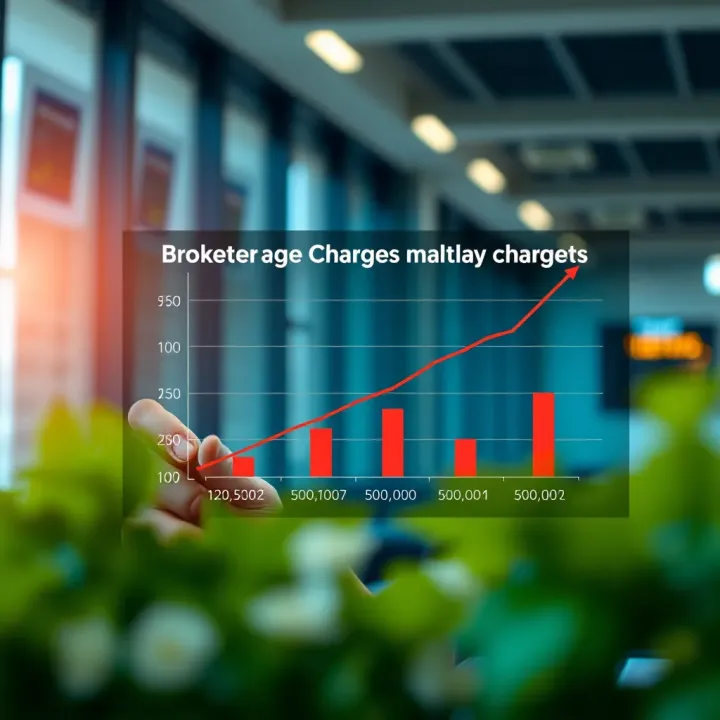
For intraday traders, brokerage charges can make or break the day's profits. Since intraday trading often relies on small price movements, even a slight edge in brokerage fees can translate into a substantial difference in net gains. Hence, understanding the fee structure before choosing a broker is critical.

Brokers typically use either a flat fee per trade or charge a percentage of the trade value. Flat fees, common with discount brokers like Zerodha or Upstox, charge a fixed rate, for instance, ₹20 per trade regardless of size. This suits traders dealing with large volumes, as the fee remains constant. On the other hand, full-service brokers may charge 0.1% to 0.5% of the trade amount, which can get expensive if you execute many high-value trades in a day.
Consider an intraday trade worth ₹2 lakh. A flat fee of ₹20 per trade means ₹40 round trip. At 0.25% brokerage, it would be ₹500 (₹250 each side), which is significantly higher. So, high-frequency intraday traders tend to prefer flat-fee brokers to keep costs in check.
Discount brokers focus on low-cost trading with essential services. They usually provide robust platforms but limit advisory or research support. This model benefits traders who rely on their own analysis and want to minimise expenses. Brokers like Angel One and Zerodha fall under this.
Full-service brokers, such as HDFC Securities or ICICI Direct, combine trading with research, advisory, and personalised service. However, their charges are generally more. Beginners might find value here due to educational support, but for intraday trading, the higher fees can eat into profits.
Intraday trading profits usually range between 0.1% to 0.5% per trade. Suppose your trade yields a 0.2% gain on ₹1 lakh — that's ₹200. If brokerage fees are ₹50 here, it cuts your profit by 25%. Multiply this over multiple trades in a day, and brokerage charges can drastically erode your earnings.
Frequent traders should prioritise brokers with either flat fee models or plans tailored for high volumes. Some brokers offer monthly subscription models or priority plans that reduce per-trade costs after a certain threshold. For example, a broker may charge ₹20 per trade up to 300 trades per month, then lower the fee for subsequent trades.
Also, keep an eye on hidden charges like GST on brokerage, transaction charges, and stamp duty — these add up and affect the bottomline. Comparing all costs ensures you pick a broker that aligns with your trading frequency and style.
Understanding brokerage models and their impact on net profitability isn’t just about saving money; it’s about creating sustainable trading habits essential for success in intraday trading.
In short, evaluate brokerage fees carefully to avoid surprises that can wipe out small, hard-earned gains typical in intraday trading.
In intraday trading, the platform and technology a broker offers can make or break your trading experience. Speed, accuracy, and ease of use all matter because decisions need to be swift and sometimes split-second. A good trading platform equips you with tools to analyse markets, execute orders instantly, and manage trades flexibly even on the move.
Advanced charting and technical indicators help you study market movements with precision. These tools enable detailed analysis of price trends, volatility, and volume patterns, which are essential for timing your trades. Platforms like Zerodha's Kite or Upstox Pro offer multiple chart types along with indicators like RSI, MACD, and Bollinger Bands, which help traders spot entry and exit points quickly.
Fast order placement and modification is critical in intraday trading where even seconds count. The platform should allow you to place, modify, or cancel orders instantly to react to market swings. Brokers with dedicated co-location servers close to exchange infrastructure often provide lower latency, meaning your orders reach the market faster. For example, up to date order execution speed is vital to take advantage of sudden price movements without slippage.
Mobile app functionality for on-the-move trading has become a must-have aspect. Markets are dynamic, and you never know when an opportunity or risk arises. A robust mobile app, like Angel Broking or 5paisa, allows you to monitor live prices, execute trades, and track your positions anytime, anywhere. Features such as real-time alerts and an intuitive interface ensure you don’t miss out just because you are away from your desktop.
Server uptime and latency considerations are paramount to ensure you don’t face outages during critical market hours. A platform with frequent downtime or delayed order processing can cost you dearly. Top brokers maintain high server uptime (above 99.9%) and minimise latency to avoid order delays, improving reliability and trust for active traders.
User interface and ease of navigation affect how efficiently you can place trades and analyse data. An overcrowded or clunky interface can slow your decision-making process. Indian traders often prefer platforms where account details, order books, and charts are easy to access within a few clicks. For instance, Zerodha Kite's clean design keeps everything accessible without overwhelming you.
Integration with third-party tools adds convenience and expands your trading capabilities. Many traders use programs like Amibroker for advanced charting or Excel for portfolio analysis. Brokers that allow Export-Import of trade data, provide APIs, or support integration with charting software help traders automate strategies and keep detailed records without extra hassle.
In intraday trading, the platform's technology strength can be the difference between profit and loss. Prioritising quick execution, reliable servers, a user-friendly interface, and helpful integrations will position you better to seize market opportunities and manage risks effectively.
When picking a broker for intraday trading in India, regulatory compliance and security deserve your sharp attention. They ensure your investments remain safe and operating within the legal framework, reducing risks of fraud or delays. Let's break down how regulators and security features come into play.
Broker licensing and registration requirements matter because SEBI (Securities and Exchange Board of India) regulates all stock market intermediaries, including brokers. SEBI insists brokers hold valid licences and registrations before letting them offer services. This is not mere paperwork; it ensures brokers follow set guidelines around transparency, fund handling, and operational standards. For intraday traders, this means the broker you choose has lawful authority and undergoes regular scrutiny to protect your interests.
Apart from SEBI, bodies like NSE and BSE also monitor brokers listed on their platforms. This layered oversight supports fair dealing and helps maintain market confidence. For example, if a broker suddenly stops trading or delays fund transfers, regulatory checks can trigger investigations promptly.
Investor protection norms implemented by SEBI enhance your safety net. Brokers must segregate client funds from their own to avoid misappropriation. SEBI’s Investor Protection Fund (IPF) comes into play if a broker fails financially, providing some compensation for client losses. Understanding these protections reassures you your money is less likely to vanish overnight.
SEBI also mandates grievance redressal mechanisms, so you can report complaints directly. The regulator’s powers extend to imposing penalties if brokers breach rules, adding a layer of deterrent against malpractice.
Data privacy safeguards are crucial because brokers collect sensitive personal and financial details. Good brokers implement encryption and adhere to data protection standards to prevent leaks or hacks. For instance, many brokers in India now encrypt customer data both at rest and transit, reducing the risk of identity theft. You should verify that a broker clearly states their data privacy policies and complies with IT Acts or related norms.
Two-factor authentication (2FA) offers an extra lock on your trading account. It requires you to confirm your identity via a second method such as an SMS code or authentication app besides just your password. This prevents unauthorised access even if your password is compromised. Most serious brokers like Zerodha, Upstox, and Angel Broking provide 2FA options, and using these can drastically cut the chances of hacking.
Secure transaction protocols ensure that your orders and money transfers happen safely. Brokers employ secure socket layer (SSL) certificates and dedicated firewalls to protect system access. For example, when placing intraday trades worth several lakhs, these protocols create a secure tunnel preventing interception or tampering. This also helps avoid fraudulent trades or unauthorised fund withdrawals.
Always check for visible security indicators on the broker’s platform, such as HTTPS in the URL and active security badges, before making large or frequent trades.
Choosing a broker with strong regulatory ties and tight security measures will give you confidence. It lets you focus on your trading strategy instead of worrying over backend risks, especially in fast-moving intraday markets where every second and rupee counts.
Selecting the right broker is not just about low charges or fancy platforms. It involves practical factors that affect your daily trading efficiency and profitability. You want a broker that supports your style, responds swiftly when trouble hits, and offers tools to test strategies without risking capital upfront. These tips focus on these essential elements.
Availability and responsiveness matter a lot when trading intraday, where every second can count. Imagine placing a large order and facing a system glitch or sudden market movement. Quick, reliable support can help you fix issues, avoid losses, or even understand order failures. Brokers with 24/7 customer service or at least support during market hours reduce stress and keep you trading without interruptions.
Support channels like phone, chat, and email cater to different trader preferences and situations. Phone support is ideal for urgent help when you need direct answers. Live chat offers a quick, written solution without waiting on calls. Email works well for non-urgent questions or detailed queries. A broker offering all these options, like Zerodha or Angel Broking, ensures you have multiple ways to reach help, enhancing your trading confidence.
Trying a broker's platform before committing can save you from future headaches. Demo accounts replicate live market conditions without risking real money, allowing traders to explore features, execute orders, and test speed. This is especially valuable for newcomers or those shifting to a different platform, offering clarity on what to expect.
Reading feedback from active intraday traders provides insight beyond marketing materials. Experienced traders often share honest opinions about order execution speed, hidden charges, stability during volatile markets, and customer service quality. Platforms like TradingQNA and various trading forums offer real user reviews that help differentiate reliable brokers from those less suited for active intraday trading.
Your trading volume and style should directly influence the broker you choose. High-frequency traders benefit from brokers with ultra-low latency and minimal brokerage per trade, while occasional traders might prioritise robust charting tools and research reports. For example, if your strategy depends on quick scalping, a discount broker with fast servers and tight spreads makes sense.
Balancing cost, speed, and tools matters to avoid cutting corners that backfire. Opting for the cheapest broker but compromising on platform stability or support can cost more in the long run. Conversely, paying extra for unnecessary features won’t justify expenses if you mainly require core intraday functionalities. Assess your needs carefully and pick a broker that delivers smooth order execution, essential tools, and reasonable fees in line with your trading style.
Choosing the right broker demands a clear match between your trading habits, the support you need, and the platform’s capability. Testing options and seeking trader reviews help make informed decisions beyond mere costs.
Explore top mobile trading apps in India 📱 Learn about key features, security 🔒, costs 💰, and make smart investment choices with our detailed guide.
📈 Learn intraday trading in India with practical tips, key strategies, effective tools, and smart risk management to trade confidently within a day. 📉
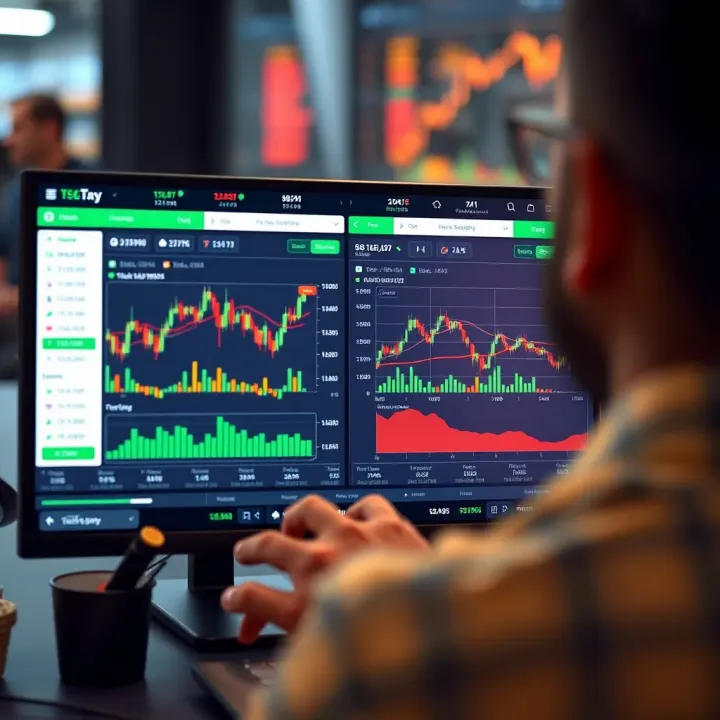
Looking to pick the right trading app in India? 📱 Get insights on features, costs, regulations & user experience to trade smart in the Indian market.
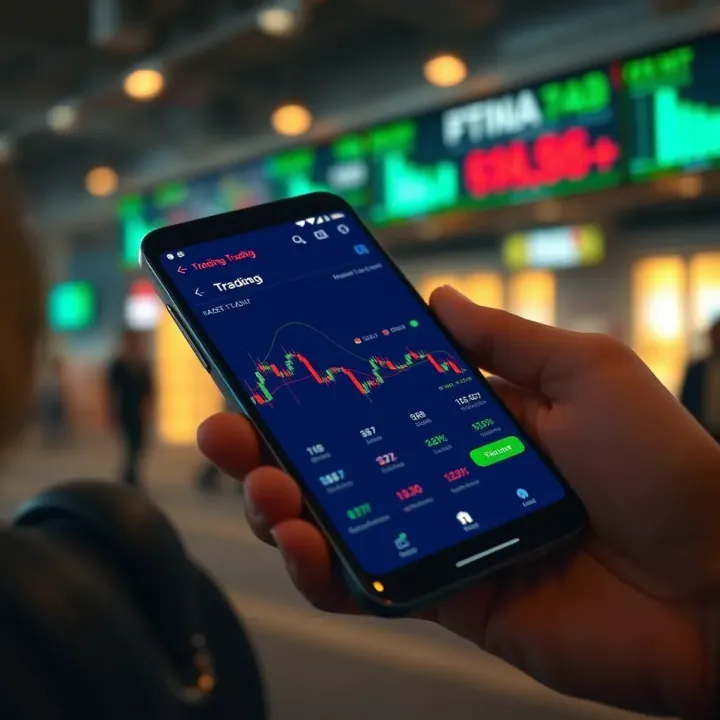
Discover how to pick the most trusted trading apps in India📱. Learn about security🔒, usability⚙️, regulations📜, and customer support for safe trading.
Based on 13 reviews