
Choosing the Best Online Trading App in India
Looking to pick the right trading app in India? 📱 Get insights on features, costs, regulations & user experience to trade smart in the Indian market.
Edited By
Amelia Foster
Zero brokerage trading apps have reshaped how investors in India trade stocks and securities. Unlike traditional platforms charging a fee per trade, these apps allow buying and selling shares without paying any brokerage charges. This model appeals especially to retail investors and beginners who want to keep costs low while actively managing their portfolios.
However, zero brokerage doesn't mean zero costs. Some platforms make up through other means like margin funding interest, premium subscription plans, or higher charges on specific services. Therefore, it’s essential to understand what zero brokerage really implies on a given app before diving in.

Several apps have carved their name in India’s zero brokerage space, including Zerodha, Upstox, and Groww. For example, Zerodha combines zero brokerage on equity delivery trades with a flat ₹20 or 0.03% charge per intraday or F&O trade, whichever is lower. Upstox offers a similar structure but focuses on faster execution and a feature-rich trading interface. Groww provides a beginner-friendly experience with straightforward deposit and withdrawal facilities.
When selecting a zero brokerage app, consider these factors:
Regulatory compliance: Ensure the app is registered with the Securities and Exchange Board of India (SEBI) and maintains customer data securely.
User interface: A smooth, intuitive UI helps avoid errors during trade placement and portfolio tracking.
Product offerings: Look beyond equities; check if the app supports mutual funds, bonds, or commodity trading.
Transaction transparency: Clear fees, taxes, and charges must be laid out upfront.
Customer support: Responsive service is critical when issues arise, especially during high market volatility.
Understanding the hidden costs behind zero brokerage plans can save you from unexpected charges and improve your overall investment returns.
By focusing on these practical criteria, you can narrow down the zero brokerage trading apps that genuinely meet your trading needs in the Indian markets. The following sections will guide you through deeper comparisons, risks, and getting started tips specific to India’s unique trading ecosystem.
Zero brokerage trading apps have changed how many Indian investors approach the stock market by removing direct commission fees on trades. Understanding their workings is key for traders, analysts, and students alike who want to maximise savings while maintaining good trading practices. These platforms allow investment without the usual costs, making stock trading more accessible for everyone—from beginners to seasoned investors.
Zero brokerage means the trading platform does not charge the user any commission for buying or selling securities like stocks, commodities, or mutual funds. For example, if you buy shares worth ₹50,000 on a zero brokerage app such as Zerodha Kite, you won't pay the usual brokerage fee that traditional brokers might charge, which often is a percentage or fixed amount per trade. However, it is vital to note that other fees like Securities Transaction Tax (STT), GST, stamp duty, and exchange charges still apply irrespective of brokerage.
Zero brokerage apps generate revenue differently from conventional brokers—they often rely on alternative streams besides direct brokerage fees. One common model includes charging for premium services such as advanced research reports, margin funding, or advisory subscriptions. For example, Zerodha offers a pay-per-use charting tool and educational webinars that bring additional income.
Another approach involves earning interest on the idle funds in customers' trading accounts or lending securities for short selling. This model makes it sustainable for platforms to waive brokerage without compromising their business. So, even without charging commission directly, these apps maintain profitability while attracting a wider user base.
Payment for order flow (PFOF) is another mechanism some zero brokerage platforms use to earn revenue. The brokerage directs user orders to specific market makers or liquidity providers in exchange for compensation. While this helps keep trading free for users, it may affect the quality or speed of trade execution in some cases.
That said, many Indian platforms operate transparently and ensure compliance with SEBI's regulations, which protect traders from unfair trade execution practices. Aside from PFOF, revenue can also come from partnerships with mutual funds or insurance companies, where the app earns commissions on user investments or policy purchases made through the platform.
Traditional brokerage firms typically charge a fee per trade or as a percentage of the traded value, which can add up for frequent traders. Zero brokerage apps remove this barrier, encouraging more active participation. However, while traditional brokers might offer extensive personalised advisory and customised portfolio management, zero brokerage platforms focus on technology-driven services prioritising ease and cost efficiency.
Also, traditional brokers’ revenue primarily depends on brokerage, while zero brokerage apps diversify into fintech services to maintain sustainability. Understanding these distinctions helps users select platforms aligned with their trading style and financial goals.
Zero brokerage apps are reshaping the Indian trading scene by making investing less costly. But it's essential to understand their business models and operational methods before choosing the right platform for secure and efficient trading.
Zero brokerage trading apps have reshaped the investment landscape in India by cutting down the costs traditionally associated with stock trading. This section highlights key advantages that explain why these platforms have become popular among various kinds of investors.
For active traders, brokerage fees can quickly add up and eat into profits. Zero brokerage apps eliminate these charges, making frequent trading much more economical. For example, a day trader who places 50 trades a week might save thousands of rupees that would otherwise go as brokerage. This cost efficiency encourages more trading activity without the worry of accumulating high fees, especially useful during volatile markets when opportunities come and go fast.
Zero brokerage platforms lower the entry barrier for beginners hesitant to invest due to high costs. Without the burden of brokerage fees, new investors can start small, experimenting with shares or mutual funds using amounts as low as a few hundred rupees. This has opened up stock market participation beyond big cities to tier-2 and tier-3 towns, where many users rely on mobile apps like Groww and Upstox for straightforward investing.
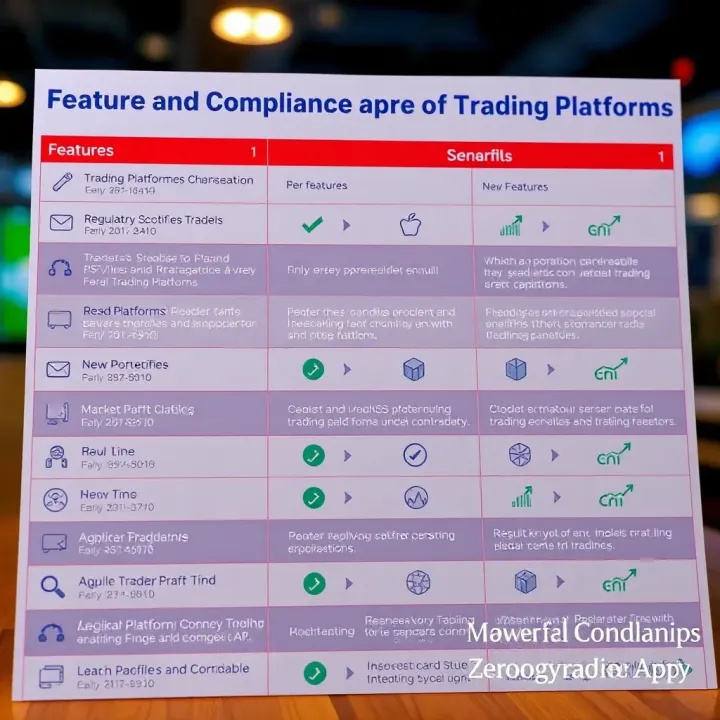
Mobile-friendly interfaces: Most zero brokerage apps come with user-friendly mobile interfaces designed for easy navigation. These apps cater to India's growing mobile-first population, allowing users to check their portfolio, place orders, or track market trends with just a few taps. For instance, Zerodha Kite offers a clean dashboard, avoiding clutter that can confuse newcomers, something quite handy for users on the go.
Real-time market data and analysis: Access to timely information is crucial for making informed decisions. These apps provide live market prices, charts, and news updates, often integrated with simple tools to analyse trends. Real-time alerts on price movements and market sentiments help traders react promptly, a must-have feature during fast-moving market hours. Even investors following a SIP (systematic investment plan) can benefit from monitoring their investments’ periodic performance closely through these data-rich features.
Save on trading costs, enjoy intuitive app design, and stay updated with real-time data — these advantages together make zero brokerage trading apps a smart choice for today’s Indian investor.
Switching to a zero brokerage app can help you make the most of your trading by combining financial savings with a smooth, tech-powered experience. This combination especially suits those new to markets, as well as seasoned traders hunting for cost-effective ways to stay ahead.
While zero brokerage trading apps eliminate commission fees, it’s vital to watch out for certain catches. These platforms may seem free at first, but hidden charges or slower trade executions can eat into your potential gains. Evaluating these factors upfront helps you avoid surprises and choose an app that suits your trading style and goals.
Account maintenance fees: Some zero brokerage brokers charge annual or monthly account maintenance fees, especially for Demat accounts. For example, an app might offer free trading but levy ₹300–₹500 yearly for Demat upkeep. This fee reduces your overall savings, so check if the app waives it for low-balance or inactive accounts. Frequent traders may find this acceptable, but a casual investor should consider this cost.
Transaction and withdrawal charges: Zero brokerage doesn't always mean free transactions. Certain apps charge a small fee when you withdraw funds or convert holdings back into cash. Others may apply stamp duty or GST on transactions as mandated by the government. For example, a ₹1 lakh trade might attract 0.015% stamp duty, which adds up over numerous trades. It’s wise to review each platform’s fine print on such fees to understand the real cost of trading.
How quickly and accurately your orders execute matters a lot. Some zero brokerage apps route orders through intermediaries, causing delays or less favourable prices. Fast-moving markets punish slow execution; a delay of even a few seconds can lead to different entry or exit prices. If you trade intraday or in derivatives, this can impact profitability. So, check reviews on the app’s trade execution time and reliability before committting.
SEBI regulations: All Indian trading apps must comply with Securities and Exchange Board of India (SEBI) norms to operate legally. This includes client fund segregation, fair trade practices, and periodic audits. Choosing an app registered with SEBI helps protect you against fraud and malpractice. For instance, platforms like Zerodha and Upstox follow SEBI guidelines strictly, which builds investor trust.
Data privacy concerns: With mobile apps, your personal and financial data is at stake. Many zero brokerage apps collect extensive user data to support their business models. It’s crucial to review their privacy policies and see if they share data with third parties. Weak data protection can expose you to hacking or misuse of information. Prefer apps that encrypt data end-to-end and maintain transparency about data usage.
Always balance cost savings against these considerations. A free-looking offer without solid security or quality execution may cost you more in the long run.
Choosing the right zero brokerage trading app matters because it directly affects your trading experience, costs, and overall investment success. Not all apps are created equal—some may offer a smooth interface but lack advanced tools, while others may boast great research features but poor customer service. Knowing what to look for helps you pick a platform suiting your style and goals, whether you are a seasoned trader or a beginner.
A trading app’s user interface (UI) can make or break your investing journey. A cluttered design or confusing navigation wastes precious time, especially when market conditions change rapidly. You want an app that feels intuitive, loads quickly, and presents data clearly. For example, the ability to place orders with minimal taps or view your portfolio at a glance adds convenience. Also, check for customisable layouts and dark mode if you trade often at night. Usability reflects how comfortable you will be using the platform daily.
Robust research tools help you make informed decisions on what to buy or sell. Look for features like market news, analyst reports, interactive charts, and fundamental data within the app. Educational resources such as tutorials and webinars are useful if you are climbing the learning curve. Some apps provide screeners to filter stocks based on criteria like P/E ratios or dividend yield, saving time while exploring options. These tools are crucial not just for analysis but for becoming a confident investor.
Trading apps inevitably face technical glitches or account issues. Efficient and reliable customer support prevents these from becoming major headaches. Check if the app offers multiple support channels—phone, chat, email—and if the responses are timely and helpful. User reviews often reveal how well a platform handles complaints. A dependable support system is particularly valuable for newcomers navigating KYC or fund transfers.
Zerodha Kite stands out for its clean interface and robust feature set. Ideal for active traders, it offers real-time market feeds and a smooth order placement process. The platform includes detailed charts with multiple indicators suitable for technical analysis. Zerodha’s integration with Console, its back-office portal, simplifies account management, making it easy to track investments.
Upstox Pro caters to traders who want fast execution combined with research tools. Its responsive design works well on mobiles and desktops, supporting options like bracket orders to help manage risk. Upstox also provides deep market insights and educational videos right within the app, helpful for both beginners and experienced users.
Angel One merges trading with advisory services, making it a good choice for investors looking for expert guidance. Its app features portfolio tracking and a variety of investment products beyond equities, including mutual funds. The platform’s customer-friendly design and regular updates ensure usability keeps pace with changing market demands.
Groww began as a mutual fund platform but now offers zero brokerage equity trading with an emphasis on simplicity. Its clean UI appeals to casual investors and beginners who prefer straightforward navigation. Although its advanced charting tools may not match Zerodha or Upstox, Groww compensates with educational content and seamless experience across multiple devices.
When picking a zero brokerage trading app, focus on how well it fits your trading habits and comfort with technology. Evaluate real features rather than just zero fees to ensure a hassle-free investing experience.
Starting with a zero brokerage trading app involves straightforward steps, designed to get you trading quickly while keeping costs low. Understanding these steps helps you avoid delays and hidden issues right at the beginning, making your trading experience smoother and more effective.
Opening a trading account on any zero brokerage app requires completing the Know Your Customer (KYC) process. This is mandatory under Indian law to verify your identity and prevent fraud. Typically, you need to upload documents like Aadhaar card, PAN card, and a cancelled cheque or bank statement to link your bank account.
Many apps offer a fully digital onboarding experience, allowing you to complete KYC using electronic verification processes like e-KYC and digital signature through Aadhaar OTP or video KYC. For example, Zerodha and Groww let you finish the entire process from your mobile without needing to visit a branch. This convenience saves time, but make sure your documents are clear and details match exactly to avoid rejection.
Once your account is active, you should fund it to start buying shares or other instruments. Most zero brokerage apps support multiple payment modes like UPI, net banking, or even Google Pay. It’s good practice to link your savings account directly for seamless fund transfers.
Be mindful about the minimum deposit requirements, if any. While some apps allow you to fund any amount, others might insist on ₹10,000 or ₹20,000 to maintain account activity. Also, keep an eye on the time it takes for your payment to reflect as this can vary by method and affect your ability to trade instantly.
When you place your first trade, selecting the right investment depends on your goals and risk appetite. Zero brokerage apps usually offer access to equities, mutual funds, ETFs, and derivatives. For beginners, starting with direct equities or mutual funds is simpler than derivatives, which need more experience.
For instance, you might want to invest in a well-known company listed on the NSE or explore mutual funds through the app’s fund marketplace. The choice hinges on your investment strategy and how actively you want to trade.
Most zero brokerage apps come with user-friendly interfaces that simplify order placement. You can choose between various order types such as market order (buy/sell at current price), limit order (trade at your price), or stop-loss (limit losses automatically).
Some apps provide real-time market data, charts, and even tips to help decide. For example, Angel One’s app allows quick switching between product types and lets you set alerts for price movements. Taking time to learn these features helps you execute trades efficiently and avoid mistakes, especially in a fast-moving market.
To start trading confidently, get familiar with your zero brokerage app’s specific onboarding steps, funding methods, and order types. This approach helps you make better decisions and maximises the benefits of cost-free trading.
Using zero brokerage trading apps offers a great way to save on transaction costs, but making the most of these apps involves more than just avoiding fees. To enhance your trading experience and investment outcomes, it helps to follow certain practical tips tailored specifically for zero brokerage platforms.
Staying updated with market trends is vital for any trader or investor. Zero brokerage apps usually provide real-time market data and news alerts, which you should use actively. For instance, if you notice a sudden uptick in pharma stocks due to government policy changes, you can seize the opportunity before prices soar. Regularly following economic indicators like RBI’s interest rate decisions or quarterly results of key companies listed on the NSE and BSE helps you make informed decisions and avoid knee-jerk reactions prompted by market noise. Consider setting price alerts or subscribing to curated market analysis within your app to stay ahead effortlessly.
Zero brokerage can tempt some users to trade more frequently, leading to overtrading – which eats into profits through taxes and missed opportunities. Remember, while brokerage is zero, other costs such as Securities Transaction Tax (STT), GST on brokerage, and stamp duty still apply. Overtrading may also lead to emotional decision-making rather than strategic investing. Stick to a well-thought-out plan, such as identifying entry and exit points, and resist the urge to place impulsive trades just because the app charges no fees. Many seasoned traders recommend maintaining a watchlist and reviewing it periodically before executing trades to avoid unnecessary churn.
Zero brokerage platforms sometimes introduce new features, revise fee structures, or change policies. You should regularly review such updates to avoid surprises. For example, an app might later impose charges for order cancellations, margin trades, or withdrawals. Regularly checking the terms of service and announcements within the app helps you stay informed. Also, look out for upgrades like research reports, advisory services, or educational content that can add value to your trading strategy. Occasionally comparing your current app with alternatives such as Zerodha Kite or Upstox Pro can reveal better features or lower hidden costs.
Keep a balance—leverage zero brokerage to cut costs, but don’t compromise on disciplined investing and periodic reviews for the best results.
By following these tips, traders and investors can fully benefit from zero brokerage platforms while maintaining a strong grip on their trading strategies and overall portfolio health.
Looking to pick the right trading app in India? 📱 Get insights on features, costs, regulations & user experience to trade smart in the Indian market.
Discover how to pick the most trusted trading apps in India📱. Learn about security🔒, usability⚙️, regulations📜, and customer support for safe trading.
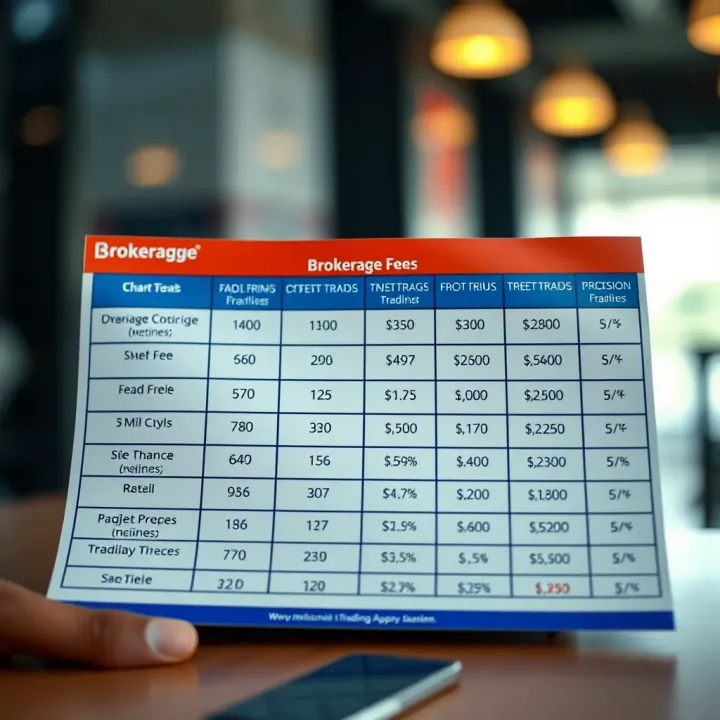
Find the lowest brokerage trading apps in India📉! Compare fees, features, reliability & get tips to pick one that fits your trading goals easily📱📊.

Explore top forex trading apps for Indian users 🇮🇳 with key features, regulatory tips ₹, safety advice 🔒, and strategies to boost your trading success 📈.
Based on 8 reviews