

Getting Started with Stock Paper Trading in India
📈 New to stock paper trading? Learn how to practice without risk, explore platforms, strategies, and tips tailored for India's market beginners!
Edited By
James Thornton
Getting the hang of stock market trading before putting your hard-earned money on the line sounds like a no-brainer, right? That's exactly where live paper trading apps come into play. These platforms create a real-time simulation of the market allowing you to practice buying and selling stocks or other assets without burning a hole in your pocket.
For traders, investors, students, analysts, and even brokers in India, understanding how to use these apps effectively can provide a big leg-up. With many apps available, each boasting unique features, benefits, and some quirks, it’s important to know how to choose the right fit for your needs.
This article will take you step-by-step through what live paper trading apps are, the advantages they offer, how to pick one wisely, and practical ways to get the most out of your practice sessions. We’ll also highlight their limitations and compare them to other trading training methods, so you get the full picture.
Practicing stock trading without risking real money helps build confidence and hones your strategies in a low-stress environment — the perfect setup before diving into actual markets.
So, whether you're a newbie eager to learn or a seasoned trader aiming to sharpen your skills, this guide will offer clear and actionable insights tailored for the Indian trading scene.
Getting a grip on what exactly a live paper trading app is can really clear up the confusion around stock market practice tools. These apps act like a sandbox for traders — a place to play with real market conditions but without risking a single rupee. Think of it as test-driving a car on the bustling streets of Mumbai without actually owning the vehicle.
Live paper trading apps are especially handy for anyone new to the stock market, or even seasoned traders who want to experiment with fresh strategies without the stress of real losses. For instance, a trader in Bengaluru might use these apps to try out trading in Nifty futures or specific stocks like Tata Motors without putting actual capital on the line.
It's important to realize that these platforms replicate actual market prices and movements in real time, so while you are not risking money, you are still facing the unpredictability and rapid changes of live markets.
In essence, these apps provide a very practical way to learn, test, and sharpen trading skills under real market pressures, all while sitting back comfortably at home or on the go using a smartphone. Now, let’s break down what paper trading means in this context and what makes live paper trading different from the traditional approach.
Paper trading originally meant jotting down your trades on paper or a notebook without any real investment involved. Today, it’s more of a digital simulation—an electronic environment where you place trades using virtual money but with prices that reflect the real stock market’s movements.
For example, instead of buying 100 shares of Infosys with actual money, you’d enter the same order in your app, which processes it exactly as a broker would, but only on your screen. This lets you see if your choice would’ve been profitable or not based on actual market data.
The biggest win here is the chance to practice without consequences. You can mess up a trade, learn why it failed, and try again without feeling the pinch. Many Indian users turn to apps like Zerodha's Kite, which offers demo trading features to help understand market dynamics without risking funds.
Traditional paper trading floors the playing field with a slower, more theoretical approach. You'd write trades on paper and check prices much later, kind of like simulating the market after hours with delayed info. Live paper trading steps this up by connecting your virtual transactions to live market data and execution speed.
Consider the difference this way: traditional paper trading is like playing chess by mailing your moves back and forth, while live paper trading is like dueling on a real-time online board, where every second counts.
Live paper trading apps also often allow multiple portfolios, real-time analytics, and instant feedback on execution quality — features not at all possible in traditional paper trading.
So, if you want to test how a swing trade on Reliance Industries would have performed over the last hour, live paper trading apps make it feel like you’re right there in the thick of the action.
In short, the shift from traditional to live paper trading has made learning to trade stocks more interactive, immediate, and closer to real-world conditions than ever before.
Live paper trading apps serve a vital role for anyone interested in the stock market, especially in India where the trading environment can be fast-paced and complex. These apps allow traders to practice buying and selling stocks without putting real money on the line. It’s like taking a car for a spin in a simulator before hitting the road for real. The point is simple: gain hands-on experience, sharpen your decision-making skills, and build confidence before diving into live trading.
For both newcomers and seasoned traders, live paper trading apps offer a sandbox to experiment without the stress of financial loss. They make it easy to understand market behavior in real time, which is crucial for developing strategies that work under actual conditions. Overall, this practice tool bridges the gap between theory and practice, helping traders transition smoothly into the real stock market.
One of the biggest perks of live paper trading apps is that they let you learn the ropes without risking a single rupee. Beginners can make mistakes—sometimes pretty costly ones—without those errors denting their wallets. For example, an Indian trader new to stocks can try out buying shares of Reliance Industries or TCS during volatile market days using virtual money.
This risk-free environment encourages exploration. You can familiarize yourself with order types, understand how stock prices react to news, or figure out how market indices like the Nifty 50 behave during economic events—all without losing hard-earned money. This is especially valuable in India’s dynamic market, where sudden swings are common. The chance to learn by doing builds a strong foundation before stepping into live trading.
Even if you’re an experienced trader, using live paper trading apps is a smart move to test fresh ideas. Say you want to try a momentum trading strategy focusing on fast-moving stocks like Infosys or HDFC Bank. Executing these trades with real money can be risky if you’re unsure how the strategy will play out.
With a paper trading app, you can quickly test this strategy across different market conditions, seeing how your trades perform without biting into your capital. It’s like running a dress rehearsal before the main show. Besides, you can fine-tune your approach based on outcomes, improving your chances when you finally trade with real money.
One clear advantage of live paper trading apps is that they reflect real-time market changes — unlike classic paper trading where you might work with delayed or static data. This means when the Sensex drops due to political developments or a global event, your virtual portfolio will react immediately as a real portfolio would.
This live feedback helps traders understand market volatility, price movements, and order execution speed. For instance, if you place a virtual buy order during peak market hours on Zerodha’s Kite platform, the response time and price match real market conditions—giving you a realistic trading experience.
By practicing with real-time data, you get a practical feel for how quickly market conditions can change and learn to adjust your decisions accordingly. This insight is invaluable when trading for real because it reduces surprise and builds sharper reflexes.
Using a live paper trading app is like training in a flight simulator; it prepares you for the unpredictability of real trading without the consequences of errors. This hands-on experience makes the leap into real stock investment less daunting.
Picking the right live paper trading app boils down to identifying features that truly matter for your trading practice. These features help simulate real-world conditions, improve your learning curve, and let you test strategies under realistic scenarios. Without these, the experience may feel disconnected from actual trading, which defeats the whole purpose.
Let's break down the essentials you should keep an eye on.
One of the most important aspects is access to live, real-time market data. Without up-to-the-second price quotes, your trades won’t reflect what’s really happening in the market. For example, apps like Zerodha’s Kite and Upstox offer near-instant streaming quotes of Indian stocks, which allows your paper trades to be executed as if you were trading with real money. Slow or delayed data can lead to misguided decisions – imagine placing a buy order when the stock price has already jumped up, but your app still shows old prices.
Execution speed also matters. The closer the app’s order processing speed is to real trading platforms, the better. If your demo trade executes five minutes late, it won’t prepare you for the speed you’ll face in actual markets where milliseconds can make a difference.
Even if an app has great data and features, it’s of little use if the interface is clunky or confusing. Good user experience isn't just about aesthetics but about letting you navigate quickly and place trades without second-guessing. Look for clear charts, simple order entry forms, and easily accessible portfolio views.
Consider how apps like TradingView integrate with some paper trading functions: their clean layouts and intuitive charting tools help traders focus on decision-making rather than wrestling with the software. If you’re a beginner, a too-complex interface might discourage regular practice, so favor apps with straightforward workflows.
Not all paper trading apps cover every type of asset or instrument. Some may restrict you to stocks only, while others let you try derivatives like futures or options. For instance, IIFL Securities provides paper trading on equities as well as commodities, giving a broader playground to test different strategies.
If you want to build experience across various markets, ensure your chosen app supports those assets. This diversity can help you prepare for portfolio diversification in actual trading.
A solid paper trading app doesn’t just let you trade; it helps you learn why you win or lose. Look for built-in analytics that track your performance, identify your strengths, and highlight your weaknesses. Some apps provide detailed trade reports or simulate market scenarios and challenges.
For example, the app from Moneycontrol includes educational articles and tutorials alongside its paper trading feature. Apps with in-built analytics help you review trades critically, a key step before moving to real money trading.
Choosing an app with a blend of real-time data, ease of use, asset diversity, and learning support creates a more effective, engaging, and realistic paper trading experience.
In short, these features shape the quality and usefulness of paper trading apps, making your practice sessions more than just playing with fake money—they become valuable training ground that builds skills for real markets.
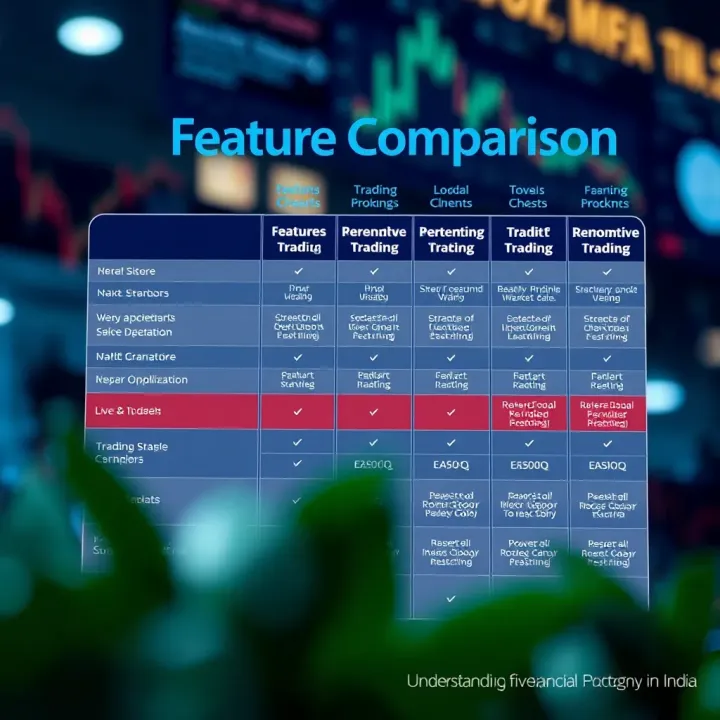
For traders in India, picking the right live paper trading app isn't just about having a virtual sandbox—it's about getting a feel for India's unique market rhythms. Domestic investors face specific challenges and opportunities, from navigating the NSE and BSE to understanding how global events influence Indian stocks. Having paper trading platforms tailored to Indian markets lets you practice strategies under conditions that closely mimic what you'll actually experience.
Local relevance means apps supporting Indian stock exchanges, currency (INR), and typical trading hours. Plus, the app should give you a realistic sense of transaction costs, taxes, and market habits unique to India, which is crucial when testing strategies.
Popular apps tend to offer a mix of real-time data feeds, order execution simulations, and portfolio analytics. For example, platforms like Upstox Pro and Zerodha's Kite Connect provide near real-time market data from NSE and BSE, along with tools like candlestick charts, technical indicators, and even options trading simulations.
Such features let users try out everything from day trading to more complex derivatives strategies without worrying about losing actual money. It's not just about clicking "buy" or "sell"; these features help you dive into risk management and decision-making.
User experience can make or break your trading practice. Apps like Groww and Angel One are known for intuitive layouts suited for beginners but with enough depth for experienced traders. Smooth navigation, responsive interfaces, and minimal lag keep the user engaged. Good user experience is especially important in live paper trading because it closely mimics the stress and pace of actual trading sessions.
Some apps also provide mobile and desktop versions that sync seamlessly, so you can practice on the go or from your desk without missing a beat.
Ideal apps offer coverage across multiple Indian exchanges—National Stock Exchange (NSE), Bombay Stock Exchange (BSE), and even Commodity and Currency markets if relevant. For example, investing in Reliance Industries shares one minute and then switching to Nifty futures the next is made possible with platforms supporting a broad range of instruments.
The wider the market coverage, the more options you have to test strategies across sectors and asset types. This reflects a real trading environment where you can pivot between stocks, ETFs, derivatives, and mutual funds.
Free versions usually cover the basics: simulated trading with real-ish market data and limited virtual funds. But they might restrict the number of trades, available instruments, or delay data by a few seconds.
Paid versions often upgrade the experience with features like real-time market depth, advanced charting tools, in-depth analytics, and access to ETFs and derivatives that free versions might lock away. They also tend to remove ads and sometimes include expert support.
For example, the Zerodha Trading App offers basic paper trading for free, but platforms like TradeSmart provide premium analytics and faster data streams at a subscription cost.
Whether free or paid, the key is matching the app's capabilities to your goals. Beginners may find free tiers sufficient for learning basic skills, while seasoned traders wanting to experiment with advanced strategies might find value in paid plans.
Remember, the best paper trading app is the one that mirrors as closely as possible the conditions and instruments you intend to trade in real life, especially given the nuances of the Indian market.
Selecting a live paper trading app suited for your needs will give you a head start by offering a hands-on approach without the financial risks involved in actual trading.
Dipping your toes into live paper trading can feel overwhelming at first, but getting started is pretty straightforward once you know what to expect. Using a simulation to practice stock trading is more than just a neat game—it’s a chance to familiarize yourself with how the market works without putting real money on the line. This section walks you through the initial steps, answering key questions and giving you practical tips to help you hit the ground running.
Setting up an account in a live paper trading app is your first step, but it’s more than just filling out your name and email. These apps typically ask for basic details like your trading experience, investment goals, and preferences, which they use to customize your simulated environment. For example, if you tell the app you’re interested in Indian equities, it will likely prioritize showing those stocks and their real-time prices.
Most platforms like Moneycontrol’s Pro platform or Zerodha Kite’s paper trading feature offer an easy signup process that only takes a few minutes. Remember, though, some apps might require you to verify your identity, especially if the platform doubles as a real brokerage. This means keeping personal documents handy, though for strict paper trading, the process is usually lighter.
A handy tip: make sure to choose a strong, unique password and enable two-factor authentication if available. Even if you’re not investing real money, protecting your account from unauthorized access is always smart.
Once your account is ready, you can create a virtual portfolio—think of this as your sandbox where you experiment freely. Begin by selecting stocks, ETFs, or other assets that interest you. For example, if you’re curious about the performance of Tata Motors or Infosys, add those to your virtual portfolio. This hands-on approach helps you understand how different sectors behave and how specific stocks respond to market trends.
Managing your virtual portfolio involves tracking your trades, watching how your investments perform, and tweaking your strategy based on results. Most apps allow you to set up different portfolios, so you might keep one that mimics a conservative approach and another that’s more aggressive. This way, you can compare how varying tactics play out without risking a rupee.
Good paper trading apps also offer analytics tools to give you insights on risk, diversification, and performance metrics. Utilizing these tools transforms your practice from guessing games into informed decision-making.
Taking the time to properly set up and manage your virtual portfolio can make all the difference. It’s where theory meets practice, letting you learn from mistakes and spot opportunities before stepping into real trading.
Getting started with a live paper trading app doesn't have to be complicated. Just set up your account sincerely, craft your portfolios thoughtfully, and treat your simulated trades as if they were real. That approach builds a solid foundation for your trading journey ahead.
Using a live paper trading app may seem straightforward, but to truly gain the most from it, you need to stick to some solid habits. These apps simulate real-time markets, but without real stakes, it’s easy to treat trades casually. However, approaching paper trading with the same care as you would real trading sharpens your skills and builds confidence for when real money’s on the line.
It’s tempting to think that without risking real money, paper trades don’t matter much. But successful traders treat every virtual trade as if real cash were at stake. Imagine you’re testing a new buying strategy based on technical patterns; if you just click around randomly, you’ll never learn what works or why. Keeping a disciplined mindset forces you to respect your rules, manage risk, and execute decisions with care.
For instance, say you decide to buy shares of Reliance Industries expecting a breakout, but you go in without any stop loss in place during paper trading. Treating the trade seriously means you’d still set stop losses and position sizes that reflect your tolerance if it was with real money. This builds habits that transition well once you start live trading.
Paper trading isn’t just about making trades; it’s about reviewing those trades afterwards to uncover patterns in your decision-making. Good apps like Upstox or Zerodha’s Kite allow you to access detailed reports and charts summarizing your virtual trading activity. Use these tools to spot errors such as chasing losses, entering trades too late, or failing to cut losses early.
For example, if you notice that most of your losing paper trades involve impulsively buying stocks after a sharp dip, that’s a red flag. Analyzing trade performance regularly helps refine your strategies and understand market dynamics better. It’s like watching game tape after a match — crucial for growth.
Remember, trades without reflection are just guesses.
Moving from paper trading to real money trading is a huge step, and it shouldn’t be rushed. Paper trading can lull some traders into a false sense of ease because, mentally, they don’t feel the sting of losing actual cash. The emotional rollercoaster of real market swings is quite different.
To ease into live trading, start with small positions and only with funds you can afford to lose. For instance, if you’ve been paper trading with a virtual portfolio of ₹5 lakh, begin real trading perhaps with ₹50,000 or less to keep emotions in check. Gradually ramp up exposure as you gain real-world confidence.
Additionally, keep applying the same discipline you learned in your paper trades. Don’t abandon stop losses or risk management rules just because you’re dealing with real money now. It’s normal to feel nervous when real stakes are involved, but those habits you honed during paper trading will help stabilize your decision-making under pressure.
By following these best practices, traders in India can maximize the benefits of live paper trading apps and prepare themselves for the realities of the stock market. Consistency, reflection, and a cautious transition to real money trading create a strong foundation for successful investing and trading careers.
Paper trading apps are great for practice, but they don’t paint the whole picture of real trading. Understanding their limitations is key to using these tools wisely and knowing when to step into actual markets.
One big difference between paper trading and real trading lies in execution. When you buy or sell in a paper trading app, orders fill instantly and at the expected price, but in real markets, slippage and delays happen. For example, if you try to buy shares of Reliance Industries at 2,500 INR in reality, the price might have moved by the time your order executes due to market volatility.
Also, paper trading accounts usually ignore transaction costs like brokerage and taxes. In India, brokerages such as Zerodha or Upstox charge fees that impact net profitability. Ignoring these gives an unrealistically optimistic view of performance.
Real trading involves order types and limitations not always available or realistically simulated in apps. Market depth, liquidity, and partial fills are often missing in paper trading, which can result in false confidence.
Human emotions are a giant wildcard in real trading—but paper trading apps don’t capture this well. When no actual money is on the line, traders tend to take more risks or overlook cautious discipline. This emotional detachment means you might overtrade or ignore risk management rules.
For instance, a new trader might boldly hold a losing position during paper trading, thinking they can afford to wait. But when real money is involved, fear and anxiety often trigger earlier exits or impulsive decisions.
Moreover, the thrill or stress of seeing real gains or losses cannot be faked. This emotional learning curve is crucial for building sound trading habits. Many successful traders credit their maturity in handling pressure as a major factor.
Paper trading is like a flight simulator—it gets you comfortable with controls, but you only feel the wind when you’re actually flying.
In short, while live paper trading apps offer valuable practice, one should keep in mind that they do not fully replicate the dynamic environment of real market trading, especially the psychological challenges and the impact of real-world costs and execution complexities.
When honing your stock market strategies, it's easy to get caught up wondering whether paper trading or backtesting will bring better results. Both methods aim to improve your skills without risking real money, but they serve different purposes and come with their own sets of advantages and drawbacks. Understanding which one suits your trading style and goals can save a lot of time and frustration.
Paper trading is like having a dry run on the trading floor, except without the real cash on the line. It uses live market data to allow you to simulate buying and selling decisions in real time. For example, if you’re practicing with an app like Zerodha’s Kite or Upstox Pro, you place trades as if you’re in the actual market, but none of your money is at risk. You see your portfolio's performance unfold just like in reality, which helps you get a feel for market pace and order execution nuances.
Backtesting, on the other hand, involves running your trading strategy against historical market data to see how it would have performed. Say you want to test how a moving average crossover strategy might have worked in the last 5 years for the Nifty 50. You’d apply your algorithm to past price movements and evaluate its success or failure without ever entering the live market. Many platforms like Amibroker or MetaTrader offer backtesting functions that let you tweak parameters and instantly see the results.
Both approaches have strengths and limitations you should weigh carefully.
Reflects real-time market conditions, including price slippage and order execution delays.
Builds psychological readiness since you face the market as it unfolds.
Helps fine-tune timing and decision-making skills with live data.
Lacks real emotional stakes since no real money is involved.
Market conditions might change rapidly, which may overwhelm beginners.
Some apps may not perfectly replicate live trading fees or taxes.
Fast evaluation over extended periods, saving weeks or months of practice.
Enables detailed analysis of a strategy’s long-term profitability and risks.
Ideal for initial screening before moving to live or paper trades.
Historical data may not perfectly capture market nuances, like sudden liquidity crunches.
Might give a false sense of security if data snooping or overfitting occurs.
Cannot mimic real-time emotions or unexpected news impacts.
For instance, a trader testing a momentum-based strategy might find spectacular returns during backtesting through the bull run years but might falter during live paper trading on sudden spikes or crashes. Conversely, paper trading without prior backtesting could mean cycling through unprofitable experiments wasting time.
Most seasoned traders agree that combining both methods yields the best results: use backtesting to filter out weak strategies and paper trading to get a feel for execution and risk management.
In short, while backtesting helps you gauge the potential, paper trading prepares you for reality. Balancing both can improve your trading skills more effectively than relying on one alone.
When using live paper trading apps, security and privacy aren’t just afterthoughts—they’re essentials. These apps often require personal information and can link to a user’s main brokerage accounts or bank details, increasing exposure to cyber threats. A single slip-up in security could mean your sensitive data ends up in the wrong hands or, worse, someone could access your real trading account. So, understanding and prioritizing security measures keeps you safe as you practice and build confidence.
Protecting your data involves more than just strong passwords. Many reputable paper trading apps use encryption protocols, like SSL (Secure Sockets Layer), to keep your information safe while it travels over the internet. For example, apps like Zerodha’s Kite Connect offer two-factor authentication (2FA), requiring a second form of verification, usually a code sent via SMS or generated on a separate app. This extra step adds a crucial layer of security.
It's also important to monitor account activity regularly. Many apps provide alerts for unusual login attempts or trades, allowing you to react quickly if something looks fishy. Avoid using public Wi-Fi networks when accessing these apps since they’re often less secure and can expose your account information to hackers trying to sniff data. Instead, stick to a trusted, private internet connection to keep your practice sessions safe.
Not all paper trading apps are created equal—some come with sketchy privacy practices or weak security settings. Picking a provider known for reliability isn’t just about smooth trading experience; it’s about safeguarding your information. Look for platforms with positive industry reviews and transparent privacy policies. Established names like Upstox Pro or TradingView tend to invest heavily in security infrastructure, reducing the chances of breaches.
Always review the app permissions during installation. If an app asks for access to information unrelated to trading, such as your contacts or camera, that’s a red flag worth noting. Regulatory adherence is another factor to consider. Trusted apps typically comply with data protection standards like India’s Information Technology Act and global norms where applicable.
Always treat your virtual trading accounts with the same care as your real ones. Security lapses in practice phases can ripple out and affect your actual trading environment.
By carefully weighing these security and privacy factors upfront, you minimize potential headaches down the road and ensure your focus stays on learning and improving your trading strategies confidently.
When diving into live paper trading, it’s easy to get overwhelmed by the variety of apps and their pricing. Understanding the cost structure and what you’re actually getting for your money can save you from paying for features you won’t use or missing out on valuable tools that could improve your trading practice. Cost and value go hand-in-hand, especially when practicing with virtual money but aiming for real skill-building.
Look at pricing not just as a dollar figure but how it fits your trading goals. A free app might be great for beginners just testing the waters, while serious traders may find subscription-based services worth every rupee due to advanced analytics and tighter market data updates.
Free paper trading apps often appeal because, well, they're free—hard to argue with that. Apps like Upstox’s free virtual trading or Moneycontrol’s mock trading environment give you plenty to work on without spending a dime. They’re perfect for getting a basic feel of order placement and watching how market moves affect your portfolio. However, they can have limitations such as delayed data, fewer assets to trade, or limited analytical tools.
On the flip side, subscription-based models such as those offered by platforms like Zerodha Kite Connect or TradingView offer upgraded features like faster execution, customizable charting tools, and access to multiple market segments including forex and derivatives. Even though these come with a monthly fee (usually ranging from INR 500 to INR 2,000), they can provide more realistic simulation and deeper insights.
Paying for a subscription can feel like a gamble, but for active traders aiming to sharpen their strategy under true-to-life market conditions, the investment often pays off.
When choosing between free and paid, consider your trading style, how much time you intend to invest, and whether you need advanced tools for technical analysis or just a simple platform for basic practice.
It's not just the price tag that matters but what features you get for it. A higher subscription fees don't always guarantee a better experience unless the app offers bespoke features that truly matter to your trading approach.
Look for essentials like real-time data feeds, the variety of assets available, user-friendly interfaces, and risk management tools. Some platforms pack in extras like integrated chatrooms, automated trading simulations, or backtesting capabilities, which can justify their subscription fees.
For example, trading platforms like Sensibull, primarily for options trading, charge a subscription but give access to specialized tools enabling traders to model complex options strategies in real time—something a free app wouldn’t typically provide.
When comparing options, make a checklist of features against your needs:
Real-time vs delayed data
Range of asset classes (equities, commodities, options)
In-app analytics and reports
Educational content and support services
This exercise helps avoid paying more for redundant features and ensures you get the best bang for your buck.
In the end, thoroughly vet the prices alongside the value the app provides, tailored to how serious you are about paper trading. This balanced approach helps maximize your learning experience without burning a hole in your wallet.
📈 New to stock paper trading? Learn how to practice without risk, explore platforms, strategies, and tips tailored for India's market beginners!

📈 Discover live intraday trading in India! Learn key strategies, risk management tips, and how to trade smartly in fast stock market conditions.
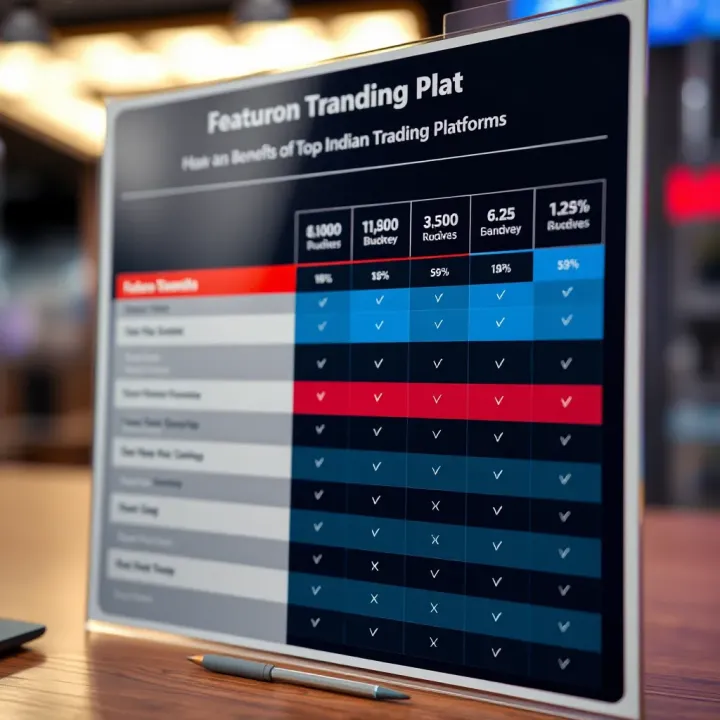
Discover top online trading apps in India 📈. Learn key features, security tips, and find the best platform to suit your trading goals with ease.
📱 Discover how to choose the right market trading app in India with tips on features, security, and matching your trading style for smart investing.
Based on 5 reviews