

Understanding Candlestick Patterns with PDF Guides
📊 Master candlestick patterns with this practical guide! Learn key charts, pattern meaning, and boost trading skills in India & globally, plus handy PDF tools 📈
Edited By
Elizabeth Turner
Candlestick charts offer a visual way to track price movements in markets like stocks, commodities, and forex. Unlike simple line charts, they capture opening, closing, high, and low prices in a fixed time interval, giving traders a fuller picture of market sentiment.
Indian traders often face challenges reading these charts due to the variety of patterns and the lack of accessible resources in local contexts. This guide focuses on practical candlestick patterns, showing you how to recognise them and what they tell about potential market moves. Using PDF guides tailored for Indian traders can be a great help, providing quick references during market analysis.

Understanding candlestick patterns isn’t about memorising numerous names. Instead, it’s about identifying consistent signal behaviours that can improve your timing for buy or sell decisions. For example, a 'hammer' shape after a downtrend often hints at a possible price reversal upwards, while a 'shooting star' at a peak may warn of coming declines.
Traders should combine candlestick signals with volume trends and fundamental factors to avoid relying solely on technical visuals. Using a PDF reference with clear illustrations can close the gap between theory and practice.
This article walks you through key candlestick formations, how to interpret them, and where to find reliable, printable PDFs for ongoing study. With this knowledge, your technical analysis will be more grounded, enabling smarter trades in markets like NSE or MCX.
Indian traders applying these insights alongside local market dynamics can expect more informed decisions, especially in volatile times. The practical use of a dedicated PDF guide lets you pause, review patterns accurately, and develop confidence gradually.
In short, becoming comfortable with candlestick charts improves your market understanding and equips you with a powerful tool for trading success.
Candlestick charts offer traders and analysts a straightforward but detailed view of price movements in financial markets. They help make sense of complex data by breaking down price action into easily understandable units. This section explains why candlestick charts matter and introduces you to their basic structure and uses.
A single candlestick shows four key data points: open, close, high, and low price for a specific time frame. The rectangular part, called the "body," displays the difference between opening and closing prices. If the close is higher than the open, the body is typically shown as hollow or green, signalling bullish activity. Conversely, a filled or red body indicates selling pressure, with the close below the open. Thin lines above and below the body—known as "wicks" or "shadows"—represent the price extremes during that period.
This compact visualisation helps traders quickly assess how price behaved in that interval, whether buyers or sellers controlled it, and the volatility within. For example, in Indian equity markets, a narrow body with long wicks might suggest indecision right before a crucial earnings announcement.
Candlestick charts differ from line or bar charts by providing more detailed information about price movement within a period. Unlike a simple line chart that connects closing prices only, candlesticks reveal the open, high, and low prices as well, offering richer insights.
Compared to bar charts, which also display OHLC data, candlesticks stand out by visually emphasising bullish or bearish sentiment through colour and filled versus hollow bodies. This design helps traders spot patterns and market psychology more intuitively.
For instance, a Nifty 50 index line chart will show the trend clearly, but a candlestick chart can help traders identify possible trend reversals early through specific patterns.
Candlestick patterns give visual cues on market sentiment without needing to crunch numbers. Traders can see at a glance if buyers are dominating, if sellers are stepping in, or if the market is uncertain. This clarity aids fast decision-making, essential in volatile markets like commodities trading in India.
Patterns formed by one or several candlesticks—like hammers, engulfing patterns, or dojis—convey changes in momentum or potential pauses. Identifying these shapes quickly enables traders to align their strategies with current market conditions.
Beyond showing present sentiment, candlestick patterns often hint at what may come next. For example, an engulfing bullish pattern at major support levels in the Sensex chart can signal a potential upward move.
While not foolproof, these patterns offer a form of technical foresight when combined with volume and other indicators. Traders in Indian markets often use them alongside RSI (Relative Strength Index) or MACD (Moving Average Convergence Divergence) to confirm trade signals and manage risks better.
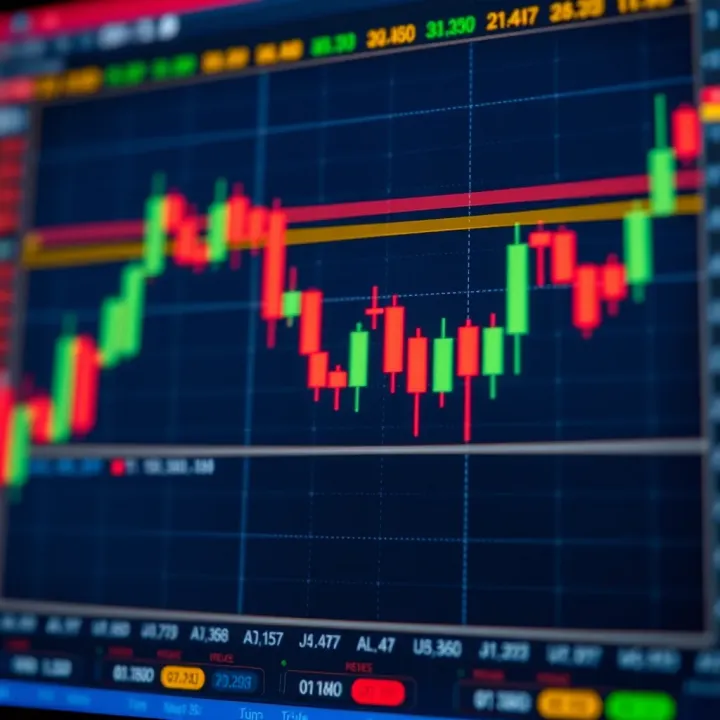
Understanding these basics lays a strong foundation for reading candlestick charts confidently. They serve both as a snapshot of current market action and a guide towards probable future trends.
By grasping the structure and behavioural insights candlesticks provide, you prepare yourself to use PDF guides and further resources more effectively. This practical knowledge will help you sharpen your trading approach and reduce guesswork in analysing stocks, commodities, or forex markets.
Candlestick patterns decode market psychology by reflecting price actions over specific time frames. Understanding common patterns and their meanings helps traders anticipate potential trend reversals or continuations, which is vital in Indian markets like Sensex or Nifty. These patterns provide visually clear signals, making it easier even for beginners to read complex market moves.
Hammer and Hanging Man: Both patterns feature small bodies with long lower shadows, but their significance depends on the preceding trend. A hammer appearing after a downtrend suggests buyers are stepping in, signalling a possible reversal to the upside. For example, a hammer candle in Tata Motors’ stock after a price dip might hint at buying strength. Conversely, the hanging man, which looks identical but forms after an uptrend, warns of potential bearish reversal due to selling pressure.
Doji and Spinning Top: These patterns represent indecision in the market. A doji occurs when opening and closing prices are almost the same, creating a cross-like form. This shows a tug of war between buyers and sellers. Traders watch doji during strong trends to predict potential pauses or flips. Spinning tops have small real bodies with longer shadows on both sides, indicating uncertainty. For example, a doji during Infosys’ uptrend could alert traders that momentum is slowing.
Engulfing Patterns: These occur when a larger candle fully engulfs the previous candle's body. A bullish engulfing pattern shows strong buying that overtakes selling pressure, signifying a trend reversal upwards. For instance, a bullish engulfing after Reliance Industries’ price fall could be a buying opportunity. Similarly, a bearish engulfing warns of downward reversal when sellers dominate bigger than buyers in the previous session.
Morning Star and Evening Star: These three-candlestick patterns are reliable reversal signals. A morning star appears after a downtrend and starts with a long bearish candle, followed by a small indecisive candle, then a strong bullish candle confirming reversal. In the Indian context, spotting a morning star in HDFC Bank’s chart may hint at recovery after falls. The evening star works the opposite way, signalling a top and a shift to bearishness.
Three White Soldiers and Three Black Crows: These represent strong continuation or reversal trends over three candles. Three white soldiers consist of three consecutive bullish candles with higher closes, showing increasing buyer strength—for example, in Maruti Suzuki’s shares during a sustained rally. Three black crows are three bearish candles with lower closes, warning of strong selling pressure and likely decline.
Understanding these patterns improves decision-making, especially when combined with volume and broader market trends. In India’s dynamic markets, this knowledge offers traders an edge.
This overview highlights practical candlestick patterns essential for reading charts effectively. Next, we'll see how to use candlestick chart patterns PDF guides to deepen your trading skillset efficiently.
Using candlestick chart patterns PDFs effectively can greatly enhance your grasp of technical analysis. These guides provide a handy reference to spot price movements, enabling quicker, more informed decisions while trading. But having a PDF alone won’t do the trick; you need to know where to find reliable versions and how to integrate them purposefully into your learning and trading routines.
Look for PDFs offered by credible institutions like the National Stock Exchange (NSE) or the Bombay Stock Exchange (BSE). These often contain content tailored for Indian markets, making examples and data more relevant. International platforms such as Investopedia or recognised trading communities also provide robust PDF material, usually more detailed and updated regularly. Using PDFs from these sources reduces the risk of learning outdated or incorrect patterns.
Not all PDFs carry equal weight. When downloading, check for clear explanations with real market examples, preferably from Indian indices or commodities. A good PDF should have well-labelled charts, cover both single and multiple candlestick patterns, and mention their practical implications. Avoid overly technical jargon or disorganised layouts that make learning difficult. In brief, look for PDFs that are concise, visually clear, and paced well for progressive learning.
Don’t just read passively. Use the PDFs to mark important sections, practice sketching patterns on graph paper, or annotate screenshots of live charts using your mobile or laptop. Flashcards summarising patterns from the PDF can aid quick recall. Discussing these patterns with fellow traders or in forums takes your understanding beyond theory to practical insights.
Keep your chosen PDF handy during market hours on your device for quick reference. Before placing trades, double-check possible candlestick signals in the PDF linked to your chart setups. Many traders even print condensed cheat-sheets from PDFs for quick hands-on use. Over time, this approach helps you spot reliable entry and exit points and reduces impulsive decisions based on incomplete information.
Using candlestick chart patterns PDFs wisely turns abstract chart signals into actionable trading strategies, especially when you select reliable sources and apply interactive learning consistently.
This makes your journey into reading price movements more structured and reduces guesswork, giving you a better chance of success in Indian markets and beyond.
Understanding candlestick patterns is especially beneficial for traders active in Indian equity markets such as the Sensex and Nifty. These indices reflect the broader market sentiment, and familiar patterns like the bullish engulfing or hammer often indicate potential trend reversals or continuations. For instance, during volatile sessions, spotting a morning star pattern on the Nifty chart could suggest a shift from bearish to bullish momentum, guiding short-term trades effectively.
In commodity trading, candlestick patterns provide insight into price fluctuations of staples like gold, crude oil, and agricultural products. For example, in gold futures traded on MCX (Multi Commodity Exchange), a doji formation after a strong uptrend may signal indecision and possible reversal. Such patterns help commodity traders anticipate price action changes, reducing reliance on guesswork in markets sensitive to global and domestic factors.
Combining candlestick patterns with indicators like the Relative Strength Index (RSI) and Moving Average Convergence Divergence (MACD) strengthens trade decisions. For example, a bullish engulfing pattern accompanied by an RSI below 30 suggests the asset is oversold and ready for a bounce. Similarly, confirming a candlestick reversal pattern with a MACD crossover can increase the confidence level before entering a trade.
This integration also plays a vital role in improving trade timing and managing risks. Traders often wait for confirmation from both candlestick signals and these indicators before taking positions. This approach helps reduce false signals and avoid premature entries. For example, even if a hammer appears on the chart, delaying entry until the MACD shows bullish momentum can protect capital. Such combined analysis fits well with Indian market volatility, where sudden moves and global news affect prices rapidly.
Using candlestick patterns alongside momentum indicators like RSI and MACD not only sharpens entry points but also helps control risks by avoiding impulsive trades.
Traders can also set stop-loss levels based on the length of candlesticks or nearby support and resistance zones identified in conjunction with these indicators. This ensures more disciplined exit strategies, which are crucial for capital preservation, especially in markets like India’s, where sudden policy changes or global events can cause sharp swings.
In short, applying candlestick patterns in Indian markets, whether in equities or commodities, gains effectiveness when used together with other tools. This multi-layered technical approach equips traders with practical insights, helping navigate complex market movements with better precision and confidence.
For beginners, grasping the nuances of candlestick chart patterns demands more than merely memorising shapes. Knowing how to read and interpret these patterns accurately helps avoid costly mistakes in your trades. This section highlights essential tips that build a strong foundation for using candlestick patterns effectively in real market conditions.
Beginners often fall into the trap of placing too much trust in a single candlestick pattern as a buy or sell signal. For example, spotting a hammer may seem like a sure sign of a reversal, but unless confirmed by additional market context, this can lead to wrong calls. Candlestick patterns need to be considered along with the overall trend, volume data, and other indicators to avoid false signals. Relying solely on one pattern can lead to repeated losses, especially in volatile markets like the Indian equity or commodity markets.
Candlestick patterns tell a story, but they can be misleading if you ignore trading volume and market trends. Volume confirms the strength behind a move—without it, even the most promising pattern might fail. Suppose you see a bullish engulfing pattern in Reliance Industries’ stock but with low volume; chances are the pattern lacks conviction. Similarly, trading against the primary trend often results in poor outcomes. For instance, taking a bullish signal in a prolonged downtrend without weighing the trend can lead to premature entries and losses.
Combining candlestick analysis with volume and trend data significantly improves decision-making and risk management.
Practising with simulated trading platforms or paper trading helps beginners test their understanding without risking real money. These tools let you apply candlestick pattern recognition to live or historical data, observe outcomes, and refine your interpretation skills. Paper analysis, where you manually annotate charts on printouts or digital screens, enhances visual memory of patterns and their typical behaviour. This hands-on approach builds confidence before moving to actual trading in Sensex, Nifty, or commodity markets.
Using annotated PDFs containing candlestick charts gives learners a structured way to recognise pattern signals and understand their context. Highlighted examples help beginners connect theory with market action and spot nuances like pattern confirmation or failure. Tracking charts daily or weekly with these references reinforces learning and sharpens analytical skills. Over time, this practice improves your ability to quickly interpret complex charts and integrate patterns with other indicators for better trading outcomes.
By focusing on these tips and avoiding common pitfalls, beginners can build a reliable skillset for interpreting candlestick patterns in India’s markets. Practical experience and consistent study remain the best ways to strengthen your trading decisions.
📊 Master candlestick patterns with this practical guide! Learn key charts, pattern meaning, and boost trading skills in India & globally, plus handy PDF tools 📈

📊 Learn to read option chart patterns effectively with our practical guide! Access PDF resources to spot signals and improve your trading decisions today.

📊 Master key candlestick and chart patterns to spot market moves and reversals. Gain practical skills for smarter trading decisions and technical analysis!

Learn how multi candlestick patterns in technical analysis reveal price moves to enhance your trading. Discover key patterns, tips ⚡, and avoid pitfalls!
Based on 6 reviews