

Effective Candlestick and Chart Patterns for Trading
📊 Master key candlestick and chart patterns to spot market moves and reversals. Gain practical skills for smarter trading decisions and technical analysis!
Edited By
Alexander Grant
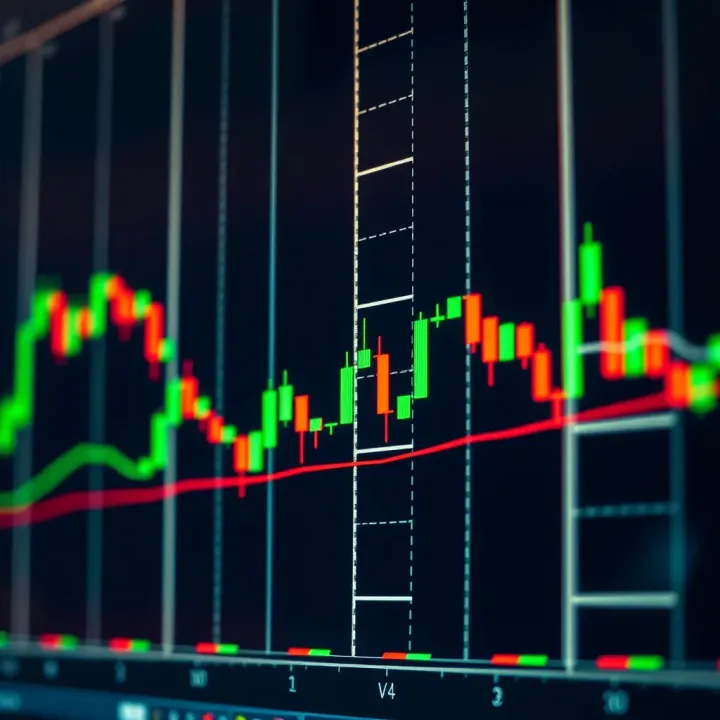
Candlestick patterns form the backbone of technical analysis in day trading. These visual tools provide quick snapshots of price action within a chosen timeframe, helping traders spot potential market moves without sifting through piles of numerical data.
Unlike simple line charts, candlestick charts offer a clear display of opening, closing, high, and low prices. Each candlestick literally tells a story about market sentiment during a particular session—whether buyers or sellers were in control, or if the market moved indecisively.

For traders in India, recognising these patterns is especially useful due to the volatile nature of both equity and commodity markets. Stocks like Reliance Industries or Infosys, and commodities such as gold, often show discernible candlestick formations that traders can use to time their entries and exits better.
Candlestick patterns provide a visual method to estimate market momentum and potential turning points, making them indispensable for day trading decisions.
Some widely followed patterns include the Doji, Hammer, Shooting Star, and Engulfing patterns. These indicate different phases such as market indecision, potential reversals, or continuation trends. For example, a Hammer formed near a support level might signal a bullish reversal, suggesting a good buying opportunity.
Using these patterns alongside volume indicators and support-resistance analysis can improve decision-making. For instance, spotting a Bullish Engulfing pattern with rising volume near a key level often confirms stronger buying interest.
To get the most from candlestick charts, traders should practice reading smaller timeframes like 5-minute or 15-minute intervals, which suit intraday trading. Combining chart patterns with risk management tools like stop-loss orders keeps potential losses in check.
Overall, mastering candlestick patterns equips day traders with a practical, visual edge to navigate India’s dynamic markets more confidently and effectively.
Candlestick charts are fundamental tools for day traders. They provide a quick and clear visual representation of price movements within a specific time frame, often helping traders spot trends or reversals faster than other chart types. In the fast-moving Indian stock market, understanding these charts can give you an edge, allowing timely decisions based on real-time price action.
Each candlestick represents price activity during the chosen interval, typically ranging from minutes to hours in day trading. It consists of the real body and wicks (or shadows). The real body shows the gap between the opening and closing prices, while wicks indicate the high and low reached in that period. A filled or coloured body usually means the closing price was lower than the opening, signalling a bearish phase, whereas a hollow or unfilled body shows a bullish trend where prices closed higher.
The neat structure of candlesticks helps traders intuitively see how price moved within the interval. For example, a long lower wick combined with a small body often signals buying interest after a dip, hinting at a possible trend reversal.
These four prices are crucial markers within each candlestick. The open price is where trading started, and the close price is where it ended for that period. Meanwhile, the high and low prices represent the peak and trough reached. Day traders rely on these values to gauge balance between buyers and sellers during specific minutes or hours.
For instance, a candlestick with a close near its high usually indicates strong buying momentum. Tracking these price points across multiple candlesticks helps translate raw numbers into readable market sentiment.
Candlesticks act like little stories about trader psychology. A series of green (bullish) candles suggests buyers are pushing prices up, while a sequence of red (bearish) candles signals selling pressure. Patterns such as dojis or hammers reveal indecision or potential reversals, which are critical clues for day traders monitoring volatile stocks on the NSE or BSE.
For example, in a strongly declining stock, a hammer candlestick might indicate buyers stepping in, suggesting a possible bounce back. Recognising such subtle signals helps you decide whether to enter, hold, or exit a trade.
Paying attention to candlestick shapes and sequences lets you read the market sentiment almost like a book, speeding up your ability to act before others catch on.
In intraday trading, timing is everything. Candlestick charts supply immediate feedback, reflecting price changes as they happen. This speed proves invaluable when traders need to set stop-losses or take profits quickly.
For example, seeing a sudden bearish engulfing pattern forming on a 15-minute chart can prompt you to exit a long position before a sharp fall. This quick interpretation prevents larger losses, especially during volatile market sessions influenced by economic data releases or corporate announcements.
Overall, candlestick charts transform raw price data into visual cues that save precious seconds in a market where every tick counts.
Bullish candlestick patterns help traders identify when the market sentiment is shifting towards buying interest. These patterns can signal potential trend reversals or continuations, offering timely entry points for day traders. Recognising these formations early on can provide an edge in intraday trading, especially in fast-moving markets like the National Stock Exchange (NSE) or Bombay Stock Exchange (BSE).
Identification features: The hammer candlestick appears after a downtrend and is characterised by a small real body at the top end of the price range with a long lower shadow. This shadow indicates that sellers pushed prices down during the session but buyers regained control to close the price near the open. The inverted hammer is similar, but the long shadow extends above the body, signalling buying pressure despite early selling.

For example, if Reliance Industries shows a hammer formation around midday, it suggests buyers are stepping in despite earlier selling. These patterns hint that downward momentum may slow down.
Trading signals and examples: Both hammers signal potential bullish reversals, but confirmation is key. Traders usually wait for the next candlestick to close above the hammer’s real body before entering a long position. Suppose Infosys forms an inverted hammer near its session low; if the following candle closes higher, this can signal strength, encouraging traders to buy with a stop loss just below the hammer’s shadow.
Formation criteria: This pattern consists of two candles where a smaller bearish candle is followed by a bigger bullish candle that completely covers or ‘engulfs’ the previous candle’s body. It must appear after a downtrend to suggest a strong shift in momentum. The engulfing candle shows buyers overpowering sellers decisively.
In practice, if Tata Motors forms a small red candle and then a larger green candle engulfing it within minutes, it reflects a rapid change in sentiment.
Use in confirming trend reversals: Traders consider this pattern a solid signal that selling pressure has eased. Confirmation comes when price action after the pattern maintains gains or pushes higher. For instance, if HDFC Bank displays a bullish engulfing pattern in the morning session and volume also rises, it adds weight to the reversal idea, signalling a good point to enter a trade.
Pattern characteristics: The morning star is a three-candle pattern typically seen after a downtrend. First comes a large bearish candle, followed by a small-bodied candle (which can be bullish or bearish) representing market indecision. The third candle is a strong bullish candle closing well into the first candle’s body, indicating buyers regaining control.
For example, if ICICI Bank’s chart shows this formation in a volatile session, it reflects the market shifting from doubt to confidence.
Implications for entry points: The morning star offers clearer confirmation of a trend reversal than the hammer or engulfing patterns alone. Traders often enter long positions once the third candle confirms the bullish move. Combining this with volume indicators strengthens the signal, helping decide when to place entry orders and stop losses.
Recognising these bullish candlestick patterns can sharpen your intraday trading decisions by signalling when buying momentum takes hold. Always seek confirmation and consider volume along with price patterns for better accuracy.
Bearish candlestick patterns are vital tools for day traders, signalling potential reversals or pullbacks in price trends. Spotting these can help traders avoid losses or even profit by taking short positions. Understanding these patterns adds clarity to price action, allowing traders to make timely, informed decisions in the Indian stock market’s often volatile intraday conditions.
A shooting star is a single candlestick with a small real body near the lower end, a long upper wick that’s at least twice the size of the body, and little or no lower wick. This shows that the price pushed higher during the session but sellers quickly took over, driving it back down near the open. On an intraday chart, spotting a shooting star after a rally can hint at weakening bullish momentum.
When a shooting star appears at or near a recent high, it suggests rejection from overhead resistance. Traders interpret this as a warning that buyers are losing strength, possibly leading to a price reversal or at least a pause in upward movement. For example, during a sharp rally in a stock like Reliance Industries, a shooting star on the 15-minute chart might signal a short-term pullback ahead. Confirmation with volume or other indicators improves reliability.
A bearish engulfing pattern forms over two candlesticks where a small bullish (green/white) candle is followed by a larger bearish (red/black) candle that completely covers the previous candle’s real body. This engulfment shows sellers overpower buyers, indicating a shift in market sentiment. It often appears at the top of an uptrend or near resistance levels.
For day traders, a bearish engulfing pattern can be a prompt to exit long positions before a price drop. It also provides an entry signal for short selling, particularly when confirmed by other factors like declining volume or breaking moving averages. For instance, during a busy trading session in the Nifty 50, spotting this pattern on a 5-minute chart could advise closing long calls or initiating short positions promptly.
The evening star is a three-candle pattern signalling a reversal from an uptrend to a downtrend. It starts with a large bullish candle, followed by a small-bodied candle (star) that gaps or closes near the previous candle’s top, indicating indecision. The third candle is a large bearish candle that closes well into the first candle’s body, confirming seller dominance.
In intraday charts, an evening star near resistance levels points to a possible trend reversal within the trading day. This gives traders a chance to adjust strategies — either by tightening stops, booking profits, or entering short trades. For example, during volatile sessions in stocks like Tata Motors or Infosys, an evening star pattern, especially when paired with volume spikes or overbought RSI signals, can be a reliable sell indicator.
Mastery of these bearish patterns helps day traders anticipate market turns early, improving trade timing and risk management in India’s fast-moving stock exchanges.
By recognising shooting stars, bearish engulfings, and evening stars, you gain practical tools to limit losses and capitalise on downswings—a must for intraday success.
In India's fast-moving stock market, candlestick patterns offer traders visual cues to spot price trends quickly. Used correctly, they help day traders anticipate market moves and make timely decisions. However, the Indian market has unique traits—like volatile swings during earnings season or sudden moves around RBI announcements—which means relying solely on candlestick shapes can be risky. Blending patterns with additional data like volume and technical indicators improves accuracy.
Volume shows how much trading activity occurs alongside price movements. Say you spot a bullish engulfing pattern on a stock like Reliance Industries—confirming it with rising volume signals genuine buying interest. Low volume during such patterns might suggest weak conviction, increasing the chance the move won't sustain. For intraday traders, volume spikes at key support or resistance zones reinforce the signal from candlesticks.
Volume works well during market open hours too; for instance, a morning star pattern on HDFC Bank with a volume surge around 9:30 am suggests strong buyer enthusiasm. Combining volume with candlestick analysis prevents falling for fake breakouts common in volatile Indian stocks.
These popular indicators complement candlestick patterns by measuring momentum and trend strength. For example, if you observe a shooting star (bearish reversal) on Tata Motors and the Relative Strength Index (RSI) is above 70, indicating overbought conditions, this doubles down on selling pressure.
MACD (Moving Average Convergence Divergence) helps spot trend changes. When a bullish candlestick pattern aligns with a MACD crossover from below, it reinforces a buy signal. Traders often use moving averages (say 20-period and 50-period) alongside candlesticks to confirm trend direction before entering trades. In India, combining these indicators with patterns fits well for stocks experiencing sharp intraday price swings.
Stop losses protect your capital by automatically closing a losing trade at a set price. When using candlestick patterns, place the stop loss just beyond the pattern's extreme point. For example, after a hammer pattern signals a potential reversal in Infosys, set the stop slightly below the hammer's low. This accounts for normal price fluctuations while limiting losses if the signal fails.
In Indian markets, sharp intraday moves can trigger wider stop losses, so adjusting stops based on stock volatility helps avoid premature exits. Proper stop placement also maintains risk-reward balance, essential for consistent profits.
Position sizing means deciding how many shares to buy or sell based on your risk tolerance and stop loss distance. Suppose you are ready to risk ₹5,000 on a trade and the stop loss is ₹2 below your entry price; you can buy 2,500 shares (₹5,000 divided by ₹2) to keep losses within limit.
This method prevents putting too much capital into trades with tight stops or volatile stocks. In India, given sudden market news can hit prices hard, calculating position size carefully helps withstand unexpected swings.
No candlestick pattern guarantees results every time. Relying on one pattern alone, like bullish engulfing without additional confirmation, often leads to losses. Markets are complex, and patterns should be part of a broader strategy including trend, volume, and news.
For instance, an evening star pattern might appear in a strong uptrend but fail to reverse prices if market sentiment is overwhelmingly bullish. Diversifying signals reduces costly mistakes.
False signals happen when a pattern looks convincing but doesn't lead to expected price moves. In Indian equities, sudden spikes due to rumours or algorithmic trades can create misleading patterns.
Watch for contradictory volume, weak momentum, or absence of follow-through price action. Backtesting strategies on stocks like SBI or ICICI Bank helps identify common traps. Being cautious about entry timing and waiting for pattern confirmation reduces false signal impact.
Successful day trading in India needs more than spotting candlestick patterns. Confirming with volume, indicators, managing risks, and understanding pitfalls form the backbone of effective trading. This approach will save you from common traps and improve decision-making in a dynamic market environment.
Mastering candlestick patterns demands more than theory; it requires hands-on practice. For day traders, building confidence through repeated exposure allows quicker recognition and more accurate decision-making under pressure. Without practice, even the clearest patterns can be misread, leading to missed chances or losses.
Simulated trading environments let you practise spotting and acting on candlestick patterns without risking real money. This builds muscle memory and emotional control, especially important in markets that can swing wildly during the day. For example, a trader might notice how a bullish engulfing pattern behaves in an Nifty stock during simulated sessions, learning when to enter or exit.
In India, platforms like Zerodha's Kite Connect demo, Upstox Pro, and Investopedia’s simulator offer user-friendly interfaces and relevant market data. These tools reflect live price movements, helping traders familiarise themselves with volatile sessions and develop timing strategies before stepping into actual trades.
Keeping a trading journal is a practical way to reflect on what works and what doesn’t. Record the candlestick patterns you trade, entry and exit points, reasons for trading, and eventual outcomes. Over time, patterns emerge—maybe a particular setup works better in specific market conditions or with certain stocks. This method directs self-improvement effectively.
Regularly reviewing and adapting your strategies based on journal insights can raise your success rate. If, for instance, you consistently lose on trades following an evening star pattern during volatile market hours, it may signal a need to adjust your approach. This iterative learning process helps keep your trading aligned with changing market dynamics.
A disciplined approach to practice and reflection turns theoretical knowledge into practical skill—vital for success in intraday trading using candlestick patterns.
📊 Master key candlestick and chart patterns to spot market moves and reversals. Gain practical skills for smarter trading decisions and technical analysis!

📈 Explore how multiple candlestick patterns enhance trading accuracy. Learn key combos, identification tips, & strategies to boost market decisions effectively.

Learn how multi candlestick patterns in technical analysis reveal price moves to enhance your trading. Discover key patterns, tips ⚡, and avoid pitfalls!
📊 Learn to read candlestick patterns for sharper stock, forex & commodity trades. Spot trend shifts and reversals to boost your trading game!
Based on 10 reviews