
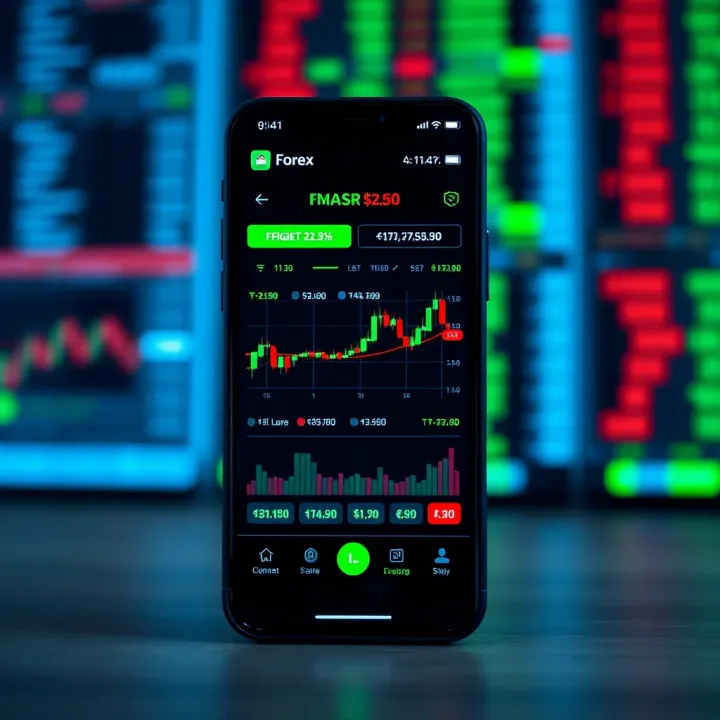
Best Forex Trading Apps in India: A Guide
Find the best forex trading app in India 📱 Compare features, learn about RBI rules, explore popular platforms, and trade forex safely with confidence 💹
Edited By
Isabella Wright
Forex trading apps have transformed how traders access the currency market. Instead of being tied to a desktop or broker’s office, you can now monitor price movements, execute trades, and manage positions right from your mobile device. This flexibility makes forex trading more accessible, especially for busy individuals or those living in tier-2 and tier-3 cities across India.
However, the vast choice of apps available can be overwhelming. Picking the right platform goes beyond flashy interfaces—it involves security, reliability, cost-effectiveness, and features tailored to your trading style. For example, a day trader will value real-time charts and quick order execution, while a beginner may need educational resources and a user-friendly interface.

Choosing the correct forex app can significantly affect your trading success. A well-designed app enables quicker decisions and better risk management.
Indian traders should also consider local factors when selecting a forex app. Integration with popular payment methods like UPI or net banking adds convenience. Compliance with the Reserve Bank of India’s regulations, especially regarding currency pairs and leverage limits, must be checked carefully to avoid violations.
Here are some key points every trader should keep in mind:
Regulatory compliance: Verify the app is authorised by SEBI or recognised forex bodies.
Security features: Two-factor authentication and encryption protect your funds and data.
Cost transparency: Look for clear information on spreads, commissions, and withdrawal fees.
Trading tools: Advanced charting, technical indicators, and economic calendars improve analysis.
User experiences: Reviews and ratings often reveal hidden issues or exceptional service.
To sum up, selecting a forex trading app is not a decision to take lightly. The right choice supports your trading goals, safeguards your funds, and helps you navigate volatile markets more confidently.
Knowing how forex trading apps work and their advantages is key to making smart choices in the fast-moving currency market. These apps bring the global forex market to your fingertips, letting you trade currencies like the US dollar, euro, or Japanese yen against the Indian rupee, right from your mobile. Understanding their benefits helps you use these tools effectively and avoid common pitfalls.
Forex trading involves exchanging one currency for another with the aim of making a profit from fluctuations in exchange rates. For instance, if you believe the rupee will weaken against the dollar, you might buy dollars hoping to sell them later at a better rate. The forex market runs 24/7, covering major global financial centres, which means prices keep changing.
Forex trading apps simplify access to this market by providing a user-friendly platform on your mobile or tablet. Instead of using a desktop setup, you can execute trades anytime, anywhere, whether you're commuting or at a café. The app connects you directly to your broker's trading system, allowing you to view live prices, place orders, and manage your positions swiftly.
These apps break down barriers by letting you trade on the go. You won't miss out on opportunities because you're away from your computer. For example, if the Reserve Bank of India unexpectedly changes interest rates, you can react instantly through the app. This flexibility especially suits busy professionals or students who can't monitor markets all day.
Forex prices move every second, so up-to-date information is vital. Trading apps offer real-time quotes and alerts that notify you of significant price changes or economic news. Imagine getting a push notification when the dollar suddenly gains strength due to US employment data; you can then decide to buy or sell accordingly without delay.
Many forex apps provide built-in tools like live charts, technical indicators, and economic calendars. These help you analyse market trends and plan your trades better. For instance, you can set up customised chart views with moving averages or RSI indicators to spot entry points. Educational content and demo accounts often come bundled, allowing beginners to practise without risking money.
Efficient use of forex trading apps means staying connected with fast market moves, making timely decisions, and having analysis aids at hand. These benefits increase your chances of trading success and managing risk wisely.
Choosing the right forex trading app comes down to certain key features that directly impact your trading experience and success. A good app does more than show prices — it helps you analyse the market, execute trades quickly, and keep your investments safe. Paying attention to these features can save you from unnecessary losses and stress.
Ease of navigation is fundamental. If the app feels cluttered or confusing, it slows down your decision-making, which is risky in forex trading where every second counts. For example, an app that clearly segments watchlists, order placement, and account summary allows you to move smoothly between tasks without second-guessing where to click. This is important for beginners as well as experienced traders who need to act fast.

Then there’s customisable dashboards, which let you design the app according to your style. You might want charts up front or prefer to see your open positions immediately. Some apps even allow widgets for economic news or currency pairs you track most. This flexibility helps you focus on relevant data without distractions — a small tweak that can make a big difference in fast-paced forex trading.
Successful trading requires accurate data at your fingertips. Live charts and technical indicators like moving averages, RSI, and Fibonacci retracements help you spot trends and entry points. An app that updates charts in real-time prevents missed opportunities. For instance, TradingView offers detailed charting tools that many traders find handy to analyse market movements closely.
Meanwhile, news feeds and economic calendars keep you aware of events affecting currencies, such as RBI policy announcements or global economic data releases. Prompt alerts about these can help you adjust orders to avoid unexpected volatility. Imagine a sudden announcement on inflation rates in the US impacting USD pairs; timely news can be the difference between a gain and a loss.
A forex app should support different order types like market, limit, and stop orders. Market orders execute immediately at the current price, while limit orders let you set a preferred entry or exit point. Stop orders are crucial for controlling losses through automatic exits. Having these options ensures you can trade with precision tailored to your strategy.
Besides order variety, fast and reliable trade execution matters immensely. Delays or failed orders can wipe out profits or even cause losses. For example, in volatile market conditions, a delay of even a second might mean buying a currency at a higher price than intended. Apps that use advanced technology to connect directly with forex liquidity providers tend to ensure such quick executions.
Your money and personal data need protection. Look for apps using data encryption and strong user authentication like two-factor authentication (2FA). This reduces risks from hacks or identity theft. Many Indian forex platforms like Zerodha use these security measures to build trader confidence.
Finally, check for licences from recognised regulatory bodies such as the Securities and Exchange Board of India (SEBI). This adds a layer of trust, ensuring the platform follows legal norms, trades are fair, and your rights as a trader are protected. Unregulated apps might offer attractive features but carry higher risks of fraud or malpractice.
Choosing a forex app wisely means balancing functionality, speed, and security. The right features minimise hassles and give you a sharper edge in the competitive world of currency trading.
Choosing the right forex trading app is a key step for Indian traders looking to tap into the currency markets effectively. Popular apps provide reliable platforms equipped with tools, real-time data, and user-friendly interfaces that can make a big difference in trading outcomes. Indian traders benefit from both globally recognised platforms and homegrown brokerage apps that cater to India-specific trading needs.
MetaTrader 4 (MT4) remains one of the most widely used forex trading platforms worldwide, including in India. It offers a stable environment with advanced charting tools, automated trading capabilities through Expert Advisors (EAs), and robust technical indicators. For beginners and experienced traders alike, MT4 helps in analysing currency pairs and executing trades promptly.
MetaTrader 5 (MT5) is the newer iteration, adding features like more timeframes, an integrated economic calendar, and support for additional asset classes beyond forex. Indian traders often switch to MT5 when seeking more diverse instruments or enhanced analysis tools without leaving the familiar MetaTrader ecosystem.
cTrader appeals to traders who prefer direct market access with a clean, modern interface. It offers advanced order types and fast execution, which is critical for high-frequency forex trading strategies. The platform also supports algorithmic trading, making it popular among algorithm-savvy Indian traders.
TradingView, on the other hand, shines primarily as a charting and social platform. Indian traders use its app to access interactive charts and diverse technical indicators, plus follow market sentiment shared by a worldwide community. Though TradingView itself does not execute trades, it integrates with brokers to help traders make informed decisions.
Zerodha Kite is known for its simple design and powerful features for the Indian retail investor. While initially focused on equities, it now offers forex trading with competitive spreads and direct market access. Kite allows seamless integration with Zerodha’s other products like Coin for mutual funds, making it convenient for traders balancing multiple investments.
ICICI Direct offers a trusted, full-service approach suitable for traders seeking professional support along with forex trading. Its app provides access to a range of currency pairs with real-time rates and research reports. Traders can manage their portfolios and use educational resources provided by ICICI Direct, which adds value especially for those newer to forex.
Angel Broking’s app combines user-friendliness with efficient forex trading features. It offers spot forex trading in major currency pairs, along with risk management tools like stop-loss orders. Plus, Angel Broking provides responsive customer service and regular market updates, which Indian traders appreciate for timely decision-making.
Picking the right forex app depends not just on features, but also on your trading style, desired currency pairs, and comfort with platform usability. Trying demo versions offered by these apps can be a helpful step before committing real funds.
In sum, Indian traders have a variety of choices, from global platforms like MetaTrader and TradingView to trusted Indian broker apps such as Zerodha Kite, ICICI Direct Forex, and Angel Broking. Evaluating these options based on individual needs and market experience will lead to better forex trading outcomes.
Understanding the costs and account options is essential before choosing a forex trading app. These factors directly affect your profitability and trading experience. Knowing about commissions, spreads, deposit or withdrawal fees, and account types helps you pick a platform that fits your strategy and budget.
How brokers earn from trades: Forex brokers typically earn through commissions or spreads. A commission is a fixed fee charged per trade or per lot. On the other hand, many brokers use spreads, which is the difference between the buy (ask) and sell (bid) prices of a currency pair. When you make a trade, you effectively pay this spread, which adds to your cost. For example, if EUR/USD has a spread of 2 pips, you pay that cost upfront before a position turns profitable.
Understanding spread variations: Spreads vary depending on market conditions, currency pairs, and the broker’s policy. Major pairs like USD/INR or EUR/USD often have tighter spreads due to high liquidity, sometimes as low as 0.5 pips on certain platforms. Exotic pairs typically carry wider spreads. Variable or floating spreads move with market volatility and liquidity, while fixed spreads remain constant but may be higher. Traders should know that tight spreads reduce trading costs but beware of platforms offering suspiciously low spreads paired with high commissions or delayed execution.
Typical charges for funding accounts: Most forex apps allow multiple funding methods such as net banking, UPI, or wallets. While many brokers offer free deposits, some may levy a small fee, especially for international payment methods like wire transfers. For instance, transferring funds via SWIFT might cost ₹500-700 depending on your bank charges. It’s wise to check these fees before choosing a platform.
Withdrawal costs and processing times: Withdrawal fees often vary more than deposits. Some brokers charge a flat fee or a percentage of the amount withdrawn, impacting smaller withdrawals significantly. Processing times can also differ—while some apps credit funds within 24 hours, others take up to 5 working days. Indian traders should look out for platforms that support faster options like UPI or IMPS, which help access funds quickly without heavy charges.
Demo versus live accounts: Almost every forex app offers demo accounts, letting you practise trading without risking real money. Practising on a demo account helps familiarise yourself with the app's features and test strategies under live market conditions. Transition to a live account only when you feel comfortable. Live accounts require real money and expose you to market risk but provide full trading functionality.
Minimum deposits and leverage options: Minimum deposit sizes differ across brokers. Some accept as low as ₹1,000, making forex trading accessible to beginners, while others require ₹10,000 or more. Leverage lets you control a larger position with a smaller deposit but increases risk. Common leverage ratios range from 1:10 to 1:50 in Indian forex trading. Careful use of leverage can magnify gains but also losses, so understanding your risk tolerance and the platform’s margin requirements is key.
Selecting a forex trading app means balancing costs and features while ensuring the account terms match your trading style. Always review charges and test with a demo account before committing funds.
Using forex trading apps effectively means more than knowing how to place trades. It involves safeguarding your account, managing risk wisely, and continuously learning. These practices help you avoid common pitfalls and steadily build confidence in your trading journey.
Choosing strong passwords and 2FA is a fundamental step. A strong password avoids easy-to-guess words or common number patterns—think of a phrase or mix of letters, numbers, and symbols that only you can remember. Apps often offer two-factor authentication (2FA), which adds a second layer of security by requiring a code sent to your mobile or email each time you log in. This makes it tougher for anyone else to access your account, even if they get hold of your password.
Recognising and avoiding phishing attempts is equally important. Scammers often send fake messages pretending to be your trading platform asking for login details or personal information. These can come through emails, SMS, or even fake websites. Always double-check URLs, avoid clicking on suspicious links, and never share passwords or OTPs (one-time passwords). If an offer sounds too good to be true, like guaranteed returns on forex trades, it likely is.
Using stop-loss and limit orders helps contain losses and lock in profits automatically. A stop-loss order sells a currency pair when its price falls to a certain level you set, preventing bigger losses. Limit orders allow buying or selling at a specific price, preventing trades at unfavourable rates. These tools are crucial for managing risk, especially in the volatile currency markets where prices can swing quickly.
Keeping track of market news and events keeps you updated with factors influencing currency prices. Economic announcements like RBI policy changes, inflation numbers, or geopolitical developments impact forex markets significantly. Many forex apps include news feeds and economic calendars, so use these features to time your trades better and avoid surprises.
Practising without risking real money is the biggest advantage of demo accounts. These accounts simulate real trading environments, letting you experience market conditions without financial risk. For example, if you're new to forex trading or trying a complex feature like margin trading, a demo account lets you understand the mechanics safely.
Testing strategies before going live is essential for refining your approach. Whether you want to try day trading or scalping methods, testing them on a demo account helps you spot flaws and improve tactics. It’s like rehearsing a play before the actual performance — this preparation boosts your chance of success when real money is on the line.
Consistent use of these best practices makes forex trading more secure and helps avoid costly mistakes. The key is balancing learning with caution and staying alert to market conditions.
Find the best forex trading app in India 📱 Compare features, learn about RBI rules, explore popular platforms, and trade forex safely with confidence 💹
Explore legal forex trading apps in India 🇮🇳! Learn about regulations, app features, and tips for safe, compliant trading in the Indian market 📱💹.
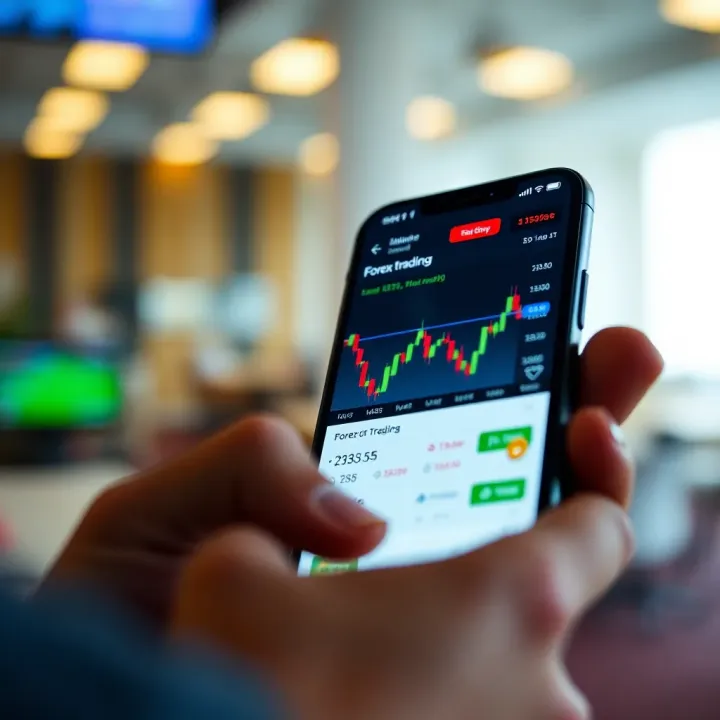
Explore legal forex trading apps in India 🇮🇳, learn how to pick trusted platforms, understand rules & taxes, and trade safely with expert tips 📉📈

Learn how to choose the best trading app for beginners in India 📱 Compare features, costs, safety tips, and start trading with confidence today! ✅
Based on 15 reviews