

Best Trading Apps for Indian Investors: A Clear Guide
📈 Find the best trading app for Indian investors! Compare features, benefits, and top platforms to make smart, confident investment choices today. 🇮🇳
Edited By
Henry Morgan
Paper trading apps have become an essential tool for Indian investors looking to sharpen their trading skills without facing financial risk. These apps simulate real stock market conditions, allowing users to buy and sell securities with virtual money. This practice helps traders understand market dynamics and test strategies before committing real capital.
In India, where market volatility and regulatory changes often surprise new investors, paper trading offers a safe playground. For instance, an investor can experiment with intraday strategies on the NSE or BSE through these apps without risking a single rupee. This hands-on approach builds confidence and familiarises users with market orders, limit orders, stop-loss triggers, and other trading mechanisms common on Indian exchanges.

A key advantage of paper trading is its role in minimising costly mistakes. By testing different techniques, such as swing trading or positional investing, users can identify what suits their risk appetite and trading style. It works well not only for beginners but also for experienced traders aiming to test new ideas amid changing market conditions.
Using paper trading apps regularly can improve decision-making, enhance risk management skills, and familiarise you with trading platforms available in India.
Additionally, many apps offer features like detailed analytics, stock price alerts, and virtual portfolios reflecting real-time data. This helps in evaluating performance over weeks or months. Some platforms even provide Indian market-specific indicators and news integration, making them highly relevant.
In short, paper trading apps provide a practical, risk-free way to learn stock market investing. They prepare Indian investors for real trading by building experience and discipline, which often determine long-term success in equity markets.
Next, we will explore the top paper trading apps popular among Indian users, examining their unique features, pros, and cons.
Paper trading simulates real stock market transactions without using actual money. Its role in the investment journey, especially for Indian traders starting out or testing strategies, can hardly be overstated. By practising trades in a risk-free environment, you can build confidence and understand market mechanics without the worry of financial loss.
Simply put, paper trading is mock trading where you buy or sell stocks using virtual money. It mirrors real-time market prices and trading scenarios but involves no real financial exchange. For example, you might use ₹5 lakh virtual capital to buy shares of Tata Steel at market prices. If Tata Steel’s shares rise or fall, your virtual portfolio reflects those changes just like a real account, but no actual money is at stake.
This form of practice lets you learn how orders work, watch market reactions, and see how different factors affect your holdings — all without risking your savings. It’s especially handy if you want to try complicated strategies before going live, or if you are unsure about how to use a trading platform.
Jumping into the stock market without practice can be costly, both financially and emotionally. Paper trading allows you to:
Test strategies safely: Whether it’s swing trading or intraday, you can see which approach suits you without losing money.
Understand market behaviour: Experience how stock prices fluctuate during earnings releases or economic announcements.
Master trading platforms: Many Indian brokers offer complex interfaces; paper trading lets you get comfortable with them.
One more advantage is that it helps manage emotions like fear and greed, which often drive novice investors to premature decisions.
Practising with paper trading today can save you from costly errors tomorrow.
Paper trading is not just for beginners. It serves different needs:
New Investors: Those who want to learn the ropes without risking capital.
Students and Analysts: To understand market dynamics and test hypotheses.
Experienced Traders: To try new strategies or different stock segments.
Brokers: To train staff or demonstrate trading features to clients.
For instance, a college student preparing for a financial analyst role can fine-tune their understanding through paper trading. Meanwhile, an active trader might use paper trading to simulate effects of sudden market events.
To sum up, paper trading apps offer a valuable sandbox for almost anyone involved in stock markets. They provide a chance to learn, experiment, and hone skills before dealing with real money — a step every prudent Indian investor should consider.
Paper trading apps are only as useful as the features they offer. For Indian investors serious about learning the ropes before putting real money on the line, certain key elements in these apps can make a noticeable difference. Choosing an app without checking these features is like driving blindfolded—possible but risky.

The heart of any paper trading app is how closely it mimics real market behaviour. You want the app to reflect actual price movements based on genuine data, including fluctuations from the National Stock Exchange (NSE) or Bombay Stock Exchange (BSE). For instance, some apps provide delayed data, which can still give you a hands-on feel, but live market data offers the most accurate practice. Fixing a virtual stop loss or placing limit orders that function exactly as in real trades helps sharpen decision-making. Without this, traders risk developing habits that fail under real market pressure.
An intuitive user interface (UI) is critical, especially for beginners juggling multiple investment options. Apps like Zerodha’s Kite have user-friendly dashboards where you can drag, drop, and examine charts with ease. Simple navigation reduces the learning curve allowing users to focus on strategy rather than fumbling with the app. Also, responsive design for mobiles and tablets matters significantly; many Indian traders prefer practising during commute or breaks using smartphones.
Look for an app that covers a wide spectrum of instruments available on Indian markets, like equities, derivatives, commodities, and mutual funds. Some platforms limit users only to equity trading, which restricts practice opportunities. The breadth of market access lets you test strategies across sectors, be it tech stocks listed on NSE or commodity futures on MCX (Multi Commodity Exchange). A wider base means better preparation for varied real-world scenarios.
The best paper trading apps combine practise with education. Features like video tutorials, glossary sections, webinars, or in-app tips are invaluable. For example, Angel Broking’s virtual trading integrates educational content helping users understand market terms and tactics alongside simulated trades. Reliable customer support is crucial too—when technical issues arise, prompt help prevents frustration and user drop-off.
Monitoring your trades and tracking performance is what separates random practise from structured learning. Choose apps that generate detailed reports on win/loss ratios, average holding times, and profit/loss trends. Features like visual trade journals and performance charts enable you to spot weaknesses and refine strategies. Trade analytics boost self-awareness, turning paper trading from a guessing game into a disciplined exercise.
Practising on an app with realistic features and strong support tools gives you the confidence and skill set to face the Indian stock market more competently when you go live.
When selecting a paper trading platform, balancing these features against your own goals and skill level will help you pick the right fit and get the most out of your learning curve.
Selecting the right paper trading app is key for Indian investors wanting to sharpen their skills without risking real money. This section covers popular platforms that offer simulated trading experiences tailored to Indian markets. Reviewing these apps helps you understand their unique features, usability, and how closely they mimic real-life trading environments.
Zerodha’s Kite app, a favourite among Indian traders, offers a robust paper trading feature integrated within its platform. What stands out is its live market data simulation with zero lag, making practice trades feel quite real. For example, you can place orders using the same interface and options as in live trading—covering equities, commodities, and currencies. This continuity between demo and real trading can be a big help for beginners adjusting to the platform.
Upstox’s paper trading lets you experiment with strategies in a risk-free setting, supported by its user-friendly mobile and desktop apps. The app includes charts and indicators identical to the real market platform, which is handy for technical analysis practice. Notably, Upstox allows users to quick-switch between live and demo modes without signing out, which suits frequent testers. However, real-time data access in paper trading can occasionally lag during peak hours.
Angel Broking’s virtual trading incorporates educational tools for beginners, combining paper trading with tutorials and market news to build understanding. Their app simulates trading in NSE and BSE segments plus derivatives, useful for traders wanting to practise options and futures. The platform’s strength lies in its integration of AI-based recommendations even within the demo environment, guiding users on possible trades based on market trends.
TradeView offers advanced charting features and paper trading, particularly for more experienced investors looking to back-test strategies. It supports multiple asset classes including Indian stocks and foreign indices, making it useful for those interested in cross-market exposure. While not as widely known as Zerodha or Angel Broking, TradeView appeals to users who prioritise in-depth technical analysis alongside simulated trading.
Beyond these, platforms like NSE Paathshala and Moneycontrol offer limited but valuable paper trading experiences focused on education and basic market familiarisation. Newer entrants also keep emerging, each improving features like order types or real-time simulation. Indian investors should weigh these apps against factors like market data accuracy, ease of use, and the availability of educational content prior to deciding.
Choosing an app that reflects the exact trading conditions you'll face is essential. Opt for platforms trusted by Indian traders with updated data feeds and seamless switching between demo and live accounts to make your practice count.
In summary, paper trading platforms such as Zerodha Kite and Angel Broking stand out in India for their realistic simulations and user-oriented features. Meanwhile, Upstox and TradeView cater well to different trader needs from casual learning to detailed strategy testing. Exploring these options allows you to build confidence and develop skills before committing real funds to the market.
Choosing the right paper trading app is essential for developing your trading skills effectively without risking real money. With many options available, selecting an app that matches your individual needs, experience, and goals ensures you get the most value out of practising. This section covers key points Indian investors should consider before settling on a platform.
Your trading experience and objectives play a major role in picking the suitable paper trading app. Beginners might want simple interfaces with educational tools, such as Zerodha’s Kite paper trading, which integrates easily with its larger ecosystem. If you’re exploring specific techniques like intraday or options trading, prioritise apps offering detailed market data and varied instruments, like Upstox’s virtual trading.
Be clear on your goals: Are you testing strategies, understanding technical analysis, or preparing to trade with real funds? Matching the app's features with these aims helps avoid distractions and keeps your learning focused. For example, a newbie who wants to learn long-term investing may lean towards apps with robust stock simulators and research support, while an experienced trader may seek apps with advanced analytics and customisable dashboards.
While most paper trading apps are free, some might offer premium plans with additional features such as faster data feeds or exclusive analytics. Compare the features carefully—look for realistic market simulation, access to a wide range of securities including Indian stocks, futures, and options, plus decent analytics tools to track your performance.
Costs matter only if you want extra services. For instance, Angel Broking offers free virtual trading as part of its app, but if you want more detailed educational content or advanced charting, you might consider subscribing to paid versions or third-party tools. Always weigh the benefits against the cost to ensure your investment in a paper trading app makes sense.
Since Indian traders often switch between mobile and desktop based on convenience and context, check that your chosen app supports both platforms well. A mobile app with a clean interface like TradeView is handy for trading on-the-go, while desktop platforms usually offer more comprehensive features for detailed analysis.
For example, if you typically study charts deeply and test strategies for hours, desktop compatibility is crucial. On the other hand, casual paper trading during daily commutes requires a responsive mobile app. Some apps synchronise portfolios across devices so your progress stays updated everywhere, a feature to look for in a seamless experience.
Always try free trials or demos before committing to an app. This gives you a better feel of interface, speed, and tools matching your style.
Ultimately, selecting the right paper trading app comes down to aligning it with your trading goals, feature needs, and device preferences. Choosing well means you practise smarter, build confidence, and get ready for real investing challenges effectively.
Paper trading apps offer a risk-free way to practice stock market trading. To get real value from these tools, it helps to approach them seriously and thoughtfully. Here are some practical tips to maximise your learning and readiness before moving to real investments.
Approach paper trading with the discipline and mindset you’d use in actual trading. Treat every decision as if real money were at stake — set realistic goals, decide entry and exit points, and avoid impulsive trades. For example, if you decide to invest ₹50,000 in a virtual trade, don’t deviate from this amount arbitrarily. This practice helps you build habits and emotional control, which are crucial when the stakes get real.
Paper trading allows you to try different trading strategies without risk. Whether it is swing trading, day trading, or investing based on technical or fundamental analysis, test these approaches extensively using the app. For instance, if your strategy involves buying stocks before quarterly earnings, paper trading helps you see how this plays out over several cycles. This trial-and-error period is valuable for refining your method before risking capital.
Keeping track of your trades and reviewing the results regularly is key. Use the analytics and trade tracking features that come with many paper trading apps. Look for patterns in your wins and losses, and try to understand the reasons behind them. Suppose you notice that you lose money mainly on volatile stocks — this insight can guide your future real trades to be more conservative or focused on stable stocks.
Consistent analysis turns paper trading from a casual exercise into a powerful learning tool.
While paper trading is useful, it should not delay your entry into real markets indefinitely. Once you consistently demonstrate profitability and have confidence in your strategy, it’s time to start real trading, even if with a small amount initially. Monitor your emotional readiness too — being comfortable handling losses and gains emotionally signals readiness. For example, if you've been paper trading for three months and hit your target returns steadily, try investing ₹25,000 or ₹50,000 real money to test your skills under actual conditions.
By following these tips, Indian investors can leverage paper trading apps effectively to gain experience, build confidence, and improve their chances of success in the real stock market.
📈 Find the best trading app for Indian investors! Compare features, benefits, and top platforms to make smart, confident investment choices today. 🇮🇳

📈 Discover the top Indian-friendly platforms for paper trading to practise stock market skills risk-free. Compare features, ease of use, and pick one to match your trading goals.

Discover the best trading app for Indian investors 📱: compare features, costs, security, usability & customer support to match your trading style perfectly.
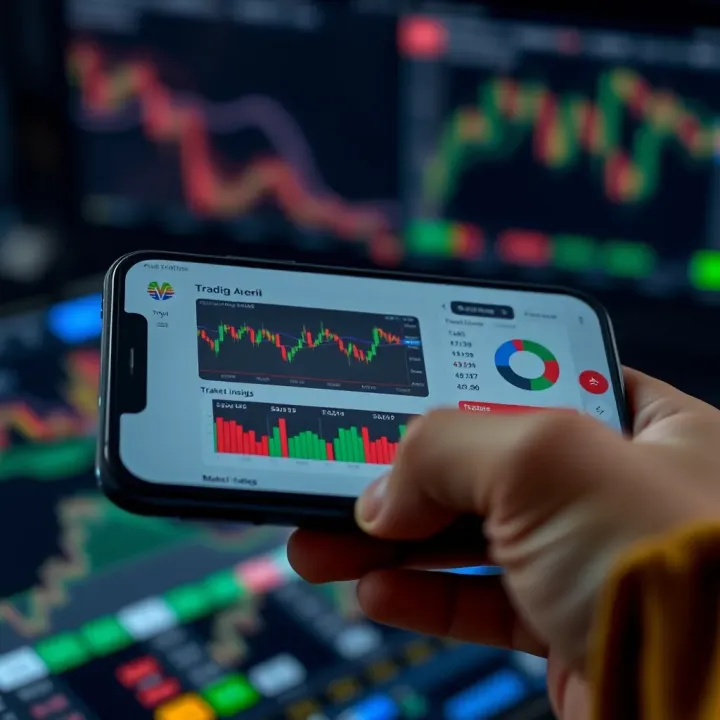
📈 Find the best trading app for Indian investors by exploring key features like security, fees, market access, ease of use, and customer support.
Based on 15 reviews