
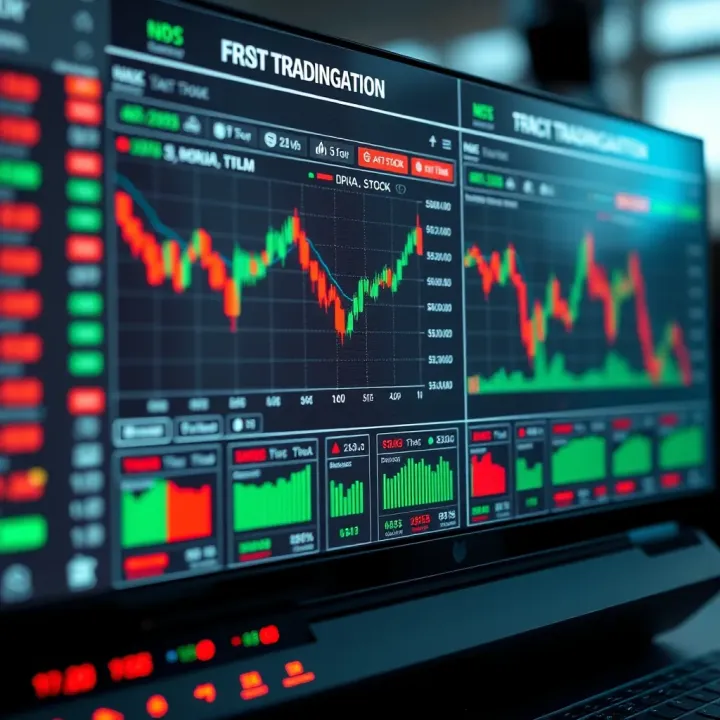
Understanding Online Paper Trading: A Practical Guide
Learn how online paper trading helps you practice stock investing risk-free 📈. Discover platforms, tips, and common mistakes for Indian investors 🇮🇳.
Edited By
George Mitchell
Paper trading has become a popular way for traders and investors to practise stock market strategies without risking real money. Particularly in India, where market swings can be sharp and unpredictable, paper trading offers a safe space to test ideas and gain confidence. But with several platforms available, choosing the best paper trading website requires understanding what features truly matter.
At its core, paper trading simulates real investing by allowing users to place virtual trades based on live market data. It helps you hone skills like timing, order placement, and portfolio management. For students and analysts preparing for exams or market careers, it bridges the gap between theory and real-world experience.
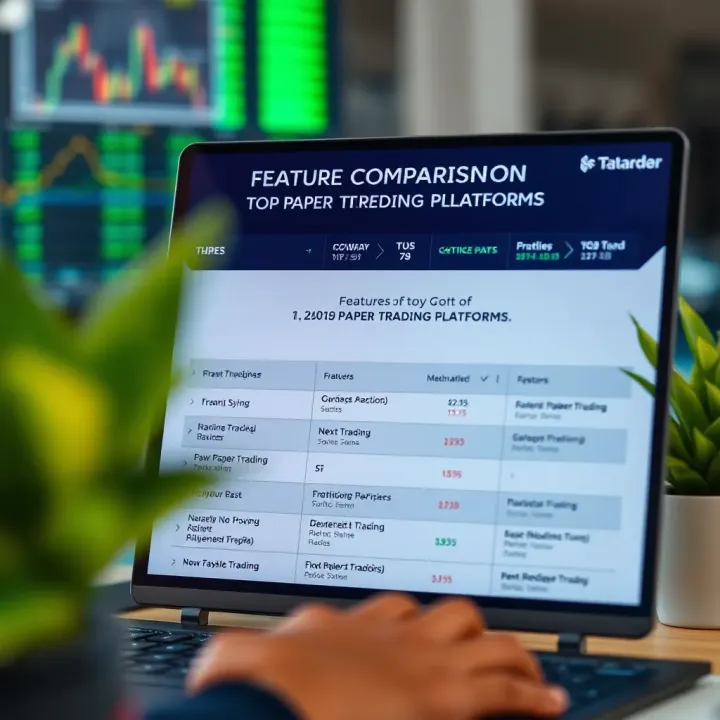
Virtual trading is only useful when your simulated environment closely mirrors actual conditions, so picking the right platform is key.
Here are some practical points to consider when selecting a paper trading website:
Data Accuracy and Timeliness: The platform must provide real-time or near real-time market data. Delays of even a few minutes can distort results.
Order Types and Execution: Look for websites that support various order types like limit, market, stop loss, and bracket orders, replicating actual trading.
User Interface: A clean, intuitive dashboard helps you track performance and manage trades efficiently.
Market Coverage: In India, having access to NSE and BSE stocks, as well as derivatives like options and futures, makes the experience comprehensive.
Learning Resources: Platforms offering tutorials, webinars, and strategy tools add value beyond just trading.
For example, a trader focusing on Tata Motors shares would benefit from a platform that updates NSE stock prices live and allows practising options strategies, since Tata Motors options are actively traded.
In the following sections, we'll discuss how to evaluate these features, list popular platforms tailored for Indian users, and share tips to maximise your paper trading experience.
Paper trading mimics actual stock market trading but without handling real money. Essentially, you buy and sell shares using virtual funds, allowing you to practise market moves without facing financial risks. Imagine gearing up for your first cricket match – you’d want some nets practice, right? Similarly, paper trading gives you a chance to hone your skills before playing the serious game.
This process uses real market data to track your trades as if they were live, helping you understand how prices fluctuate day-to-day. Many Indian trading apps, like Zerodha's Kite, have incorporated practice modes where you can simulate trades in equities, derivatives, or commodities with a virtual balance.
For beginners, paper trading is the ideal training ground. It teaches order placement, timing, and portfolio management without risking that first hard-earned rupee. For instance, a fresh investor unsure about how limit orders work can practise placing them multiple times until confident.
Experienced traders also benefit by testing new strategies or tools in a risk-free environment. Suppose an intraday trader wants to experiment with scalping techniques during volatile markets – paper trading helps them see outcomes without affecting their real balance.
Moreover, many investors use paper trading to understand the impact of brokerage charges, tax implications, and margin requirements without unintended costs. This hands-on experience builds discipline, lowers emotional biases, and helps shape realistic expectations.
Paper trading prepares you to deal with unexpected market twists without bearing financial losses, making it an invaluable stepping stone.
The Indian stock market operates through multiple exchanges like NSE and BSE, with unique products such as futures, options, and mutual funds. Paper trading platforms that integrate these elements offer a practical learning experience aligned with local market conditions.
For example, the volatility of sectors like IT or pharma during monsoon season can affect trade outcomes. Practising trades in such sectors on a paper trading platform familiar with Indian market hours and trading rules helps users adjust strategies effectively.
Plus, Indian traders face specific challenges such as understanding GST on brokerage, applying for tax-saving investments under Section 80C, and riding seasonal market trends like Diwali rallies. Paper trading tailored to these realities builds market familiarity and readiness.
Overall, integrating paper trading into your learning journey connects theory and practice smoothly, enabling you to master trading skills before stepping into the live market arena.
Choosing the right paper trading platform is key to making the most of your practice sessions in the stock market. The website must offer features that closely resemble actual trading conditions and empower you to learn effectively. Here, we look at some must-have essentials for a paper trading site, especially relevant to Indian traders.

The backbone of any paper trading website is the accuracy and freshness of its market data. Realistic data mirrors the live prices on NSE, BSE, and other exchanges, enabling you to make trading decisions that reflect current market sentiment. Without timely updates, your trades could be based on stale information, which defeats the purpose of simulating a real trading environment. For example, platforms like Zerodha Kite Practice Mode source data in real-time, which helps simulate actual price movements closely.
A good paper trading website should offer a wide range of financial instruments – equities, derivatives like futures and options, commodities, and currency pairs. This diversity lets you practice whichever segment you plan to trade in live markets. Investing only in stocks won’t prepare you for the complex strategies involving options or commodities. Upstox’s paper trading includes stocks, futures, and options, giving Indian traders a chance to explore multiple asset classes with no real capital at risk.
No trader wants to struggle with a clunky, confusing interface. A well-designed platform with an intuitive layout, easy order placement, quick access to charts, and technical indicators makes practising smoother and more productive. Consider tools for placing stop-loss or limit orders and features like bracket orders, which are popular in the Indian markets. TradingView’s paper trading stands out for its sleek charts and powerful analysis tools, helping traders understand price action with ease.
Beginners especially benefit when a paper trading website offers in-built tutorials, webinars, and community forums. These resources clarify trading concepts and provide real-time peer discussions that deepen understanding. Zerodha Varsity combines paper trading with comprehensive lessons, making it easier for learners to link theory with practice.
Indian traders often rely on mobiles more than desktops for trading. Hence, a paper trading website with a mobile app or responsive design is essential to practice on the go. This flexibility allows practising during commutes or breaks without needing a laptop. Upstox and Zerodha offer mobile apps with paper trading modes, ensuring you don’t miss out on market movements even when away from home.
A reliable paper trading platform closely matching real market conditions and user needs can sharpen your trading skills well before you put any capital on the line.
Prioritising these features will help you pick a paper trading website that not only mimics live trading but also suits your learning style and trading goals in the Indian market.
Choosing the right paper trading website helps Indian traders practise without risking real money. This section reviews key platforms popular among Indian users, highlighting their strengths and practical benefits. Understanding these options allows you to pick a platform that suits your trading style, goals, and learning curve.
Zerodha combines its educational platform, Varsity, with the Kite trading app’s practice mode. This duo offers a smooth learning experience for beginners and active traders. Varsity breaks down concepts clearly, while the Kite app lets you simulate trades using real NSE and BSE data. The platform's advantage lies in its realistic market conditions and easy integration with live trading once you gain confidence. For example, if you want to test intraday strategies on NSE stocks, the Kite Practice Mode reflects actual trading timings and price movements closely.
Upstox provides a practice trading feature within its mobile and web app, tailored for the Indian market. It covers equities, commodities, and currency derivatives, making it versatile for various trading interests. The interface is user-friendly, with live market snapshots and real-time order book simulation. One practical benefit: you can execute mock trades in segments, tracking order execution speed and slippage—which helps prepare for live market volatility.
TradingView offers a widely acclaimed charting tool coupled with paper trading functionality. Though international, it supports Indian stocks through NSE data feeds, making it relevant here. Traders benefit from advanced technical indicators and strategy backtesting before placing paper trades. If you rely on technical analysis or want to explore multiple asset classes, TradingView gives you a flexible sandbox. Its community forums also provide peer insights, which can improve your trading decisions.
Though global and US-focused, the Investopedia Simulator remains useful for Indian traders aiming to grasp basic trading concepts and portfolio management. It features a broad selection of stocks and ETFs, but lacks native Indian market coverage. It’s best for beginners who want risk-free practice with straightforward order executions. For example, users can experiment with diversification and watch how portfolio allocation affects returns over time.
Platforms like Thinkorswim by TD Ameritrade and Interactive Brokers provide extensive paper trading environments and global market access. However, their direct relevance to Indian traders is limited by interface complexity and delayed Indian market data. Still, advanced traders might find them useful for practising international trades alongside Indian markets. The key consideration is ensuring familiarity with these platforms’ functions, as they differ significantly from Indian broker interfaces.
Choosing a paper trading platform mostly depends on your trading objectives and comfort with the interface. Realistic data, ease of use, and educational support stand out as crucial factors for Indian traders when selecting a website.
To sum up, Zerodha and Upstox cater very well to Indian traders, offering native market access and practical features. TradingView adds value for technical analysis enthusiasts. Meanwhile, global simulators serve as supplementary tools rather than primary options in India.
By understanding these platforms, you can make informed choices that suit your trading ambitions and enhance your portfolio-building skills safely.
Paper trading can be much more than a simple practice tool—it provides an excellent way to sharpen your market skills without risking real money. However, to truly benefit, you need a clear plan and disciplined approach. Let’s break down how to make the most of paper trading to boost your confidence and competence.
Jumping straight into trades without a goal is like sailing without a compass. Define what you want to achieve with paper trading—whether it’s understanding technical indicators, practising order execution, or testing a new trading strategy. For instance, you might decide to focus only on intraday trades or options trading for a month. Clear goals help you stay focused and measure progress.
Accuracy matters if you want paper trades to reflect live market behaviour. Choose platforms that offer up-to-date market data and realistic trading scenarios. For example, practising during volatile sessions like the market opening or budget announcement days can prepare you for real challenges. Also, simulate conditions like liquidity constraints and slippage where possible to avoid getting a false sense of security.
Remember, the more realistically you simulate, the better prepared you become for live markets.
Keep a detailed journal of your trades including entry and exit points, rationale, and outcomes. Reviewing your mistakes helps identify recurring issues like premature exits or ignoring stop-loss signals. Many platforms offer analytics to track winning percentages, average returns, and drawdowns. Use these insights to refine your approach. For example, if you notice consistent losses in certain sectors, it may be time to deepen your sector knowledge or adjust your strategy.
Moving to actual trading can be daunting. Start small with real money, risking amounts you’re comfortable losing while you get used to emotional pressures absent in simulation. Stick to the strategies you proved effective in paper trading rather than making impulsive changes. Also, understand that live markets can be less forgiving—swift price movements and real execution costs mean results might differ. Gradually scale your trading size as confidence and experience build.
Following these steps makes paper trading a powerful tool to gain market know-how safely. Clear goals, realistic practice, honest review, and cautious entry into live trading set you on the path to becoming a clearer, smarter trader in the Indian markets.
Paper trading acts as a risk-free way to sharpen trading skills, but it comes with its own set of challenges. Recognising and tackling these hurdles will help you get the most authentic experience before stepping into live markets.
One major challenge is the lack of real emotional stakes. When you trade with virtual money, the psychological pressure that comes from risking your hard-earned cash is often missing. This can lead you to make riskier moves or overlook cautious strategies you would use in a live market. To counter this, try treating your simulated trades as though they involve real finances. Set strict limits on losses and gains to mimic your actual risk tolerance. For example, if you plan to risk ₹5,000 per trade in real markets, use the same cap even in paper trading. Keeping a trading journal and reviewing your decisions critically can also help develop emotional discipline over time.
It's easy to get carried away by profitable trades in a simulation. However, paper trading platforms cannot perfectly replicate slippage, liquidity constraints, or sudden news-driven volatility common in Indian markets. Overconfidence from simulated gains may tempt you to take bigger risks in live trading, which can backfire. To prevent this, treat paper trading results as indicative but not definitive. Use them to test strategies only, not as a promise of future profits. Also, consider testing your methods over different market conditions and longer periods rather than just short bursts of success.
Remember that the key goal of paper trading is to build process consistency, not just to chase quick profits.
Accuracy of real-time data is critical for effective paper trading. Some platforms may use delayed quotes or generic global data not tailored to Indian exchanges like NSE or BSE, which can mislead your trading decisions. Always verify if the paper trading website offers live or nearly live Indian market feeds. For instance, Zerodha's Kite practice mode uses close-to-real market data, making it more reliable for Indian traders. Also, check if the platform updates order book depth and volume information, as these play a vital role in decision-making. If the data is outdated or incomplete, your practice won't match real market dynamics.
By understanding these common challenges and actively managing them, you can make paper trading a more effective stepping stone towards successful live investments in Indian stock markets.
Learn how online paper trading helps you practice stock investing risk-free 📈. Discover platforms, tips, and common mistakes for Indian investors 🇮🇳.

Learn how to trade stocks risk-free with free online paper trading platforms 📈. Explore tips, benefits, and best sites for Indian market traders 🇮🇳.

📈 New to stock paper trading? Learn how to practice without risk, explore platforms, strategies, and tips tailored for India's market beginners!

Discover top online trading apps in India 📈. Learn key features, security tips, and find the best platform to suit your trading goals with ease.
Based on 14 reviews