

Choosing the Best Money Trading App in India
Looking for the best money trading app in India? 📱 Discover key features, security checks, and expert tips to pick the right platform and trade safely.
Edited By
Isabella Wright
Choosing the right trading app can make a big difference in your investment journey, especially in a country like India where digital trading has become the norm. Today, multiple apps compete for attention, each promising easy access to the stock market with quick executions and insightful data. But the thing is, not all apps suit every trader or investor equally.
Before you download an app, think about your trading style and goals. Are you a casual investor aiming to build wealth slowly, or an active trader following the market daily? Your needs will differ.
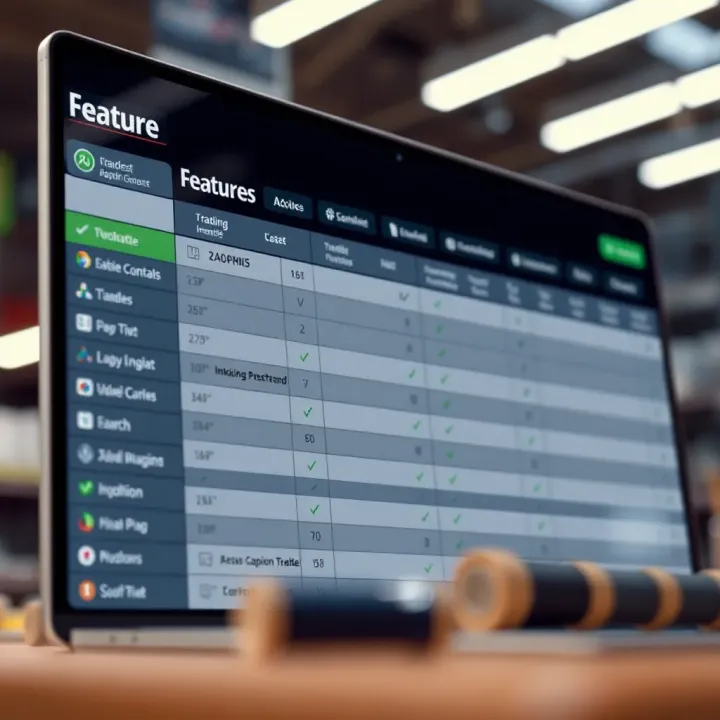
Some top trading apps in India include Zerodha Kite, Upstox Pro, Groww, and Angel One. Zerodha Kite leads in advanced charting tools and minimal brokerage, making it popular with seasoned traders. Groww is simple, user-friendly, and great for beginners focusing on mutual funds and stocks. Upstox Pro offers competitive prices and a clean interface. Angel One combines trading and advisory services, which might suit investors wanting additional guidance.
It's not just features that matter. Regulatory compliance and security should be your priority. The Securities and Exchange Board of India (SEBI) regulates all trading platforms in India, so always verify if the app is SEBI-registered. Also, check for two-factor authentication and data encryption to keep your funds and information safe.
Using a reliable and well-regulated trading app reduces risks and builds your confidence while entering the markets.
Look for these key features while choosing:
Ease of Use: Intuitive design and easy navigation saves time.
Brokerage and Fees: Compare charges per trade, and beware of hidden fees.
Market Data and Research: Real-time data, news updates, and expert views help you make informed decisions.
Order Types and Execution Speed: Quick execution and various order types like limit, stop loss can benefit active traders.
Customer Support: Responsive support ensures quick resolution of any issues.
Assess your preferences carefully. An app that works well with your strategy and offers a smooth experience can improve your trading results and lower your stress.
In the following sections, we will break down popular trading apps, regulatory insights, security tips, and practical advice to pick an app tailored to your needs.
Choosing the right trading app can seriously affect your investment results and overall trading experience. In India’s fast-growing financial market, a trading app needs to tick several key boxes to stand out. This section covers the most important features that can make or break your choice, focusing on what truly benefits Indian traders and investors.
Simple navigation and design are vital for smooth trading, especially for beginners. If you find yourself lost in complicated menus or unclear options, you might miss crucial trading moments. Apps like Zerodha Kite succeed by keeping their interface clean and straightforward, helping users place orders quickly without hunting for buttons. A clutter-free design reduces errors and keeps you focused on market moves.
Customisable dashboards add flexibility to your trading routine. You can choose which charts, watchlists, or news feeds appear right on the main screen. This suits those who prefer to track specific stocks or sectors closely while ignoring the noise. For example, Upstox Pro offers dashboards that you can rearrange depending on what matters most, making your trading more efficient.
Mobile responsiveness is non-negotiable today. Many Indians trade on mobile devices during their daily commutes or breaks. Apps must function smoothly on various screen sizes and internet speeds. An app that freezes or lags on a budget smartphone will only frustrate you. ICICI Direct’s mobile app, for instance, performs well even on mid-range devices, ensuring you don’t lose out due to technical glitches.
A trading app’s value increases with the variety of instruments it offers. The basics include equities, derivatives, and commodities, which most Indian apps provide. Being able to trade in equity shares, options, futures, or gold gives you diversification and the ability to use different strategies. Having these options is essential for active traders and investors alike.
Beyond that, access to mutual funds and other investment options broadens your portfolio without switching platforms. Many apps integrate direct mutual fund investments, letting you sip into SIPs (systematic investment plans) alongside equity trades. This combined approach suits investors who want a mix of safety and growth.
The availability of international stocks is a growing demand in India. Apps that facilitate trading in US or European shares allow you to tap global markets without opening foreign brokerage accounts. This aligns with the trend among affluent Indian investors seeking exposure outside India’s markets through platforms like Groww or ICICI Direct.
When it comes to brokerage rates, every trader knows the impact on profits. Lower brokerage can save you lakhs over years, but the cheapest app might skimp on other essentials. Look for transparent and competitive rates that match your trading volume. For example, Zerodha charges a flat ₹20 or zero brokerage on equity delivery, which suits frequent traders.
Account maintenance fees vary among apps — some charge annual fees or AMC for Demat accounts, while others waive it. If you’re a casual investor, high maintenance costs can erode returns. Choose apps that suit your trading frequency and check if they offer waivers or discounts.
Beware of hidden charges and their impact such as call-and-trade fees, delayed payment penalties, or transaction taxes not included upfront. These often slip under the radar and surprise investors later. Always review fee disclosure documents carefully and prefer apps with clear, upfront pricing.
Regulatory approvals from SEBI offer a reliable safety net. SEBI-approved brokerages follow rules designed to protect investors from fraud and unfair practices. Using an unregulated app can expose you to scams or misuse of funds, so verifying SEBI registration is indispensable.
Data protection measures also should not be overlooked. Trading apps handle sensitive details like PAN cards, bank accounts, and passwords. Apps that use end-to-end encryption and have defined privacy policies help prevent data breaches. Platforms such as Upstox and Zerodha invest heavily in securing customer information.
Lastly, two-factor authentication and login security add extra layers to safeguard your account. Receiving OTPs via SMS or using apps like Google Authenticator makes it tough for hackers to access your trading account even if passwords leak. Strong login security is a must-have, especially when large sums move in and out regularly.
In sum, a standout trading app in India balances ease of use, diverse investment options, cost-effectiveness, and strong security while complying with regulatory standards. Choosing wisely safeguards not only your money but also your peace of mind.
Considering the sheer number of trading apps available, knowing which ones stand out among Indian investors is vital. This section highlights top apps preferred in India, explaining their features and why they are trusted. The aim is to guide you towards platforms that combine usability, cost-effectiveness, and robust functionality.
Overview and key features: Zerodha Kite is a frontrunner in India’s trading app scene, celebrated for its clean interface and speed. It offers powerful charting tools and an intuitive dashboard that suits both active traders and long-term investors. The app supports multiple asset classes like equities, derivatives, commodities, and even mutual funds, catering to varied investment styles.
Brokerage structure: Zerodha uses a flat fee model, charging ₹20 per executed order for equity intraday and derivatives trades, while equity delivery trades carry zero brokerage. This approach suits frequent traders looking to save on fees without compromising access to a wide range of instruments.

Suitability for beginners and experienced traders: The app caters well to beginners with tutorials and a simple layout. Experienced traders appreciate the advanced tools and APIs for algorithmic trading. However, some novice users might find the extensive features overwhelming at first.
Platform highlights: Upstox Pro offers a fast and stable trading experience with a focus on technology. Its mobile and web platforms are packed with charting indicators and allow users to create custom layouts, making it a flexible option for dynamic traders.
Fee details: The brokerage charges are similar to Zerodha, with flat fees on intraday and F&O trades and no brokerage on delivery. This transparency helps traders manage transaction costs effectively.
Technology and charting tools: Upstox Pro features over 100 technical indicators and multiple chart types. These tools assist traders in executing informed decisions swiftly, particularly useful in volatile markets.
Bank-backed advantages: Backed by ICICI Bank, this app offers the convenience of seamless fund transfers and integration with banking services. Investors benefit from assured reliability and round-the-clock customer support, which adds a layer of trust.
Range of products: ICICI Direct provides an extensive product range including equities, mutual funds, IPOs, fixed deposits, and insurance, making it a one-stop solution for diversified investments.
User experience and support: While the app has a steeper learning curve due to its comprehensive features, its customer service helps users navigate challenges effectively. This makes it suitable for investors seeking all-in-one financial management.
Low-cost trading benefits: 5Paisa focuses on budget-friendly trading, offering some of the lowest charges in the market. It has zero brokerage for delivery trades, and flat fees on other trade types, ideal for cost-conscious traders.
App features: The app is lightweight and easy to navigate, with essential charting tools and quick order placements. It also offers thematic investment ideas which help users explore new sectors.
Target audience: 5Paisa appeals mainly to beginner and semi-active traders who prioritise low costs and simple functionality over extensive advanced features.
Choosing the right app depends on your trading style, budget, and comfort with technology. These apps provide solid starting points backed by their popularity and reputation among Indian investors.
Choosing the right trading app depends heavily on understanding your personal trading goals, the level and quality of support you need, and how the app performs technically. This section explains these important factors so you can make an informed choice.
Your trading style affects the kind of app that will suit you best. Day traders require quick access to live market data and fast order execution. They benefit from real-time charts and fast refresh rates so they don't miss short-term opportunities. For example, a day trader tracking Nifty futures will need a responsive app like Zerodha Kite or Upstox Pro.
In contrast, long-term investors focus more on portfolio management, research reports, and systematic investment plans (SIP). They may prioritise apps that offer mutual funds and advisory services, such as ICICI Direct. Understanding whether you want to trade frequently or invest steadily helps narrow down the right app features.
Research tools are vital regardless of style. Traders need up-to-date news, advanced charting tools, and fundamental analysis to make informed decisions. Access to comprehensive market data saves time and improves accuracy in choosing stocks or derivatives.
Advisory services come into play especially for beginners or those who prefer guided investing. Some apps provide expert recommendations or robo-advisory, helping users build balanced portfolios. This can be a big advantage when venturing beyond familiar equities.
Prompt helpdesk support is essential in trading, where time is money. If your app crashes or you face transactional issues, quick resolution from customer care avoids losses. Look for apps with 24/7 support via chat, call, and email.
Educational content like tutorials, videos, and articles strengthens user confidence. For instance, Zerodha’s Varsity offers detailed lessons on trading and investing concepts. Such resources help users understand market mechanics and use app features effectively.
Community forums and user reviews provide real-world feedback on app reliability and features. They expose hidden glitches or praise strong points, which official descriptions might skip. Reading these honest opinions can guide your selection.
Speed matters in trading apps. An app that lags during peak market hours can cause missed trades and financial loss. Reliability includes uptime and stability during heavy use. Choose apps proven to handle large traffic smoothly.
Regular updates improve security, add features, and fix bugs. An app updated often indicates active maintenance and responsiveness to user needs. Apps like 5Paisa and Upstox are known for continual upgrades.
Compatibility with your device is crucial too. Some apps may not run well on older smartphones or specific operating systems. Check minimum requirements and test apps on your mobile to avoid hassles during trading hours.
Selecting a trading app is not just about features but matching them to how you trade, the support you prefer, and the app’s technical stability. This ensures you trade confidently and without avoidable interruptions.
Regulation plays a major role in ensuring the safety and reliability of trading apps for Indian investors. When you pick an app licensed and overseen by proper authorities, you get some peace of mind that your money and data are protected. Without regulation, these platforms could operate without checks, increasing risks of scams or misuse of funds.
The Securities and Exchange Board of India (SEBI) regulates brokers and trading platforms handling securities transactions in India. Any trading app that offers access to stock markets must comply with SEBI's licensing norms. This means they need to register as brokers or intermediaries and meet capital adequacy, infrastructure, and reporting standards.
For you, this ensures that the trading app operates transparently and adheres to established rules. For example, Zerodha and Upstox are SEBI-registered brokers, so their apps meet these minimum standards. Using licensed apps reduces the chance of falling victim to unauthorised or illegal platforms that might vanish with your funds.
SEBI mandates brokerages to implement investor protection measures. These include maintaining client segregation of funds, timely settlement processes, and dispute redressal frameworks. Brokers also have to compensate investors in case of failures that cause financial loss.
An example is the Investor Protection Fund operated by stock exchanges like NSE and BSE, which provides partial compensation if a broker defaults. So when you deal through SEBI-regulated apps, you stand a better chance of recovery if something goes wrong. Such mechanisms increase trust and discourage malpractice within the trading ecosystem.
Data security is essential, as trading apps deal with sensitive personal and financial information. Secure apps use encryption techniques to protect data during transmission and storage. This prevents hackers from intercepting your login credentials, transaction details, or bank information.
For instance, many apps adopt Secure Socket Layer (SSL) and Transport Layer Security (TLS) protocols for internet communications. Without encryption, your data could be vulnerable on public Wi-Fi or mobile networks. When choosing an app, check if it mentions encryption or security certificates—it signals seriousness about protecting your data.
Trading platforms must also comply with privacy regulations like the Information Technology Act and, eventually, the proposed Personal Data Protection Bill. A clear privacy policy tells you how your data is collected, used, shared, and stored.
Look out for apps that offer transparency about third-party data sharing and give you control over permissions. Apps that fail to outline these details risk misusing your information or exposing it to unwanted parties. Reading user reviews and terms can reveal if an app respects privacy or disregards it altogether.
The rise of digital trading has attracted fake apps and scams targeting uninformed investors. Fraudulent apps may promise quick profits, charge hidden fees, or execute unauthorised trades. Red flags include apps not listed on official app stores, lacking SEBI registration details, or pushing aggressive marketing.
Before downloading, verify the app’s credentials, read genuine reviews, and compare with well-known brokerage platforms. Even trusted intermediaries caution investors to confirm an app’s authenticity before linking bank accounts or making payments.
If you encounter a suspicious app or face fraudulent behaviour, quick reporting can prevent further loss or harm to others. SEBI allows investors to file complaints online or through grievance mechanisms provided by stock exchanges.
Additionally, informing consumer forums, banking ombudsmen, or cybercrime cells helps authorities act fast. Keeping screenshots, transaction records, and communications handy strengthens your complaint. Prompt reporting not only protects you but also supports wider efforts to maintain a safe trading environment.
Choosing a SEBI-registered and security-compliant trading app is your first line of defence against fraud and data risks. Always verify before you invest and don't hesitate to report irregularities immediately.
Using a trading app is just part of the whole picture. To truly benefit, you need to manage risks carefully while looking for gains. This means being cautious with your initial investments, keeping an eye on costs, and securing your account against misuse. These steps help you avoid common pitfalls and build confidence over time.
Using demo accounts helps you get hands-on experience without risking actual money. Many trading apps in India, like Zerodha’s Kite or Upstox Pro, offer demo or virtual trading modes where you can practise buying and selling stocks with virtual funds. This is especially useful if you’re new to trading. It lets you understand order placement, watch market movements, and test strategies in real-time conditions without financial pressure.
Understanding market basics is crucial before you jump in. Learning about concepts like bid-ask price, market orders, limit orders, and how economic events affect stock prices can make a big difference. For instance, knowing how quarterly results influence stock prices allows you to anticipate volatility and plan your trades accordingly. You can pick up these basics through app tutorials, guides, or investment blogs.
Monitoring brokerage impact on your trades helps prevent surprises. Say you trade frequently on an app that charges ₹20 per trade; over 50 trades a month, this adds up to ₹1,000 just in brokerage. That eats into your profits, especially with small and medium investments. Comparing brokers’ fee structures and picking one with transparent, low brokerage makes a significant difference.
Evaluating cost vs benefit means looking beyond just brokerage fees. Some apps might charge a bit more but offer better research tools, faster execution, or reliable customer support. For instance, paying a higher fee at ICICI Direct might be worth it if you need integrated banking and investment services. Weigh these factors carefully to choose the app that suits your trading style and priorities.
Regular password updates are a simple but effective way to protect your account. Changing passwords every few months and using strong combinations reduces the risk of hacking. Also, avoid using the same password across multiple platforms. Many apps send prompts for password updates—don’t ignore them.
Using authorised devices limits access to your trading account. Logging in only from your personal mobile or secured desktop helps keep intruders at bay. Public or shared devices often have weak security and might save passwords without your knowledge. Enable two-factor authentication (2FA) where offered to add an extra layer of security.
Remember, cautious trading paired with security awareness protects both your money and peace of mind. Small steps in managing risk can prevent big losses in the future.
By following these practical tips, you can maximise your gains and keep risks under control through the trading apps you choose in India.
Looking for the best money trading app in India? 📱 Discover key features, security checks, and expert tips to pick the right platform and trade safely.
Find the best low brokerage trading app in India 📱. Compare fees, features, and security to trade smarter and save more on every investment.
Explore top low deposit trading apps in India 🔍 Learn benefits, risks, features & tips for smart investing with minimal funds in Indian markets 📈💸
Discover how to pick the best currency trading app in India with tips on features, security, regulation, and user experience for both beginners and experts 📱₹
Based on 14 reviews