
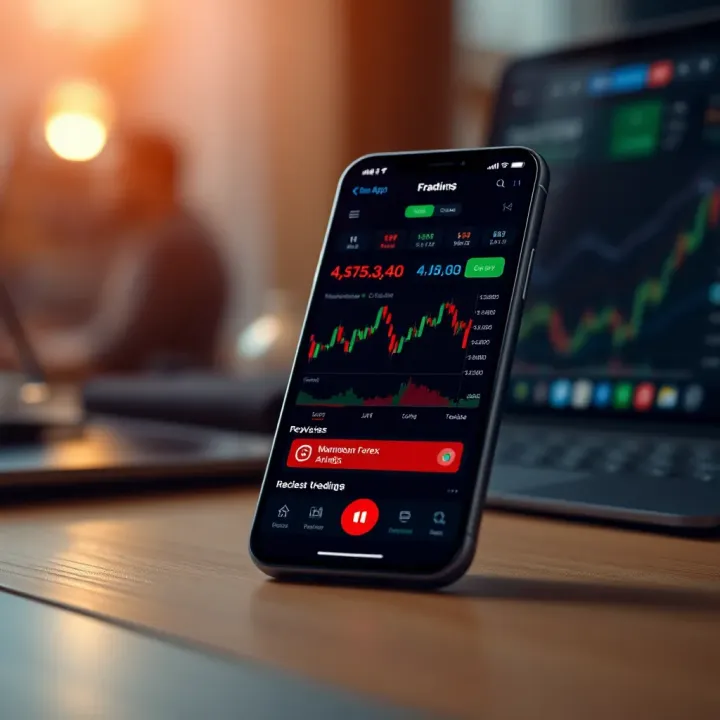
Choosing the Right Forex Trading App in India
Explore top forex trading apps for Indian users 🇮🇳 with key features, regulatory tips ₹, safety advice 🔒, and strategies to boost your trading success 📈.
Edited By
James Harper
Choosing the right forex trading app in India means understanding a few key factors right from the start. The forex market operates 24/7 and involves trading currency pairs like USD/INR, EUR/INR, or GBP/USD. Your app must be reliable, fast, and secure to handle this nonstop, real-time action.
First, Indian forex trading is regulated by the Reserve Bank of India (RBI) and the Securities and Exchange Board of India (SEBI). Only apps licensed and compliant with Indian regulations should be trusted. For instance, platforms like Zerodha and Upstox offer forex trading under SEBI’s watch, ensuring your trades are aboveboard and protected.
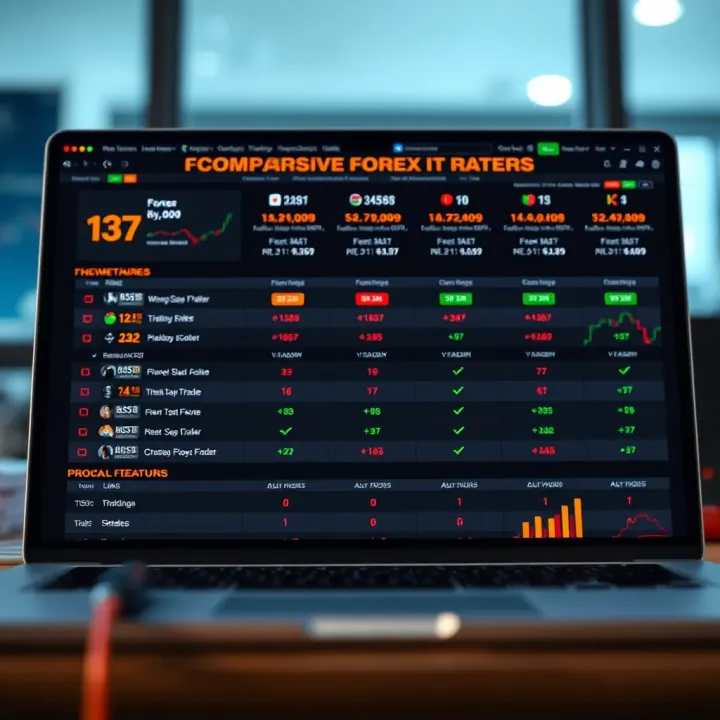
Next, look closely at the trading features each app offers. You want real-time quotes, a user-friendly interface, advanced charting tools, and swift order execution. A good app should also support multiple order types like market, limit, and stop-loss orders. For example, think of how Robinhood's clean interface appeals to beginner traders but might lack deep analytics for professionals. Then you have MetaTrader 4 and 5 apps, which offer extensive technical tools, suiting serious traders.
Security is critical. Apps must use industry-standard encryption and two-factor authentication so your account and money stay safe. Imagine logging into an app without additional safeguards; it’s basically leaving your wallet unlocked. Always check for these security features before committing.
Costs matter too. Compare spreads, commissions, and any hidden fees. For example, one app might offer zero commissions but charge wider spreads, impacting profitability. Another might have low spreads but hefty withdrawal fees. Understanding fee structures helps you avoid surprises.
Finally, customer support is often overlooked but makes a big difference. Whether you have a quick question or run into technical trouble, responsive support can save you time and money. Test this early by reaching out with a simple query.
Bottom line: Your ideal forex app should be regulated, packed with features, secure, cost-effective, and backed by solid support. Taking time to research these basics lets you trade confidently in India's fast-moving forex market.
Grasping the basics of forex trading within the Indian context is essential for anyone looking to dive into currency trading here. The Indian forex market isn't just an open playground; it operates under specific rules that shape what traders can and can't do. Recognizing these boundaries helps avoid legal pitfalls and ensures your trading approach suits the realities of this market.
India's forex market is tightly regulated, especially when it comes to currency pairs. Traders can only legally trade currency pairs involving the Indian rupee against a select basket of foreign currencies like the US dollar (USD), Euro (EUR), British Pound (GBP), and Japanese Yen (JPY). This restriction limits speculative trading on exotic pairs that are common in global markets but aren't permitted here.
For example, while a trader abroad might freely exchange Australian Dollar (AUD) against Canadian Dollar (CAD), such trades are usually off-limits for residents of India. Understanding which pairs are available helps traders pick apps that cater specifically to these pairs and avoid platforms that promote illegal trading.
The Reserve Bank of India (RBI) acts as the primary regulator overseeing foreign exchange trading. It enforces the Foreign Exchange Management Act (FEMA), which governs cross-border currency exchanges to maintain economic stability. Meanwhile, the Securities and Exchange Board of India (SEBI) monitors market activities, including forex-related investment products, to protect investors and ensure fair practices.
Apps and trading platforms must comply with guidelines set by both RBI and SEBI to operate legally. For instance, when choosing an app, knowing that it's approved by SEBI adds a layer of trust and aligns your trading activities with regulatory norms.
The law permits forex trading primarily for hedging and genuine business transactions, aside from limited currency pair trading, as mentioned. Speculative trading on foreign currency pairs outside of this framework is prohibited. This means Indian traders should avoid platforms offering unrestricted access to global forex pairs without proper licensing.
In practice, this limits trading to currency derivatives offered by recognized exchanges like the National Stock Exchange (NSE) and Bombay Stock Exchange (BSE). These exchanges provide currency futures and options that respect regulatory caps, making them a safer avenue to explore currency exposure.
Forex trading apps accessible in India must align with these regulatory standards to avoid legal issues. This entails strict Know Your Customer (KYC) checks, transparent fee structures, and adherence to transaction limits. Many apps now incorporate two-factor authentication and data encryption in response to compliance mandates focused on protecting user data.
Ignoring these regulatory frameworks can lead to trading on unverified platforms, risking fraud or loss of funds. Always pick apps registered with RBI or SEBI to ensure compliance and protect your investments.
Understanding forex trading in India means knowing your market's limits and the rules that keep it fair and secure. This knowledge helps you pick the right tools and stay in the clear legally, providing a solid foundation for your trading journey.

When picking a forex trading app in India, sharp attention to certain features can save you headaches later. These key features don't just make the experience smoother—they directly impact your trading results and security. A good app should balance usability with powerful trading functionality while keeping your money and data safe.
Ease of navigation is crucial, especially for traders who move fast or trade on the go. An app cluttered with buttons and hidden menus makes executing trades or checking balances a drag. For instance, apps like MetaTrader 4 offer straightforward layouts where the most-used functions—like order placement or chart viewing—are just a tap away. A simple, intuitive UI lowers the chance of mistakes during busy trading sessions.
Customization and tools let you tailor the app to your trading style. Whether that's adjusting chart views, setting up quick-order presets, or building custom alerts, having these options at your fingertips speeds up decision-making. Think of how TradingView’s app allows users to save chart templates and apply multiple technical indicators simultaneously—features that empower you to spot opportunities quicker.
Real-time quotes and charts are the backbone of successful forex trading. Updates delayed even by seconds can cost money when currency pairs swing fast. Look for apps that pull data directly from reliable exchanges or liquidity providers. Interactive charts with zoom and scroll features help analyze trends without juggling multiple screens.
Technical indicators and news updates keep you informed beyond just price movements. Tools like moving averages, RSI, or Bollinger Bands can flag potential buy or sell moments. Combined with up-to-the-minute news feeds, especially about geopolitical events or RBI policy changes, you can adjust your trades with confidence. For example, apps like Thinkorswim offer integrated news tickers alongside complex indicators, allowing traders to act on fresh info instantly.
Data protection and encryption ensure your private info and financial transactions don’t fall into the wrong hands. Top forex apps use end-to-end encryption protocols to secure data transmission. This means whether you’re on Wi-Fi at a café or using mobile data, your login credentials and trade details stay confidential.
Two-factor authentication and account safety add extra layers of defense beyond just a password. Many apps require a second verification step via SMS, authenticator apps, or email. This cuts down risks from stolen passwords or phishing attempts, which unfortunately happen quite a bit in the financial sector.
Availability and responsiveness of customer support can turn a potential disaster into a manageable situation. Imagine you spot an erroneous trade and need immediate help. Apps with 24/7 live chat or quick email responses, like those offered by Interactive Brokers, ease worries and keep trading smooth.
Tutorials, webinars, and learning materials are especially important for new traders. Reliable apps provide access to educational content that guides you through forex basics, app features, and advanced strategies. For instance, platforms like Forex.com include free webinars and step-by-step video guides, helping traders build skills gradually while navigating their app.
Picking the right app means balancing ease, tools, and security. Each feature plays a role to protect your investment and help make smart trades in an ever-shifting forex market.
Bottom line: prioritize apps that offer a clear interface, strong charting and analysis tools, rock-solid security, and solid customer support paired with good learning resources. These elements combined set the foundation for capable, confident trading in India’s restricted forex environment.
Choosing the right forex trading app plays a big role in how smooth and successful your trading experience will be. Popular apps available in India not only make trading accessible but also ensure compliance with Indian financial rules. Apps that follow regulations offer you safer transactions, legal protection, and reliable customer support.
Several apps stand out for their compliance with Indian regulations, including platforms like FxPro, IG Markets, and MetaTrader 4 (MT4) via authorized brokers. These apps provide robust features such as live price feeds, customizable charts, and automated trading options. FxPro, for example, offers a clean interface and several account types suited for different trader levels, while IG Markets focuses heavily on education tools alongside real-time market news.
These compliant apps typically offer transparency in trades, regular audits, and strict adherence to the Reserve Bank of India (RBI) and Securities and Exchange Board of India (SEBI) regulations. That means you can trade knowing your money and data are handled properly without the risk of running into illegal practices.
Besides compliance, supported currency pairs matter a lot. Most Indian-approved apps limit forex trading to major pairs like USD/INR, EUR/USD, and GBP/USD, leaving out more exotic pairs to stay within legal limits. Transaction limits are also enforced to prevent excessive risk; these vary by app but often include caps to protect less experienced traders from heavy losses.
Understanding each app’s commission structure is key to managing your trading costs. Some apps charge a fixed commission per trade, while others operate on a zero-commission model but include costs in spreads. For instance, IG Markets combines competitive commission fees with narrow spreads, making it a popular choice among cost-conscious traders.
Spreads and rollover charges differ as well. Spreads are the difference between the buying and selling prices, and lower spreads usually mean less cost on each trade. Rollover fees apply when you hold a position overnight — these can add up if you keep trades open for long periods. Apps like MetaTrader 4 give clear access to these fees, allowing traders to factor them into their strategies.
Real-life example: If you’re day trading the USD/INR pair, a tight spread of 1-2 pips could save you significant costs compared to platforms with spreads of 5 pips or more. That could add up to hundreds of dollars saved over several trades.
All this feeds into the bottom line. Knowing the fee structure helps you pick not just a reliable app but one that fits your trading style and budget, avoiding surprises later on.
Starting with a forex trading app in India means navigating some unique steps compared to other markets. It involves not only picking the right platform but also understanding the legal and procedural requirements developers have to meet. Getting your account up and running isn’t just a formality; it establishes trust between you and the platform, ensuring your trading activities comply with India’s strict forex regulations.
Documentation required: To open a forex trading account, you'll typically need to submit a few key documents. This includes proof of identity such as a PAN card or Aadhaar card, proof of address like a utility bill or bank statement, and sometimes a passport-sized photo. These documents confirm you're a legitimate user and help the platform adhere to regulatory rules.
Providing accurate documents isn’t just paperwork—it prevents delays and enables smoother transactions later on. For example, if you're using Zerodha’s Kite app, submitting these documents early fast-tracks your account activation.
KYC procedures: Know Your Customer (KYC) checks are a must under Indian law before you can start trading. This process verifies your identity to help prevent fraud and maintain market integrity. Most forex apps integrate KYC either digitally through Aadhaar-based e-KYC or require in-person verification.
It's common that KYC clearance can take anywhere from a few hours to a couple of days. Being proactive by submitting clear, correct documents speeds this up. Without completing KYC, you're typically locked out from depositing funds or making trades.
Accepted payment channels: Most Indian forex trading apps accept payments through several convenient channels. Common options include bank transfers (NEFT, RTGS, IMPS), UPI apps like Google Pay and PhonePe, and sometimes debit or credit cards. The exact array depends on the app; for instance, ICICI Direct supports both UPI and net banking, giving you flexible ways to fund your account.
Choosing an app with a wide range of payment options matters. It affects how easily and quickly you get money into your trading account. Plus, some methods might incur lower fees or exclusive benefits.
Processing times and charges: Deposit speed can vary widely. UPI transfers almost always happen instantly or within minutes, while bank transfers like NEFT may take a few hours or up to one business day. Withdrawals usually take 1-3 business days depending on the app's processing times and your bank's policies.
Fees also differ. Some platforms charge a flat fee per withdrawal or deposit, while others include a small percentage cost. Read these details carefully. For example, using Paytm Wallet might incur higher charges than direct bank transfers.
Bottom line: Understanding account setup, KYC, and payment logistics upfront saves headaches. It helps you start your forex trading journey on solid footing, makes funding your trades hassle-free, and keeps your transactions secure and legal.
Successful forex trading through mobile apps requires both smart strategies and caution. Following best practices can keep your investments secure and your trading effective, especially in the fast-paced and sometimes unpredictable forex market.
Using stop-loss and take-profit orders is a foundational practice in forex trading. These orders automatically close a position once it hits a certain price, limiting losses or locking in profits without constant monitoring. For example, if you buy EUR/USD at 1.10 and set a stop-loss at 1.08, the platform will sell your position if the price drops to 1.08, preventing further losses. On the flip side, a take-profit order at 1.12 would close the trade once your target gains are reached. These tools help prevent emotional decisions that often lead to bigger losses.
Avoiding over-leveraging is equally critical. Leverage allows traders to control larger positions with less capital, but it also magnifies losses. For instance, using 50:1 leverage means a $100 move could wipe out a $2 position quickly. Many Indian traders get tempted to ramp up leverage for bigger returns but end up losing more than they planned. Staying within moderate leverage limits, generally below 10:1, helps manage risk and preserves your trading capital over time.
Access to sources for timely information makes all the difference. Mobile apps that provide real-time news, economic indicators, and expert analysis keep traders ahead. Platforms like Bloomberg, Reuters, and Indian financial news outlets regularly update. For example, sudden changes in the USD/INR rate often link to RBI announcements or macroeconomic data. Being aware helps you avoid surprises and position yourself strategically.
Global events impact Indian forex trading significantly. Events such as U.S. Federal Reserve interest rate changes, geopolitical tensions, or oil price shifts ripple through currency markets worldwide. When oil prices rise, countries like India, which import most of their oil, might see currency weakening, affecting forex pairs like USD/INR. Understanding these connections means you can anticipate trends rather than react too late.
The rise of forex trading apps has unfortunately attracted fraudulent schemes. Recognizing fraudulent apps means looking out for unrealistic promises, lack of regulatory license disclosures, or suspiciously high returns. Genuine apps registered with Indian authorities or well-known international regulators like FCA (UK) or SEC (US) usually appear in app stores with verified reviews. If an app asks for personal data without proper KYC or offers bonuses too good to be true, it’s best to steer clear.
Protecting your personal and financial data is a must. Use apps that offer end-to-end encryption and two-factor authentication. Never share your login credentials or OTPs with others. For example, apps like Zerodha and Upstox provide robust security features that include instant notifications for account activity. Also, keep your phone’s OS and app updated to patch security vulnerabilities.
Bottom line: sticking to solid risk management, staying informed, and prioritizing security will improve your forex trading experience through mobile apps in India. These practices make your journey safer and more manageable in a market where quick decisions and fast responses matter.
Explore top forex trading apps for Indian users 🇮🇳 with key features, regulatory tips ₹, safety advice 🔒, and strategies to boost your trading success 📈.

Discover how to pick the best forex trading app in India 🇮🇳 with key features, safety tips, and platform comparisons for a secure and simple experience 🏦📈.
Looking to pick the right trading app in India? 📱 Get insights on features, costs, regulations & user experience to trade smart in the Indian market.
Discover how to pick the most trusted trading apps in India📱. Learn about security🔒, usability⚙️, regulations📜, and customer support for safe trading.
Based on 5 reviews