
Best Paper Trading Apps for Indian Investors
📱 Explore the best paper trading apps for Indian investors to practise stock trading risk-free. Find features, pros, cons & tips to trade smart before investing real money 💸
Edited By
Henry Morgan
Free paper trading lets you practise buying and selling stocks without using real money, simulating actual market conditions. This means you can test strategies and gain confidence before risking your hard-earned cash. For aspiring investors in India, especially freshers or those new to the stock market, paper trading offers a safe ground to learn the ropes and familiarise with trading platforms.
This practice comes through various platforms offering virtual portfolios funded with simulated money, typically ₹1 lakh or more. You can place orders, track profits or losses, and experience market fluctuations in real time. The idea is not just theoretical but hands-on, helping you build skills like timing, stock selection, and risk management.
Paper trading acts like a flight simulator for pilots – you get to practise without the risk of a crash.
In India, platforms like Zerodha’s Varsity, Upstox Pro, and Groww provide paper trading features either directly or through their educational tools. Choosing the right platform is key; it should offer a user-friendly interface, real-time data, and access to major exchanges such as NSE and BSE.
Benefits extend beyond safety. Paper trading sharpens decision-making under market pressures, allows experimentation with different investment styles (intraday, swing trading, long-term holding), and helps understand brokerage charges and order types without any real financial consequence.
To make your paper trading effective:
Treat each trade as if it involved real money, maintaining discipline.
Keep a trading journal to note down strategies and outcomes.
Review performance regularly to identify areas of improvement.
By incorporating paper trading into your learning curve, you reduce the chances of costly mistakes when you start trading for real. This guide will further cover how to choose platforms, overcome common challenges, and successfully transition from simulation to live trading in the Indian context.
Free paper trading offers a simulated environment where investors can practise buying and selling securities without risking real money. This approach is particularly useful for beginners and those testing new strategies, allowing them to understand market movements and trading mechanics safely before putting their capital on the line.
At its core, free paper trading mimics actual stock market operations but uses virtual money instead of real cash. Imagine a trader gets ₹5 lakh in virtual capital on a trading platform; they can execute trades exactly as in the real market, but any profit or loss is not real. This helps users experience the process of investing, from selecting stocks to managing portfolios, without financial exposure.
This simulation captures the essential features of trading, giving users hands-on practice. For instance, if you want to understand how sudden news affects stock prices, paper trading allows you to react and observe outcomes without waiting anxiously over potential losses.
The main distinction lies in the absence of real financial consequences. While paper trading replicates order placement and price movement, it does not carry the risk of losing actual money. This removes the emotional pressures traders face, such as fear or greed, which often influence decision-making in live markets.
However, this lack of real risk can sometimes lead to overly confident decisions. For example, a trader might take bigger risks during paper trading, which they wouldn't consider during real trading. Understanding this difference is vital to benefit from paper trading without developing unrealistic expectations.
Trading platforms providing free paper trading assign you a fixed amount of virtual funds to simulate investments. This capital works much like real money in managing buys and sells. For example, if Zerodha’s Kite offers ₹2 lakh in virtual funds, you can invest across various stocks without affecting your actual savings.
Using virtual capital helps you test different portfolio diversification ideas or trading strategies. You can see how investing ₹50,000 in IT stocks versus ₹50,000 in pharmaceuticals pans out over weeks or months, all without actual risk.
When you place orders in paper trading, the platform simulates execution based on current market prices and conditions. These orders usually process instantly or with minimal delay, replicating live market behaviour. Yet, some complexities like slippage or orders partially filled might be simplified or omitted.
Practising order placement helps you get familiar with order types such as market, limit, or stop-loss. For instance, you can experiment with placing a stop-loss order to limit downside risk without worrying about losing money.
Paper trading platforms update prices using real-time or near-real market data so you can track investments accurately. This ensures the simulation reflects actual market conditions, including price fluctuations, volumes, and indices.
Some platforms may show slight delays in data, but this usually doesn’t hinder learning. Keeping an eye on market movements through these platforms enables you to understand how news, events, and market sentiment impact prices, preparing you better for live trading.
Practising with free paper trading bridges the gap between theory and real-world investing. It builds confidence, sharpens skills, and reduces costly mistakes when you eventually trade with real money.
Free paper trading gives Indian investors a chance to practise stock market investments without risking real money. This no-loss environment suits beginners aiming to understand market dynamics and seasoned traders wanting to test fresh strategies.
Trying out different investment strategies with virtual money helps you identify what works before stepping into actual trading. For example, you might experiment with swing trading or value investing approaches on a paper trading platform. Since you are not risking real rupees, you can refine your methods without stress over losses.
This safe testing is especially useful during volatile periods. Suppose the Sensex swings wildly during a political event; you could explore how your strategy performs during such times in simulation. Without paper trading, testing in this way would mean risking actual capital prematurely.
Paper trading also helps decode how the market reacts to events and trends. By seeing simulated price movements, you gain a clearer sense of factors like volatility, liquidity, or order execution.
For instance, after demonetisation announcements, markets behave unpredictably. Using paper trading, you can watch and react without real consequences, gaining familiarity with market rhythms and typical investor responses.
Every trading platform has its quirks. Getting comfortable with user interfaces on popular Indian platforms like Zerodha Kite or Upstox Pro through paper trading reduces the learning curve when you trade with real funds.
This practice helps with order placement, navigating between option chains and derivatives, or setting stop-losses smoothly. Without prior exposure, novices might make mistakes like misplacing orders, leading to unwanted losses.
Charts and technical indicators guide many traders in decision-making. Paper trading lets you experiment with tools like moving averages, RSI (Relative Strength Index), or Bollinger Bands without financial consequences.
By practising how to read chart patterns or spot divergences, you can improve timing for entering or exiting trades. For example, you might notice how a crossover of two moving averages signals a buy opportunity during volatile market swings.
The emotional side of trading can be tough—fear of losses or greed during rallies often clouds judgement. Paper trading reveals these psychological traps in a risk-free setting.
When virtual gains suddenly dip, you learn how to manage anxiety or impatience. This early exposure is key to building emotional resilience, which real trading will definitely demand.
Emotional discipline is just as important as knowledge. Paper trading helps develop this crucial skill without burning a hole in your wallet.
Regular practice on a paper trading platform can sharpen your decision-making. Each simulated trade forces you to analyse market signals, weigh risks, and act quickly.
Over time, this hones your ability to stick with a plan or cut losses promptly. For example, you’ll learn when to trust your strategy despite short-term losses and when to adjust it based on ongoing results.
By considering these benefits, Indian investors can use free paper trading to strengthen their trading skills, build confidence, and prepare for the real market with a solid foundation.
Selecting the right free paper trading platform is key for budding investors. The ideal platform not only offers a realistic trading experience but also familiarises you with tools and market dynamics relevant to India’s financial ecosystem. Picking a platform with solid features and reliable data helps you build skills effectively before risking your hard-earned money.
Zerodha Kite: Zerodha Kite stands out for its user-friendly interface and seamless integration with Zerodha’s brokerage services. It offers virtual trading with real-time market data, enabling users to practise both equity and derivatives trading such as futures and options. For example, an investor trying out options strategies can simulate trades with live prices, gaining familiarity without financial exposure.
Upstox Pro: Upstox Pro offers a robust platform that suits both beginners and active traders. Its paper trading feature includes access to NSE and BSE stocks with real-time prices and charting tools. The platform allows users to practise placing various order types, which helps in understanding market orders, limit orders, and stop-loss orders, essential for managing risk.
Angel Broking: Angel Broking’s trading app also provides a virtual trading environment, focusing on a simple experience for new investors. One advantage is the introduction of artificial intelligence tools within the platform that offer trading suggestions based on simulated performance. This practical touch helps users refine their strategies and spot common pitfalls early.
Real-time market data: This is perhaps the most critical feature in a paper trading platform. Access to live or near-live price updates helps replicate real trading conditions closely. Without it, practising could become misleading as delayed data fails to reflect true market movements, impacting decision-making and strategy testing.
Ease of use: A complicated interface can discourage beginners. Platforms should offer intuitive navigation, clear options for placing orders, and helpful charting tools that make it easier to analyse trends. For instance, Zerodha Kite’s clean layout helps new users focus on trading ideas rather than figuring out the platform.
Access to multiple asset classes: Investors often want to try different instruments such as stocks, derivatives, or mutual funds. A platform offering access to these classes in simulation lets users diversify their practice and better understand how various markets operate. Upstox Pro, for example, allows practising across asset classes with real-time insights.
Data delays on some platforms: Not all platforms provide instantaneous pricing. Delays of a few seconds to minutes can impact trade outcomes during volatile market phases. Such latency makes it tricky to trust certain strategies, especially intraday ones, since price slippage is not accurately reflected.
Limited order types: Some paper trading services restrict order types to basic ones like market or limit orders. This limitation prevents practicing complex strategies such as bracket orders or trailing stops, which are important for risk management in real trading.
Simulated market conditions: Paper trading can’t fully mimic the emotional aspects and sudden liquidity changes of live markets. For example, order fills in a simulation happen instantly and without slippage, unlike live markets where execution varies. This might lead to overconfidence if one takes simulated results at face value.
Choosing the right platform thoughtfully allows Indian investors to maximise learning while avoiding common traps in simulated trading. Always factor in key features against the platform’s limitations to match your personal goals and trading style.
Paper trading is more than just practising trades without risking real money; it's about deliberately honing your skills and building a strong foundation for actual investing. To make the most out of free paper trading, you need to approach it with purpose and structure. This means setting clear goals, tracking your progress, and gradually challenging yourself with more complex strategies.
Defining investment objectives is the first step towards productive paper trading. You might aim to build a diversified portfolio, focus on short-term gains, or practice long-term investing strategies. For instance, if your goal is wealth accumulation over 10 years, your trades should reflect a buy-and-hold strategy with stable blue-chip stocks. Without clear objectives, it’s easy to drift aimlessly, learning little from your simulated activity.
Choosing suitable trading styles that fit your personality and goals is equally important. If you prefer quick decision-making and active involvement, day trading or swing trading might be your choice. Conversely, if you want to understand fundamental analysis, paper trading with a focus on value investing can be more relevant. For example, exploring swing trades in volatile small-cap stocks during simulation teaches you risk control, while long-term investing helps comprehend market cycles.
Using journal entries can significantly improve your learning curve. Document every trade, noting why you entered or exited, your expectations, and emotions involved. This practice reveals patterns in your decision-making and highlights recurring errors. Imagine you repeatedly exit profitable trades early out of fear; journaling makes this behaviour visible and helps correct it.
Reviewing trades regularly ensures you don’t repeat the same mistakes. Set weekly or bi-weekly sessions to analyse your trade outcomes against your goals and strategies. For instance, if you observe that certain technical indicators fail on specific stocks, you can adjust your approach rather than blindly relying on those signals.
Including derivatives such as options and futures into your paper trading portfolio prepares you for advanced market instruments. Indian traders often hesitate with derivatives due to perceived complexity, but simulated trading offers a safe environment to learn contract specifications, margin requirements, and expiry dynamics without financial loss.
Trying advanced order types like stop-loss, bracket orders, and MIS (Margin Intraday Square-off) orders familiarises you with risk management tools. For example, practising stop-loss orders in volatile stocks like cryptocurrencies or intraday trades prevents big losses and trains your discipline. Handling these orders in paper mode helps you gain confidence and understand platform mechanics before real money comes into play.
Maximising learning from free paper trading requires a mix of clear goals, diligent tracking, and gradual exposure to advanced tools—this disciplined approach separates successful investors from casual beginners.
Paper trading offers a risk-free environment to learn stock market investing, but relying solely on it has practical limits. Recognising these challenges helps you better prepare for the jump into real investing, especially in volatile markets like India’s.
In paper trading, since you're using virtual money, the stakes feel low. This absence of real financial risk means you might take trades without fully considering the consequences. For example, a loss of ₹50,000 on paper hurts only on screen, not in your bank balance. This can lead to a trading style that is more aggressive or less disciplined than what is sustainable with actual money. Real money investment demands careful capital allocation and risk control, which paper trading might not fully teach.
When real money is involved, emotions such as fear, greed, and anxiety affect decisions. Paper trading lacks this emotional intensity. For instance, a trader might hold a losing position hoping to recover in simulation but would likely exit quickly in live markets to avoid real loss. Emotional responses can cause hesitation or rash moves in live trading—hard to replicate in paper trading. Understanding this emotional gap is crucial before moving to real money investing.
Good simulated results can boost confidence, sometimes beyond what is justified. If you win consistently on paper markets without real risk or slippage, it can create an inflated belief in your skills. This may lead you to take bigger positions or ignore market warnings when switching to live trading. Overconfidence often results in costly mistakes once real money is on the line.
Without financial loss, it’s easy to overlook risk controls like stop-loss orders, position sizing, or diversification. A paper trading system might allow you to hold risky bets without penalty, leading to poor habits. Ignoring risk management in real markets can quickly drain your capital, so practising these consistently during paper trading is essential.
Approach paper trading with the same discipline as live trading. Set clear goals, follow your strategy, and record trades honestly. This mindset conditions you for real market behaviour and avoids the trap of casual or inconsistent practice. For example, if you treat paper trades casually, you risk forming unrealistic expectations about speed, execution, or outcomes.
Ensure your simulation reflects real market conditions, such as including transaction costs, slippage, and realistic order fills. Many platforms simplify these factors, but ignoring them can give a false sense of profitability. Including such constraints teaches you to manage costs and understand potential delays, preparing you better for actual trading.
Remember, paper trading is a valuable tool but only one step in investor development. Awareness of its limits helps set the right expectations and prepares you for the realities of live market investing.
Moving from paper trading to real investing is a significant step for any trader or investor. Paper trading helps build confidence and sharpen skills without risking actual money, but transitioning to live markets introduces real financial stakes and emotions. This shift demands a thoughtful approach, clear readiness, and sound risk management.
Confidence in consistent results is the strongest sign you're ready to begin live trading. If your paper trading strategy shows regular gains over several weeks or months, it suggests solid understanding and execution. However, consistency is key — a few lucky trades won't prepare you well. For instance, if you have tested your approach on Zerodha Kite’s paper trading over a period of three months and observed steady growth while managing losses, you can consider starting real investments cautiously.
Understanding market risks means recognising that real markets expose you to sudden news, liquidity shortages, and emotions you can't simulate. Unlike paper trading, where mistakes don't cost money, live trading means facing potential losses for your missteps. Knowing this helps you keep expectations realistic. For example, even a sound trading plan can suffer during unexpected events like RBI policy announcements or geopolitical tensions, so prepare mentally and financially for such scenarios.
Using low capital amounts initially is practical to limit potential losses while gaining real experience. Instead of investing ₹5 lakh straightaway, you might start with ₹50,000 or ₹1 lakh, learning how real trades pan out under actual market conditions. This approach allows you to experiment without jeopardising your financial safety.
Employing stop-loss and limits is vital to control downside risks effectively. Stop-loss orders automatically sell your shares when prices dip to a certain level, preventing heavy losses. Similarly, limit orders help you buy or sell at a desired price. For instance, if you buy Tata Motors at ₹400 and set a stop-loss at ₹380, your system will automatically sell if the price falls below ₹380, saving you from deeper losses.
Keeping a trade journal helps track your decisions, successes, and failures in live trading. Note down entry and exit points, rationale behind trades, and emotional states during execution. Reviewing these notes regularly refines your strategy over time. Many Indian traders share that maintaining a journal provided insights into recurring mistakes and behavioural biases.
Accessing educational resources after starting real trades remains essential. Markets evolve, new regulations like changes in GST or SEBI rules come into play, and trading tools get upgraded. Leveraging online courses, webinars, and market analysis portals from platforms like NSE India or BSE India helps you stay ahead and adapt strategies accordingly.
Transitioning to real trading is more about mindset adjustment than skills alone. Start small, manage risks well, and never stop learning to build a sustainable investment journey.
📱 Explore the best paper trading apps for Indian investors to practise stock trading risk-free. Find features, pros, cons & tips to trade smart before investing real money 💸
Practice stock trading risk-free with top Indian paper trading sites 📝. Explore features, benefits, and effective tips to boost your skills before investing real money.
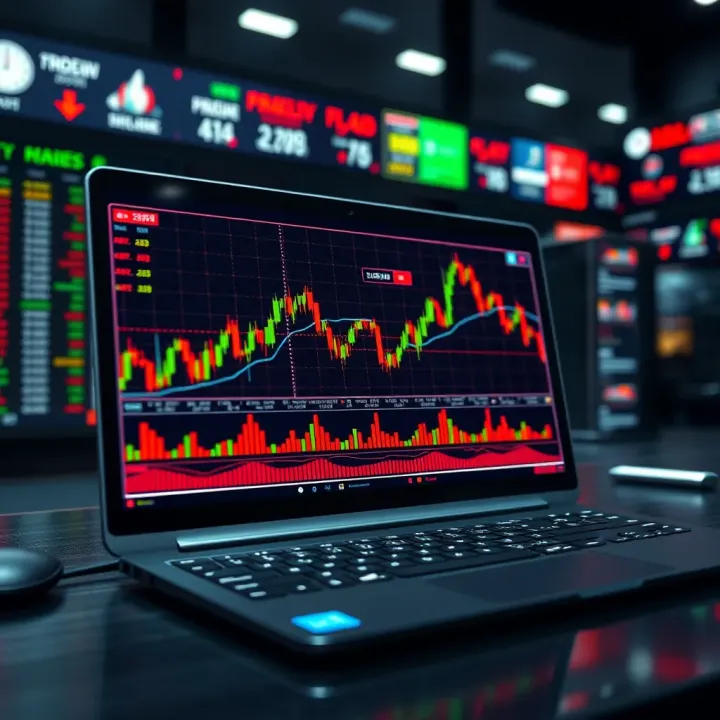
📈 Discover the top Indian-friendly platforms for paper trading to practise stock market skills risk-free. Compare features, ease of use, and pick one to match your trading goals.
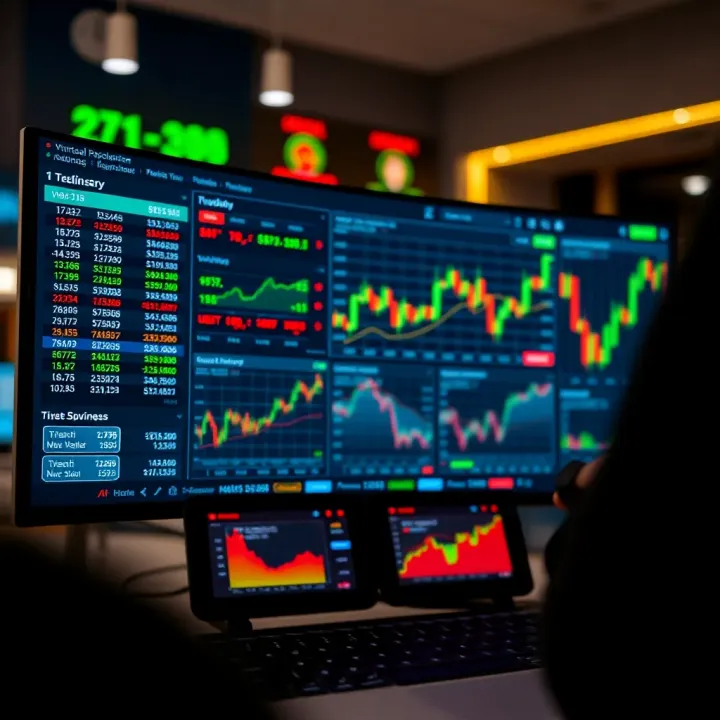
Learn how to trade stocks risk-free with free online paper trading platforms 📈. Explore tips, benefits, and best sites for Indian market traders 🇮🇳.
Based on 5 reviews