
Choosing the Best Paper Trading Website
Learn how to choose the best paper trading website 📈 to practice stock market trading safely. Compare features, platforms, and tips tailored to the Indian market.
Edited By
Elizabeth Turner
Paper trading offers a risk-free way for Indian investors to test stock market strategies before putting real money on the line. It simulates live market conditions using virtual money, helping you grasp market dynamics, improve timing, and refine your approach without financial pressure.
Selecting the right paper trading platform matters because it influences your learning curve and trading confidence. Not all platforms cater well to Indian market specifics like NSE and BSE stock data, intraday or delivery options, or offer accessibility in multiple formats such as mobile apps or web portals.
When choosing a paper trading platform, keep an eye on these key features:
Real-time market data: Accuracy and timeliness of price updates affect how closely your practice matches actual trading.
User-friendly interface: Intuitive design helps maintain focus on strategy rather than technical hurdles.
Portfolio tracking and detailed reports: These provide insights on your trades, helping you identify strengths and weaknesses.
Order types and flexibility: Platforms mimicking real trading options, such as limit orders, stop loss, and intraday positions, offer a better learning ground.
Access to Indian markets: Since India’s ecosystem can differ from global markets, availability of NSE, BSE, and sector-specific instruments is a must.
Unlike just reading about markets or watching videos, paper trading forces you to make decisions under simulated pressure, speeding up your learning.
Look for a platform that suits your current skill level and goals. Beginners might benefit from simplified tools with educational support, whereas experienced users could prefer advanced charting, technical indicators, and customisation.
By choosing a reliable paper trading platform focused on Indian market realities, you save money, build confidence, and reduce common beginner mistakes before stepping into live trading. The following sections will compare popular options and offer tips on maximising your paper trading experience.
Paper trading represents a critical step for anyone keen to sharpen their investment skills without risking real money. This practice lets traders simulate buying and selling securities using virtual funds, replicating market conditions. It's like a flight simulator for investors — you get to test your moves before actually taking off in live markets.
At its core, paper trading is a simulated trading experience. Rather than using actual rupees, users trade with virtual money on platforms that mimic real market actions. The main goal is to practice strategies, understand market behaviour, and learn order execution without financial risk. For example, a fresher who has just cleared their CA Intermediate might start paper trading before putting money into Sensex or Nifty stocks.
Unlike live trading, paper trading doesn’t involve real capital or emotions linked to gains or losses. Trades executed do not affect real portfolios or market prices. The prices shown usually align closely with the actual market, whether live or delayed data, depending on the platform. However, transactional nuances like slippage or liquidity issues might not reflect in simulations, which is a key difference.
Risk-free learning is among the biggest advantages. New investors can get familiar with trading platforms like Zerodha's Kite or Upstox’s virtual trading without the fear of losing money. It is especially helpful for those who need to understand how to place orders correctly — limit orders versus market orders, stop-loss placements, or options contracts — all without risking a single rupee.
Another practical use is testing strategies. Say you're planning to use a technical indicator like the Moving Average Convergence Divergence (MACD) or Relative Strength Index (RSI) on NSE stocks. Paper trading gives you the space to try out these tools against historical or live market data. This helps refine your approach before committing funds, avoiding costly trial-and-error in live markets.
Finally, paper trading aids in building confidence. Many traders hesitate to enter real markets due to fear of losses. Regular simulated trading helps acclimate to market ups and downs. Over time, you develop discipline to stick to your trading plan, manage emotions, and improve decision-making. For instance, a trader practising daily on NSE’s virtual platform becomes comfortable with volatility swings before investing ₹1 lakh or more in actual shares.
Paper trading is like rehearsing for a play—the better you practice, the smoother your performance when the spotlight is on actual investments.
In summary, understanding paper trading and its benefits sets the foundation for informed, confident entering into live trading, reducing costly mistakes and sharpening skills in the Indian stock market context.
Choosing the right paper trading platform involves more than just picking one that looks good. It’s about finding features that suit your trading style and help sharpen your skills effectively. Key aspects include the quality of market data, platform responsiveness, user interface design, and the range of available financial instruments. These factors directly impact how realistic and useful your simulated trading experience will be.
Importance of live or delayed data: Reliable market data is the backbone of any paper trading platform. Real-time data or data delayed by just a few minutes helps reflect market behaviour accurately. For instance, if you trade on NSE stocks, the platform should offer data with minimal delay to mirror actual price movements closely. This realism makes your practice trades more meaningful, enabling you to understand volatility and price swings as they happen in real markets.
Impact on strategy testing: The speed at which your order executes in a simulation is also key. If execution is delayed or unrealistic, it might mislead you about the effectiveness of your strategies. For example, some platforms show instant fills at the last traded price, which rarely happens in actual markets due to order books and liquidity. Testing strategies requires seeing how quickly orders get matched or get rejected, which helps you adjust your entry and exit points more realistically.
Navigation and design: A clean, intuitive interface reduces the learning curve and keeps you focused on trading rather than puzzling over menus. Good platforms organise charts, watchlists, and trade entry options logically. Imagine easily setting stop-loss orders or switching between multiple charts on a single screen—this matters when you want to learn fast and efficiently.
Accessibility on mobile and desktop: Given the busy lives most traders lead, having both mobile and desktop access is a boon. For example, platforms like Zerodha Kite offer apps and web versions so you can practice on the go or from your laptop. Smooth transitions between devices ensure uninterrupted practice and help build consistency.
Stocks, derivatives, commodities: Paper trading isn't just about stocks. Platforms offering trading in derivatives like futures and options or commodities such as gold and crude oil provide a broader practice field. This variety lets you test strategies specific to each market segment.
Relevance to Indian markets: Since Indian markets differ in regulation and product availability, ensure the platform supports instruments traded on NSE, BSE, and MCX. For example, practising options trading on a platform that doesn't reflect Indian expiry cycles or contract specifications can lead to misleading results.
Charting and analysis tools: Detailed charting with technical indicators is essential. Platforms that provide tools like RSI, MACD, Bollinger Bands alongside drawing tools let you study trends and signals more deeply. This helps refine entry and exit decisions.
Risk management options: Features such as simulated stop-loss, target setting, and trailing stops help develop habits that protect capital in live trading. For example, knowing how to set a trailing stop on a volatile script before real money is on the line builds discipline.
Performance tracking: The ability to track trade history, winning ratios, and P&L over time gives insight into progress. Some platforms generate reports breaking down your strategy’s success rate across different market conditions, which is invaluable for fine-tuning your approach.
Choosing a paper trading platform with these core features ensures your simulation closely mimics live market conditions, making your practice time efficient and effective.
Selecting the right paper trading platform is key to sharpening your trading skills without risking real money. For Indian investors, platforms tuned to the local market environment bring practical advantages—realistic stock selections, up-to-date data, and regulatory alignment. This section highlights popular platforms that stand out for Indian users, showing what each offers and where they might fall short.
Zerodha's Varsity is well-known for its comprehensive trading tutorials, while Kite Demo offers a smooth paper trading experience with a clean interface. Kite's demo platform replicates live market conditions closely, letting users test strategies on real-time data for Indian stocks. Navigating the platform is straightforward, even for freshers, and it supports multi-chart views, handy order types, and portfolio tracking.
While Zerodha’s ecosystem excels in usability, the demo has limits. It does not support futures and options in the demo mode, which some active traders might find restrictive. Also, unlike live trading, execution speed and slippage don't perfectly simulate real scenarios, which traders should keep in mind.
Upstox Pro's user interface is sleek and intuitive, making it a favourite among many young traders. The virtual trading setup mimics the real-time Indian stock market environment, ensuring the layout and trade execution processes are consistent with what users would face in live markets. This consistency helps users grow comfortable with Upstox's tools and order systems before risking capital.
The major benefit is its close alignment with actual market data on NSE and BSE, offering timely updates on stocks, commodities, and currency pairs popular in India. However, virtual trading on Upstox sometimes involves delayed order confirmations, which can slightly distort strategy testing but usually doesn't impact basic learning.
Interactive Brokers provides access to Indian stocks along with global markets. Traders looking to diversify may find the platform valuable for practising on international shares alongside domestic ones. The paper trading account supports complex order types and automated strategies, ideal for experienced investors exploring multi-market exposure.
Thinkorswim by TD Ameritrade offers a rich suite of analytics and charting tools with paper trading to match but primarily focuses on US markets. Indian traders who want deep technical analysis will benefit here, however, access and seamless Indian market integration remain limited.
When opting for global platforms, Indian traders must consider regulatory compliance, currency conversion costs, and time zone differences affecting market hours. While these platforms can add value, their usability for practising purely Indian market strategies might not be as straightforward as local alternatives.
Choosing a paper trading platform that balances ease, data relevance, and available instruments helps build confident trading habits before stepping into live markets.
Paper trading offers a valuable way to sharpen your trading skills without risking real money, but to truly benefit, you must use it effectively. Setting clear objectives, tracking your moves closely, and knowing when to move to live trading all play a big role in making paper trading a worthwhile exercise.
Starting with clear learning goals helps you focus your practice and get the most from paper trading. For example, you might aim to understand how market orders work or to test how specific technical indicators perform during volatile sessions on the NSE or BSE. Solid goals prevent aimless clicking and make your practice purposeful, especially when handling Indian market dynamics like intraday volatility or holiday impacts.
Using paper trading to develop a trading strategy allows you to experiment without financial risk. You could try building a momentum-based approach for popular stocks like Reliance Industries or Tata Motors and see if it holds up over several weeks. Testing entry and exit rules helps refine strategies before committing real capital, saving you from costly mistakes later.
Modern paper trading platforms often come with analytics that summarise your performance, including win rates, average returns, and risk metrics. Using these tools can reveal patterns about what works and what doesn’t. For instance, if you notice consistent losses on options trades but profits in equities, it gives a clear hint to stick to your strengths or learn more about derivatives.
Regularly reviewing your trades helps spot errors like overtrading, not cutting losses, or ignoring stop-loss rules. When you track your trade history and reasons for each entry, you can pinpoint exactly where things went wrong. This self-awareness builds discipline, which is critical since emotional discipline often separates successful traders from the rest.
Knowing when to move from paper trading to live markets is tricky but essential. Generally, when your strategies generate consistent gains and you feel confident analysing market moves without second-guessing, it's time to switch. Starting with smaller amounts can ease you into the psychological pressure of real trading.
Paper trading lacks real emotional pressure since no actual money is involved. When moving to live trading, expect feelings like fear, greed, or hesitation to influence your decisions. Preparing for these emotions through mindfulness, setting limits, or even practising with small real trades can help you handle stress and avoid impulsive mistakes.
Paper trading is not just practice; it’s a stage to build habits and confidence. Make sure to set goals, study your performance, and prepare mentally before taking the plunge into real markets.
Using paper trading effectively builds a strong foundation. Take your time, stay disciplined, and you’ll find the transition to live trading much smoother and more rewarding.
Navigating paper trading involves hurdles that can affect how effectively you learn before stepping into live markets. Being aware of these challenges helps you manage expectations and sharpen your approach. Two notable issues stand out: the lack of emotional pressure and limitations related to data accuracy. Both influence your preparation and require specific strategies to overcome.
One significant gap between paper trading and live trading is the absence of real emotional stress. When you trade with virtual money, it’s easy to treat trades casually because no actual loss happens if a position goes south. This difference can lull traders into a false sense of security, which won’t hold up in live markets where emotions run high.
For example, a trader using paper trading to test options strategies might risk big because there is nothing at stake. However, the same person may hesitate or make poor decisions when real money is on the line. This emotional gap skews learning and impacts how reliably your strategies will perform once live.
To build discipline, try simulating real conditions as much as possible. Set limits for yourself on position size and risk percentage even in the demo account. Practice maintaining a trading journal to record your thoughts and feelings during each trade, which helps build emotional awareness. Also, impose consequences—for instance, reducing your ‘virtual bankroll’ manually when reckless trades occur. Such self-imposed rules can bridge the emotional gap and cultivate habits you’ll rely on later.
Paper trading platforms often use delayed or slightly inaccurate market data to reduce costs or due to technical constraints. Delayed data means the price updates appear a few seconds or minutes late compared to the live market, which can affect entry and exit points in fast-moving Indian equities and derivatives.
For instance, a trader practising scalping on a delayed data platform may develop strategies that don’t work in live trading because of lag, leading to frustration and disappointing results. It’s crucial to know what kind of data a platform offers before committing to it.
Choosing reliable platforms is about more than just data speed. Look for those tied to well-regulated brokers like Zerodha or Upstox, which often provide demo environments reflecting near-live conditions. Platforms should also handle order execution realistically, reflect brokerage fees if possible, and offer sound risk-management tools.
Always test a few trades and compare run-time market prices manually or against other sources to verify accuracy. User reviews and recommendations from Indian trading communities can also guide you toward dependable platforms.
Handling these challenges head-on improves your readiness for live trading, making paper trading a genuinely valuable step instead of a misleading rehearsal.
By recognising these common pitfalls and actively working to navigate them, you can maximise the learning benefits paper trading offers. Discipline and data quality matter just as much as strategy.
Learn how to choose the best paper trading website 📈 to practice stock market trading safely. Compare features, platforms, and tips tailored to the Indian market.
Learn how online paper trading helps you practice stock investing risk-free 📈. Discover platforms, tips, and common mistakes for Indian investors 🇮🇳.
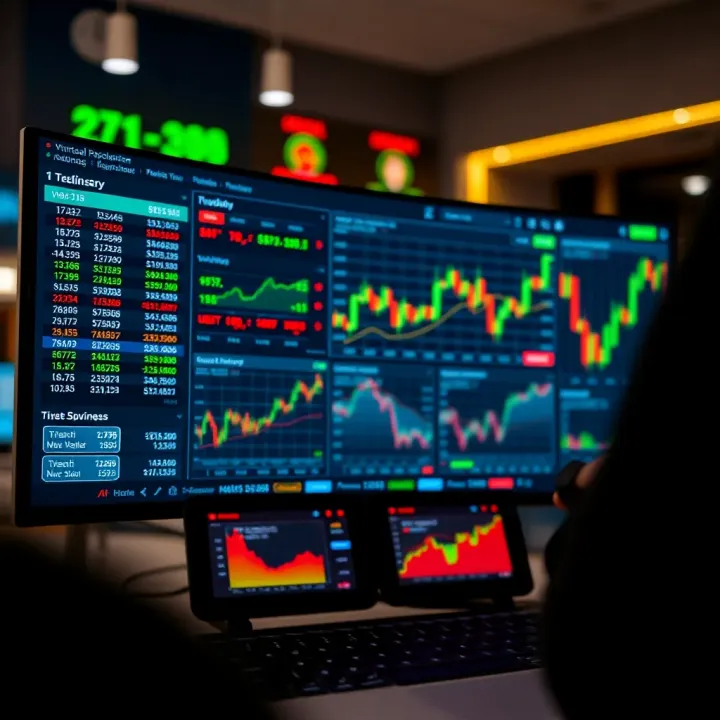
Learn how to trade stocks risk-free with free online paper trading platforms 📈. Explore tips, benefits, and best sites for Indian market traders 🇮🇳.

📈 New to stock paper trading? Learn how to practice without risk, explore platforms, strategies, and tips tailored for India's market beginners!
Based on 6 reviews