

Best Options Trading Apps in India: Practical Guide
Discover the best apps for options trading in India 📱 Compare features, charges, and security to find your perfect platform with easy payment options and RBI compliance.
Edited By
Amelia Foster
One-minute trading apps have become a popular choice for traders in India who prefer rapid decisions and immediate results. These platforms allow users to buy and sell assets like stocks, commodities, or currencies within sixty seconds, capitalising on short-term market fluctuations. This approach caters to those who want to leverage brief price movements rather than holding positions for longer periods.
These apps function by connecting users to real-time market data and providing a simple, intuitive interface for quick trade execution. For example, a trader spotting a sudden price spike in the Nifty 50 index can instantly place a trade and exit within one minute to try and lock in profits. Such rapid trades demand precision and constant attention.

Quick access to market movements and fast responses are the core advantages of one-minute trading apps, but they carry significant risk due to the speed and volatility involved.
Easy availability of high-speed internet alongside smartphones supporting 4G/5G networks
Growing interest in short-term trading post-pandemic
User-friendly design targeting novice investors and active traders alike
Integration with Indian payment gateways like UPI for seamless fund transfers
However, these apps aren't suitable for everyone. The swift pace can amplify losses just as quickly as gains, especially during volatile market hours. Traders must understand their risk tolerance and avoid overtrading.
In the sections ahead, we will examine the features that make these apps useful, the risks they bring in the Indian context, regulatory guidelines from SEBI (Securities and Exchange Board of India), and practical tips to trade safely and smartly using one-minute trading apps.
One-minute trading apps have reshaped how many traders engage with the stock market, especially in India where digital adoption is growing rapidly. Understanding these apps is essential because they cater to a very specific need: making fast, informed decisions that allow users to capitalise on short-term price movements. For investors who prefer quick trades over longer holds, these tools offer convenience and agility.
A one-minute trading app focuses on facilitating ultra-short-term trades where positions open and close within a single minute. The distinguishing feature is the fast refresh of market data, often down to second-by-second updates, enabling traders to react instantly. Many such apps provide real-time charts with one-minute candlesticks, allowing immediate analysis of price action. Compared to traditional trading platforms, they prioritise speed and simplicity, allowing users to execute transactions with the tap of a finger.
To illustrate, imagine a trader monitoring the Nifty 50 index. Using a one-minute trading app, they can spot small price spikes or dips as they happen and place trades swiftly to capture tiny profits that compound over multiple trades daily. These apps typically feature minimal order execution delays and intuitive interfaces tailored for rapid decisions.
In India, one-minute trading apps operate under the broader regulatory framework of the Securities and Exchange Board of India (SEBI) and integrate with National Stock Exchange (NSE) or Bombay Stock Exchange (BSE) data feeds to provide timely updates. The apps connect directly to brokers' trading systems for seamless order placement. Given the volatility of Indian markets during peak hours, these platforms provide tools like live ticker tapes, depth-of-market views, and instant alerts that help traders catch price shifts.
Additionally, mobile internet improvements across tier-2 and tier-3 cities have made it accessible for many retail traders to try such high-frequency trading strategies. However, connectivity lags or app glitches can affect execution speed, so reliable network performance and app stability are crucial.
One-minute trading apps are redefining access to the stock market in India by enabling retail investors to attempt rapid trading strategies with greater ease and lower entry barriers.
Being aware of how these apps work and their best use cases helps traders gauge if this style suits their risk appetite and trading goals. As these platforms grow, understanding their mechanics is a must for anyone looking to trade in India’s dynamic markets.
One-minute trading apps rely heavily on a set of core features that distinguish them from regular trading platforms. These features ensure traders can make instantaneous decisions and execute trades within tight time frames while navigating volatile markets. Understanding these elements is vital before choosing a platform, especially in the fast-moving Indian market.
The user interface (UI) must be intuitive, responsive, and clutter-free for one-minute trading apps. Since trades happen quickly, users cannot afford to get lost in complex menus or face delays while locating key tools. For example, apps like Zerodha's Kite or Upstox focus on clean layouts with visible quick trade buttons, watchlists, and simple navigation. Features such as dark mode or customisable dashboards add to the convenience during long trading hours. Beyond looks, smooth performance without lag is essential to keep up with rapid price changes.
One-minute traders live and breathe real-time data. Platforms must provide tick-by-tick updates for selected stocks or indices like the Sensex and Nifty 50. Delays of even a few seconds can mean missed opportunities or losses. Popular trading apps integrate reliable feeds from NSE (National Stock Exchange) and BSE (Bombay Stock Exchange) for up-to-date quotes. On top of price data, analysis tools such as candlestick charts, moving averages, volume indicators, and basic technical signals help traders gauge short-term trends quickly. Many apps offer built-in research reports on sectors or companies, making it easier to spot moments to jump in or exit trades fast.
The heart of any one-minute trading platform is its order execution speed and dependability. Traders need their buy or sell orders placed instantly at the current price, especially during rapidly changing sessions. Platforms connected directly to exchanges with low latency provide this edge. Take apps like Angel Broking or 5Paisa, which boast sub-second order processing and high uptime to prevent failed trades or delayed confirmations. The reliability aspect also covers server stability during market surges and backup systems to avoid crashes. A delayed order or app freeze in a one-minute trade can risk significant losses.
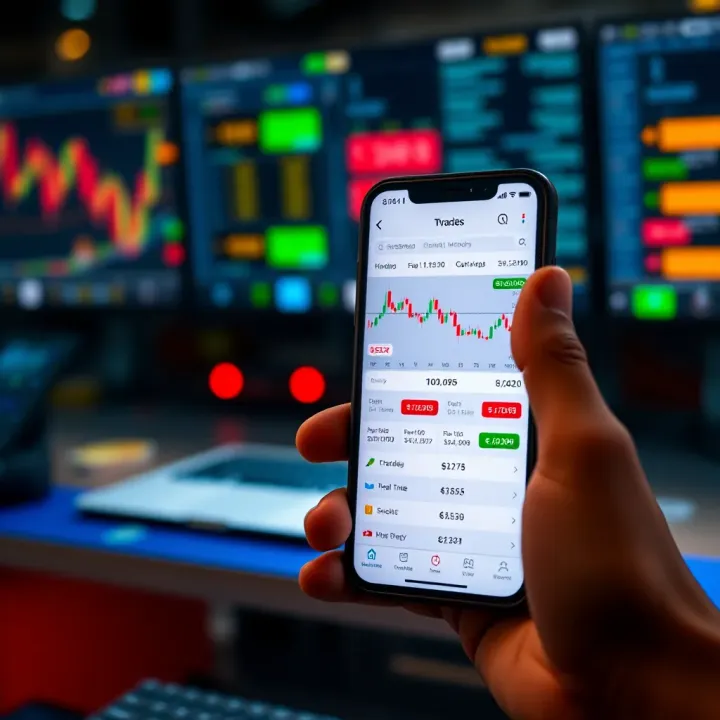
In essence, a solid one-minute trading app blends ease of use with precise, lightning-fast data and execution, giving traders the agility needed in India's dynamic financial markets.
Choosing an app that balances these core features while fitting your trading style can help you harness quick market moves safely and confidently.
One-minute trading apps offer quick entry and exit options for traders keen on fast decisions in volatile markets. While these platforms bring notable advantages, they also involve risks that need cautious handling. Understanding both sides helps traders use these apps effectively and avoid costly mistakes.
One-minute trading apps shine in providing speed and agility. For active traders, the ability to place and close orders within 60 seconds helps capture short price movements often missed in traditional trading. For example, a trader watching crude oil futures during market news can react instantly to sudden price changes, making quick profits or limiting losses.
Such apps often feature user-friendly interfaces and real-time charts, allowing traders to monitor market trends like Nifty or Bank Nifty indices easily. They help execute intraday strategies like scalping or momentum trading without waiting on broker call centres or sluggish interfaces. Furthermore, many of these apps provide alerts and automated triggers that assist traders in seizing timely opportunities.
Additionally, small capital requirements appeal to beginners or traders hesitant to commit large funds. Some apps allow starting with as little as ₹1,000, making them accessible for a wider audience to try active trading on a limited scale.
Despite benefits, one-minute trading apps carry significant risks due to their rapid pace. One major hazard is overtrading, where traders make too many quick trades driven by emotion, leading to heavy losses from transaction fees and poor decisions. Setting strict daily trade limits or using apps with built-in session timers can help manage this.
Market volatility further complicates matters. Prices can swing wildly within seconds, increasing the chances of slippage—execution at prices different from what was intended. Traders should be wary of this by choosing apps with reliable order execution guarantees and by practising on demo accounts before investing real money.
Besides technical risks, the fast nature attracts scams and unreliable platforms. Several unregulated apps promising unrealistic returns have surfaced recently in India. Traders must ensure the platform is SEBI-registered and has transparent policies. Reading user reviews and verifying app credibility can prevent falling prey to fraud.
Successful one-minute trading demands discipline, quick judgment, and robust risk controls. Without these, it’s easy to spiral into losses instead of profits.
To sum up, one-minute trading apps provide a unique edge for active market players through instant execution and low capital requirements. At the same time, they require careful risk oversight and due diligence to avoid pitfalls like overtrading, slippage, and fraud. Balancing these factors helps traders maximise gain potential while minimising downside risks.
Picking the right one-minute trading app is key if you want to make quick, confident trades in India’s fast-moving market. These apps vary widely in usability, speed, security, and cost, which can affect your trading outcomes significantly. Choosing wisely saves you from frustration and losses associated with slow executions or hidden fees.
Start by checking the app's speed and reliability. One-minute trading demands lightning-fast order execution, since even a delay of a few seconds might lead to altered market prices affecting your trade. For example, apps like Zerodha’s Kite are popular for their low latency and stable connection.
Next, look at security features. Given the prevalence of cyber threats, ensure the app supports two-factor authentication and encrypts your data end-to-end. Many apps, including Upstox and Groww, provide these safeguards.
Consider the user interface and ease of use, especially if you are new to trading. A clutter-free design with intuitive controls limits errors during quick trades. For example, Angel Broking’s app has gained praise for its simple navigation and clear layout.
Also, evaluate the cost structure – brokerage fees, transaction charges, and any hidden costs. Some apps like 5Paisa offer flat-rate brokerage, making frequent small trades more economical than volume-based charges.
Integration with market research tools and real-time data helps in making swift decisions. An app that offers live charts, news updates, and technical indicators can give you an edge.
Finally, read user reviews to learn about their practical experiences, especially concerning app crashes and customer support responsiveness.
India’s one-minute trading scene features several contenders, each catering to specific trader needs:
Zerodha Kite: Known for low latency and a strong tech backend, it appeals widely to experienced traders.
Upstox Pro: Offers fast order execution combined with good research tools, suited for active and semi-active traders.
Angel Broking: Favoured for its beginner-friendly app with detailed tutorials and support.
5Paisa: Popular among cost-conscious traders due to its affordable brokerage plans.
Groww: While primarily an investment app, its trading module supports quick decisions backed by a clean interface and robust data.
Always test the app on a demo account if available, before committing real money. This reduces risks and helps you understand the app’s speed and features.
Choosing the right app involves balancing speed, cost, security, and convenience to suit your trading style. The ideal app not only fits your budget but also helps you react effectively to minute-by-minute market changes.
Understanding the legal and regulatory framework is essential before using one-minute trading apps in India. These apps operate in a fast-paced environment where quick decisions can mean significant gains or losses. Ensuring compliance with regulations protects traders from potential legal issues and helps maintain market integrity. Specifically, the Securities and Exchange Board of India (SEBI) and the Reserve Bank of India (RBI) set rules that govern trading platforms to safeguard investors.
SEBI is the primary regulator for securities markets in India, including platforms that offer trading apps. One-minute trading apps must comply with SEBI rules on transparency, investor protection, and fair trading practices. For example, any brokerage app must disclose accurate pricing and transaction details to users, preventing misleading information or hidden charges.
RBI's guidelines are equally relevant, particularly for payment and settlement aspects linked with trading apps. Apps need to follow RBI norms for fund transfers, including using authorised banks and secure transaction channels like UPI or NEFT. This ensures that your money moves through legitimate paths, reducing risks related to fund misuse or delays.
Non-compliance can lead to apps being barred from operating or facing heavy penalties. This happened in cases where certain platforms allowed unregulated derivatives trading or offered uncertified investment schemes. Always check if the app is authorised by SEBI and follows RBI’s payment protocols before starting trading.
Fraud risks rise with rapid trading apps, especially those promising unusually high returns in a short span. Scammers may use fake apps resembling legitimate ones or push users into risky trades without full disclosure.
Here are practical steps to defend against such fraud:
Verify App Authenticity: Download apps only from official stores like Google Play or Apple App Store, and confirm the developer is reputable.
Check Regulatory Approvals: Confirm the app holds SEBI registration and RBI is aware of the payment arrangements.
Avoid Sharing Personal Details: Never share your login credentials, OTPs, or PAN card details with third parties.
Watch for Unsolicited Advice: Be wary of pushy calls or messages urging you to trade immediately or invest large sums.
Keep Software Updated: Update your mobile operating system and apps regularly to guard against security vulnerabilities.
Staying alert and properly informed remains your best defence against scams. Remember, no legitimate trading app will guarantee quick profits without risk.
By focusing on regulatory compliance and practising safe trading habits, you can use one-minute trading apps securely within India’s financial system. This groundwork not only protects your money but also builds confidence for smarter, faster market moves.
Success in one-minute trading depends largely on discipline and strategy, given the fast pace and high stakes. Implementing effective tips can help you safeguard your capital and make better decisions in this quick-moving market.
Risk management is vital for short-term traders as one-minute trades can amplify losses quickly. Start by setting strict stop-loss limits for every trade. For example, if you enter a trade on a volatile stock like Tata Motors, decide you won’t lose more than 0.5% of your capital on that trade. This discipline protects your overall portfolio from severe damage.
Avoid the trap of overtrading, which often happens when traders try to chase every move or recover losses quickly. Overtrading drains your capital and increases transaction costs, hitting returns hard. Use a trading plan that limits you to a fixed number of trades per session or per day. That helps maintain focus and reduces impulsive decisions under pressure.
Keep your position size reasonable. Trading with very high leverage may seem tempting but can wipe out your account rapidly. Start small, especially when testing a new strategy or trading app, and gradually increase your exposure only after consistent success.
Even though one-minute trades are fast, relying on accurate market data gives you an edge. Use apps that provide real-time price updates, market depth, and technical indicators like Moving Average Convergence Divergence (MACD) or Relative Strength Index (RSI). These tools help identify entry and exit points more precisely.
In India, making use of sources such as NSE India for market statistics or financial news apps like Moneycontrol adds valuable context. For instance, if you see a sudden spike in trading volume on Reliance Industries shares coupled with positive news, it could signal a good short-term trading opportunity.
Besides technical data, keep an eye on broader market trends. If the Sensex is showing a downtrend, scalping small profits on one-minute trades across multiple counters might be safer than betting big on a single stock.
Remember, one-minute trading is not only about speed but informed quick decisions. Using thorough market research alongside disciplined risk management will help you stay ahead while protecting your capital.
Taking these steps can make your one-minute trading experience more efficient and secure. By managing risk smartly and relying on solid data, you increase your chances of consistently making small but profitable trades in India's dynamic equity markets.
Discover the best apps for options trading in India 📱 Compare features, charges, and security to find your perfect platform with easy payment options and RBI compliance.

Explore how to choose the best mobile trading app in India with features like user interface, security, brokerage fees, product range & customer support 📱₹📊

Learn how to choose the best trading app for beginners in India 📱 Compare features, costs, safety tips, and start trading with confidence today! ✅

Discover top online trading apps in India 📈. Learn key features, security tips, and find the best platform to suit your trading goals with ease.
Based on 15 reviews