

Best Trading Apps for Indian Investors: A Clear Guide
📈 Find the best trading app for Indian investors! Compare features, benefits, and top platforms to make smart, confident investment choices today. 🇮🇳
Edited By
Emily Clarke
For anyone interested in the stock market, paper trading apps offer a valuable chance to practise trading without risking real money. These platforms simulate the actual stock market environment, letting you test strategies, understand market behaviour, and build confidence before putting your savings at stake.
Indian investors, especially freshers or those exploring trading for the first time, can greatly benefit from these apps. They help sharpen skills related to buying and selling stocks, derivatives, or mutual funds while navigating India's unique market conditions governed by exchanges like NSE and BSE.

Paper trading apps work by providing virtual funds—usually ₹10 lakh or more—to place trades in real-time market scenarios. This means while you track the movements of Nifty 50 or Sensex, you learn how price fluctuations affect your portfolio, all without burning your cash.
Using a paper trading app regularly improves decision-making skills, helping avoid emotional mistakes common to novice investors.
Some apps match actual live data; others add simulated delays or simplified charts to keep things beginner-friendly. The key is finding an app suited to your style and goals, whether you're aiming for intraday trading, swing trades, or long-term investment analysis.
Before diving into actual trading, practising with these tools lets you face market ups and downs safely. For Indian users, having access to features like live market news, access to listed companies data, and risk management tools aligned with SEBI regulations enhances the learning.
To get the most out of paper trading:
Treat it like real trading; set clear goals and stick to a strategy
Review your trades regularly to identify what worked or failed
Gradually introduce complex instruments like options or futures
Understanding how to read technical indicators, keep track of market sentiments, and manage risks becomes easier when you practise consistently on these apps. As you improve, transitioning into investing with real money becomes less daunting.
This guide will take you through the top paper trading apps that fit the Indian context, highlighting their strengths and key features, so you can decide which suits your needs best.
Paper trading serves as a valuable stepping stone for those entering the stock market in India. It refers to practising trades using virtual money rather than real funds, allowing users to simulate real market conditions without financial risk. This practice is particularly essential for beginners and also beneficial for experienced traders testing new strategies.
Simply put, paper trading imitates investing in stocks, commodities, or derivatives without actually putting money on the line. For example, if you want to buy shares of Reliance Industries but aren’t confident about the timing or price, paper trading lets you make the same purchase virtually. You track your gains or losses as if real, helping you understand market mechanics in a safe environment.
For newcomers, paper trading builds familiarity with market scenarios without worry over losing capital. It strengthens skills like order placement, understanding price movements, and managing portfolio risk. Experienced traders also gain from it by trialling complex strategies, checking the impact of different order types, or preparing for volatile periods.
Besides, paper trading helps develop discipline—by practising sticking to a plan without emotional reactions to gains or losses.
"Using paper trading apps helps you iron out mistakes early, protecting your hard-earned money when you start live trading."

While paper trading is useful, it doesn’t capture the psychological pressure of real losses or gains. Indian markets have unique traits such as sudden liquidity changes or circuit breaker triggers that may not reflect fully in virtual simulators. Also, execution speed in paper trading could differ from live conditions, misleading some traders about feasibility.
Moreover, paper trading may encourage riskier behaviours since no real money is at stake, which might backfire in actual investments.
Understanding these pros and cons helps Indian investors use paper trading effectively as a learning tool and not a guaranteed predictor of live market success.
Choosing the right paper trading app hinges on its key features that simulate real trading conditions while supporting effective learning. Indian investors should look beyond basic functionality to features that reflect authentic market behaviour, provide ease of use, enable performance review, and align with local trading practices. Picking an app with these characteristics helps you build stock market skills with confidence before investing real money.
Accurate and up-to-date market data forms the backbone of any paper trading app. An app should offer live or near-real-time prices and reflect actual market volatility for NSE and BSE stocks. Without timely data, simulated trades lose meaning as the experience departs from real market conditions. For example, an app that refreshes stock prices every few seconds helps mimic market swings, enabling you to practise decisions under realistic timing pressure. Lagging or delayed data might make you overly optimistic or cautious, which is not ideal when transitioning to actual trading.
A smooth and intuitive interface makes trading practice less frustrating and more productive. Look for apps that display charts clearly, provide easy order placement, and offer essential order types like market, limit, stop loss, and bracket orders. These order types let you experiment with different trading strategies. For example, practising with stop loss orders helps you manage risk, an important skill often overlooked in theory. If the app complexity is too high, beginners might feel overwhelmed. Conversely, if it’s too basic, you miss out on learning important nuances.
Good paper trading apps come equipped with features to track your trades, calculate gains or losses, and generate reports. Analytical tools such as profit/loss charts, win/loss ratios, and trade history summaries provide insight into your trading style and areas needing improvement. For instance, spotting persistent errors in timing or excessive exposure to certain sectors can be eye-opening. These tools turn trading practice from guesswork into a measured learning process, enabling data-driven improvements.
Since Indian investors mainly trade on NSE and BSE, apps integrated with these exchanges provide more relevant practice. The app should support a range of instruments available in India – equities, derivatives like futures and options, mutual funds, and even commodities if possible. For example, practising options trading on Indian expiry dates under realistic conditions boosts readiness for live markets. Furthermore, apps that mirror Indian trading rules, lot sizes, settlement practices, and tax considerations prepare you better than generic international platforms.
When choosing a paper trading app, focus on realistic market data, a user-friendly interface, robust performance tracking, and local market integration. This alignment helps bridge the gap between practice and live investing, enhancing your chances of success in the Indian stock market.
Selecting apps with these features ensures your practice has value and relevance, ultimately shaping better investment decisions in the real world.
Paper trading lets you practise stock market strategies without risking real money, especially crucial amidst the Indian market's unique dynamics. Choosing the right app matters because not all platforms offer Indian stock exchange data or a user experience tailored to local traders. The best paper trading apps combine up-to-date market data with useful tools specific to NSE and BSE, allowing investors to test strategies realistically.
A key factor when picking paper trading apps for Indians is access to authentic, real-time data from the National Stock Exchange (NSE) and Bombay Stock Exchange (BSE). Apps like Moneybhai by Moneycontrol provide this, simulating real market conditions closely. Having genuine market data helps you understand price movements, liquidity, and volatility instantly, improving skill-building. Without such access, simulations may feel disconnected from actual trading.
New traders benefit greatly from apps that integrate learning resources with practice features. Platforms like Zerodha Varsity combined with its paper trading service let beginners grasp concepts and try trades without pressure. Educational modules paired with practical interfaces help beginners understand not only how to place orders but why certain strategies work. This blend is vital given many Indian retail investors come with limited formal investing knowledge.
Seasoned traders desire tools beyond basic practice. Apps such as TradingView and Upstox Pro offer advanced charting, multiple order types, and backtesting options for strategies, even in their paper trading modes. These features help experienced users refine complex techniques and track multiple instruments like derivatives or commodities, which are often part of Indian portfolios.
Flexibility in access plays a role in consistent practice. Many apps provide both mobile and desktop versions, accommodating traders on-the-go and those who prefer detailed analysis on larger screens. Groww offers smooth mobile experience alongside its web platform, ensuring you don’t miss learning opportunities whether commuting or at home. Using multiple devices can also help test execution speed and functionality similar to real-life trading.
Good paper trading apps tailored for Indian investors come with authentic exchange data, educational tools, advanced features, and compatibility with both mobile and desktop. Choosing apps that cover these bases can significantly sharpen your investing skills before stepping into live markets.
Paper trading apps offer a hands-on way to sharpen your investing skills without risking real money. To truly benefit, it's not enough to just place virtual trades; you need a structured approach that turns those trials into lasting lessons. This section explores how Indian investors can make the most of these tools, focusing on goal-setting, record-keeping, thoughtful transitions to live trading, and maintaining discipline.
Before opening any paper trading app, clarify what you want to achieve. Are you testing momentum trading, practising swing trades, or learning how to read charts? Setting specific targets, like “I want to improve my entry timing” or “test stop-loss strategies”, guides your practice and prevents random guesswork. For instance, an investor might decide to simulate trades strictly using technical indicators like RSI or MACD to see how these tools work in real-time.
Such goal-oriented practice helps avoid confusion and sets a clear path for progress. It also makes it simpler to gauge when you’re ready to move beyond paper trades.
Logging every trade—successful or not—is crucial. Most quality paper trading apps allow you to maintain a journal or export your trade history. Use this feature to note why you entered a trade, what strategy you applied, and the outcome.
Consider an example: after several losing trades in the IT sector, you might find that tight stop-losses could reduce damage during volatile days. Reflecting on these patterns helps build intuition. Without keeping detailed records, learning remains superficial.
Paper trading conditions can never fully mimic live markets, especially as real money triggers different emotions. Once you meet your goals consistently on paper, start small with live trades. Perhaps allocate just 5-10% of your intended investment capital initially.
In India, platforms like Zerodha and Upstox allow easy shifting from simulated to live accounts, offering a smooth transition. This gradual move softens shocks from unexpected losses and helps you adapt your strategies under real pressure.
One common trap is to confuse success in paper trades with guaranteed profits in live markets. Remember, virtual wins do not factor in emotional reactions or slippage during execution.
Staying disciplined means sticking to your trading plan without chasing losses or gambling on impulsive bets. For example, if your strategy advises exiting a position when the price hits a certain limit, follow it regardless of temporary market noise.
Discipline and self-awareness are as essential as the right strategies. Paper trading is your rehearsal; the live market is your stage.
By treating paper trading as a serious practice rather than a game, you develop habits that improve your chances in real investing. Setting goals, tracking outcomes, transitioning carefully, and managing emotions ensure this low-risk exercise pushes your skills forward effectively.
📈 Find the best trading app for Indian investors! Compare features, benefits, and top platforms to make smart, confident investment choices today. 🇮🇳

📈 Discover the top Indian-friendly platforms for paper trading to practise stock market skills risk-free. Compare features, ease of use, and pick one to match your trading goals.

Discover the best trading app for Indian investors 📱: compare features, costs, security, usability & customer support to match your trading style perfectly.
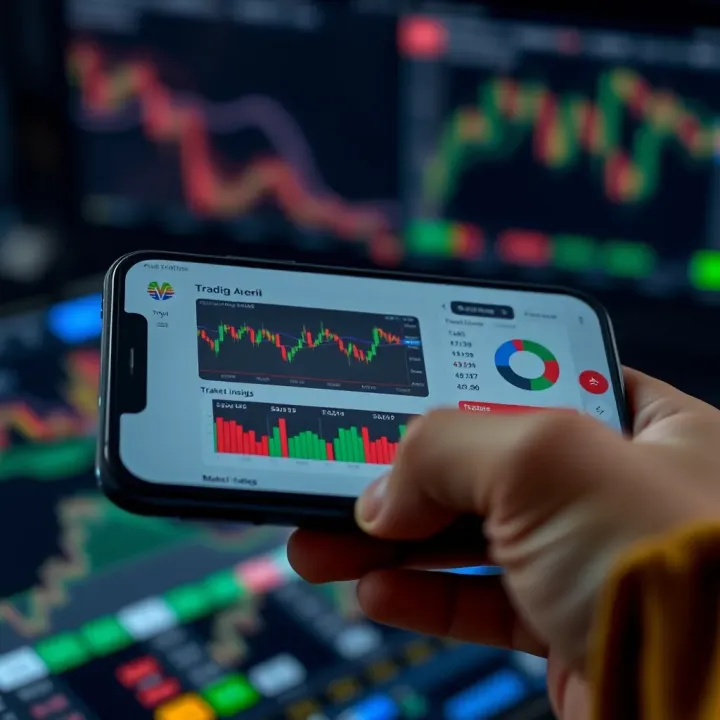
📈 Find the best trading app for Indian investors by exploring key features like security, fees, market access, ease of use, and customer support.
Based on 10 reviews