
Effective Strategies for Successful Intraday Trading
Sharpen your intraday trading skills with practical strategies 📈 tailored for Indian markets. Manage risk, time trades wisely, and stay focused for better returns in one day.
Edited By
Oliver Bennett
Intraday trading means buying and selling financial instruments within the same trading day. Traders aim to capitalize on short-term price movements rather than holding assets overnight. This approach demands quick decision-making, sharp analysis, and a solid understanding of market behavior.
Unlike swing trading or long-term investing, intraday trading closes all positions by the end of the trading session. For example, a trader might buy shares of Apple stock at 10 AM and sell them by 3 PM the same day, avoiding any risks from after-hours events.
Short Time Frames: Trades last minutes to hours, never extending past market close.
Volume and Volatility: High trading volume and price swings create profit opportunities.
Leverage Use: Many intraday traders use margin accounts to amplify returns, but this also increases risks.
Scalping: Making dozens of quick trades throughout the day to capture tiny price changes.
Momentum Trading: Buying stocks showing strong trends based on news or technical signals.
Breakout Trading: Entering trades when price breaks above resistance or below support levels.
Each strategy requires different skill sets and tools. Momentum traders might rely heavily on newsfeeds and technical indicators like moving averages, while scalpers focus on order book data and rapid execution.
Successful intraday trading depends heavily on managing risk through tight stop-loss orders and position sizing.
Before starting, traders should ensure they have:
Real-time market data
Reliable trading platform
Clear risk management rules
Remember, intraday trading can offer profit potential but also carries significant risks. Volatility can work against you just as fast as it can work for you, making discipline and preparation critical in this fast-paced environment.
Intraday trading involves buying and selling financial assets within the same trading day. This means traders open and close positions before the market closes, avoiding overnight exposure. This approach appeals to those who want to capitalize on short-term price swings without tying up funds for days or weeks. For instance, a trader might buy shares of a tech company in the morning expecting a rise based on early news, then sell those shares by afternoon to lock in profits.
Basic concept of same-day buying and selling: At its core, intraday trading is about making quick decisions to profit from price fluctuations within a single day. Unlike investing with a long-term view, intraday traders focus on short bursts of market activity. This style requires paying close attention to market movements, sometimes executing multiple trades throughout the day to maximize gains or cut losses rapidly.
Types of markets where intraday trading is common: Intraday trading is especially prevalent in stock markets, forex (foreign exchange), and futures markets. These markets offer high liquidity and volume, allowing traders to enter and exit positions swiftly. For example, stocks listed on the NASDAQ or NYSE often experience enough price movement within the day to make intraday trading viable. Similarly, the forex market’s 24-hour accessibility means traders can react instantly to worldwide economic events.
Comparison with swing trading and long-term investing: Unlike swing trading, which holds positions for several days to weeks, and long-term investing that focuses on months or years, intraday trading closes all positions before the market closes. Swing traders aim to catch medium-term trends, while long-term investors look for fundamental growth, such as a company’s earnings or sector strength. Intraday traders, on the other hand, rely more on technical analysis and market momentum within a single day.
Time horizon and holding periods: Intraday trades typically last minutes to hours—never overnight. This short time horizon limits exposure to market risks after hours, but also demands constant monitoring during trading hours. For example, a trader may enter a position at 10:00 AM and exit by noon, capitalizing on price trends that unfold quickly.
Level of market engagement and activity: This trading style demands intense focus and swift action. Intraday traders watch price charts, news feeds, and technical signals almost continuously. In contrast, long-term investors can afford to check markets less frequently, relying on broader economic factors rather than minute-by-minute changes. The fast pace of intraday trading suits those comfortable with high involvement and quick decision-making.
The bottom line is intraday trading requires a different mindset and skill set than other methods, including an eye for rapid price moves and the discipline to close-out positions daily.
Intraday trading hinges heavily on the right strategies because decisions need to be quick and precise. Without a clear approach, traders risk jumping in and out of the market with no real direction. Using proven strategies helps you stay disciplined, manage risk, and increase your chances of consistent profits within the madness of a single trading day.
Identifying trends within a trading day is at the heart of intraday strategy. Traders look for price directions—up, down, or sideways—that develop and sustain during the day. For example, if a stock consistently moves higher in the morning after a positive earnings report, that indicates an upward trend. Recognizing these trends helps traders ride the wave rather than fight it, picking entry and exit points that align with prevailing momentum.
Using daily charts isn’t enough; intraday traders zoom in on shorter time frames like 5-minute or 15-minute charts to spot these trends as they unfold. It’s about catching those moves early before the market shifts.
Using momentum indicators to time entries and exits adds precision to trend following. Tools like the Relative Strength Index (RSI) or Moving Average Convergence Divergence (MACD) show when an asset is gaining or losing speed. For example, an RSI rising above 70 might signal overbought conditions and a potential reversal, while crossing above 50 could confirm upward momentum is strengthening. Timing buys and sells using these indicators helps avoid chasing prices after they already moved too far, which is common in fast intraday markets.
Capturing small price moves frequently is the essence of scalping. Rather than holding for larger gains, scalpers aim for quick, modest profits by making dozens of trades a day. Think of it like a cashier who adds up many small purchases instead of waiting for one big sale. Successful scalpers might capture 5 to 10 cents per share but do it repeatedly to build substantial returns over time.
This approach demands intense focus, lightning-fast execution, and strict discipline to cut losses quickly when prices don’t move as expected.
Tools and platforms suitable for scalping must deliver ultra-low latency and reliable order execution. Traders often rely on direct-access brokers and platforms like Thinkorswim or Interactive Brokers that support hotkeys for rapid order entry and exits. Real-time Level 2 market data, which shows order book depth, is key to spotting where supply and demand push prices by tiny increments. Having a fast, stable internet connection is non-negotiable too—any delay can wipe out razor-thin profits.
Recognizing key price levels and volume spikes is vital in breakout trading. These levels might be previous day highs, resistance lines, or consolidation zones where prices have stalled. A surge in volume breaking through these levels usually signals strong interest and potential for a new price move. For example, if a stock breaks above $50 with volume twice the average, it could trigger a wave of buying.
Spotting this setup early allows traders to enter just as the breakout accelerates, capturing gains before others jump in.
Managing trades during volatile breakouts means having a clear plan for stop-losses and profit targets. Breakouts can quickly turn into false moves, so tightening stops just below the breakout point protects capital. On the flip side, riding a strong breakout means resisting the temptation to book profits too early—letting winners run while keeping losses small keeps your strategy balanced and effective.
Successful intraday trading depends as much on the strategy as on execution speed. Choosing and mastering the right approaches—be it momentum, scalping, or breakout trading—makes your trading day a lot less guesswork and a lot more calculated moves.
In intraday trading, speed and precision make all the difference. Having the right tools and technologies at your fingertips helps you execute trades quickly and respond to market movements effectively. Without efficient platforms and reliable data sources, making profitable trades within a single day becomes a shot in the dark.
Effective intraday trading depends heavily on the trading platform's features. Look for platforms that offer fast execution speeds, customizable interfaces, and real-time data updates. For example, platforms like Thinkorswim or Interactive Brokers deliver low latency and allow traders to monitor multiple watchlists and charts simultaneously. These features help traders seize opportunities the moment they appear.
Alongside speed, having tools such as one-click trading and the ability to set alerts can streamline your workflow. Being able to act on price changes without delay is crucial when prices move within seconds. Also, platforms that offer comprehensive risk management features, such as trailing stops or bracket orders, help limit losses without constant manual monitoring.
When it comes to order types, intraday traders often rely on more than just market and limit orders. Stop-loss orders are essential to automatically exit losing positions, protecting your capital from sudden reversals. For example, a stop-limit order lets you specify the minimum price at which you're willing to sell, adding a layer of control in volatile markets. Additionally, some platforms provide advanced order types like time-in-force or fill-or-kill, letting you tailor your entries and exits to your specific strategy.
Real-time price feeds form the backbone of intraday trading. Delayed or inaccurate data can lead to missed trades or costly mistakes. Services like Nasdaq TotalView or Bloomberg Terminal offer streaming quotes that reflect the latest market moves, giving traders the edge needed to keep pace.
Besides speed, detailed market depth information—showing bid and ask sizes at various price levels—can reveal where the action is heating up. This insight can help predict short-term price moves better than just looking at a single price.
Technical indicators and chart patterns are indispensable tools for spotting potential trade setups. Popular indicators such as moving averages, Relative Strength Index (RSI), and Bollinger Bands provide clues about trend direction, momentum, and volatility. Meanwhile, patterns like flags, pennants, or head and shoulders can suggest whether the price is about to continue moving or reverse.
Traders typically use charting software like TradingView or MetaTrader, which allow them to overlay several indicators and customize visuals. For instance, a trader might watch the 5-minute chart's volume spikes combined with RSI readings to decide when to enter or exit a position within the day.
The right combination of user-friendly platforms and accurate data feeds can make intraday trading more manageable and less stressful, giving you a clear picture for faster decisions.
Bottom line: Without solid tools and up-to-date information, even the best strategies can fall flat. Investing time in selecting the proper trading software and understanding their functionalities pays off quickly in day trading success.
Intraday trading offers quick profits, but it's not without its fair share of risks. Understanding these challenges is vital for anyone planning to trade within the day. The fast-paced environment demands solid strategies for managing volatile market moves, emotional pressures, and financial exposure. Getting caught off guard by any of these can quickly wipe out gains or even capital.
Price swings are the bread and butter of intraday trading — they create opportunities to buy low and sell high within hours or even minutes. On the upside, sharp fluctuations allow traders to make quick gains if they time entries and exits carefully. For example, a sudden surge in tech stock prices after a positive earnings report opens the door for fast profits.
That said, the same price swings can cut both ways. Volatility also means unexpected dips can trigger losses before a trader can react. A stock might jump wildly due to rumors or speculation without any solid news behind it, catching traders off guard. Understanding how volatility works helps traders adapt their strategies and avoid overextending their positions.
Unexpected news and events can magnify volatility even further. Imagine hearing about a sudden regulatory change or geopolitical event mid-session; prices can jump or plunge quickly, often without warning. These moments represent both risk and opportunity, but they demand quick thinking and solid risk controls to avoid big losses.
Intraday trading forces you into rapid decision-making. Each trade could last just minutes, requiring you to keep a cool head while juggling multiple positions. This speed can cause stress and pressure that impair judgment. Traders new to the scene often find themselves overwhelmed, second-guessing moves or chasing losses.
Avoiding behavioral mistakes goes hand in hand with managing emotions. Common pitfalls include overtrading, chasing bad trades, or holding losers too long hoping for a reversal. Developing discipline through routines like journaling trades and setting clear exit rules can help keep emotions from clouding decisions.
One of the first lines of defense in intraday trading is the stop-loss order. This tool automatically closes a position when it hits a set loss threshold, preventing small dips from turning into big blowouts. For example, if you buy shares at $50 and set a stop-loss at $48, you cap losses before they get out of hand.
Position sizing is equally critical. Risking too much on a single trade can jeopardize your entire account, while too little may limit gains. Traders typically aim for risk-to-reward ratios of at least 1:2, meaning the potential gain is twice the possible loss. This balance helps ensure profitable trades cover the losses over time.
Staying mindful of risks and managing them properly isn't just smart—it’s essential for lasting success. Intraday trading rewards control as much as skill.
By keeping these risks in check, traders can better focus on spotting profitable setups rather than constantly firefighting losses or emotional traps.
Before jumping into intraday trading, understanding what it demands and preparing accordingly can make a big difference in your success. Intraday trading isn’t just about buying and selling stocks quickly; it requires a solid grasp of the market's mechanics, sharp technical skills, and realistic goal-setting. Taking time to address these factors upfront can save you from costly mistakes down the road.
Understanding market mechanics and technical analysis is the foundation of effective intraday trading. You need to know how different markets behave, the role of liquidity, and how order flows affect price movement within the day. For example, knowing that tech stocks often have high volatility during morning hours can help you anticipate when to enter or exit a trade. Technical analysis plays a huge part here, using tools like moving averages, RSI (Relative Strength Index), and candlestick patterns to identify potential entry and exit points quickly.
It's not just theory—practical skills like quickly reading charts and spotting patterns under pressure are critical. If you can’t interpret these signals swiftly, you might miss opportunities or enter at poor prices.
Practice through simulated trading offers a risk-free way to build your skills and confidence. Many platforms provide paper trading accounts that mimic real market conditions without risking actual money. This lets you test strategies, understand order execution times, and get a feel for the emotional ups and downs of fast trading.
For instance, a trader might spend weeks paper trading scalping techniques before risking a single dollar. This hands-on experience is invaluable because it reveals flaws in your plan and keeps you from burning cash while still learning.
Balancing profit targets and risk tolerance is crucial. Some traders aim for small, consistent gains, while others might take bigger risks hoping for larger returns. Either way, knowing how much you're comfortable losing helps you set stop-loss levels and position sizes that protect your capital.
For example, a trader might decide to risk just 1% of their total trading capital on a single day. That way, even a few losing trades won’t wipe out their account. Expecting quick riches without solid risk controls often leads to trouble.
Recognizing the learning curve helps manage frustration and avoid rash moves. Intraday trading involves a sharp learning period where mistakes happen often. Patience during this phase is key. Many successful day traders didn’t turn profits until months of practice.
Taking losses early as learning costs, rather than failures, shifts your mindset. Adjust your expectations to focus on steady improvement, not instant wins.
Understanding these realities sets the stage for a sustainable intraday trading approach. It’s better to start slow, build knowledge, and set measured goals than dive in headfirst without preparation.
Sharpen your intraday trading skills with practical strategies 📈 tailored for Indian markets. Manage risk, time trades wisely, and stay focused for better returns in one day.
🔍 Master intraday trading in India's dynamic stock market. Learn top stocks, tested strategies, and risk management tips to secure your investments daily 📈💼
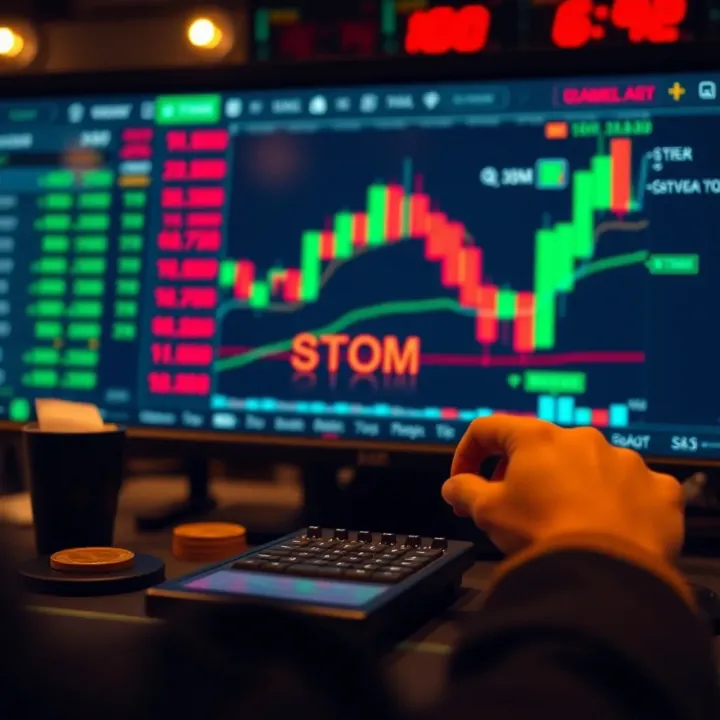
Learn how to start intraday trading in India with practical strategies, risk management tips, and essentials to help you profit from daily stock price movements 📈💡
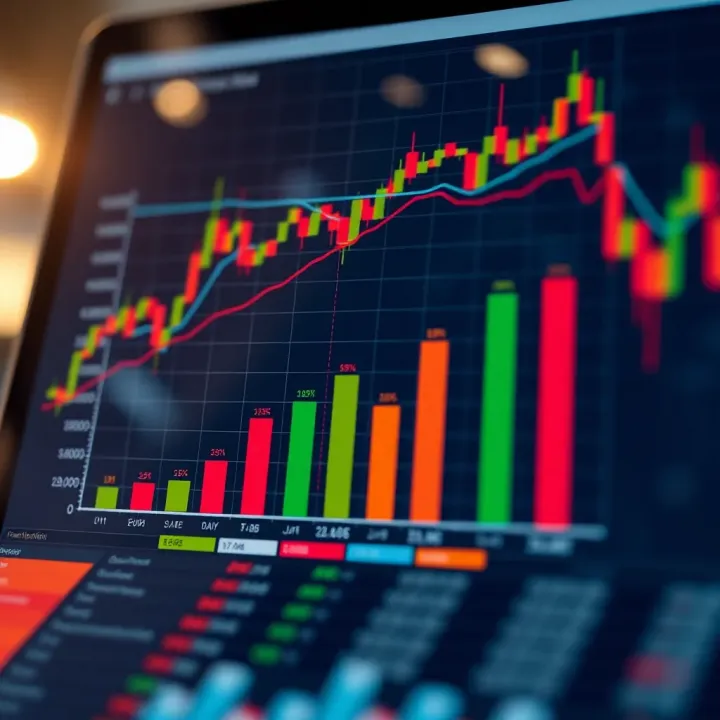
📈 Discover all costs in intraday trading in India: brokerage fees, transaction charges, taxes & hidden expenses. Master your profits with clear breakdowns & tips.
Based on 12 reviews